


How Long Do Lifepo4 Batteries Last
How Long Do LiFePO4 Batteries Last? A Practical Guide for US Homeowners (With lithium aa battery Insights)

Table of Contents
- Why LiFePO4 Battery Lifespan Matters
- How Long Do LiFePO4 Batteries Actually Last?
- LiFePO4 vs Other Battery Types
- What Affects LiFePO4 Battery Lifespan?
- Case Study: Off-Grid Colorado Home
- Case Study: Florida Hurricane Backup
- Why a 600Ah Lithium Battery Lasts Longer
- Frequently Asked Questions
- Final Takeaway
Article Summary: Homeowners across the US are asking the same question: how long do LiFePO4 batteries last? This in-depth guide explains real-world lifespan expectations for LiFePO4 batteries, including 48V and 600Ah lithium battery systems used in residential solar and backup power setups.
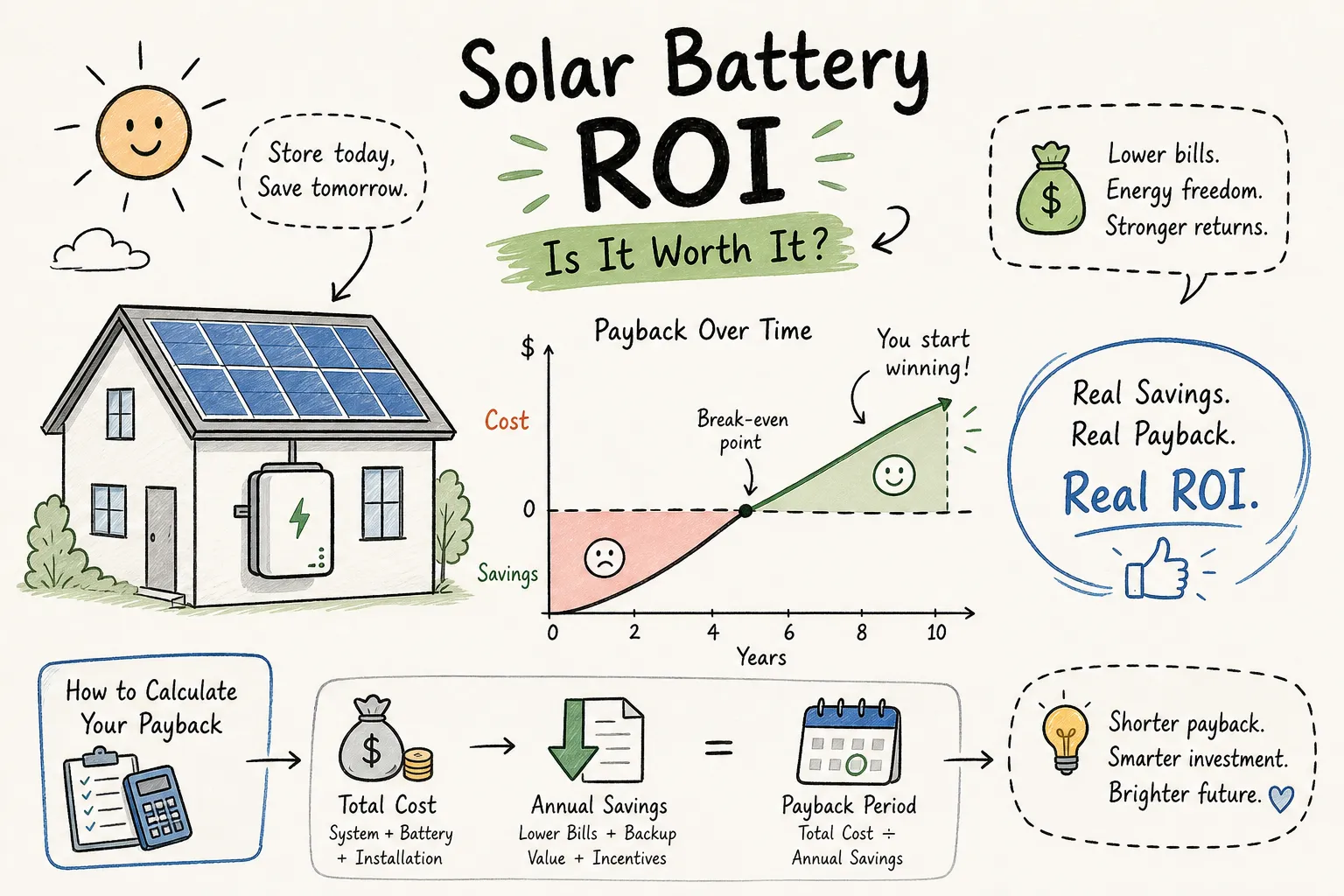
If you're investing thousands of dollars into a home energy storage system, battery lifespan isn’t a small detail—it’s the difference between a smart long-term upgrade and an expensive mistake. Replacing batteries every few years quickly wipes out any savings from solar or time-of-use rate shifting.
At JM Energy, we’ve spent over 10 years designing lithium battery systems for real homes, not lab conditions. Our flagship 51.2V 600Ah (30kWh) LiFePO4 battery is built specifically for US homeowners dealing with extreme temperatures, daily cycling, and unpredictable grid outages.
How Long Do LiFePO4 Batteries Actually Last?
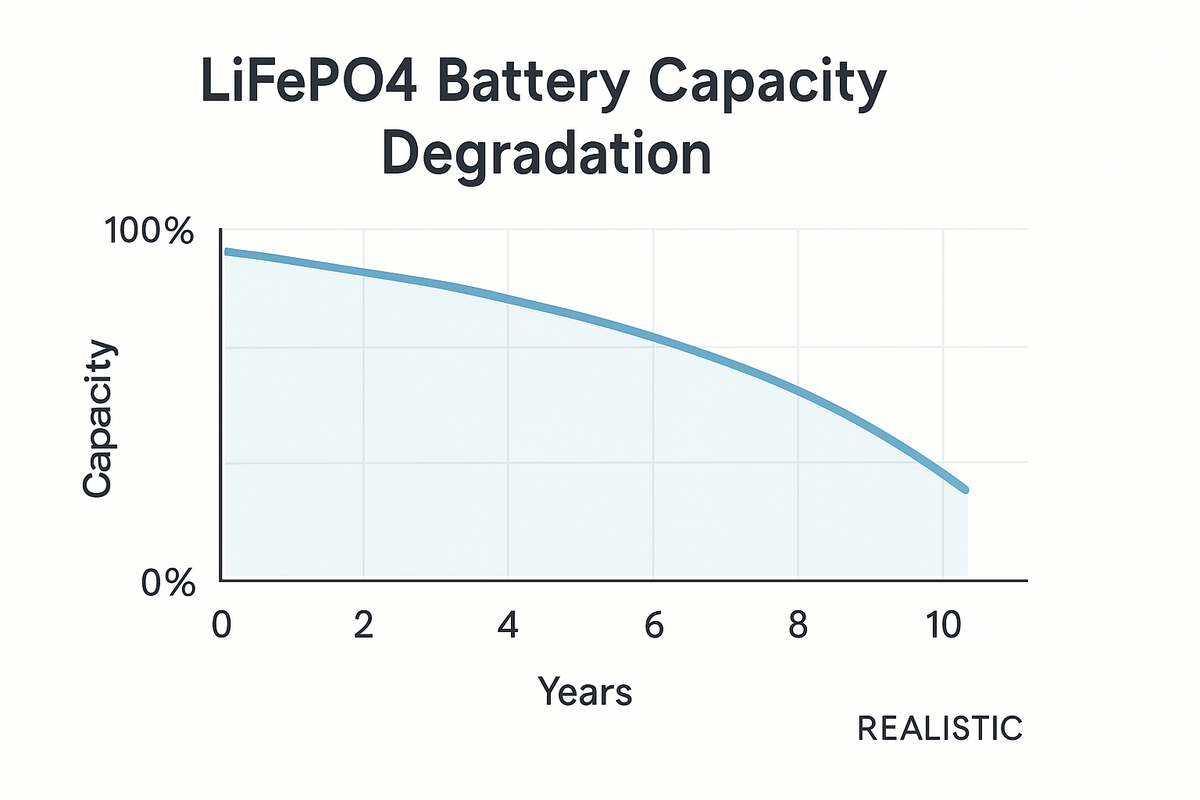
In real residential use, a high-quality LiFePO4 battery typically lasts 10 to 15 years. That lifespan is measured in two ways:
- Cycle Life: LiFePO4 batteries deliver 3,000–6,000 deep cycles at 80% depth of discharge. For a solar-powered home cycling daily, that translates to roughly 8–15 years of service.
- Calendar Life: Even if the battery isn’t used daily, LiFePO4 chemistry ages very slowly, allowing systems to remain reliable for over a decade.
To put this in perspective, lead-acid batteries typically fail after 3–5 years, while standard lithium-ion (NMC) batteries average 6–10 years under similar conditions.
A simple comparison: think of the lithium AA battery in your TV remote. It lasts several times longer than an alkaline battery because lithium chemistry is inherently stable. A home LiFePO4 battery uses the same principle—just scaled up to power your entire house.
LiFePO4 vs Other Battery Types: Lifespan & Value

| Battery Type | Typical Lifespan | Cycle Life | Depth of Discharge | Best Use Case |
|---|---|---|---|---|
| LiFePO4 | 10–15 years | 3,000–6,000 | 80–100% | Home solar, off-grid, backup power |
| Standard Lithium-ion (NMC) | 6–10 years | 2,000–4,000 | 60–80% | EVs, consumer electronics |
| Lead-Acid (AGM/Gel) | 3–5 years | 300–500 | 50% | Low-budget or temporary backup |
What Affects LiFePO4 Battery Lifespan?
1. Depth of Discharge
Using 80% of a LiFePO4 battery’s capacity daily provides an ideal balance between usable energy and long-term health. Built-in battery management systems (BMS) prevent over-discharge automatically.
2. Temperature
Extreme heat and cold shorten battery life. High-quality LiFePO4 systems are designed to operate between -4°F and 140°F, making them suitable for US climates from Arizona to Minnesota.
3. Cell Quality & Manufacturing
Battery lifespan is determined long before installation. Cell consistency, welding quality, and factory testing all directly impact long-term reliability.
Case Study: Off-Grid Living in Colorado

A family living outside Boulder replaced their lead-acid battery bank with a 51.2V 600Ah LiFePO4 system paired with solar. After four years of daily off-grid use, the battery retained over 92% of its original capacity, even through long winter snowstorms.
Case Study: Hurricane Backup in Florida

In Tampa, a household installed a 30kWh LiFePO4 battery after experiencing week-long outages during hurricane season. Two years later, the system continues to power essential loads through outages with minimal capacity loss despite extreme summer heat.
Why a 600Ah Lithium Battery Lasts Longer
- Lower per-cycle stress due to higher capacity
- Fewer deep discharge events
- Better long-term cost per kWh delivered
- Designed to match modern US household energy usage
Frequently Asked Questions
Is LiFePO4 worth the higher upfront cost?
Yes. When lifespan and replacement costs are considered, LiFePO4 batteries are often the most cost-effective option over 10–15 years.
Can LiFePO4 batteries be used every day?
Absolutely. Daily cycling is what LiFePO4 chemistry is designed for.
Final Takeaway
So, how long do LiFePO4 batteries last? With proper design and quality manufacturing, homeowners can realistically expect 10–15 years of reliable service. For anyone serious about energy independence, LiFePO4 isn’t just a battery—it’s a long-term investment.

JM Energy Technology to Showcase Energy Storage Solutions at Indonesia Battery Exhibition
Do Lithium Batteries Need To Be Vented
Related Article