



how to dispose of lithium ion batteries
author: li
2025-09-02
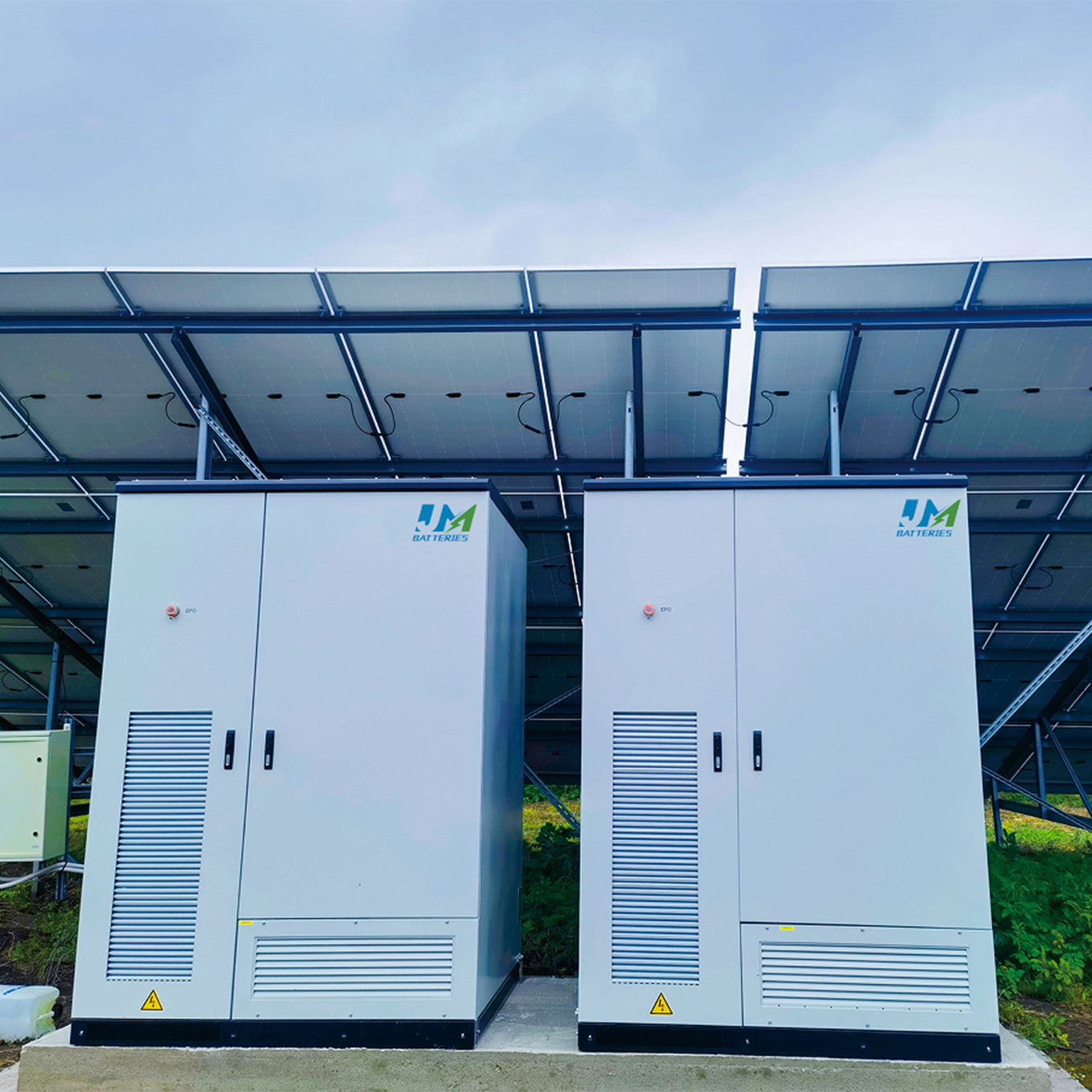
How to Dispose of Lithium-Ion Batteries: A Safe and Eco-Friendly Guide
Lithium-ion (Li-ion) batteries power nearly every aspect of modern life—from our smartphones and laptops to electric vehicles (EVs) and portable power banks. While they’re lightweight and energy-dense, they pose unique risks if disposed of incorrectly: they can catch fire in landfills, leak toxic chemicals into soil and water, and waste valuable materials that could be recycled. The good news? Proper disposal is simple when you follow the right steps. Below, we’ll break down exactly how to dispose of lithium-ion batteries safely, plus tips to extend their life and reduce waste.
First: Understand Why “Tossing Them in the Trash” Is a Big No-No
Before diving into how to dispose of Li-ion batteries, let’s clarify why you can’t just throw them away. Unlike regular alkaline batteries (which are often safe for household trash in small quantities), Li-ion batteries contain flammable electrolytes and reactive metals. When crushed, punctured, or exposed to extreme heat (like in a landfill compactor), they can undergo “thermal runaway”—a chain reaction that causes smoking, swelling, or even explosions.
Additionally, Li-ion batteries are rich in valuable resources: lithium, cobalt, nickel, and copper. Recycling these materials reduces the need for mining (which harms ecosystems and communities) and cuts carbon emissions by up to 70% compared to making new batteries from raw materials. So proper disposal isn’t just safe—it’s also good for the planet.

Step 1: Identify Which Batteries Are Lithium-Ion
First, confirm you’re dealing with a Li-ion battery. They’re common in:
- Small electronics: Smartphones, tablets, cameras, wireless headphones, and e-readers.
- Portable devices: Laptops, power banks, handheld gaming consoles (e.g., Nintendo Switch), and cordless tool batteries (e.g., Dewalt, Milwaukee).
- Larger items: EVs, electric scooters, hoverboards, and solar energy storage systems.
Look for labels like “Lithium-Ion,” “Li-ion,” or symbols (e.g., a battery with a slash through it, indicating it’s not trash). If unsure, check the device’s manual or contact the manufacturer.
Step 2: Prepare the Battery for Disposal/Recycling
Before dropping off your Li-ion battery, take a few quick steps to prevent damage or risk during transport:
- For small batteries (e.g., phone/laptop): If the battery is swollen, cracked, or leaking, place it in a non-flammable container (like a metal box or sealed plastic bag filled with sand) to contain leaks or heat. Avoid touching leaked fluids—use gloves if possible.
- For larger batteries (e.g., EV, power tool): Keep them upright and secure to prevent tipping. Do not dismantle, crush, or puncture the battery (this is a job for professional recyclers).
- Charge level: Ideally, dispose of batteries with a low charge (20% or less). A fully charged Li-ion battery is more likely to overheat if damaged. If the battery is dead and won’t hold a charge, it’s still safe to recycle—just note its condition when dropping it off.
Step 3: Choose the Right Disposal Method
The best way to dispose of Li-ion batteries depends on their size and where you live, but recycling is always the top choice. Here are the most reliable options:
Option 1: Local Recycling Programs
Most cities and towns offer Li-ion battery recycling through:
- Household Hazardous Waste (HHW) Facilities: These centers accept dangerous items (like batteries, paint, and chemicals) for safe processing. Search for “[your city] household hazardous waste drop-off” online to find locations and hours.
- Curbside Recycling (Check First!): Some areas include small Li-ion batteries in curbside recycling—look for a separate bin or a “battery recycling” label on your regular bin. Never mix Li-ion batteries with paper, plastic, or glass recycling, as they can damage equipment or start fires.
Option 2: Retail Drop-Offs
Many stores that sell electronics or batteries offer free Li-ion recycling:
- Electronics retailers: Best Buy, Apple, Staples, and Office Depot accept small Li-ion batteries (e.g., phone, laptop) and even old devices (you can remove the battery first if needed). Apple also recycles its own products (like iPhone batteries) for free in stores or by mail.
- Home improvement stores: Lowe’s and Home Depot often take cordless tool batteries (check with your local store, as policies vary).
- Battery retailers: Stores like Batteries Plus specialize in battery recycling and accept all sizes of Li-ion batteries.

Option 3: Manufacturer or Brand Programs
If you have a larger Li-ion battery (e.g., from an EV, solar system, or electric scooter), contact the manufacturer directly. Many offer take-back programs:
- EV makers: Tesla, Ford, and Toyota have partnerships with recycling companies to handle old EV batteries. Some even reuse partially functional batteries for energy storage before recycling.
- Tool brands: Companies like Bosch and Ryobi let you return old tool batteries to their service centers or partner stores.
Option 4: Mail-In Recycling (For Hard-to-Reach Areas)
If local drop-offs aren’t available, use a certified mail-in recycling service:
- TerraCycle: Offers free mail-in kits for small Li-ion batteries (you can sign up online, receive a prepaid label, and ship your batteries).
- Call2Recycle: A nonprofit that partners with retailers and offers mail-in options for both small and large batteries. Visit their website to find a mail-in program or print a shipping label.
Step 4: What to Avoid
To keep yourself and the environment safe, never:
- Throw Li-ion batteries in the regular trash or recycling bin (risk of fires or contamination).
- Burn Li-ion batteries (releases toxic fumes and causes explosions).
- Dismantle batteries at home (you could damage the cells and expose flammable materials).
- Store old batteries near heat sources (e.g., radiators, stoves) or in cluttered spaces (this increases fire risk).
Bonus: Extend Your Battery’s Life to Reduce Disposal Needs
The best way to minimize Li-ion battery waste is to make your batteries last longer. Here are easy tips:
- Avoid overcharging (unplug devices once they reach 100%, or use “battery saver” mode).
- Keep batteries at room temperature (extreme cold or heat shortens lifespan).
- For devices you don’t use often (e.g., a backup camera), store batteries at 50% charge (not fully empty or full).
Final Thoughts
Disposing of lithium-ion batteries correctly isn’t just a safety precaution—it’s a way to protect the planet and conserve valuable resources. By following these steps—identifying your battery, preparing it for transport, and choosing a recycling program—you can ensure your old batteries don’t end up in landfills. And remember: extending your battery’s life is the best way to reduce waste in the first place.
Do you have a question about a specific type of Li-ion battery (like an EV or power tool battery)? Let us know in the comments, and we’ll help you find the right disposal solution!