


What Is Better A Lithium Battery Or High Capacity Battery
Lithium Battery vs High-Capacity Battery
Introduction
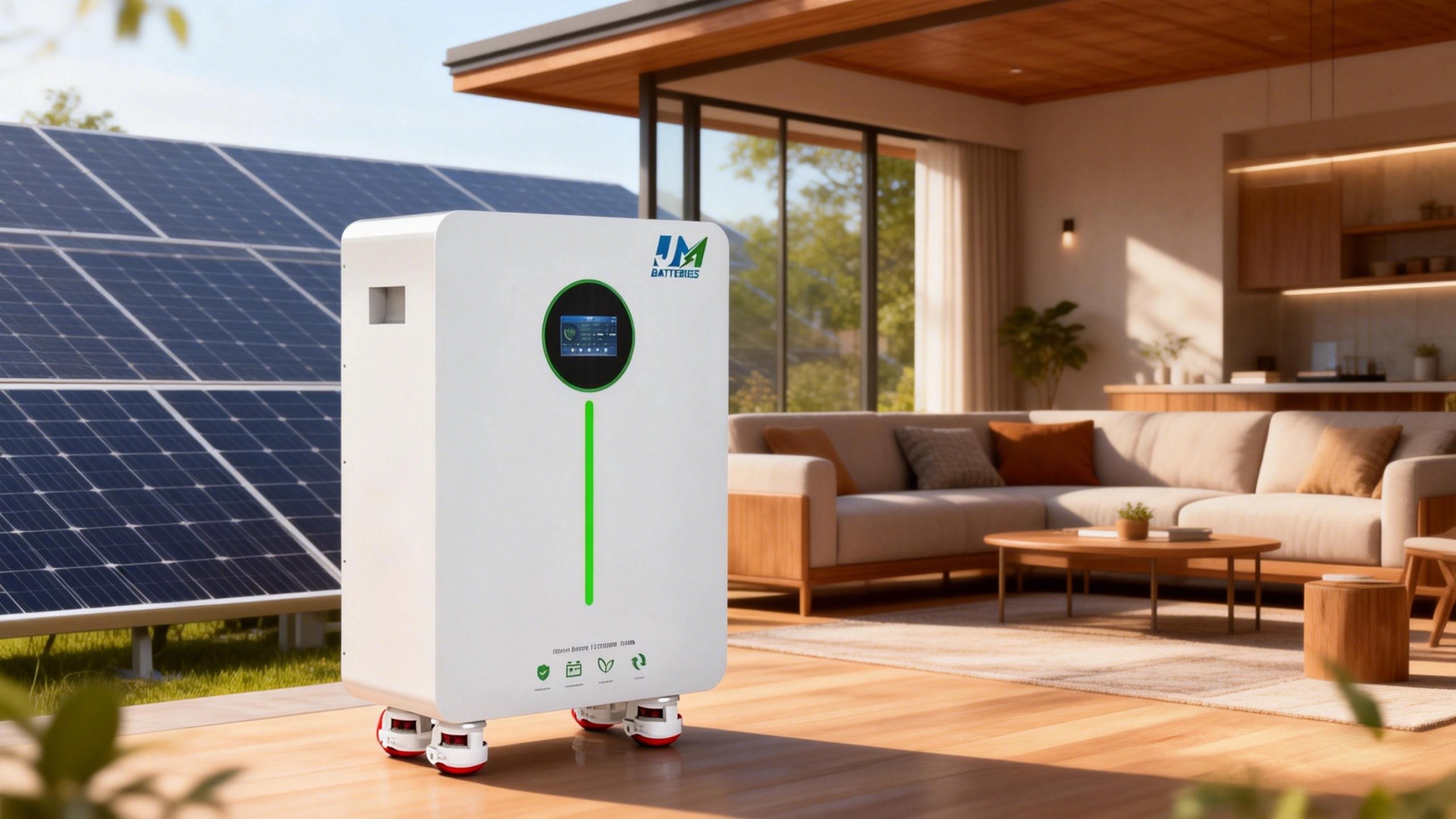
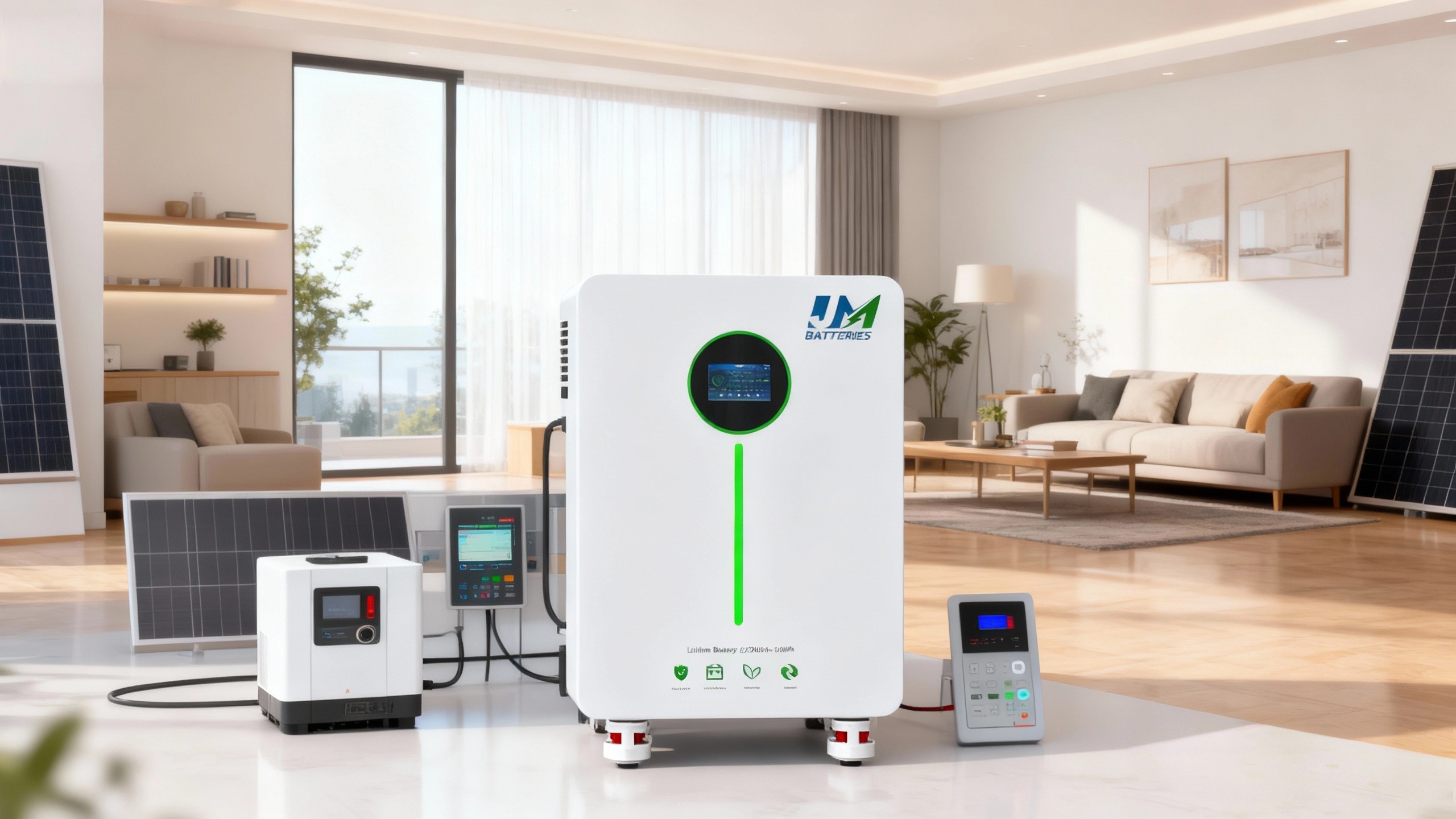
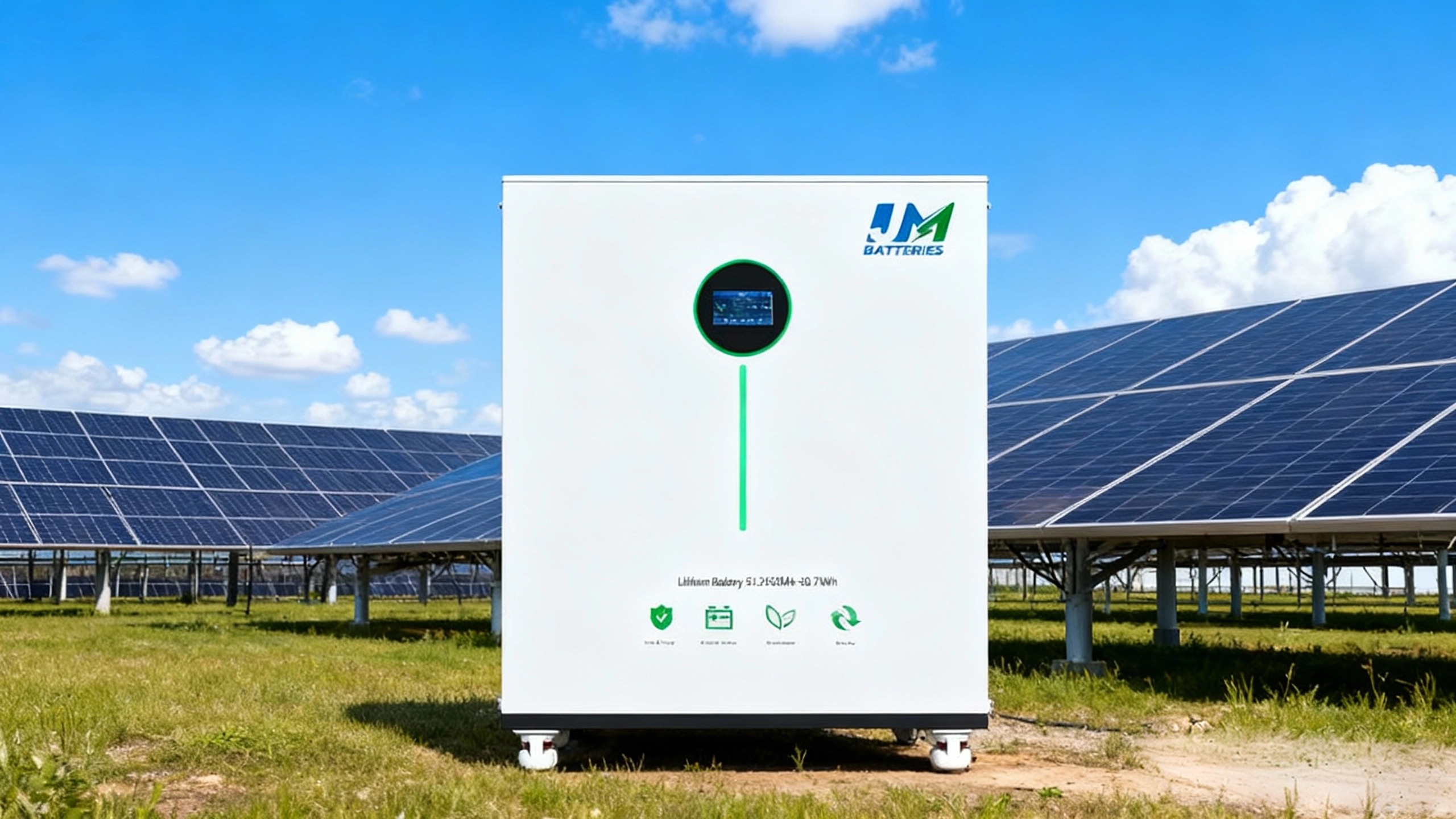
For U.S. homeowners wanting to avoid blackouts or cut grid costs, “lithium battery vs. high-capacity battery” is a key question. At JM Energy Tech (10 years of battery experience in Dongguan, China), our new 51.2V 600Ah-30KWH ionic lithium battery fixes common storage issues: low power, short life, poor efficiency. Below, we’ll show why this lithium battery (especially the 48-volt version) is better than old-school high-capacity options—with real U.S. family stories.

First: Clear Up the Confusion—Lithium vs. “High-Capacity” Batteries
When people ask “what’s better, a lithium battery or a high-capacity battery?”, they usually mean lithium vs. traditional options like lead-acid. Here’s how they compare:
1. Energy Density & Space
Traditional high-capacity lead-acid batteries are bulky: 30-50 Wh/kg energy density. Our 600Ah lithium battery? 150-250 Wh/kg (3-5x more power per pound). A 30KWH lithium setup weighs ≤220 lbs—lead-acid needs ≥660 lbs. No more wasting garage space.
2. Lifespan
Lead-acid dies after 300-500 cycles (2-3 years). Our 600Ah lithium battery handles 8000 cycles (10-15 years). Over a decade, replacing lead-acid 4-5 times costs 30% more than one lithium battery upfront.
3. Charging & Reliability
Our 48-volt lithium battery charges in 2-3 hours (lead-acid takes 6-8). It keeps 70% capacity at -4°F; lead-acid drops to 50% at 14°F. A built-in BMS prevents overcharging—no late-night checks.
Our 51.2V 600Ah Ionic Lithium Battery: Made for U.S. Homes
- 30KWH Capacity: Powers a 4-bedroom home for 24 hours during outages (fridge, AC, lights included).
- Safe: MSDS, UN 38.3, CE, RoHS certified—install in basements/garages worry-free.
- Easy to Use: Works with top solar inverters (DEYE, Growatt, etc.)—no costly rewiring.
- 10-Year Warranty: Global service team backs it up.

Real U.S. Family Stories
Case 1: Mark T. (Tampa, FL)
Mark’s old lead-acid battery died after 2 years and couldn’t power his fridge + AC during hurricanes. With our 600Ah lithium battery: “We stayed online through Irma—powered medical equipment and kept food cold for 3 days. Now I save $180/month on electricity.”
Case 2: Sarah L. (Colorado Rockies)
Sarah’s off-grid lead-acid system failed in a 2023 snowstorm (no heat for 2 days). With our 48-volt lithium battery: “Charges fast, holds power in snow, and needs no maintenance. We got our garage back for the kids’ bikes.”
Why Choose JM’s Lithium Battery?
- 10 years of manufacturing experience—we know durability.
- LiFePO4 chemistry: Safe (thermal runaway above 1,472°F).
- Phone monitoring (CAN 2.0/RS 485 protocols).
- Custom options (size, logo, capacity) available.
Conclusion
So, “what’s better, a lithium battery or a high-capacity battery?” Easy: a quality lithium battery like our 51.2V 600Ah model. Lead-acid seems cheap upfront but costs more long-term and fails when you need it. Our lithium battery is lighter, lasts longer, charges faster, and keeps your home powered.
Ready to switch? Contact us for a free energy assessment—join thousands of U.S. homeowners who’ve ditched outage worries.

How Do You Connect Batteries In Series
What Is A Battery Charge
Related Article