



Can Batteries Be Stacked
author: JM ENERGY
2025-10-30
Can batteries be stacked?
Meta Description
Wondering "can batteries be stacked" for your home energy needs? Our 10-year-experienced Dongguan factory’s 51.2V 300Ah 15KWh stackable LiFePO4 battery powers reliable, scalable 48V LiFePO4 home battery systems—see US family success stories.
Introduction
As US homeowners embrace solar energy, a critical question emerges: Can batteries be stacked to meet growing power demands? For over a decade, our Dongguan-based factory has specialized in lithium battery innovation, and our new 51.2V 300Ah 15KWh stackable LiFePO4 solar battery delivers a definitive "yes." This 48V LiFePO4 battery redefines home battery systems by combining safety, scalability, and efficiency—solving the limitations of traditional non-stackable alternatives. Let’s explore why stacking LiFePO4 batteries is the future of residential energy storage, with real-world proof from American households.
Can Batteries Be Stacked? The LiFePO4 Advantage
Not all batteries are stackable, but LiFePO4 chemistry and modular design make our 48V LiFePO4 battery ideal for stacking. Here’s why it works:
- Safety First: LiFePO4’s stable chemistry eliminates thermal runaway risks, while our rhombic casing and integrated BMS (Battery Management System) ensure balanced performance across stacked modules. We recommend stacking 4-6 units for stability—far safer than lead-acid alternatives.
- Scalable Capacity: Start with 15KWh (one unit) and expand to 90KWh by stacking 6 modules, no major rewiring needed. This flexibility adapts to growing families or added appliances.
- Space & Efficiency: Vertical stacking saves 60% floor space vs. traditional setups, with 98% charging efficiency and 95% depth of discharge (DoD)—capturing 2-3x more solar energy than lead-acid batteries.
- All-Weather Reliability: A built-in self-heating system operates from -20℃ to 55℃, perfect for US climate extremes from Arizona deserts to Minnesota winters.

US Family Case 1: Arizona Off-Grid Cabin Upgrade
Mark, a retiree in Flagstaff, Arizona, struggled with unreliable grid power and limited space for energy storage. He chose our stackable 48V LiFePO4 home battery system to pair with his 6kW solar array.
- Challenge: Needed backup for 24-hour fridge, well pump, and medical equipment during monsoon outages.
- Solution: Stacked 2x 15KWh LiFePO4 solar batteries (30KWh total) in his 4x6ft utility closet—following our non-conductive surface and 1-inch spacing guidelines.
- Result: "After stacking the batteries, we haven’t lost power once. The system stores enough solar energy to get through 3-day outages, and my monthly bills dropped from 180to22," Mark reported. The BMS app lets him monitor each module’s performance remotely.
US Family Case 2: California Suburban Energy Independence
The Garcias in Sacramento wanted to reduce reliance on PG&E’s peak-rate electricity and support their EV charging. Our stackable LiFePO4 battery system fit their 2,500 sq. ft. home’s needs.
- Challenge: High evening energy use (EV charging + home theater) and frequent wildfire-related outages.
- Solution: Started with 1x 15KWh 48V LiFePO4 battery, then stacked a second unit 6 months later as their EV usage increased. Integrated with their existing solar panels via a Victron inverter.
- Result: "Stacking was seamless—our installer just connected the new module to the BMS," said Mrs. Garcia. "We now use 92% solar energy, cut peak charges by 70%, and the system powers our home for 2 days without grid input." Their home battery system’s 6,000+ cycle life means it will outlast their solar panels.

Why Choose Our Dongguan-Made Stackable LiFePO4 Battery?
With 10 years of lithium battery expertise, we engineer every 51.2V 300Ah unit for US households:
- Certifications: UL 1973 and UN 38.3 compliant, meeting strict US safety standards.
- Cost-Effective: 20−40 per kWh wholesale pricing, with a 10-year warranty—half the lifecycle cost of lead-acid systems.
- Smart Integration: Works with all major inverters and solar setups, with real-time BMS alerts for maintenance.
Conclusion
The answer to "can batteries be stacked" is a resounding "yes"—when you choose a quality 48V LiFePO4 solar battery like our Dongguan-made 15KWh module. Stackable home battery systems deliver the scalability, safety, and savings US homeowners need to embrace renewable energy. Whether you’re off-grid in Arizona or suburban in California, our stackable LiFePO4 battery grows with your needs.
Ready to build your custom stacked home battery system? Contact our team for a free quote.
Web://jmenergytech.com/
TK://jmenergytech.com/
Facebook://www.facebook.com/profile.php?id=61562688636677
YouTube://www.youtube.com/@jmbatteries
TK://jmenergytech.com/
Facebook://www.facebook.com/profile.php?id=61562688636677
YouTube://www.youtube.com/@jmbatteries
How To Test Battery At Home
How To Store Lithium Batteries
Related Article
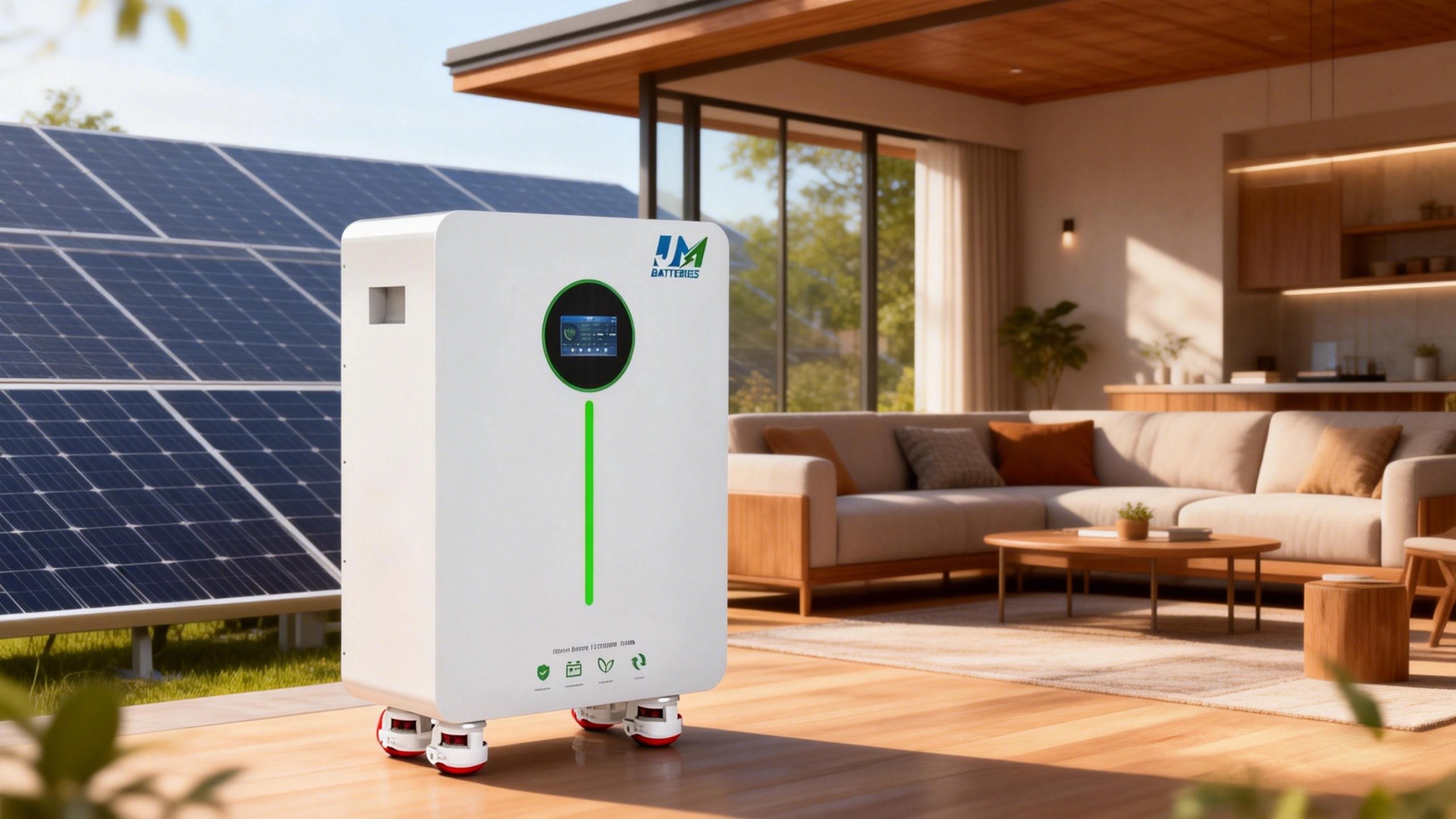
Learn how to connect rechargeable batteries in series for home energy storage. This guide explains series wiring, safety tips, and real U.S. home battery stories using JM’s 51.2V300Ah lithium battery park.
How Do You Connect Batteries In Series
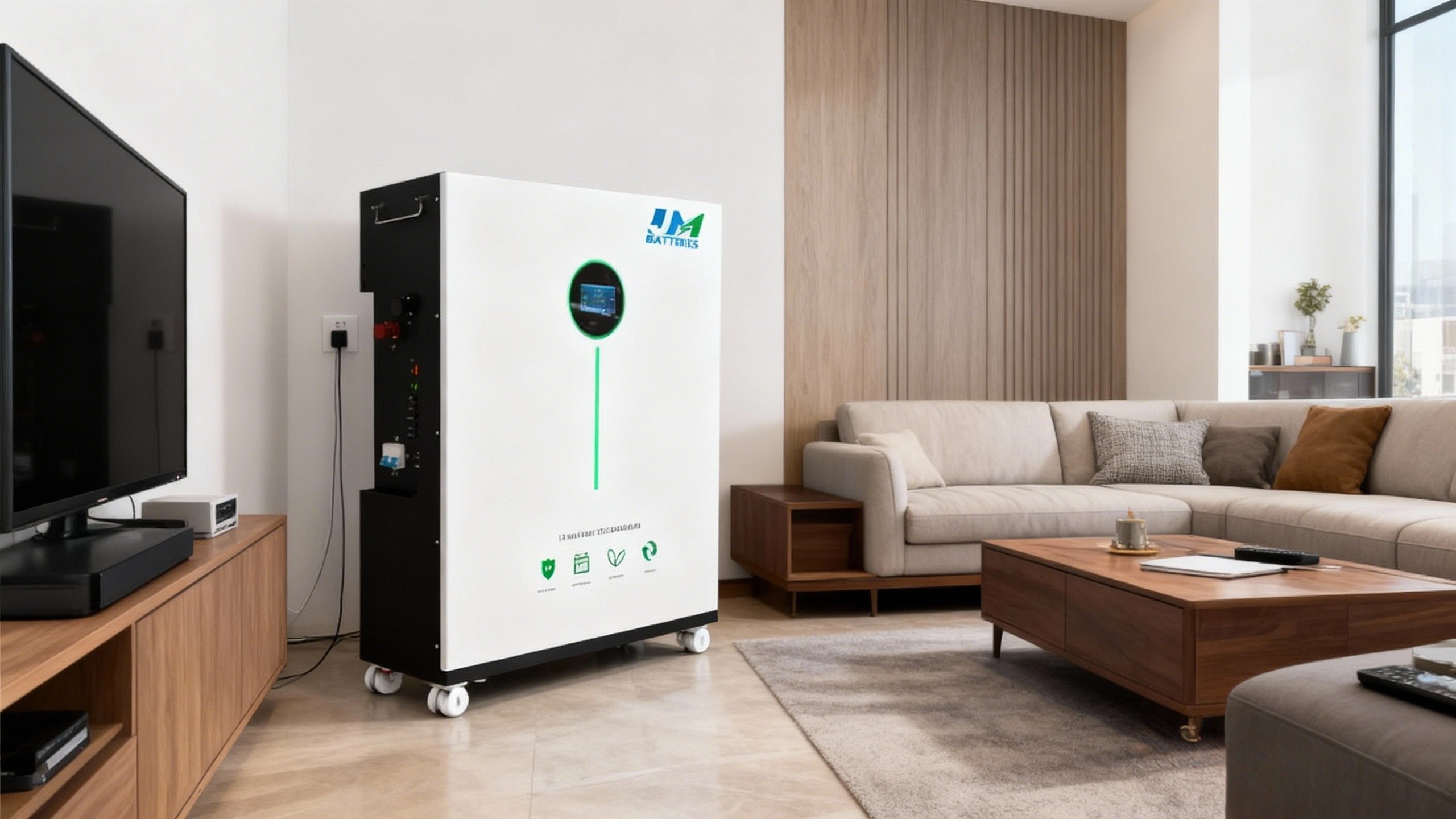
Discover what a mAh battery really means, how it impacts home solar performance, and why our 25.6V 200Ah 5kWh wall-mounted lithium battery from our 10-year Dongguan factory is a trusted choice for reliable home energy storage.
What Is Better A Lithium Battery Or High Capacity Battery

Learn what a battery charge is and why our 51.2V300Ah-15KWH LiFePO4 lithium battery is ideal for U.S. homes. This 48V lithium ion battery delivers safety, longevity, and savings—proven by real American families.
What Is A Battery Charge
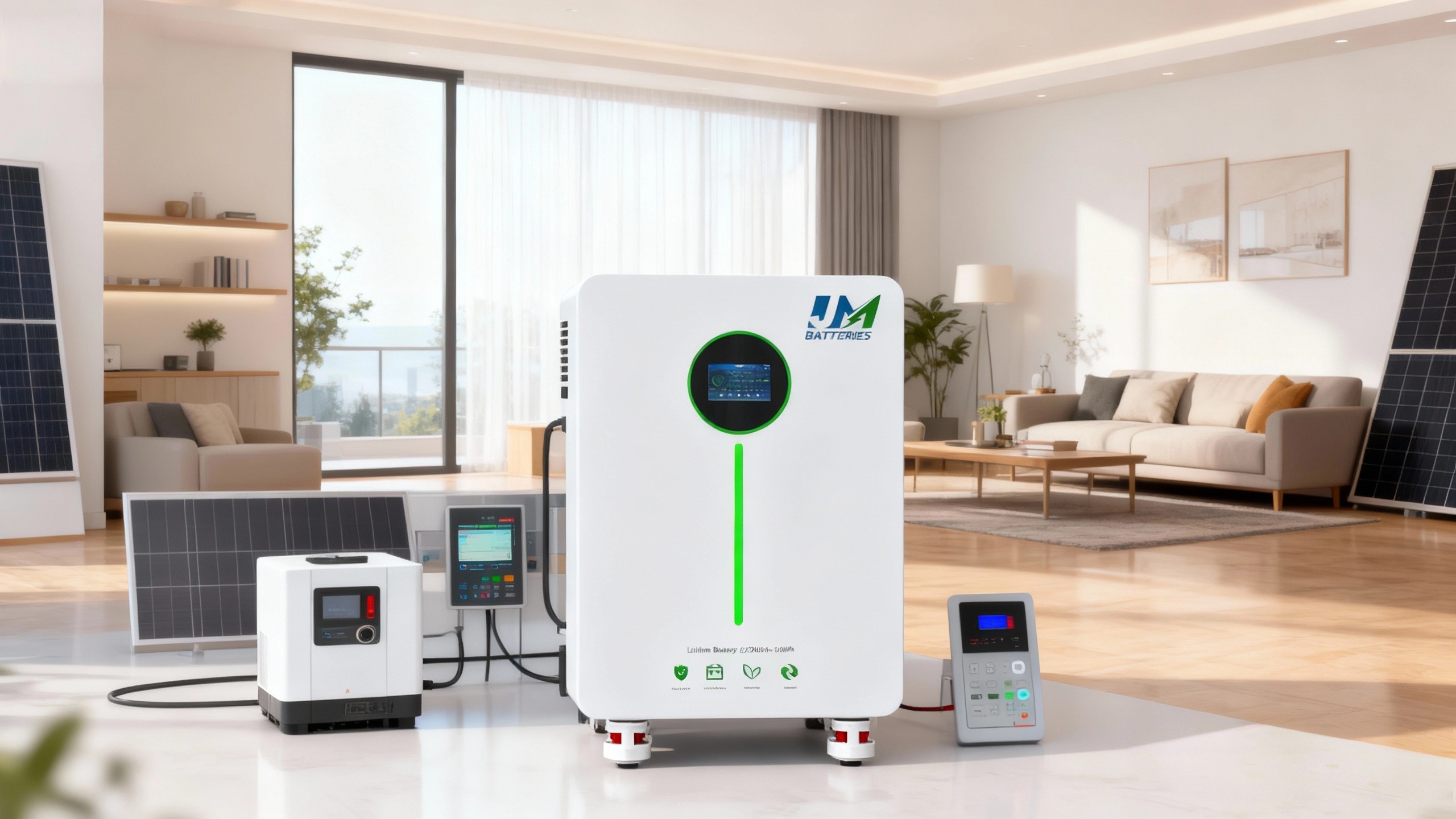
Learn if lithium batteries can catch fire when not in use, explore our reliable 51.2V300Ah-15KWH home battery backup (a great solar battery), and see real U.S. home cases. As a 10-year Chinese factory, we make quality AA batteries and energy solutions.
can lithium batteries catch fire when not in use