



How Long Do Lithium Batteries Last
author: JM ENERGY
2025-10-27
How Long Do Lithium Batteries Last? A Deep Dive Into JM Energy’s 51.2V Lifepo4 Home Battery System
Meta Description
Wondering how long do lithium batteries last? Explore JM Energy’s 51.2V Lifepo4 Battery for solar energy systems—offering 8000+ cycles, 10-year warranty, and ideal for home battery system. Learn from real U.S. home cases.
Introduction
In the era of sustainable energy, more American households are turning to solar energy systems to reduce reliance on the grid and cut electricity costs. A key component of any effective solar setup is the home battery system, which stores excess solar energy for use during power outages or peak demand hours. One of the most common questions homeowners ask is, “how long do lithium batteries last?” This is a critical consideration, as the lifespan of a lithium battery directly impacts the long-term value and efficiency of a home energy storage solution.
JM Energy, a leading lithium and sodium-ion battery factory based in Dongguan, China, with 10 years of manufacturing experience, has developed a game - changing product: the 51.2V300Ah - 15KWH Lifepo4 Battery for home energy storage systems. In this blog, we’ll answer the question “how long do lithium batteries last” in detail, explore the features of JM Energy’s Solar Energy System Lithium Battery, and share two real - life cases of U.S. families benefiting from this home battery system.
How Long Do Lithium Batteries Last? Key Factors That Matter
When it comes to the lifespan of lithium batteries, several factors come into play. The type of lithium battery, usage patterns, operating conditions, and maintenance all influence how long a battery will last.
First, the battery chemistry is crucial. Lithium - ion batteries are widely used, but within this category, Lifepo4 (Lithium Iron Phosphate) batteries stand out for their long lifespan. Unlike other lithium - ion variants, Lifepo4 batteries are more stable, have a lower risk of overheating, and can withstand more charge - discharge cycles. This is why JM Energy chose Lifepo4 chemistry for its 51.2V Lithium Battery—specifically designed for home battery system use.
So, how long do lithium batteries last on average? For standard lithium - ion batteries used in small devices, the lifespan is usually 2 - 3 years. But for large - capacity lithium batteries used in home energy storage, the lifespan is significantly longer. JM Energy’s 51.2V300Ah - 15KWH Lifepo4 Battery, for example, offers an impressive ≥8000 charge - discharge cycles. To put this into perspective, if a household uses the battery daily for typical energy needs (charging during the day with solar power and discharging at night), 8000 cycles would translate to more than 22 years of use. And to back this up, JM Energy provides a 10 - year warranty for this home battery system, giving homeowners peace of mind.
Other factors that affect the lifespan of a lithium battery include operating temperature. JM Energy’s 51.2V Lifepo4 Battery is designed to work in a temperature range of -20℃ to 60℃, making it suitable for various climates across the United States, from the cold winters of the Northeast to the hot summers of the Southwest. Proper maintenance, such as avoiding overcharging and deep discharging (though Lifepo4 batteries are more resilient to deep discharges), also helps extend the battery’s lifespan.

JM Energy’s 51.2V300Ah - 15KWH Lifepo4 Battery: Designed for Long - Lasting Home Energy Storage
As a Chinese Dongguan - based battery factory with 10 years of experience, JM Energy has a deep understanding of what homeowners need in a home battery system. The 51.2V300Ah - 15KWH Lifepo4 Battery is the result of years of research and development, combining durability, efficiency, and smart features.
Key Features of the 51.2V Lifepo4 Battery
- High Capacity and Energy: With a rated capacity of 300Ah and a battery energy of 15.36KWH, this battery can store enough energy to power a typical U.S. household for a full day (depending on energy usage). It’s perfect for pairing with solar energy systems, ensuring that excess solar power is not wasted.
- Smart BMS (Battery Management System): The battery is equipped with a JBD - 200A - 16S Smart BMS that monitors the battery’s voltage, current, temperature, and state of charge (SOC) in real - time. This not only protects the battery from overcharging, over - discharging, and short - circuits but also optimizes its performance, further extending its lifespan.
- Flexible Installation: The battery supports both wall - mounted and floor - mounted installation, making it easy to fit into different home spaces, whether it’s a garage, basement, or utility room. It’s also plug - and - play, so installation is quick and hassle - free.
- Smart Connectivity: Homeowners can stay in control of their home battery system with Bluetooth and WiFi support (customizable). Through a mobile app, they can check the battery’s SOC, energy usage, and performance anytime, anywhere.
- Compatibility with Leading Inverter Brands: The 51.2V Lifepo4 Battery is compatible with most well - known inverter brands, including DEYE, Growatt, PYLONTECH, SMA, MUST, VICTRON, and GOODWE. It also supports customization for other inverter brands, ensuring seamless integration with existing solar setups.
Why Choose a Lifepo4 Battery for Your Home Battery System?
Lifepo4 batteries are the ideal choice for home energy storage for several reasons. First, as mentioned earlier, they have a longer lifespan compared to other lithium - ion batteries. Second, they are safer. Lifepo4 chemistry is more stable, and the risk of thermal runaway (a common issue with other lithium - ion batteries) is extremely low. Third, they have a high discharge rate, meaning they can deliver power quickly when needed, such as during a power outage. Finally, Lifepo4 batteries are more environmentally friendly—they contain no toxic heavy metals and are recyclable, aligning with the sustainability goals of many homeowners.

Real - Life U.S. Home Cases: How JM Energy’s 51.2V Lifepo4 Battery Performs
To better understand how JM Energy’s 51.2V300Ah - 15KWH Lifepo4 Battery works in real - world scenarios and answer the question “how long do lithium batteries last” in practice, let’s take a look at two U.S. family cases.
Case 1: The Smith Family in Arizona
The Smiths live in Phoenix, Arizona, a state known for its abundant sunshine. They installed a 6kW solar energy system along with JM Energy’s 51.2V Lifepo4 home battery system in 2021. Before installing the battery, they relied heavily on the grid during peak hours (4 PM to 9 PM), when electricity rates are the highest.
Since installing the battery, the Smiths have been able to store excess solar energy generated during the day and use it during peak hours. They also use the battery as a backup power source during monsoon season, which often brings power outages. After 2 years of use, the battery’s capacity has only decreased by about 3%, and it still performs at 97% of its original efficiency. “We were worried about how long do lithium batteries last, but so far, this battery has exceeded our expectations,” said Mr. Smith. “With the 10 - year warranty, we don’t have to worry about replacing it anytime soon.”
Case 2: The Garcia Family in New York
The Garcias live in Buffalo, New York, where winters are cold and snowy. They installed a 8kW solar energy system and JM Energy’s 51.2V Lifepo4 home battery system in 2020. In Buffalo, winter days are short, so solar energy generation is lower, and heating costs are higher.
The Garcia family uses the battery to store solar energy during the day (even on cloudy days, the solar system generates some power) and use it to heat their home in the evening. They also use the battery to power essential appliances (fridge, heater, lights) during winter power outages, which are common due to heavy snowfall. After 3 years of use, the battery has gone through more than 1000 charge - discharge cycles, and its capacity is still at 95% of the original. “We thought the cold weather might affect the battery’s lifespan, but it’s held up really well,” said Mrs. Garcia. “Knowing that it has 8000 cycles, we know it will last for many more years.”
Conclusion
So, how long do lithium batteries last? For JM Energy’s 51.2V300Ah - 15KWH Lifepo4 Battery, the answer is more than 22 years of typical use (based on 8000 charge - discharge cycles) and a 10 - year warranty to guarantee its performance. As a Chinese Dongguan - based battery factory with 10 years of experience, JM Energy has created a home battery system that is reliable, efficient, and built to last.
Whether you live in a sunny state like Arizona or a cold state like New York, the 51.2V Lifepo4 Battery is designed to meet your home energy storage needs. Its compatibility with leading inverter brands, flexible installation options, and smart features make it a top choice for homeowners looking to switch to solar energy and reduce their carbon footprint.
If you’re considering installing a home battery system and want to know more about JM Energy’s 51.2V Lifepo4 Battery or other solar energy system lithium batteries, contact us today. We’re committed to providing high - quality, long - lasting battery solutions for households across the United States.

Do lithium batteries explode
When Should Your Forklift Battery Be Recharged
Related Article
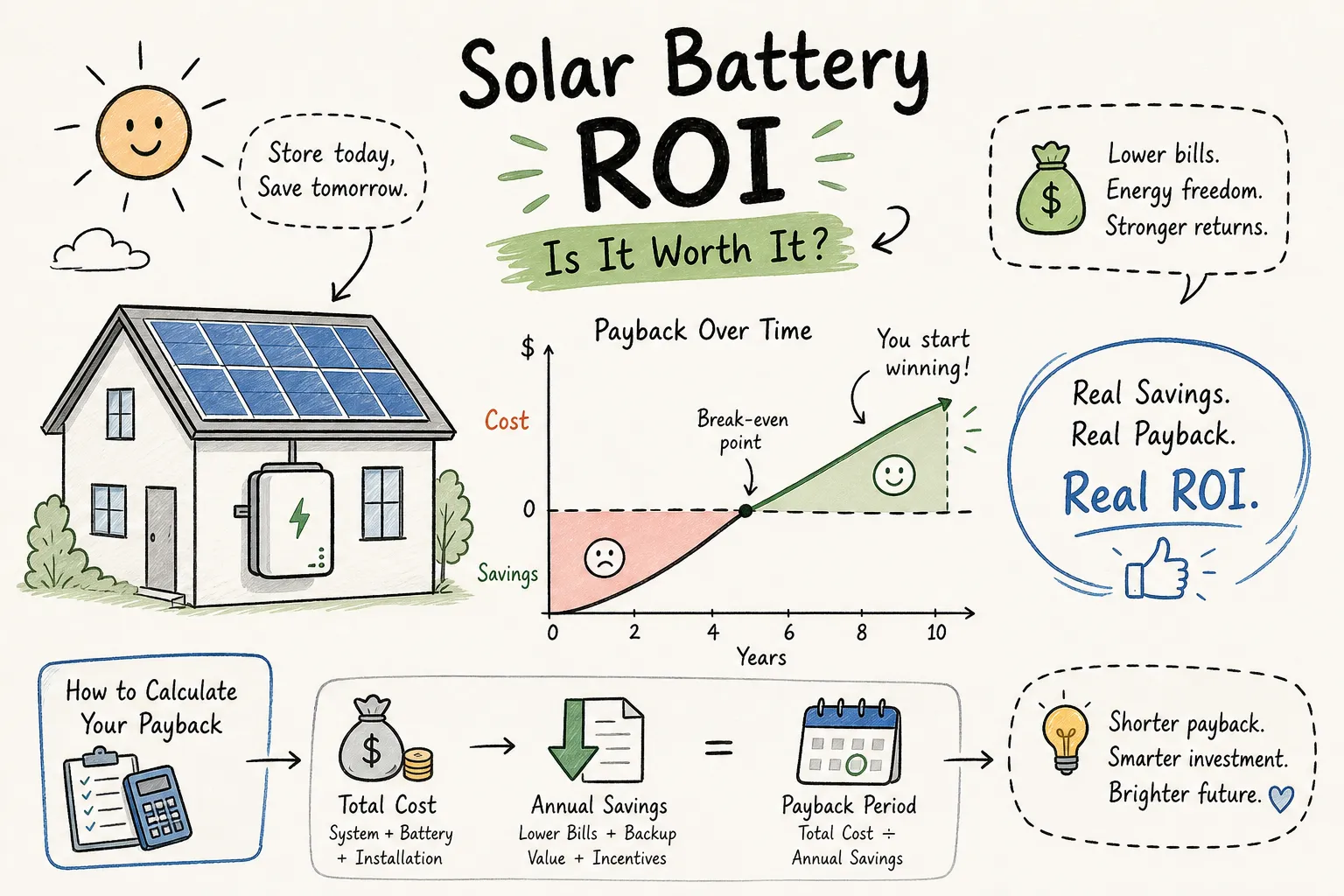
Calculate solar battery ROI with real 2026 costs, state rebates (SGIP, NYSERDA), LFP degradation, and NEM 3.0. Honest payback benchmarks for US homeowners.
Solar Battery ROI: How to Calculate Your Real Payback Period
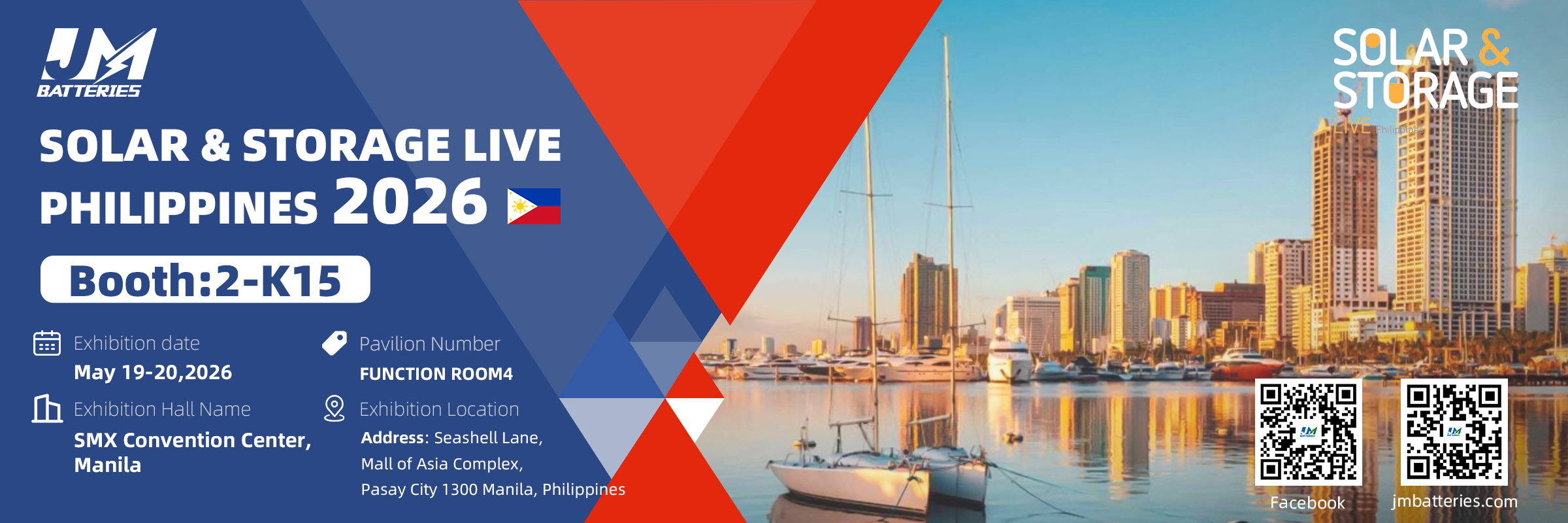
JM EnergyTech participated in Solar & Storage Live Philippines 2026 and officially entered the Philippine market. We provide reliable tropical-grade LiFePO4 home energy storage solutions for local households and businesses.
JM EnergyTech Debuts at Solar and Storage Live Philippines 2026

JM Energy Tech will attend the Indonesia Battery Show (Booth No.: [A2J4-03]), presenting our products and offering safe, efficient customized solutions to meet the needs of Indonesian households, businesses and project partners.
JM Energy Technology to Showcase Energy Storage Solutions at Indonesia Battery Exhibition
