



How Much Solar Battery Storage Do I Need
author: JM ENERGY
2025-11-03
How Much Solar Battery Storage Do I Need
Meta Description
How much solar battery storage do you need? This U.S.-focused guide helps homeowners compute usage, plan for outages (hurricanes, blizzards), and explore JM Energy’s efficient, long-lasting lithium-ion solution.
Summary
Picking the right solar battery storage isn’t just about checking a box—it’s how you get the most out of your solar investment. This guide breaks down the math for U.S. homeowners, shares real stories from neighbors across the country, and introduces JM Energy’s 25.6V100Ah (2.56 kWh) lithium-ion home battery system. For personalized details, head to JM Energy’s official website.

Why Solar Battery Storage Matters (For You)
Solar panels are popping up on roofs from California to Maine—and for good reason. But if you’re tired of scrambling for flashlights during power outages or watching unused solar energy feed back to the grid for pennies on the dollar, battery storage is your next move. The big question? How much storage do you actually need to keep your home running without wasting money on extra capacity you’ll never use.
At JM Energy, we specialize in lithium-ion batteries built for U.S. homes. Our 25.6V100Ah (2.56 kWh) system is designed to be reliable, efficient, and flexible—so you can start small and expand as your needs grow. Learn more about our technology at https://www.jmenergytech.com/.
Step 1: Calculate Your Daily Energy Use (It’s Easier Than You Think)
First, figure out how much electricity your household burns through in a day. Here’s how to do it like a pro:
- Grab your electric bill: Most bills list monthly usage in kilowatt-hours (kWh). Divide that number by 30 to get your average daily use.
Example: 900 kWh/month ÷ 30 = 30 kWh/day (that’s typical for a mid-sized U.S. home).
- Decide: Essential vs. full-home power?
- Essential use: Fridge, lights, phone chargers, and maybe a space heater (5–10 kWh/day—think “keeping the basics running”).
- Full-home use: Everything plus AC, electric heat, washing machines, and TVs (20–40 kWh/day—no compromises during outages).
- Account for battery efficiency: No battery is 100% perfect. Lithium-ion batteries like JM Energy’s hit ~90% efficiency, meaning some energy is lost when charging/discharging.
Example: If you need 10 kWh of usable power, you’ll need 10 ÷ 0.9 ≈ 11.1 kWh of storage (simple math to avoid surprises).
Step 2: Factor in Backup Duration & Solar Production
Next, ask yourself: How long might you lose power?
- 1-day backup: Great for quick outages (think thunderstorms or grid maintenance).
- 2–3 days: A must if you live in areas prone to hurricanes (Florida), blizzards (New England), or wildfires (California)—weather events that can knock out power for days.
Don’t forget your solar panels! If they’re generating power during the day, your battery only needs to cover nighttime use. That cuts down on how much storage you need.
Example: Let’s say you use 8 kWh/day for essentials, and your panels make 5 kWh/day. A 12 kWh battery gives you ~10.8 kWh of usable power. Subtract the 5 kWh from your panels, and you’ve got more than enough to get through the night—no grid needed.
Step 3: Choose a Battery That Works for U.S. Homes
JM Energy’s 25.6V100Ah (2.56 kWh) home battery system is built for the way Americans live—discover the full specs at https://www.jmenergytech.com/:
- Modular design: Stack extra units if you need more storage (start with 2–4 units, add more later as your family grows or energy needs change).
- Built to last: 8,000+ charge cycles (that’s over 20 years of typical use!) and a 10-year warranty—so you’re covered for the long haul.
- Smart & compatible: LCD screen to track usage, built-in BMS (battery management system) for safety, and works with most U.S. inverters (SMA, Enphase, SolarEdge—we’ve got you covered).
- Easy installation: Wall-mounted, plug-and-play, and compact enough for garages, basements, or utility rooms (no bulky equipment taking over your space).
We use high-grade LiFePO₄ cells, and the system meets U.S. safety standards (UN38.3, CE, MSDS certified)—so you can rest easy knowing it’s safe for your family. Explore our safety certifications and technical details at JM Energy’s website.

Real Stories from U.S. Homeowners
Case Study 1: The Martinez Family in Phoenix, AZ
- Household: 2 adults, 1 kid, 1,500 sq. ft. home (hot summers mean AC runs nonstop!)
- Daily use: 25 kWh (AC, fridge, lights, TV, phone chargers)
- Solar setup: 6 kW panels (makes ~24 kWh/day in summer, ~12 kWh/day in winter)
- Backup need: 1 day of full-home power (monsoon season outages are common here)
- Solution: 11 JM Energy batteries (11 × 2.56 = 28.16 kWh) for full backup. In summer, they only need 4 units (10.24 kWh) to cover nights—since panels generate so much during the day.
- Result: They cut grid reliance by 70%, saved $150+/month on electric bills, and never lost power during monsoon storms (no more melting ice cream or hot, dark nights!). See more customer success stories at //www.jmenergytech.com/.
Case Study 2: Bob & Linda in Minneapolis, MN
- Household: Retired couple, 2,000 sq. ft. home (cold winters = essential heat and fridges)
- Daily use: 18 kWh (essentials only—fridge, space heater, lights, medical devices)
- Solar setup: 5 kW panels (makes ~10 kWh/day in winter, when days are short)
- Backup need: 3 days of essential power (blizzards can knock out power for 72+ hours here)
- Solution: 12 JM Energy batteries (30.72 kWh total). The BMS works even in sub-zero temps (-10°F!), so the battery doesn’t freeze up.
- Result: Their fridge stayed cold, space heater ran, and medical devices worked during blizzards. They avoided renting a generator ($50+/day!) and cut winter electric bills by 40%. Read more about our cold-weather performance at JM Energy’s official site.

Mistakes U.S. Homeowners Often Make (And How to Avoid Them)
- Underestimating backup needs: Don’t just plan for 1 day—if you’re in a storm-prone state, 2–3 days will save you stress (and money on generators).
- Choosing lead-acid over lithium-ion: Lead-acid batteries are cheaper upfront, but they only have ~70% efficiency and die after 500–1,000 cycles (3–5 years). Lithium-ion (90% efficiency, 8,000+ cycles) is a better long-term bet.
- Not checking inverter compatibility: Some batteries only work with specific inverters—ask JM Energy’s support team to confirm yours works before buying (reach out via //www.jmenergytech.com/).
- Ignoring warranty & cycle life: A 10-year warranty beats a 5-year one, and more cycles mean the battery lasts longer (no replacing it every decade!).
Why JM Energy Stands Out for U.S. Homes
- Quality you can trust: Grade A LiFePO₄ cells—no cheap components that fail in extreme heat or cold.
- Flexible for any home: Whether you’re in a tiny apartment in NYC or a ranch in Texas, our modular system fits your space.
- U.S.-focused support: Our team knows U.S. electrical systems and weather challenges—we’ll help you size your system right and troubleshoot if you need it.
- Fair pricing: You get top-tier performance without the luxury price tag (we cut out middlemen to keep costs down).
Compare our products, request a quote, or get personalized sizing help at //www.jmenergytech.com/.
Final Thought
How much solar battery storage do you need? It all comes down to your daily use, how long you want backup power, and how much your solar panels generate. With JM Energy’s 25.6V100Ah system, you can build a setup that’s perfect for your home—whether you’re in sunny Arizona, snowy Minnesota, or anywhere in between.
No more guessing, no more wasted money, and no more sitting in the dark during outages. That’s the power of choosing the right storage.
For personalized help sizing your system, explore our resources or contact our team today at JM Energy’s website.
How Many Watts To Power A Home
How Long Do Solar Batteries Last
Related Article
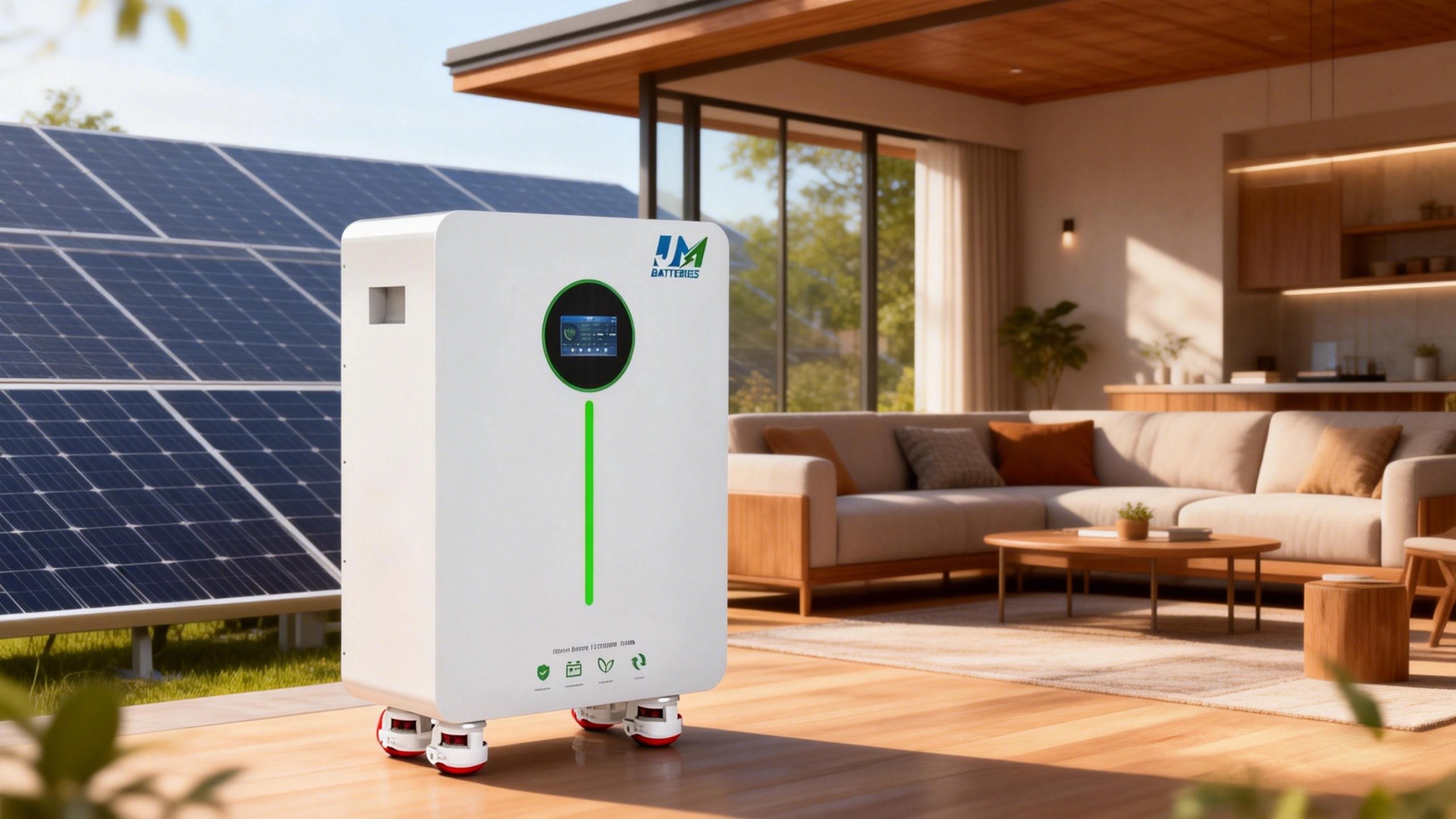
Learn how to connect rechargeable batteries in series for home energy storage. This guide explains series wiring, safety tips, and real U.S. home battery stories using JM’s 51.2V300Ah lithium battery park.
How Do You Connect Batteries In Series
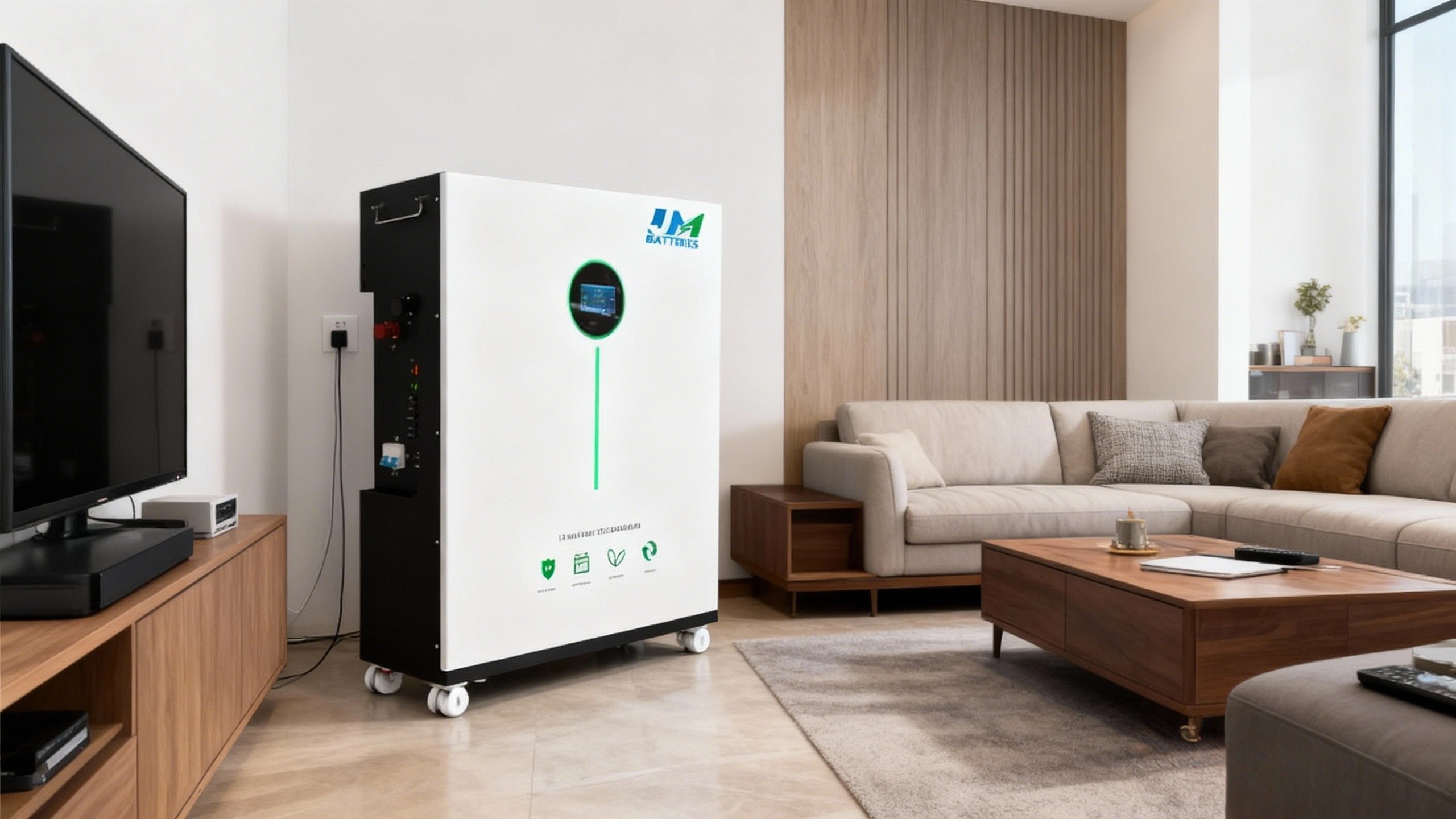
Discover what a mAh battery really means, how it impacts home solar performance, and why our 25.6V 200Ah 5kWh wall-mounted lithium battery from our 10-year Dongguan factory is a trusted choice for reliable home energy storage.
What Is Better A Lithium Battery Or High Capacity Battery

Learn what a battery charge is and why our 51.2V300Ah-15KWH LiFePO4 lithium battery is ideal for U.S. homes. This 48V lithium ion battery delivers safety, longevity, and savings—proven by real American families.
What Is A Battery Charge
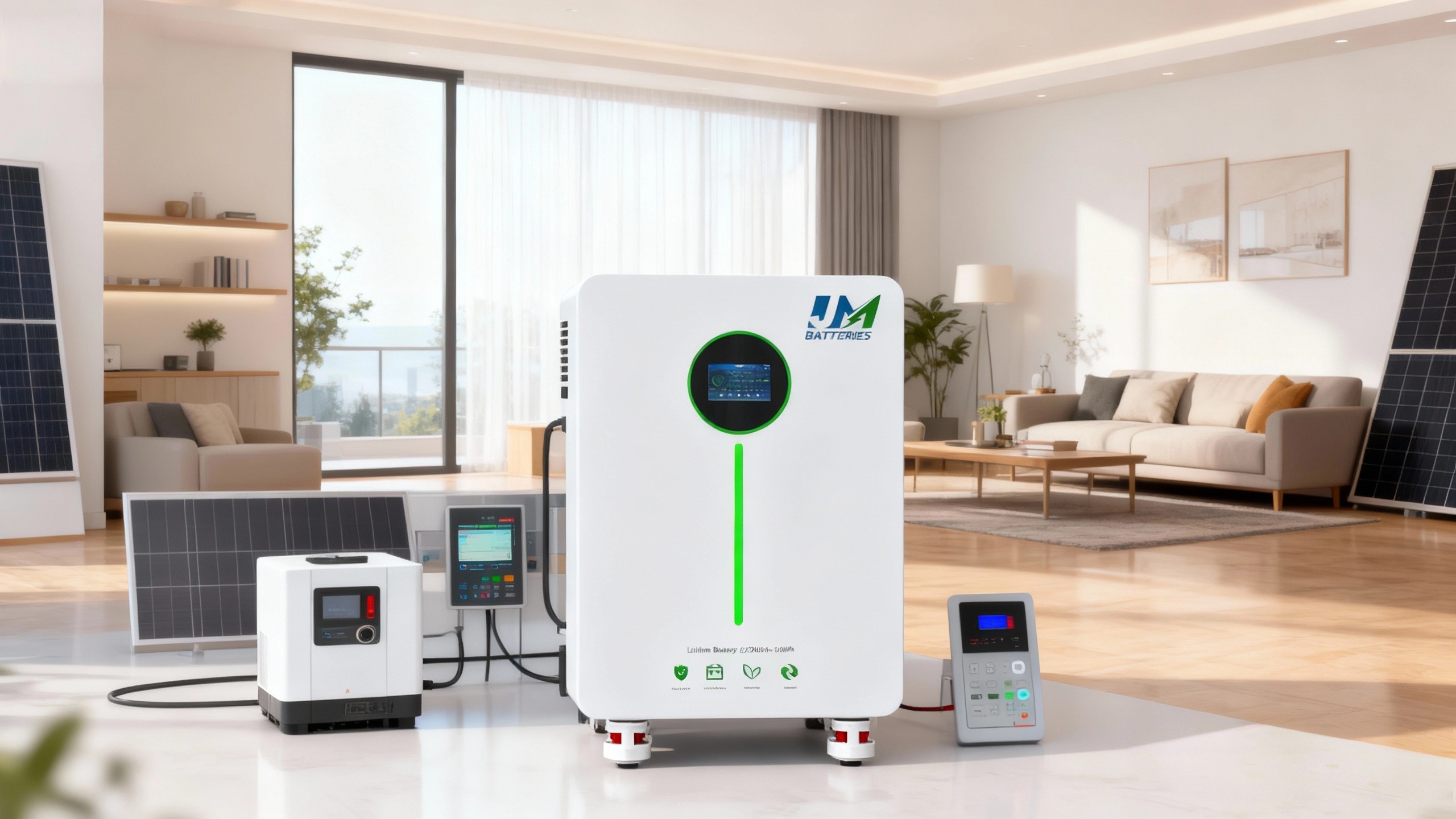
Learn if lithium batteries can catch fire when not in use, explore our reliable 51.2V300Ah-15KWH home battery backup (a great solar battery), and see real U.S. home cases. As a 10-year Chinese factory, we make quality AA batteries and energy solutions.
can lithium batteries catch fire when not in use