



How To Automate Home Energy Storage For Maximum Savings
author: JM ENERGY
2025-10-27
How to Automate Home Energy Storage for Maximum Savings: A Complete Guide with the Right Home Battery System
Meta Description
Discover how to automate home energy storage for maximum savings with the perfect home battery system. Learn from real U.S. family cases, and explore the reliable 51.2V300Ah-15KWH LiFePO4 lithium battery from our 10-year-experienced Dongguan, China factory—ideal for your Home Energy Storage System.
Article Summary
In this blog, we’ll walk you through the step-by-step process of automating your home energy storage to cut electricity costs significantly. We’ll highlight the key role of a high-quality home battery system, showcase our new 51.2V300Ah-15KWH LiFePO4 lithium battery (designed by our 10-year Dongguan, China lithium/sodium-ion battery factory), and share two real-world cases of U.S. families that saved big with automated setups. Whether you’re new to solar energy or looking to upgrade your existing Home Energy Storage System, you’ll find practical tips to leverage aa lithium batteries and smart tech for maximum savings.
Introduction
As electricity prices continue to rise across the U.S., more homeowners are turning to solar energy and home energy storage to take control of their bills. But simply installing a solar panel system and a home battery system isn’t enough—automation is the key to unlocking maximum savings. By automating how your home stores, uses, and manages energy, you can reduce reliance on the grid, avoid peak-hour rate hikes, and make the most of every kilowatt-hour (kWh) of solar power you generate.
At our factory in Dongguan, China, we’ve spent 10 years perfecting lithium and sodium-ion battery technology. Our latest innovation, the 51.2V300Ah-15KWH LiFePO4 lithium battery, is built specifically for Home Energy Storage Systems. It combines the reliability of aa lithium batteries with smart features that make automation seamless—think 8000+ cycles, WiFi/Bluetooth connectivity, and compatibility with top inverter brands like DEYE and Growatt. In this guide, we’ll show you exactly how to automate your home energy storage using a battery like this, plus share two U.S. family stories that prove it works.

Step 1: Choose a Smart Home Battery System Built for Automation
The foundation of any automated home energy storage setup is a high-quality home battery system that supports smart connectivity and integration. Not all batteries are created equal—you need one that’s durable, efficient, and designed to work with the tools that power automation (like apps, smart thermostats, and solar inverters).
Our JM-51.2V300Ah-15KWH LiFePO4 lithium battery checks all these boxes. Here’s why it’s perfect for automation:
- Smart Connectivity: Supports WiFi and Bluetooth, so you can monitor and control your battery from your phone. Check your state of charge (SOC), track energy usage, and adjust settings in real time—no more guessing how much power you have left.
- Compatibility with Top Inverters: Works with leading brands like DEYE, Growatt, SMA, and Victron. This means it can seamlessly integrate with your existing solar inverter or a new one, making it easy to sync your solar generation with battery storage.
- Long Lifespan: With 8000+ cycles, it lasts for decades (we back it with a 10-year warranty). This long life means you won’t have to replace your battery anytime soon, keeping your automation setup running smoothly for years.
- Flexible Installation: Can be wall-mounted or floor-mounted, so it fits in any home—whether you have a small garage or a large basement. It’s also plug-and-play, so installation is quick and hassle-free.
Why does this matter for automation? A smart, compatible battery lets you set rules (like “charge the battery only when solar production is high” or “use battery power during peak hours”) and lets your home energy system run on autopilot.
Step 2: Sync Your Home Battery System with Solar Inverters and Smart Meters
Once you have the right home battery system, the next step is to connect it to your solar inverter and a smart meter. This is where the “automation” magic happens—these devices work together to track how much solar energy you’re generating, how much electricity your home is using, and when to store or release power from your battery.
Here’s how it works:
- Solar Inverter: Converts the DC power from your solar panels into AC power that your home can use. When paired with our 51.2V300Ah battery, the inverter automatically sends excess solar power to the battery for storage (instead of sending it back to the grid, where you might get only a small credit).
- Smart Meter: Monitors your home’s real-time energy usage and the grid’s electricity rates. Many U.S. utilities use time-of-use (TOU) rates, where electricity is more expensive during peak hours (like 4 PM to 9 PM). A smart meter can detect these peak times and trigger your battery to discharge power during those hours, so you don’t have to buy expensive grid electricity.
For example, if your solar panels generate 5 kWh of power at noon (when usage is low), your inverter will send 2 kWh to power your home and 3 kWh to your battery. Then, at 7 PM (when grid rates are high), your smart meter will tell your battery to release that 3 kWh—saving you money on every kWh you don’t buy from the utility.
Our battery uses a JBD-200A-16S BMS (Battery Management System) that ensures safe and efficient charging/discharging. The BMS works with your inverter and smart meter to prevent overcharging, overheating, and deep discharge—protecting your battery while keeping your automation on track.
Step 3: Use Smart Apps to Set Automation Rules
The easiest way to control your automated home energy storage is through a smart app. Most modern home battery systems (including our 51.2V300Ah model) come with a companion app that lets you set custom rules based on your needs and utility rates.
Here are some key automation rules to set for maximum savings:
- Charge During Solar Peak: Set your battery to charge only when your solar panels are generating the most power (usually 10 AM to 3 PM). This ensures you’re using free solar energy to fill your battery, not grid power.
- Discharge During Grid Peak: Program your battery to discharge during TOU peak hours (check your utility bill for these times). For example, if peak rates are 4 PM to 9 PM, set your battery to release power during this window to avoid high costs.
- Backup Power Mode: If your area has frequent power outages, set your battery to switch to backup mode automatically when the grid goes down. This keeps essential appliances (like your fridge, lights, and HVAC) running without any manual effort.
- Low SOC Alert: Set an alert to notify you when your battery’s SOC drops below 25%. This helps you avoid deep discharge (which can shorten battery life) and lets you adjust your usage if needed.
Our app also lets you track your savings over time. You can see how much electricity you’ve used from the grid vs. your battery, and calculate your monthly savings. For many homeowners, this transparency helps them fine-tune their automation rules to save even more.
Step 4: Integrate with Smart Home Devices for Even More Efficiency
To take your automation to the next level, integrate your home battery system with other smart home devices—like smart thermostats, smart lights, and smart appliances. This lets you coordinate your energy usage across your entire home, so you’re not just storing energy efficiently—you’re using it efficiently too.
For example:
- Smart Thermostat: Program your thermostat to lower the temperature (in winter) or raise it (in summer) during peak hours. This reduces your home’s energy demand, so your battery’s power lasts longer. You can sync it with your battery app to adjust based on your SOC—if your battery is low, the thermostat can automatically adjust to save power.
- Smart Lights/Appliances: Set your lights and appliances to turn off when you’re not home, or to run only when your battery is fully charged. For example, run your dishwasher or washing machine during solar peak hours (when your battery is charging) instead of peak grid hours.
This integration turns your home into a “smart energy ecosystem” where every device works together to minimize grid usage and maximize savings. Our 51.2V300Ah battery supports CAN/RS485/RS232 communication modes, making it easy to connect with most smart home systems.

Real U.S. Family Cases: How Automation Saved Them Money
Let’s look at two real examples of U.S. families that used our 51.2V300Ah home battery system and automation to cut their electricity bills.
Case 1: The Smith Family (Phoenix, Arizona)
The Smiths live in Phoenix, where summer temperatures often exceed 100°F, and TOU rates are high (up to $0.40/kWh during peak hours). They installed a 6kW solar panel system and our 51.2V300Ah-15KWH LiFePO4 battery.
They set up the following automation rules:
- Charge the battery from 10 AM to 3 PM (solar peak hours).
- Discharge the battery from 3 PM to 9 PM (grid peak hours) to power their AC, fridge, and lights.
- Use the app to lower their smart thermostat by 2°F during peak hours to reduce energy use.
Results: Before automation, their monthly electricity bill was 250–300. After installing the battery and setting up automation, their bill dropped to 50–70. Over a year, they saved over $2,500. They also love that their battery automatically switches to backup mode during monsoon season power outages.
Case 2: The Garcia Family (Austin, Texas)
The Garcias have a 4-bedroom home in Austin, with two kids and a home office. They needed a reliable home energy storage system to power their office (laptops, printers) and keep their kids’ rooms cool during summer. They chose our 51.2V300Ah battery because of its 10-year warranty and compatibility with their Growatt inverter.
Their automation setup:
- The battery charges from solar panels during the day (8 AM to 4 PM) and from the grid only when rates are low (midnight to 6 AM, $0.12/kWh).
- During work hours (9 AM to 5 PM), the battery powers their home office to avoid using grid power.
- On weekends, the battery discharges to power their pool pump and outdoor lights (which use a lot of energy) during peak hours.
Results: Their monthly bill went from 180to45. They also noticed that their battery’s SOC stays above 50% most of the time, thanks to smart charging rules. “We don’t have to think about our energy usage anymore,” Mrs. Garcia said. “The system just works, and we save money every month.”
Why Choose Our 51.2V300Ah-15KWH LiFePO4 Lithium Battery for Your Home Battery System?
As a 10-year-experienced lithium/sodium-ion battery factory in Dongguan, China, we understand what homeowners need from a home battery system: reliability, efficiency, and ease of use. Our 51.2V300Ah-15KWH LiFePO4 lithium battery is designed to meet all these needs—and more.
Here’s what sets it apart:
- High Capacity: 15.36kWh of energy storage—enough to power a typical U.S. home for 1–2 days (depending on usage).
- Safe and Green: Uses LiFePO4 chemistry, which is non-toxic, fire-resistant, and recyclable. It’s a green alternative to traditional lead-acid batteries.
- Customizable: Supports OEM/ODM, so we can tailor it to your specific needs (like adding extra ports or adjusting the size). We also have a low MOQ, so even small orders are welcome.
- Smart Display: Features a touch or push-button LCD display that shows real-time data (voltage, current, SOC, power usage) —no app needed if you prefer to check it in person.
Whether you’re building a new Home Energy Storage System or upgrading an old one, our battery is the perfect choice for automation. It works with the tools you already use (smart meters, inverters, apps) and is backed by our 10-year warranty—so you can trust it to save you money for years to come.
Conclusion
Automating your home energy storage is the best way to maximize savings on your electricity bill. By choosing the right home battery system (like our 51.2V300Ah-15KWH LiFePO4 lithium battery), syncing it with your solar inverter and smart meter, setting up automation rules via app, and integrating with smart home devices, you can reduce your grid reliance and keep more money in your pocket.
The Smith and Garcia families are just two examples of how this works. With the right setup, you can achieve similar savings—whether you live in a hot climate like Phoenix or a busy household like the Garcias.
As a Dongguan, China factory with 10 years of experience, we’re committed to providing high-quality, affordable batteries for Home Energy Storage Systems. Our 51.2V300Ah-15KWH LiFePO4 lithium battery is the result of years of research and development—and we’re proud to offer it to homeowners across the U.S.
Ready to start automating your home energy storage? Contact us today to learn more about our battery and how it can help you save money.

How To Store Solar Energy
How Does Home Battery Storage Work
Related Article
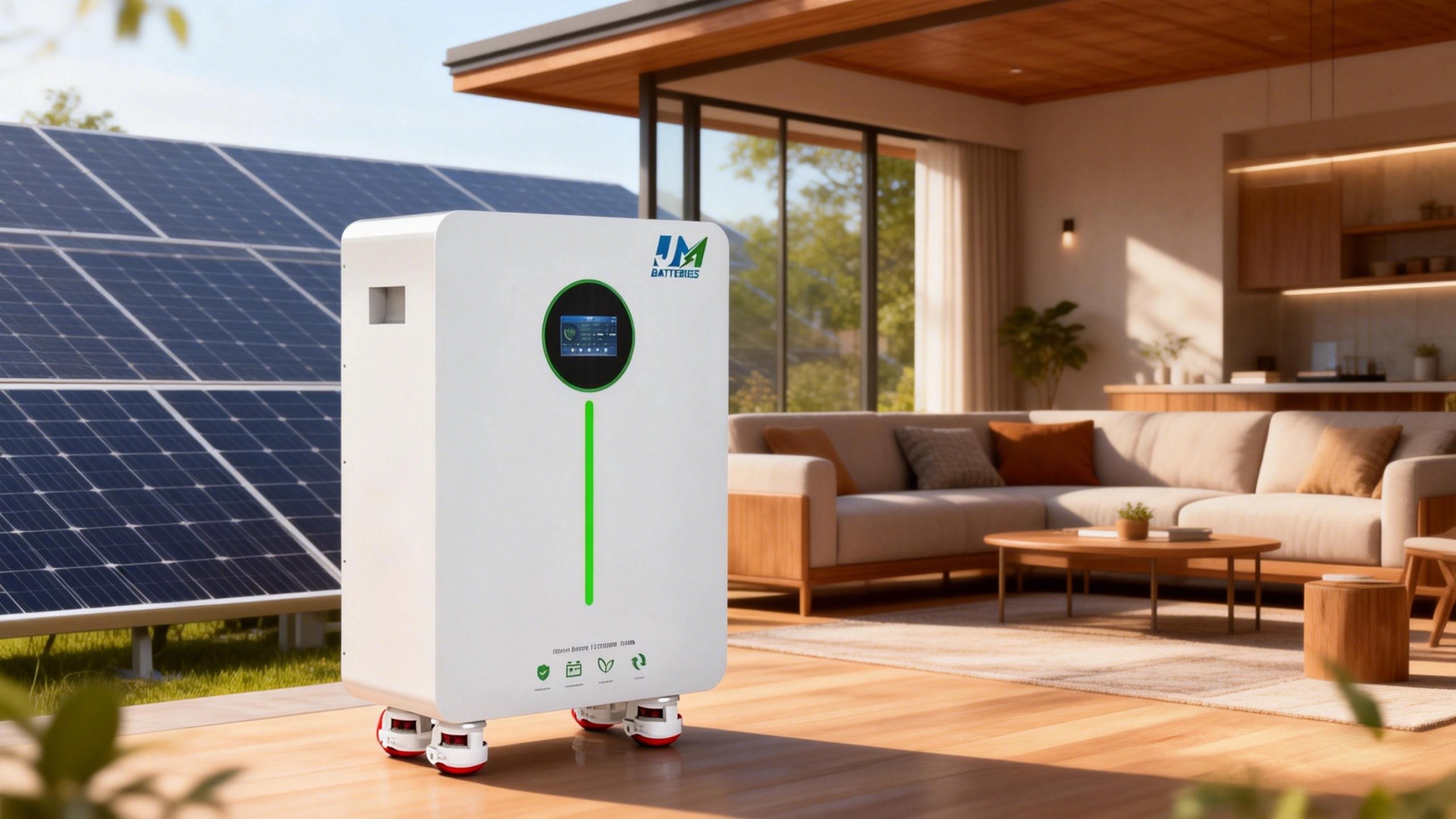
Learn how to connect rechargeable batteries in series for home energy storage. This guide explains series wiring, safety tips, and real U.S. home battery stories using JM’s 51.2V300Ah lithium battery park.
How Do You Connect Batteries In Series
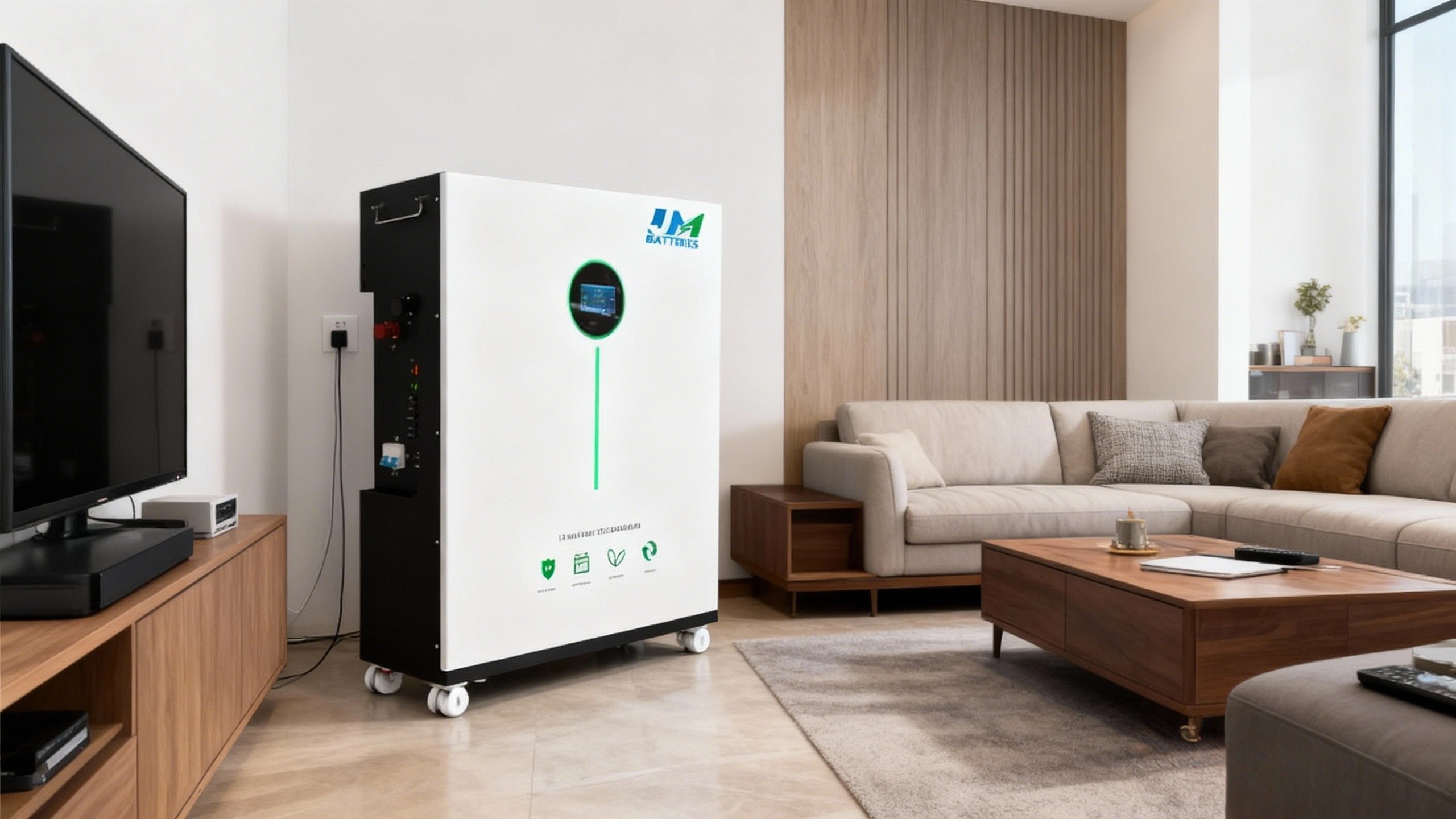
Discover what a mAh battery really means, how it impacts home solar performance, and why our 25.6V 200Ah 5kWh wall-mounted lithium battery from our 10-year Dongguan factory is a trusted choice for reliable home energy storage.
What Is Better A Lithium Battery Or High Capacity Battery

Learn what a battery charge is and why our 51.2V300Ah-15KWH LiFePO4 lithium battery is ideal for U.S. homes. This 48V lithium ion battery delivers safety, longevity, and savings—proven by real American families.
What Is A Battery Charge
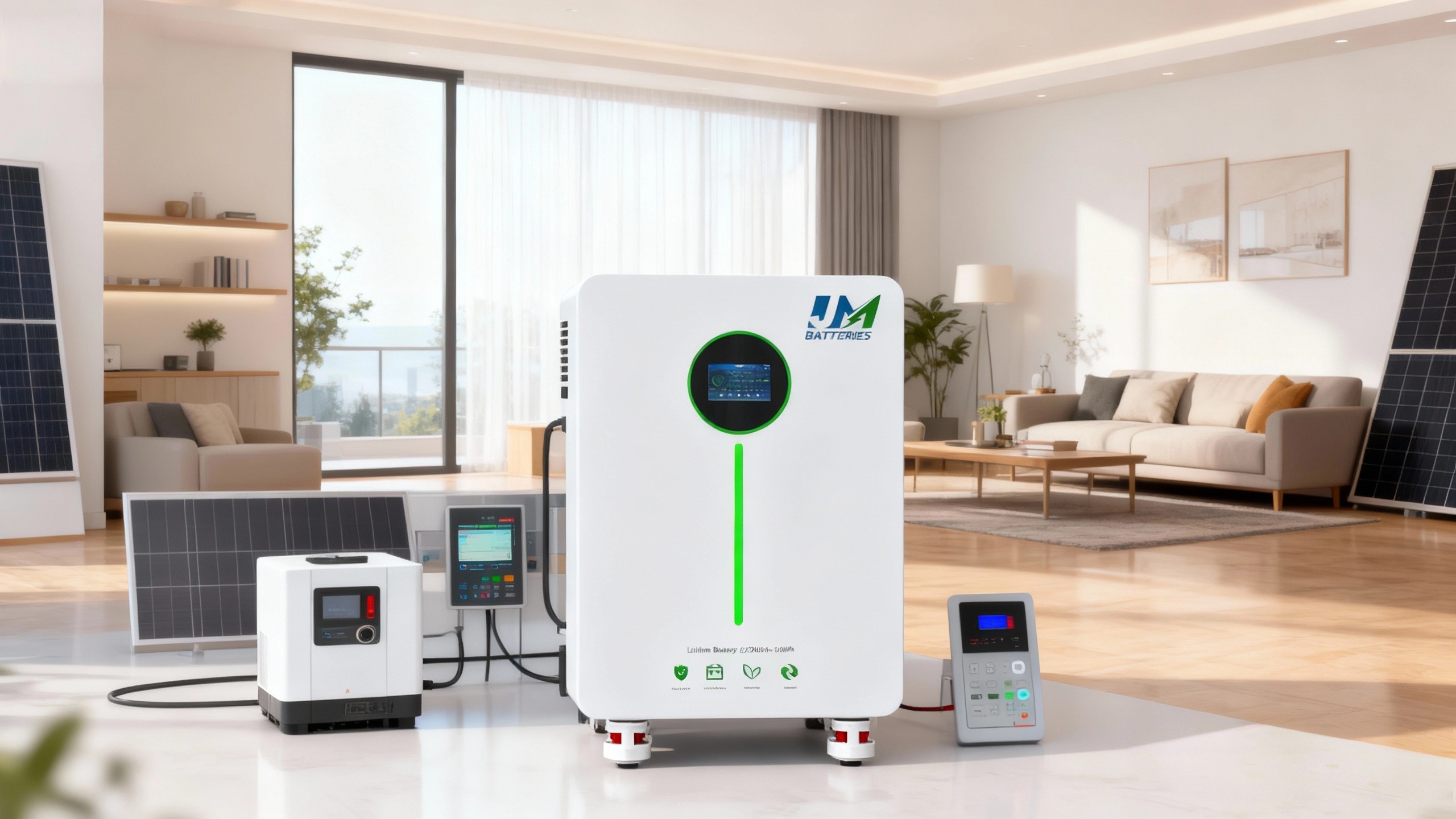
Learn if lithium batteries can catch fire when not in use, explore our reliable 51.2V300Ah-15KWH home battery backup (a great solar battery), and see real U.S. home cases. As a 10-year Chinese factory, we make quality AA batteries and energy solutions.
can lithium batteries catch fire when not in use