



How To Charge A Car Battery At Home
author: JM ENERGY
2025-10-22
How to charge a car battery at home?
Meta Description
Learn how to charge a car battery at home safely & efficiently. Discover how lithium wall-mounted home energy storage systems cut costs—with real U.S. family success stories and our 48V200Ah compact solution.
Article Summary
Charging an electric vehicle (EV) at home no longer means relying solely on the grid. This guide details step-by-step methods to charge a car battery at home, highlighting how integrating compact wall-mounted lithium home energy storage systems enhances cost-saving and reliability. Backed by 10 years of manufacturing expertise from our Dongguan factory, the new 48V200Ah Batteries Lithium solution solves space and efficiency pain points. Two U.S. family case studies prove its value in peak shaving, backup power, and solar synergy.

How to Charge a Car Battery at Home: A Step-by-Step Guide
1. Prepare Your Charging Infrastructure
Start with a compatible setup:
- EV Charger: Choose a Level 2 charger (240V) for faster charging than standard 120V outlets.
- Home Energy Storage Integration: Pair with our Compact Wall-Mounted Battery (48V200Ah) to store solar energy or grid power during off-peak hours. Its CAN communication ensures seamless sync with chargers .
- Safety Checks: Ensure the circuit meets amperage requirements (typically 40-50A) and install GFCI protection. Our lithium batteries include smart BMS to prevent overcharging .
2. Optimize Charging with Solar & Storage
Maximize savings by leveraging renewable energy:
- Solar Synergy: Connect the wall-mounted system to rooftop panels. Store excess daytime solar power to charge your EV at night, avoiding grid peak rates (up to $0.40/kWh in California) .
- Load Shifting: Use the battery to charge your EV during grid 低谷期 (e.g., 12 AM–6 AM) when rates drop to $0.15/kWh, then power your home with stored energy during peaks .
- Smart Scheduling: Use the battery’s app to set charging times—align with solar production or low tariffs automatically.
3. Daily Charging Routine
- Plug your EV into the Level 2 charger connected to the storage system.
- The Compact Wall-Mounted Battery prioritizes solar/stored energy first; grid power kicks in only if reserves run low.
- For long trips, enable “boost mode” to combine battery and grid power for faster charging (our 48V200Ah model supports continuous 5kW output ).

Why Our Wall-Mounted Energy Storage Systems Stand Out
As a Dongguan-based factory with a decade of experience, our 48V200Ah lithium battery addresses U.S. homeowners’ key needs:
- Space Efficiency: Wall-mounted design saves garage floor space—critical for urban homes .
- Reliability: UL 9540A-certified for thermal runaway prevention, it operates safely in extreme temperatures (-20°C to 50°C) .
- Scalability: Parallel up to 4 units for 800Ah total capacity, growing with your energy needs .
- Cost Savings: Reduces EV charging costs by 30–40% via peak shaving (based on U.S. average tariffs ).
U.S. Family Success Stories
Case 1: Houston Homeowners Beat Blackouts & High Bills
The Martinez family in Houston faced frequent 3–5 day power outages due to extreme weather . They installed our 48V200Ah Compact Wall-Mounted Battery paired with 6kW solar panels.
- Results: During a 2024 winter storm, the battery charged their Tesla Model 3 (200-mile range) and powered critical appliances for 4 days.
- Savings: Cut monthly EV charging/utility bills from 210to 135 by using stored solar energy instead of peak grid power.
Case 2: San Francisco Household Optimizes Medical & EV Needs
A family in San Francisco with a 4,500 sq. ft. home needed reliable power for medical devices and their Chevy Bolt . Our wall-mounted system integrated with their existing OutBack inverter.
- Results: The battery prioritizes medical equipment during outages and charges the Bolt exclusively with solar energy (90% self-consumption rate).
- ROI: Projected 7-year payback via energy savings and California’s CEC rebate (eligible due to our UL 1973 certification ).
Final Tips for Home EV Charging
- Maintain Battery Health: Avoid frequent full charges—use the storage system’s smart app to cap charging at 80% for daily use.
- Grid Integration: Participate in V2G programs (e.g., California’s incentives) to sell excess battery power back to the grid .
- Professional Installation: Our U.S.-based partners ensure compliance with local codes (e.g., NEC 625 for EV chargers).
Ready to transform your home into an energy-efficient EV charging hub? Our 48V200Ah Wall-Mounted Energy Storage System delivers the reliability and savings U.S. homeowners demand.

What Is A Powerwall Battery
Does Solid State Battery Use Lithium
Related Article
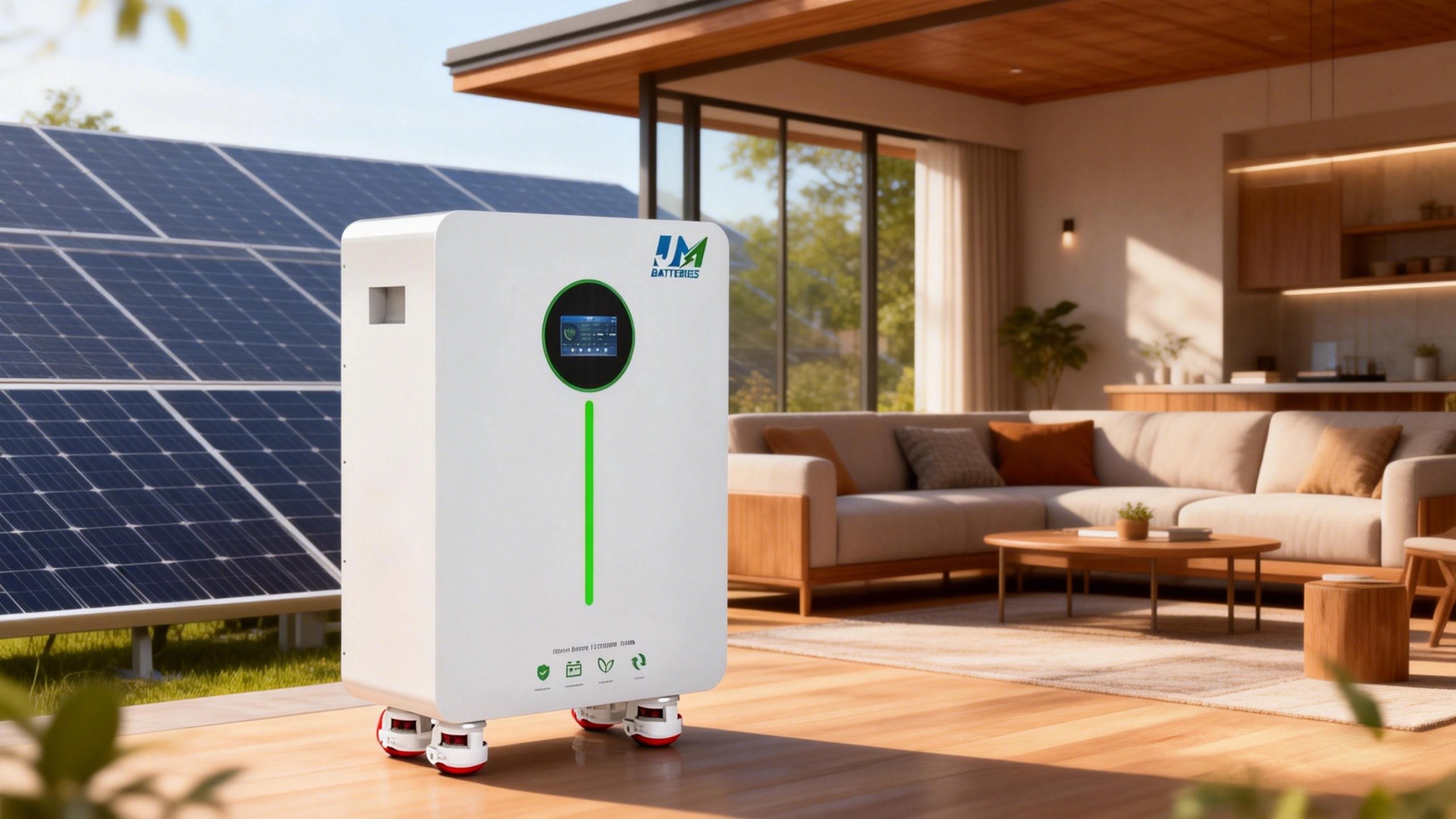
Learn how to connect rechargeable batteries in series for home energy storage. This guide explains series wiring, safety tips, and real U.S. home battery stories using JM’s 51.2V300Ah lithium battery park.
How Do You Connect Batteries In Series
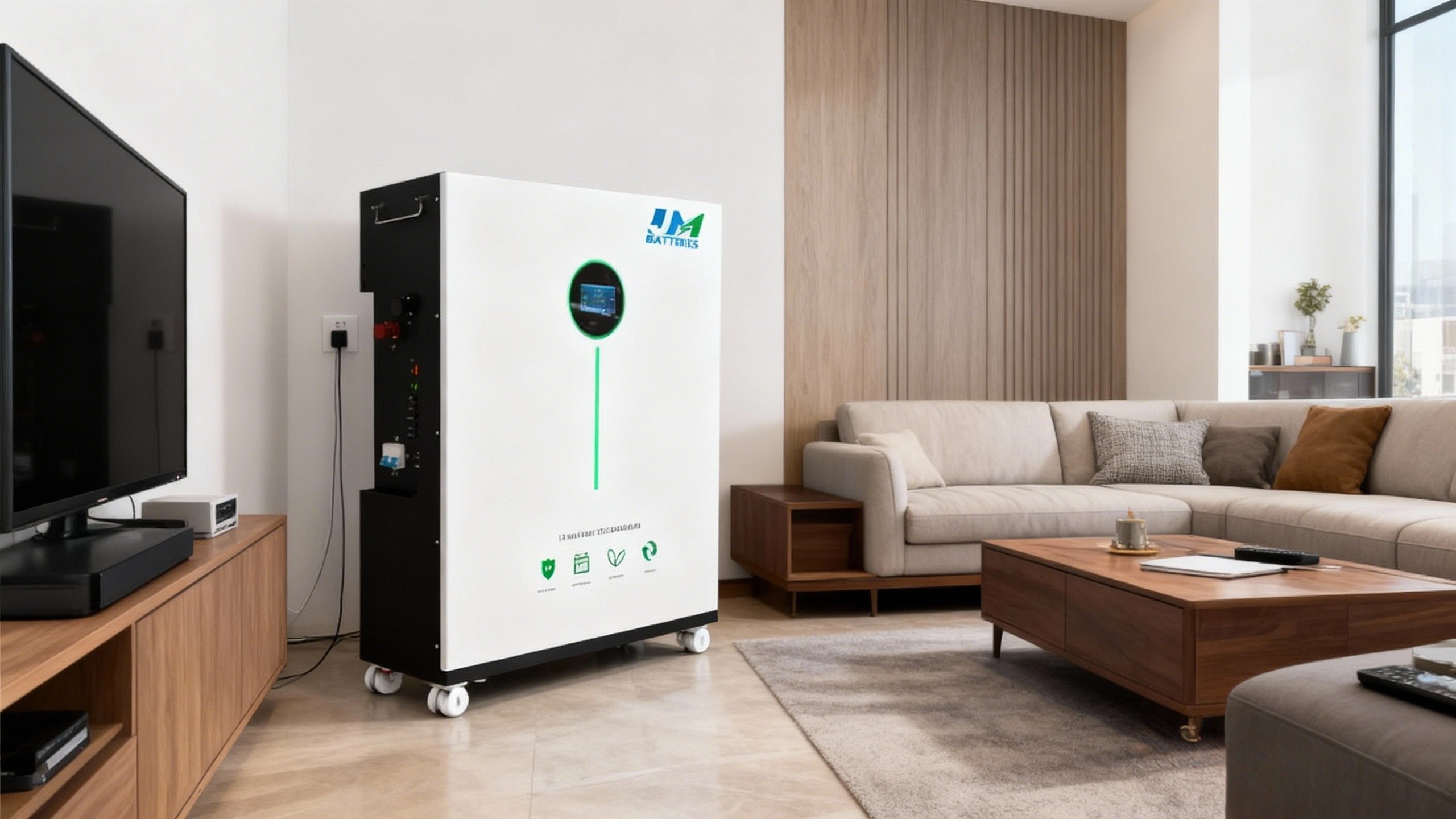
Discover what a mAh battery really means, how it impacts home solar performance, and why our 25.6V 200Ah 5kWh wall-mounted lithium battery from our 10-year Dongguan factory is a trusted choice for reliable home energy storage.
What Is Better A Lithium Battery Or High Capacity Battery

Learn what a battery charge is and why our 51.2V300Ah-15KWH LiFePO4 lithium battery is ideal for U.S. homes. This 48V lithium ion battery delivers safety, longevity, and savings—proven by real American families.
What Is A Battery Charge
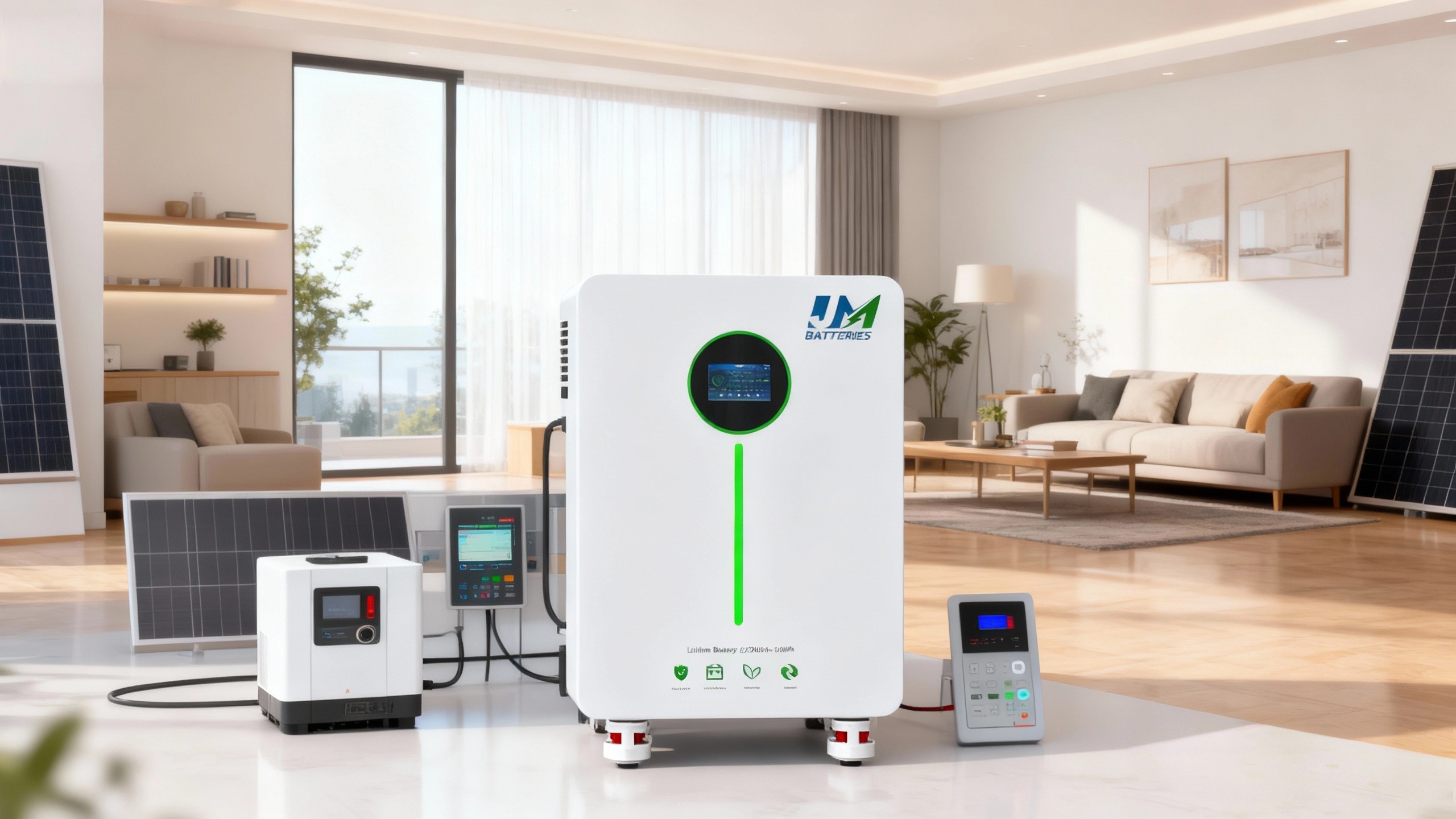
Learn if lithium batteries can catch fire when not in use, explore our reliable 51.2V300Ah-15KWH home battery backup (a great solar battery), and see real U.S. home cases. As a 10-year Chinese factory, we make quality AA batteries and energy solutions.
can lithium batteries catch fire when not in use