



How To Clean Corrosion Off Battery Terminals
author: JM ENERGY
2025-12-29
How to Clean Corrosion Off Battery Terminals: Maintain Your Best Lithium AA Batteries Home Battery
Table of Contents
Article Summary
Learn how to clean corrosion off battery terminals to keep your best Lithium AA Batteries home battery in top shape. This simplified guide from a 10-year Chinese factory includes easy steps, pro tips, and real stories from Florida and California families who relied on our 51.2V100Ah Powerwall. Discover why our Powerwall is a top choice for home energy storage.
Introduction
If you own a home battery like our 51.2V100Ah-5KWH Lifepo4 Lithium Powerwall, you know it’s a reliable backup for solar systems, blackouts, or off-grid living. Made by our Dongguan, China factory with 10 years of lithium battery experience, this home battery delivers 6000 cycles, 90% DOD (usable capacity), and easy wall-mounted installation. But even the best Lithium AA Batteries need basic maintenance—corrosion on terminals can slow performance or break connections. The good news? Cleaning corrosion is fast, cheap, and uses household supplies. Below, we’ll walk you through the steps, share real U.S. family success stories, and explain why our Powerwall is a top pick for American homes.

Why Corrosion Matters for Your Home Battery
Corrosion is that crusty white/green/blue gunk on battery terminals. It forms when moisture, air, or debris reacts with battery components—more common in humid areas (Florida, California coasts) or with loose connections. For our sealed Lifepo4 Powerwall, corrosion is less likely than lead-acid batteries, but it still happens. Left unaddressed, it:
- Slows charging and drains efficiency
- Weakens connections to solar inverters (compatible brands: SMA, GoodWe, Victron Energy)
- Shortens your home battery’s lifespan
The fix? A 15-minute cleaning session every 3–6 months.
Step-by-Step: Clean Corrosion Off Battery Terminals
1. Gather Supplies (You Already Have These!)
- Rubber gloves + safety goggles (protect hands/eyes)
- Old toothbrush or small wire brush
- Baking soda (or white vinegar or lemon juice)
- Water, clean rags/paper towels
- Petroleum jelly or dielectric grease (prevents future corrosion)
- Wrench/screwdriver (if terminals need disconnecting)
2. Prep Safely
First, turn off your home battery using the ON/OFF switch or disconnect it from your solar inverter (check the manual if unsure—our support team is always here to help). Wipe loose dust from terminals with a dry rag.
3. Clean the Corrosion (2 Simple Methods)
Method 1: Baking Soda Paste (Mild Corrosion)
- Mix 2 tbsp baking soda + 1 tbsp water to make a thick paste.
- Spread on corroded terminals—let fizz for 5 minutes (this breaks down gunk).
- Scrub gently with the toothbrush, then wipe clean with a damp rag.
- Dry terminals completely (moisture causes more corrosion!).
Method 2: Vinegar/Lemon Juice (Heavy Corrosion)
- Soak the brush in white vinegar or fresh lemon juice.
- Scrub terminals until corrosion is gone (no need for harsh chemicals).
- Wipe with a damp rag, then dry thoroughly.
4. Protect for the Future
- Reattach terminals firmly (match + to + and - to -, our Powerwall has clear labels).
- Apply a thin layer of petroleum jelly or dielectric grease to terminals—this blocks moisture.
- Turn the battery on and check the LCD touch display to confirm it’s working normally.
Pro Tips for U.S. Homeowners
- Check terminals every 3–6 months (more often in humid areas).
- Keep your Powerwall in a dry, well-ventilated spot.
- Use compatible inverters (our Powerwall works with SMA, GoodWe, Victron Energy, and more).
- If corrosion comes back fast, contact us—we offer a 10-year warranty on our home battery.

Real U.S. Family Stories
Case 1: The Martinez Family (Tampa, Florida)
Hurricane season in Tampa means relying on their home battery. After 2 years with our 51.2V100Ah Powerwall, they noticed it wasn’t holding a charge during rainstorms. “We remembered the factory’s tip about corrosion,” says Mr. Martinez. They mixed baking soda paste, scrubbed the terminals (found green gunk!), and applied petroleum jelly. “A week later, Hurricane Idalia hit—we had power for 3 days straight. The fridge stayed cold, and the kids could charge devices. So easy to fix ourselves!”
Case 2: The Wilson Family (Northern California)
Living off-grid, the Wilsons depend on their Lithium AA Batteries home battery for solar storage. When their inverter showed a “poor connectivity” error, they called our support team. “We used lemon juice to clean the terminals—thick white corrosion was the problem,” says Mrs. Wilson. After cleaning, the error vanished. “During a 5-day wildfire outage, we had power for the well pump, stove, and internet. This Powerwall is a lifeline, and maintenance is a breeze.”
Why Choose Our Best Lithium AA Batteries Powerwall
Our 51.2V100Ah home battery is built for U.S. homes:
- 6000 cycles = 10+ years of use
- Compact, wall-mounted design (fits any home)
- Built-in BMS (protects against overcharging/overheating)
- Works with all major solar inverters
- 10-year warranty + 24/7 U.S. support
- Minimum order: 1 piece (ships worldwide)


Conclusion
Cleaning corrosion off battery terminals is a simple way to keep your best Lithium AA Batteries home battery running strong. With our step-by-step guide, you can avoid costly repairs and extend your Powerwall’s life. Made by a factory with a decade of expertise, our 51.2V100Ah home battery is reliable, easy to maintain, and trusted by U.S. families. Ready to upgrade your home energy? Contact us today to order!

Can An Alternator Drain A Battery
How to Charge Lithium Battery
Related Article
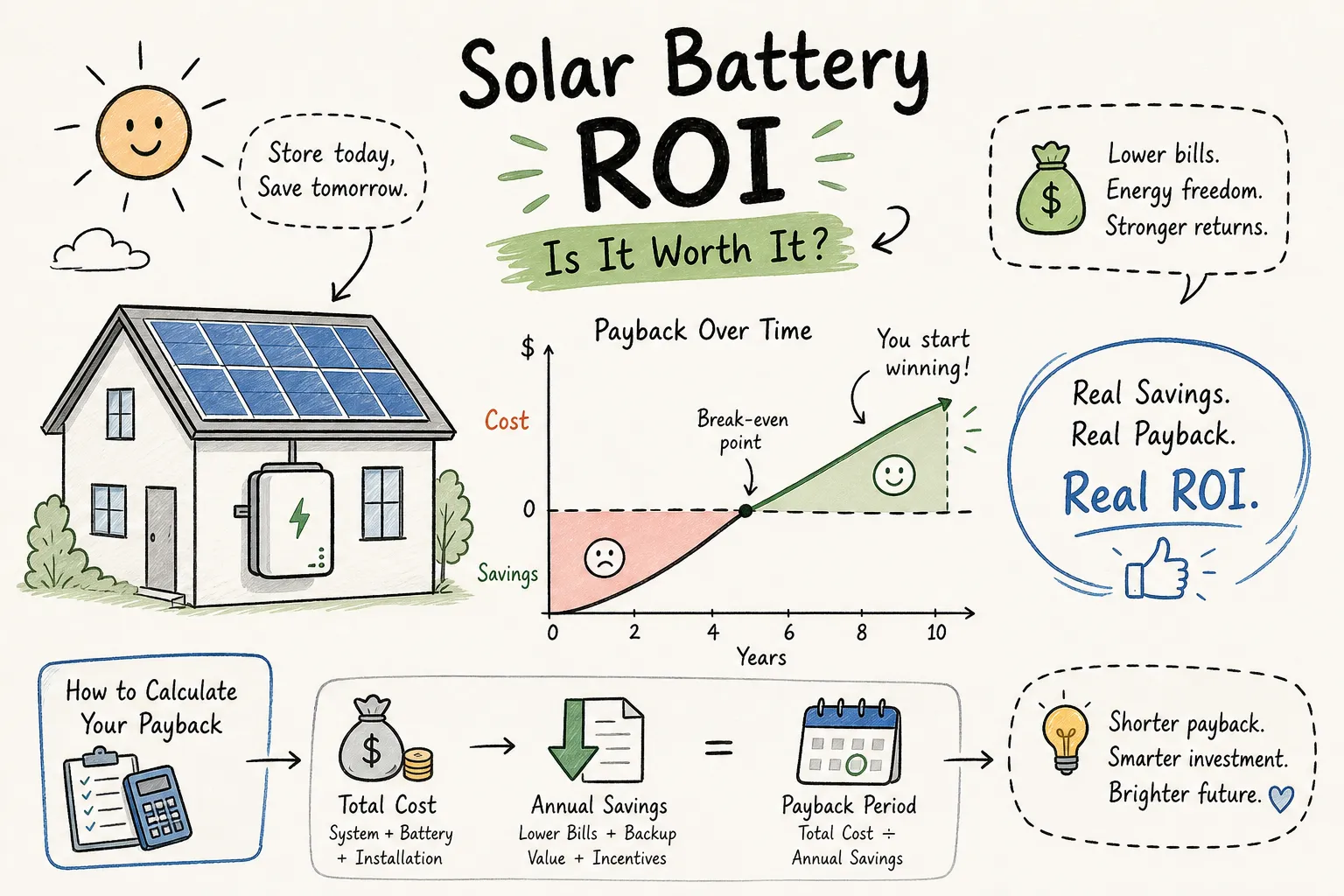
Calculate solar battery ROI with real 2026 costs, state rebates (SGIP, NYSERDA), LFP degradation, and NEM 3.0. Honest payback benchmarks for US homeowners.
Solar Battery ROI: How to Calculate Your Real Payback Period
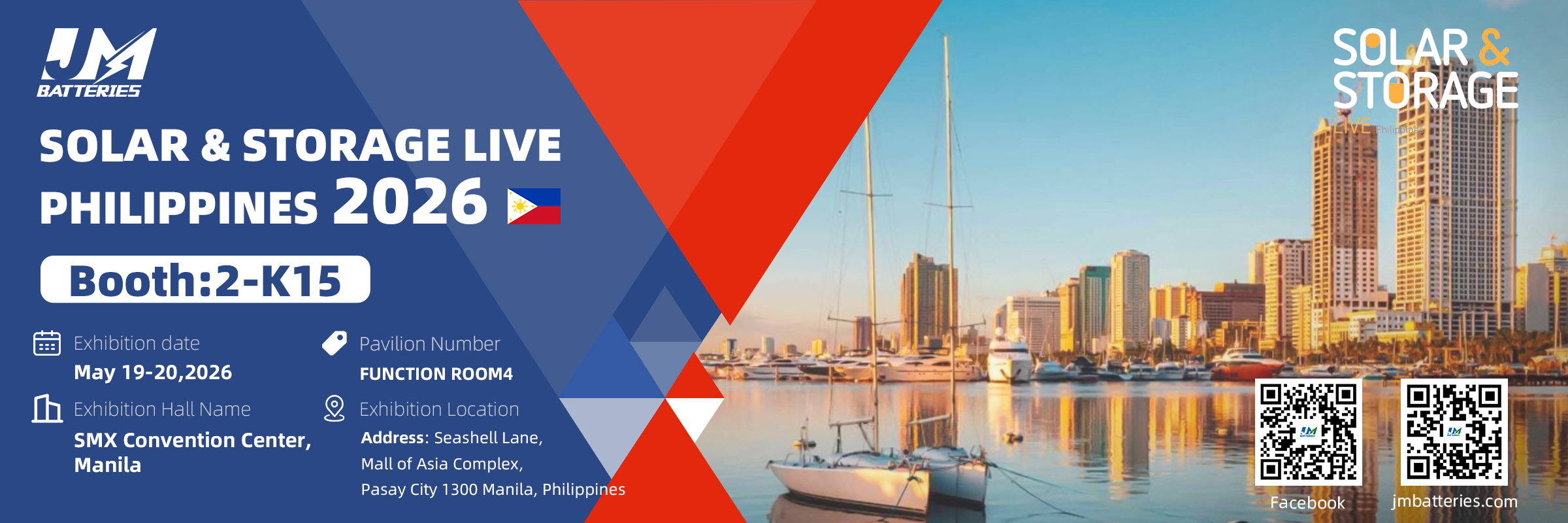
JM EnergyTech participated in Solar & Storage Live Philippines 2026 and officially entered the Philippine market. We provide reliable tropical-grade LiFePO4 home energy storage solutions for local households and businesses.
JM EnergyTech Debuts at Solar and Storage Live Philippines 2026

JM Energy Tech will attend the Indonesia Battery Show (Booth No.: [A2J4-03]), presenting our products and offering safe, efficient customized solutions to meet the needs of Indonesian households, businesses and project partners.
JM Energy Technology to Showcase Energy Storage Solutions at Indonesia Battery Exhibition
