



How To Store Solar Energy
author: JM ENERGY
2025-10-28
How to Store Solar Energy Efficiently: A Guide with the Best Home Battery System
Meta Description
Learn how to store solar energy effectively with a high-quality home battery system. Discover the benefits of Lithium Iron Battery, Solar Energy Storage System, and Lifepo4 Battery for your home, plus real U.S. family cases.
Introduction
In recent years, more and more homeowners in the United States have turned to solar energy to reduce electricity bills and lower their carbon footprint. However, one of the biggest challenges with solar power is figuring out how to store solar energy for use when the sun isn’t shining—like at night or on cloudy days. That’s where a reliable home battery system comes in. As a leading lithium-ion and sodium-ion battery factory based in Dongguan, China, with 10 years of manufacturing experience, we’ve developed the JM 51.2V600Ah-30KWH Lifepo4 Battery—a game-changer for home solar energy storage. In this blog, we’ll walk you through exactly how to store solar energy, why a quality home battery system matters, and share two real-life stories of U.S. families who’ve transformed their energy use with our product.
Why Storing Solar Energy Is Essential
Before diving into how to store solar energy, let’s first understand why it’s so important. Solar panels generate electricity only when exposed to sunlight. Without storage, any excess energy produced during the day is either sent back to the grid (often for little to no compensation) or wasted. A home battery system solves this problem by capturing and storing that excess energy, so you can use it later. This not only makes your home more energy-independent but also protects you from power outages and rising electricity costs. And when it comes to choosing the right storage solution, Lithium Iron Battery (Lifepo4 Battery) stands out for its safety, long lifespan, and efficiency—making it the ideal choice for a Solar Energy Storage System.

Step-by-Step: How to Store Solar Energy with a Home Battery System
Storing solar energy doesn’t have to be complicated. Here’s a simple breakdown of the process, using our JM 51.2V600Ah-30KWH Lifepo4 Battery as an example:
1. Choose the Right Home Battery System
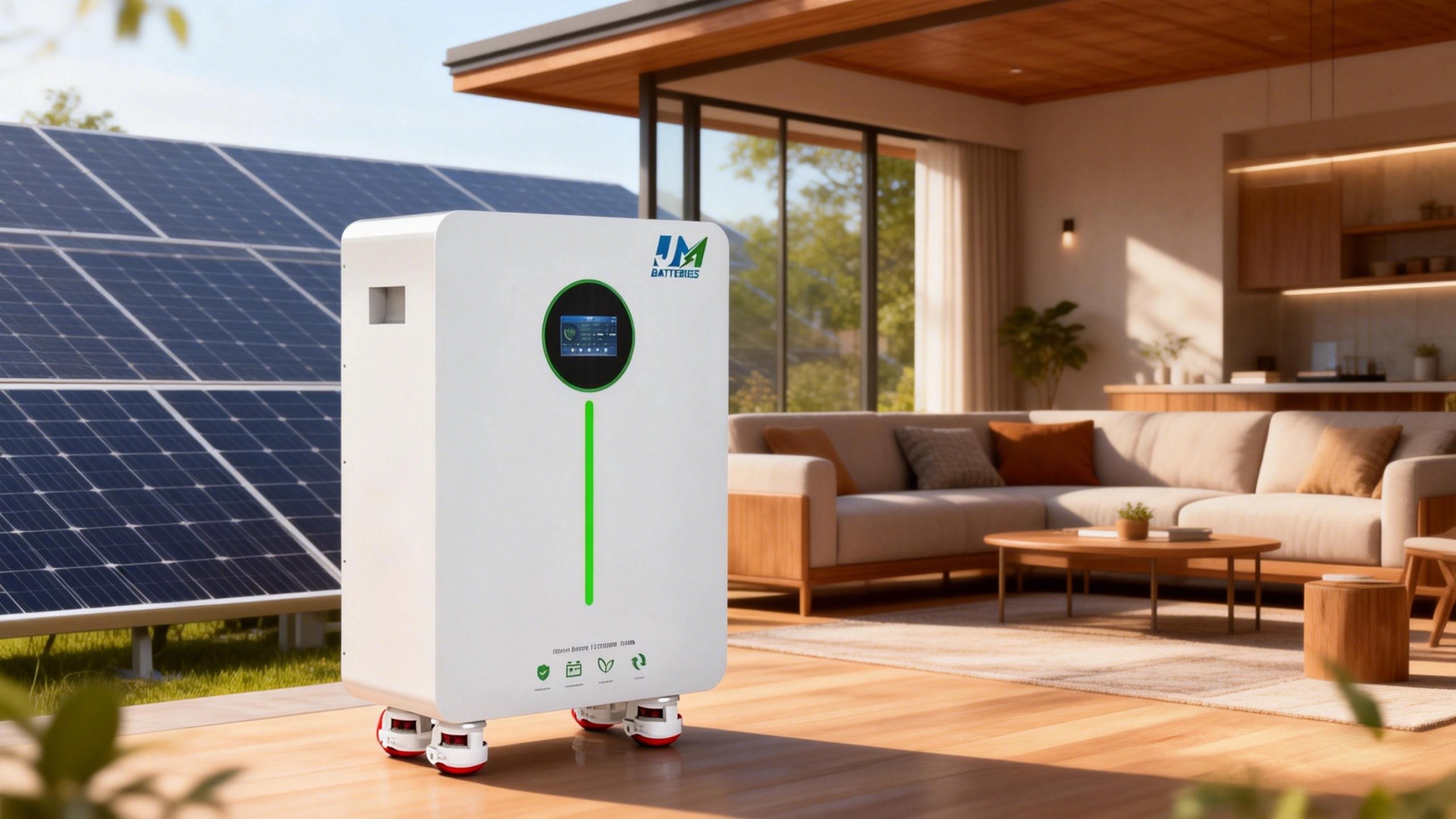
The first step in how to store solar energy is selecting a battery that fits your home’s needs. Our JM 51.2V600Ah-30KWH Lifepo4 Battery is designed specifically for residential use, with a large 30kWh capacity—enough to power an average U.S. home for 1-2 days (depending on usage). It uses Grade A Lifepo4 cells, which are safer than other lithium-ion batteries (no risk of overheating or explosion) and have a cycle life of 8000+ times. That means the battery will last for over 20 years with regular use—far longer than traditional lead-acid batteries. Plus, it’s compatible with all major inverter brands (like DEYE, Growatt, and SMA), so it’s easy to integrate with your existing solar panel setup.
2. Install the Battery and Connect to Your Solar System
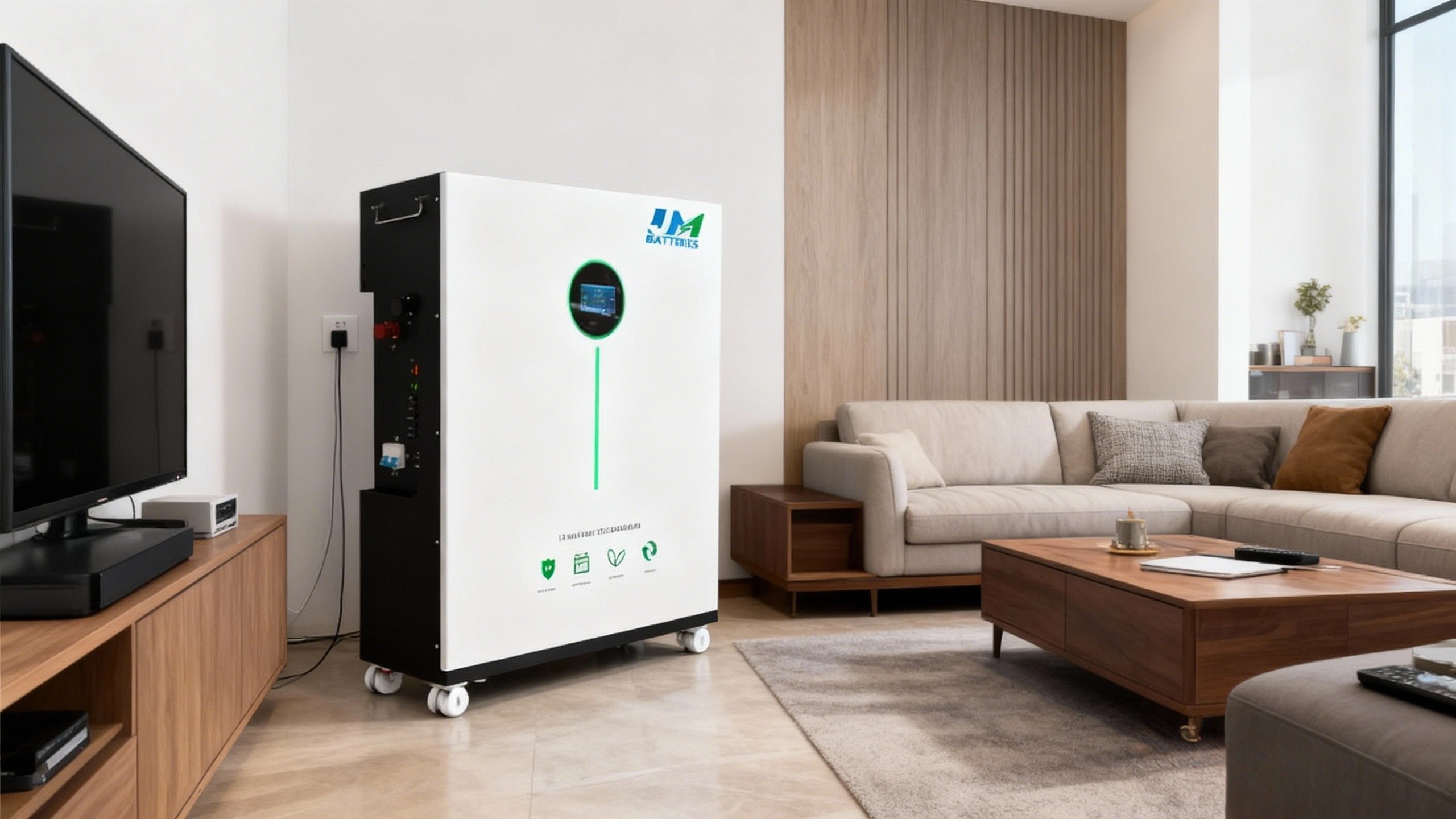
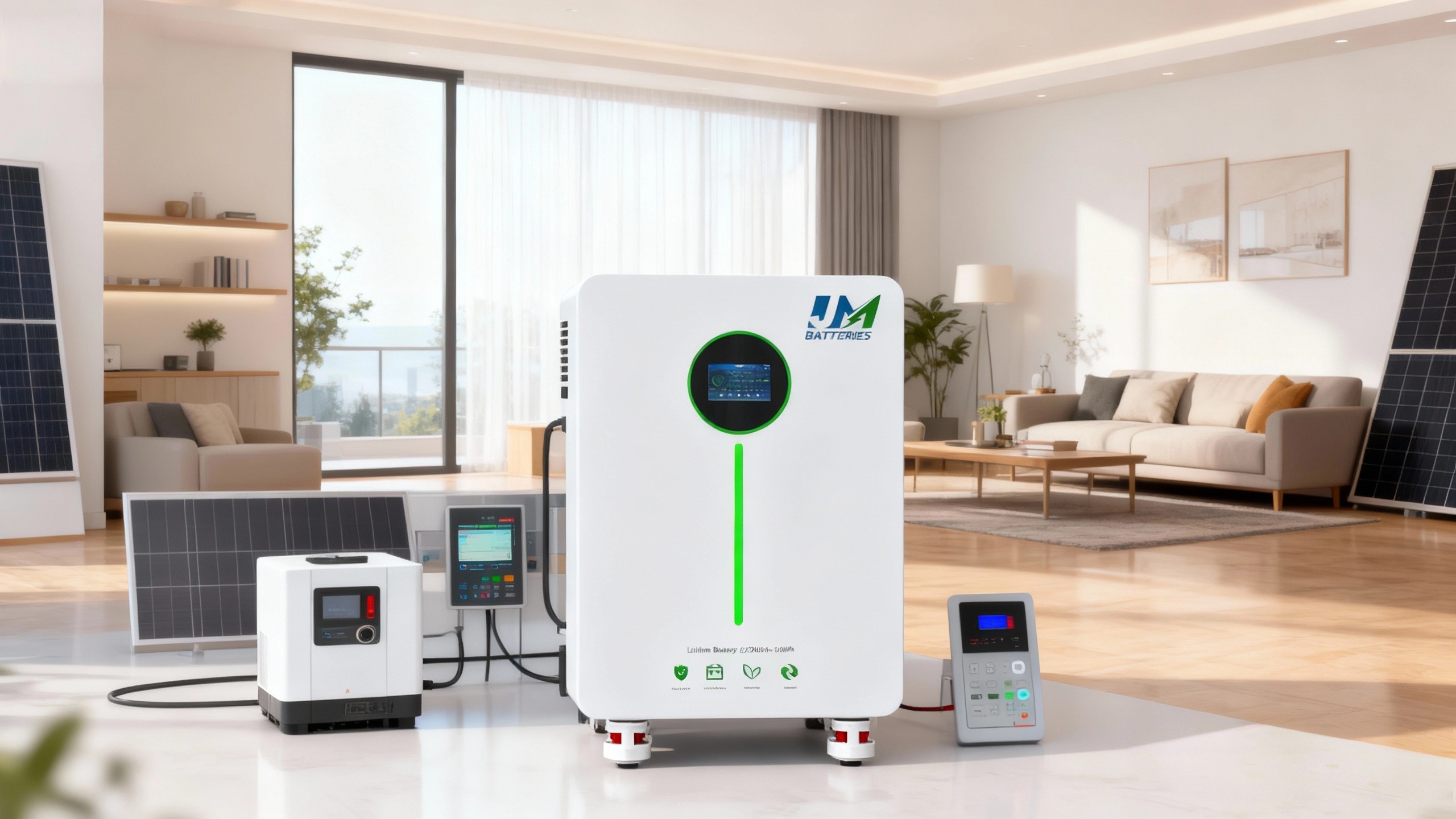
Once you have your home battery system, the next step is installation. Our JM battery is designed for easy setup: it has a movable design and can be wall-mounted, so it doesn’t take up much space. It also comes with a 300A BMS (Battery Management System) that monitors the battery’s voltage, current, and temperature to ensure stable performance. A professional electrician will connect the battery to your solar inverter, which converts the DC energy from your solar panels into AC energy for your home. The BMS then directs excess energy to the battery for storage, instead of sending it to the grid.
3. Monitor and Optimize Energy Storage
After installation, you can monitor your home battery system in real time using the touch display or via WiFi/Bluetooth (customizable feature). The display shows key information like SOC (State of Charge)—so you know how much energy is stored—and power usage. This helps you optimize your energy use: for example, you can run high-energy appliances (like the dishwasher or washing machine) during the day when solar production is high, and use stored energy at night for lighting and TV. Over time, this can reduce your reliance on the grid by up to 80%, cutting your electricity bills significantly.
4. Expand Your System if Needed
One of the best things about our JM home battery system is its flexibility. If your energy needs grow (e.g., you add more solar panels or a new electric vehicle), you can parallel up to 15 batteries together—increasing your storage capacity to 450kWh. This makes it easy to scale your system as your family’s needs change, without having to replace the entire setup.

Real U.S. Family Cases: How Our Home Battery System Transformed Their Energy Use
To show you how effective our Lifepo4 Battery is for storing solar energy, here are two stories from U.S. families who’ve used our JM 51.2V600Ah-30KWH home battery system:
Case 1: The Smith Family (Phoenix, Arizona)
The Smiths live in Phoenix, where summers are extremely hot (temperatures often exceed 100°F). They installed a 10kW solar panel system a few years ago but struggled with high electricity bills because they used most of their energy in the evening (when the AC was running and the sun was down). They decided to add our JM home battery system in 2023.
“Before the battery, we were still paying 150−200amonthforelectricitybecausewehadtobuypowerfromthegridatnight,”saysMr.Smith.“Now,westorealltheexcessenergyfromoursolarpanelsduringthedayanduseitintheevening.Ourbillshavedroppedto
30-40 a month, and we never lose power during summer blackouts (which used to happen a lot). The battery is also really quiet and doesn’t take up much space in our garage—we barely notice it’s there.”
30-40 a month, and we never lose power during summer blackouts (which used to happen a lot). The battery is also really quiet and doesn’t take up much space in our garage—we barely notice it’s there.”
The Smiths also love the long lifespan of the Lifepo4 Battery: “We know this battery will last for 20+ years, so it’s a long-term investment that will keep saving us money.”
Case 2: The Garcia Family (Rural Vermont)
The Garcias live in a rural part of Vermont, where the grid is unreliable—especially in winter, when heavy snow often causes power outages. They installed a 8kW solar system and our JM 51.2V600Ah-30KWH home battery system in 2022, and it’s been a lifesaver.
“Last winter, we had a power outage that lasted 3 days,” says Mrs. Garcia. “Before the battery, we’d have to use a generator (which is loud and uses gasoline) to keep the heat and fridge running. But this time, our home battery system powered everything—heat, fridge, lights, and even our internet. We didn’t have to worry about a thing. It’s also saved us money: our electricity bills used to be
200+amonthinwinter(becauseweusedalotofheat),butnowthey’reunder100.”
The Garcias also appreciate the safety of the Lifepo4 Battery: “We have kids, so safety is a top priority. We chose this battery because it’s non-toxic and doesn’t overheat—we feel really secure using it.”
Why Our JM Lifepo4 Battery Is the Best Choice for Your Home Battery System
As a factory with 10 years of experience in lithium-ion and sodium-ion batteries, we take pride in producing high-quality, reliable products. Our JM 51.2V600Ah-30KWH Lifepo4 Battery is no exception—and here’s why it’s the best choice for your Solar Energy Storage System:
- Safety First: Grade A Lifepo4 cells are non-toxic, non-flammable, and have no risk of thermal runaway. The 300A BMS adds an extra layer of protection, preventing overcharging, over-discharging, and short circuits.
- Long Lifespan: 8000+ cycles mean the battery will last for 20+ years—so you won’t have to replace it anytime soon.
- Large Capacity: 30kWh of storage is enough to power most homes for 1-2 days, making it perfect for backup power and off-grid use.
- Easy Integration: Compatible with all major inverter brands, so it’s simple to add to your existing solar setup.
- Flexible Design: Movable and wall-mounted options, plus the ability to parallel up to 15 batteries, make it easy to fit your home’s space and energy needs.
- 10-Year Warranty: We stand behind our product with a 10-year warranty—so you can buy with confidence.

Conclusion
Learning how to store solar energy is key to getting the most out of your solar panel system—and a high-quality home battery system is the solution. Our JM 51.2V600Ah-30KWH Lifepo4 Battery (a top-tier Lithium Iron Battery) makes storing solar energy easy, safe, and cost-effective. Whether you’re looking to reduce your electricity bills, become more energy-independent, or protect your home from power outages, this home battery system has you covered.
As a Dongguan-based factory with 10 years of experience, we’re committed to providing U.S. homeowners with reliable, affordable solar energy storage solutions. If you’re ready to take the next step in your solar journey, contact us today to learn more about our JM 51.2V600Ah-30KWH Lifepo4 Battery and how it can transform your home’s energy use.
How To Store Lithium Batteries
How To Automate Home Energy Storage For Maximum Savings
Related Article
Learn how to connect rechargeable batteries in series for home energy storage. This guide explains series wiring, safety tips, and real U.S. home battery stories using JM’s 51.2V300Ah lithium battery park.
How Do You Connect Batteries In Series
Discover what a mAh battery really means, how it impacts home solar performance, and why our 25.6V 200Ah 5kWh wall-mounted lithium battery from our 10-year Dongguan factory is a trusted choice for reliable home energy storage.
What Is Better A Lithium Battery Or High Capacity Battery

Learn what a battery charge is and why our 51.2V300Ah-15KWH LiFePO4 lithium battery is ideal for U.S. homes. This 48V lithium ion battery delivers safety, longevity, and savings—proven by real American families.
What Is A Battery Charge
Learn if lithium batteries can catch fire when not in use, explore our reliable 51.2V300Ah-15KWH home battery backup (a great solar battery), and see real U.S. home cases. As a 10-year Chinese factory, we make quality AA batteries and energy solutions.
can lithium batteries catch fire when not in use