



How To Charge Car Battery With Home Electricity
author: JM ENERGY
2025-11-07
How to Charge Your Car Battery with Home Electricity: A Complete Guide with Home Battery Systems
Table of Contents
Meta Description
Learn a simple, step-by-step process for charging your car battery with home electricity efficiently—plus see how a top-notch home battery system (like our 51.2V100Ah-5KWH All-in-One Energy Storage System Battery) makes the whole experience better, with real stories from U.S. families.
Article Summary
This blog breaks down exactly how to charge your car battery with home electricity safely and easily. It also introduces our advanced home battery system, made by a Dongguan, China-based factory with 10 years of experience building lithium-ion and sodium-ion batteries. You’ll get the lowdown on Energy Storage Systems, WH All-in-One Energy Storage System Batteries, and Inverter Lithium Ion Batteries—plus two true stories from U.S. families who upgraded their energy use for the better. By the end, you’ll know everything you need to power your car and home without hassle.
Introduction
Electric vehicles (EVs) are everywhere these days—more and more U.S. homeowners are ditching gas cars and wondering, “How do I charge my car battery with home electricity, anyway?” Charging at home beats public stations hands down: it saves time, and when you pair it with a solid home battery system, you can even cut down on energy costs. Our factory in Dongguan has spent a decade building reliable lithium-ion and sodium-ion batteries, and our new 51.2V100Ah-5KWH WH All-in-One Energy Storage System Battery is made to simplify both home car charging and energy storage. In this guide, we’ll walk you through charging your car at home, explain why our home battery system is a game-changer, and share two real stories from U.S. families who changed how they power their lives.

Step-by-Step Guide: How to Charge Your Car Battery with Home Electricity
Charging your car at home isn’t rocket science—but you need to follow the right steps to stay safe and get the most out of it. Here’s how to do it:
1. Figure Out What Your Car Needs to Charge
First things first: know your EV’s charging specs. Most new EVs come with a portable charging cord, but voltage and amperage needs vary. Grab your car’s manual and check if it uses a Level 1 (120V) or Level 2 (240V) charger. Level 1 works with regular home outlets—great for overnight charging when you’re not in a rush. Level 2 needs a dedicated 240V outlet (the same kind your dryer uses) and charges way faster. The good news? Our Inverter Lithium Ion Battery works with both, so it fits whatever setup you have at home.
2. Get Your Charging Space Ready
Pick a safe, dry spot to charge—preferably a garage or covered area to keep the charger and your car out of rain, snow, or extreme heat. Make sure the area has good airflow too—you don’t want things overheating. If you’re going with a Level 2 charger, you’ll probably need a licensed electrician to install the 240V outlet. It’s a one-time cost, but it’s worth it for how much faster you’ll charge. Our home battery system hooks up to your home’s electrical setup easily, and our team can help guide you through installation to make sure it works with your charger.
3. Plug In the Charger (and Your Car)
For Level 1 charging: Plug the portable cord into a standard 120V outlet, then connect the other end to your car’s charging port. Most chargers have a light that turns on when it’s connected and charging—super easy to check. For Level 2: Plug the charger into the 240V outlet, then hook it up to your car. Here’s where our WH All-in-One Energy Storage System Battery shines: if the power goes out, it can keep your charger running. No more worrying about being stuck with a dead car because of an outage.
4. Keep an Eye on the Charging
Once everything’s plugged in, keep tabs on how things are going. Most EVs have a screen that shows how much battery you have and how long until it’s full. Level 1 usually adds 2-5 miles of range per hour—fine for overnight, but slow if you need to leave soon. Level 2 is way quicker: 10-60 miles per hour, depending on your car and charger. Our Energy Storage System even comes with a simple app—you can check your home battery’s power level and your car’s charging status right from your phone. You can also set it to charge during off-peak hours (when electricity is cheaper) to save some cash on your bill.
5. Unplug Safely When You’re Done
Most chargers stop automatically once your car’s battery is full—no need to hover. But before you unplug, make sure the charger is turned off (if it has a switch). Then, disconnect it from your car first, followed by the outlet. Store the charger in a dry place so it stays in good shape. Our home battery system has safety features too—like protection against overcharging or short circuits—so you can charge without stress.
Why Our Home Battery System Makes Home Car Charging Better
Our 51.2V100Ah-5KWH WH All-in-One Energy Storage System Battery isn’t just a regular battery—it’s designed to make charging your car at home easier, cheaper, and more reliable. Here’s what sets it apart:
1. Backup Power When You Need It Most
Outages happen—especially during storms or extreme weather—and they can mess up your charging plans. Our home battery system stores energy from your home’s electricity (or solar panels, if you have them) and can power your charger even when the grid is down. If you rely on your EV to get to work, run errands, or take the kids to school, this is a lifesaver.
2. Save Money on Electricity Bills
Electricity rates are higher during peak hours (usually evenings when everyone’s using power) and lower at off-peak times (like late night or early morning). Our Energy Storage System lets you store cheap off-peak electricity and use it to charge your car during peak hours. Let’s say your utility charges $0.12 per kWh off-peak and $0.25 per kWh peak—over time, that difference adds up to real savings. Our Inverter Lithium Ion Battery is super efficient too, so you don’t lose much energy when storing or using it.
3. Works with What You Already Have
You don’t need to overhaul your home to use our system. It’s designed to work with most home electrical setups and EV chargers—whether you have a Level 1 or Level 2. And if you run into issues? Our team in Dongguan is here to help with installation or troubleshooting. We want U.S. homeowners to have a smooth experience, no matter what.

U.S. Family Stories: How Our Home Battery System Changed Their Charging Routine
Talk is cheap—so here are two true stories from U.S. families who used our home battery system to charge their cars at home, and never looked back:
Case Study 1: The Smiths (Los Angeles, California)
The Smiths live in LA and drive a Tesla Model 3. Before they got our battery, they charged with a Level 1 cord plugged into a regular outlet. The problem? It was slow—they’d plug it in at night, and by morning, it still wasn’t full if they needed to leave early. Plus, they charged during peak hours (4 PM to 9 PM) when electricity was most expensive, so their bills were through the roof.
Then they installed our 51.2V100Ah-5KWH home battery system. Now, they store energy during off-peak hours (midnight to 6 AM, when rates drop to $0.10 per kWh) and use that to charge their Tesla during the day. They also added a Level 2 charger—our team helped them figure out the installation—and now their Tesla goes from 20% to 80% in just 3 hours. Their monthly electricity bill dropped by $50, too. And when a storm knocked out power a few months ago? The battery kept their charger running. “We never thought a home battery system would matter this much,” Mrs. Smith said. “It’s not just for the car—we used it to power our fridge and lights during the outage, too. Total lifesaver.”
Case Study 2: The Garcias (Austin, Texas)
The Garcias live in Austin and have two EVs: a Chevrolet Bolt and a Nissan Leaf. They also have solar panels on their roof—but before our battery, they couldn’t store the solar energy they made. Most of it went back to the grid, and they still had to use grid electricity to charge their cars at night. They also worried about outages—Texas winters are brutal, and power goes out all the time.
They decided to try our WH All-in-One Energy Storage System Battery to store their solar power. Now, during the day, their solar panels make electricity, which goes straight into the battery. At night, they use that stored solar energy to charge both EVs—no more relying on the grid. They even sell extra stored energy back to the grid for a little extra cash. Last winter, a storm took out power for 3 days, but the Garcias didn’t stress. Their battery kept the chargers running, along with their heaters and essential appliances. “We used to panic if the power went out—we’d have two dead cars and no heat,” Mr. Garcia said. “Now? It’s a non-issue. The battery is easy to use, it’s reliable, and it’s saved us so much money. We’re glad we went with this system from the Dongguan factory—you can tell it’s built to last, and their support team always gets back to us fast if we have questions.”

Conclusion
Charging your car battery with home electricity is convenient and affordable—especially when you pair it with a good home battery system like our 51.2V100Ah-5KWH WH All-in-One Energy Storage System Battery. We’ve spent 10 years building lithium-ion and sodium-ion batteries in Dongguan, and we’re focused on making reliable, efficient energy solutions for U.S. homeowners. Whether you want faster charging, lower bills, or backup power during outages, our home battery system has you covered.
Follow the steps in this guide, and you’ll be charging your car at home safely and easily in no time. And with our Energy Storage System, you’ll take control of your home’s energy use—for good. If you want to learn more about our products, or if you have questions about hooking up our home battery system to your EV charger, reach out to our team. We’re here to help you make the most of your home electricity—and enjoy stress-free car charging, every day.
What Is Domestic Battery
What Is Battery Energy Storage System
Related Article
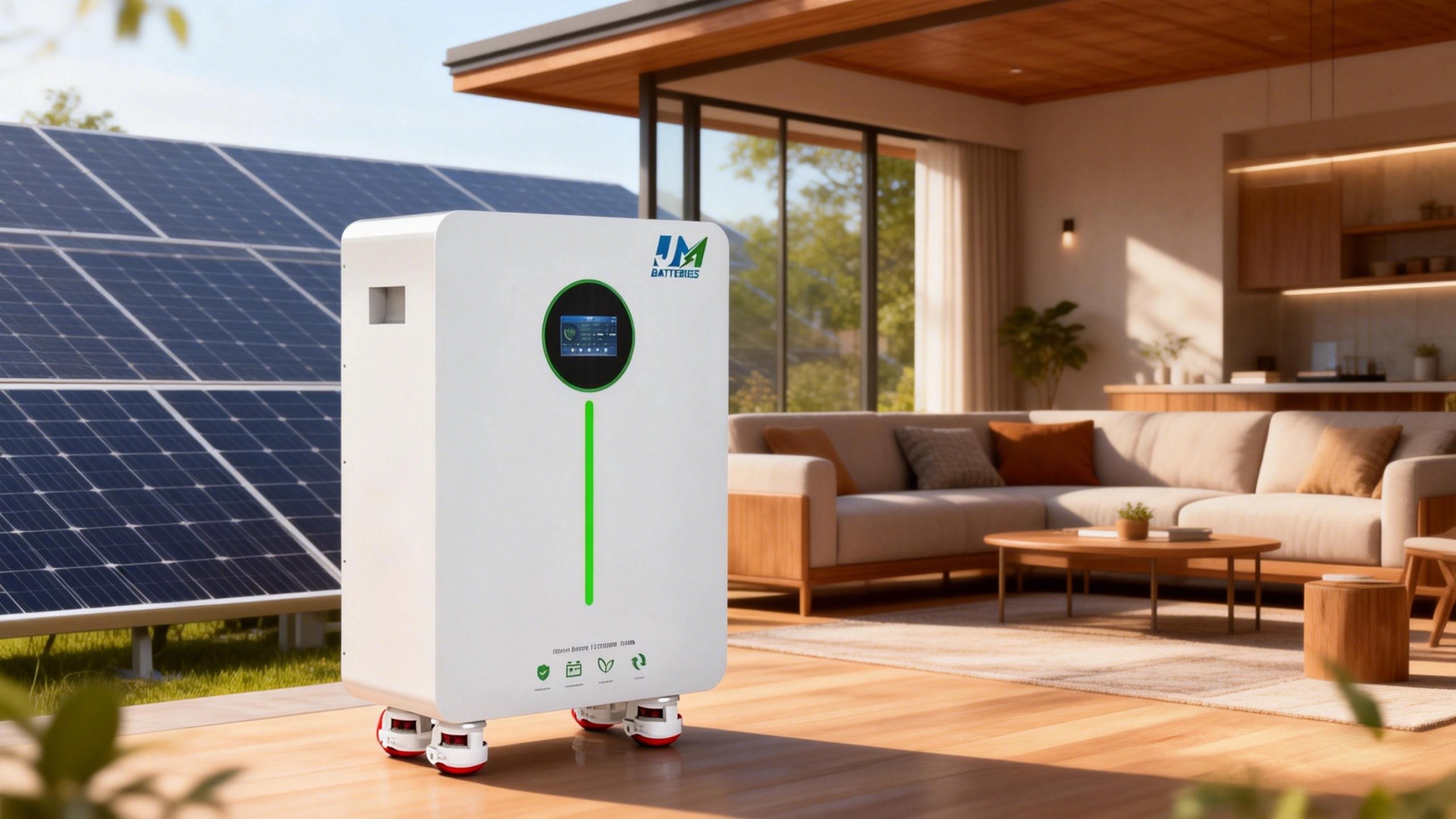
Learn how to connect rechargeable batteries in series for home energy storage. This guide explains series wiring, safety tips, and real U.S. home battery stories using JM’s 51.2V300Ah lithium battery park.
How Do You Connect Batteries In Series
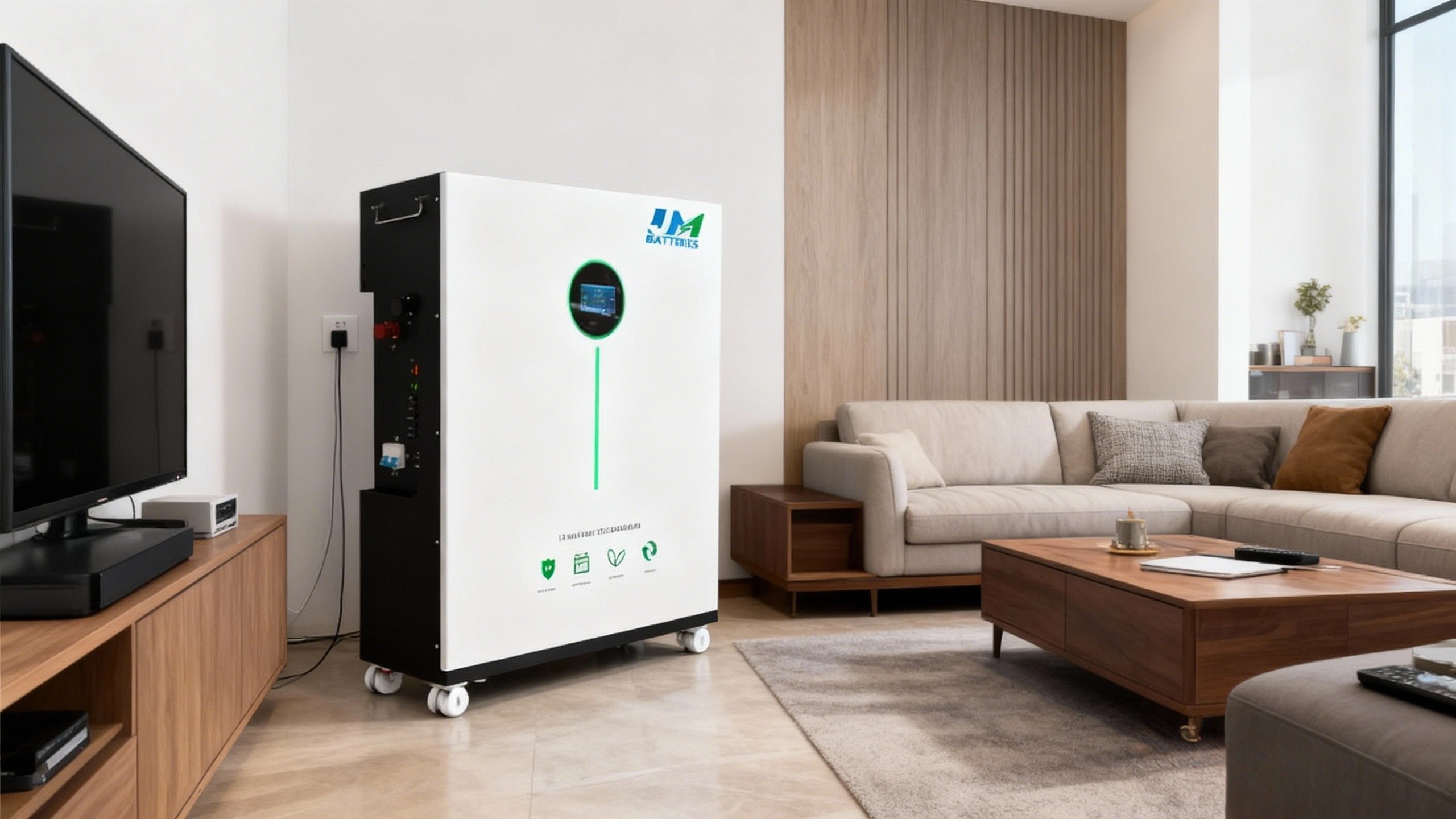
Discover what a mAh battery really means, how it impacts home solar performance, and why our 25.6V 200Ah 5kWh wall-mounted lithium battery from our 10-year Dongguan factory is a trusted choice for reliable home energy storage.
What Is Better A Lithium Battery Or High Capacity Battery

Learn what a battery charge is and why our 51.2V300Ah-15KWH LiFePO4 lithium battery is ideal for U.S. homes. This 48V lithium ion battery delivers safety, longevity, and savings—proven by real American families.
What Is A Battery Charge
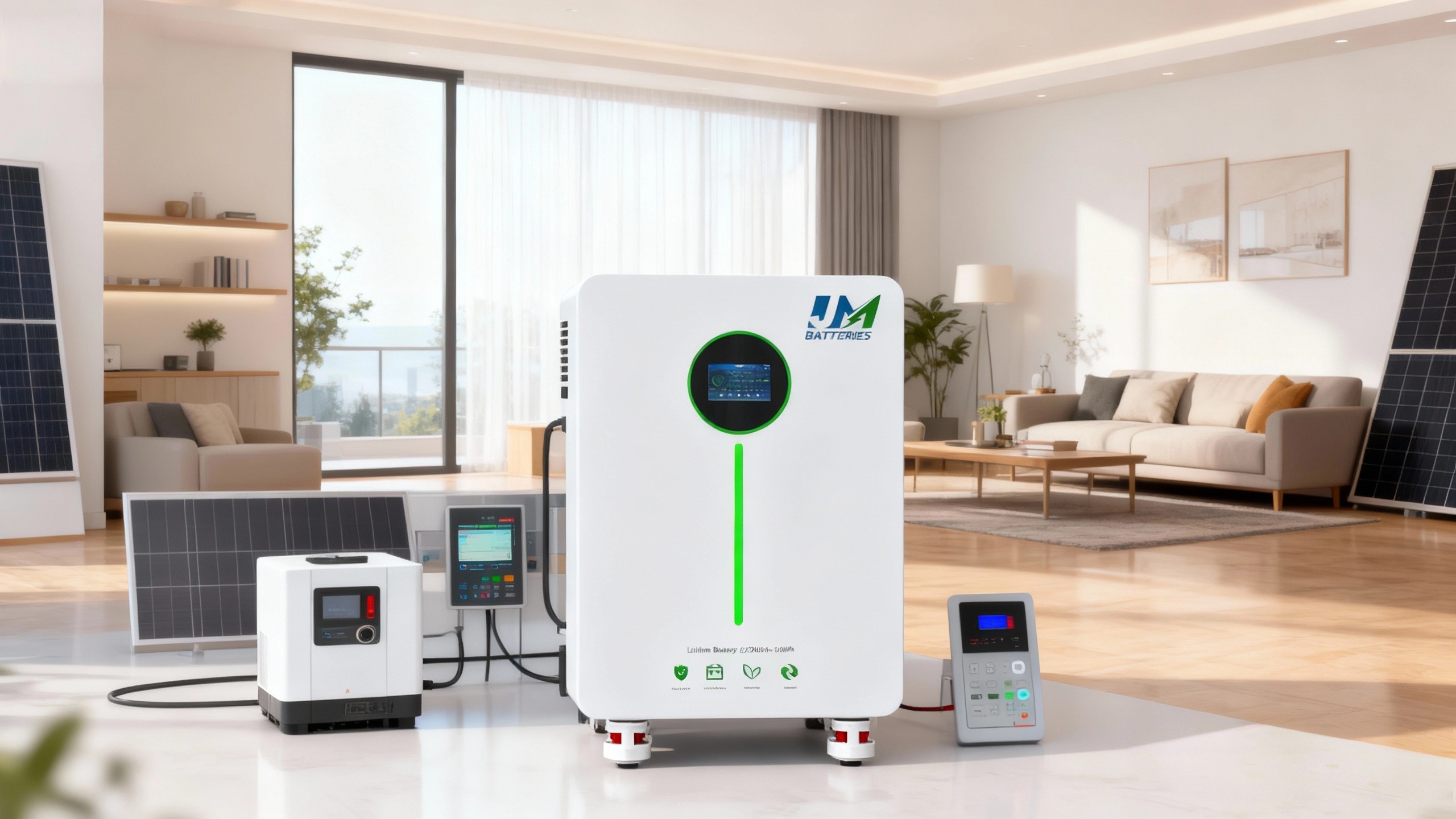
Learn if lithium batteries can catch fire when not in use, explore our reliable 51.2V300Ah-15KWH home battery backup (a great solar battery), and see real U.S. home cases. As a 10-year Chinese factory, we make quality AA batteries and energy solutions.
can lithium batteries catch fire when not in use