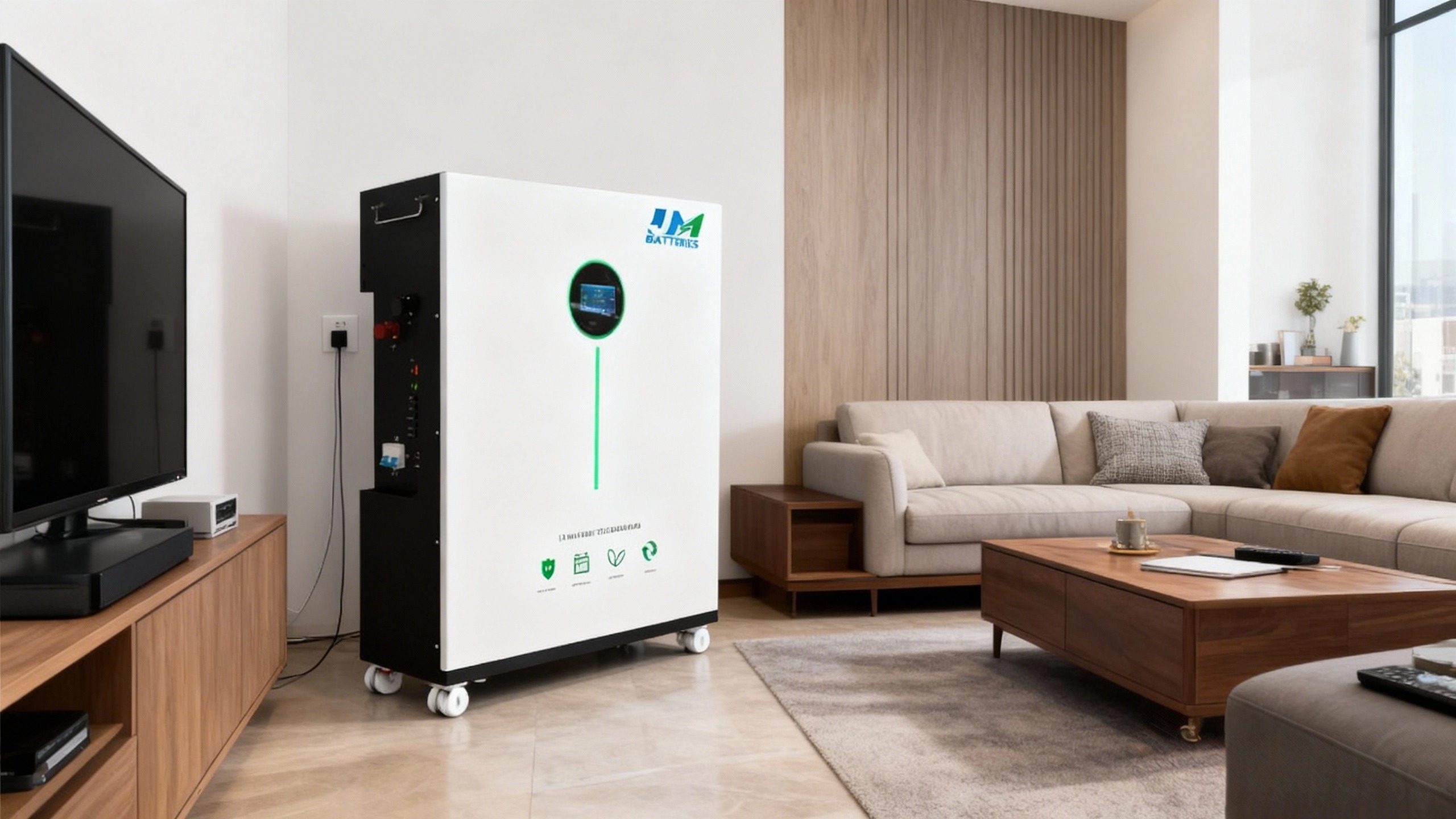



What Is Domestic Battery
author: JM ENERGY
2025-11-11
Table of Contents
Article Summary
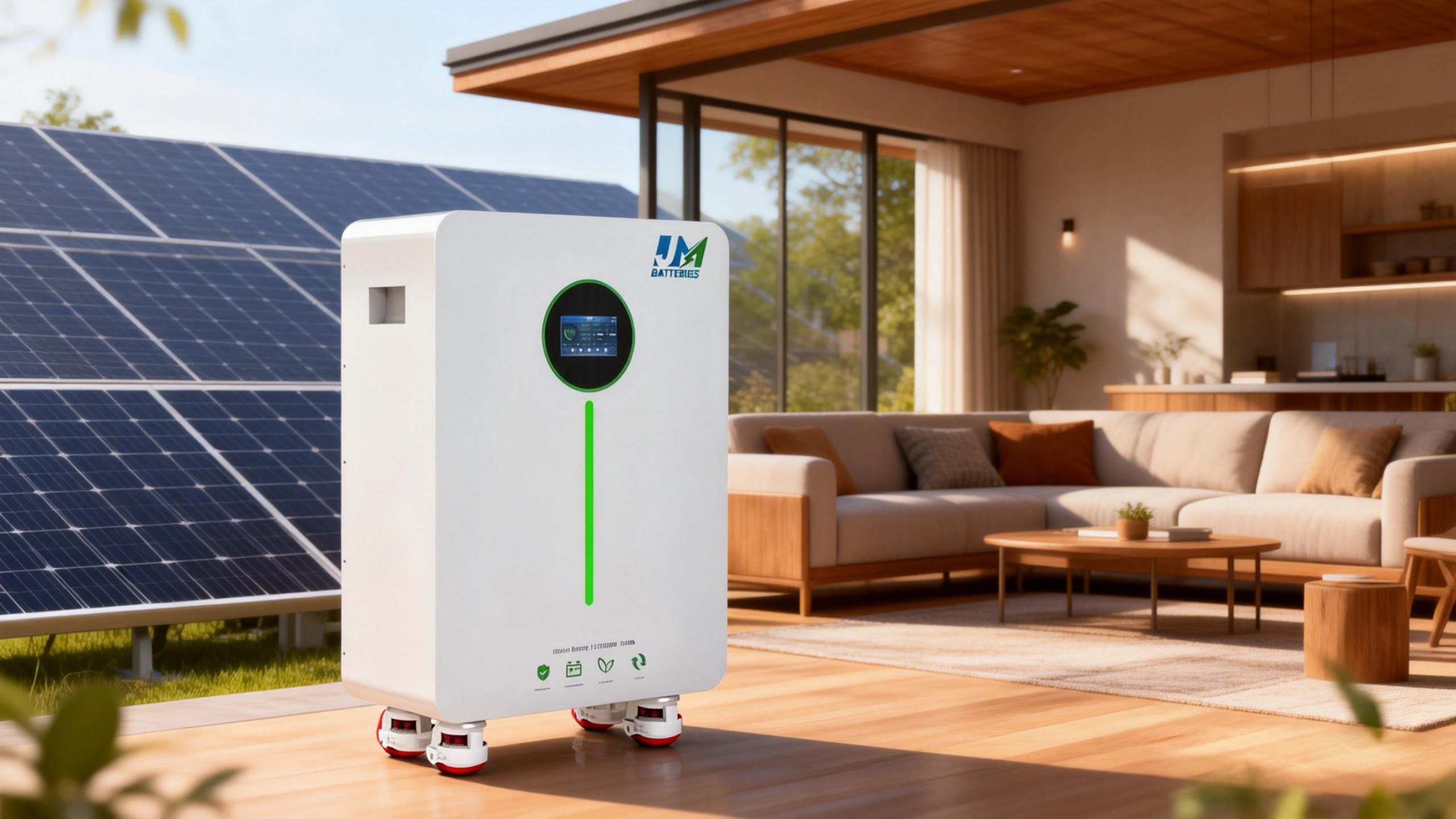
This blog answers “what is a domestic battery” (it boosts energy independence: stores solar power, backs up during outages, cuts bills) and highlights JM Energy’s new 51.2V300Ah-15KWH battery inverter. Built by our 10-year Dongguan factory, it has 6,000+ cycles, a 10-year battery warranty, and smart BMS. Two US family stories show how this battery and power inverter fixes energy problems.
What Is a Domestic Battery?
A domestic battery (or home energy storage battery) is a small, efficient system that stores electricity for your house. It powers essentials (fridge, lights, HVAC) when the grid goes out, saves extra solar energy for later, and lowers utility bills.
It works best with a battery inverter (converts stored DC energy to usable AC power) to make an all-in-one “battery and power inverter” setup—no separate installs, just smooth energy flow.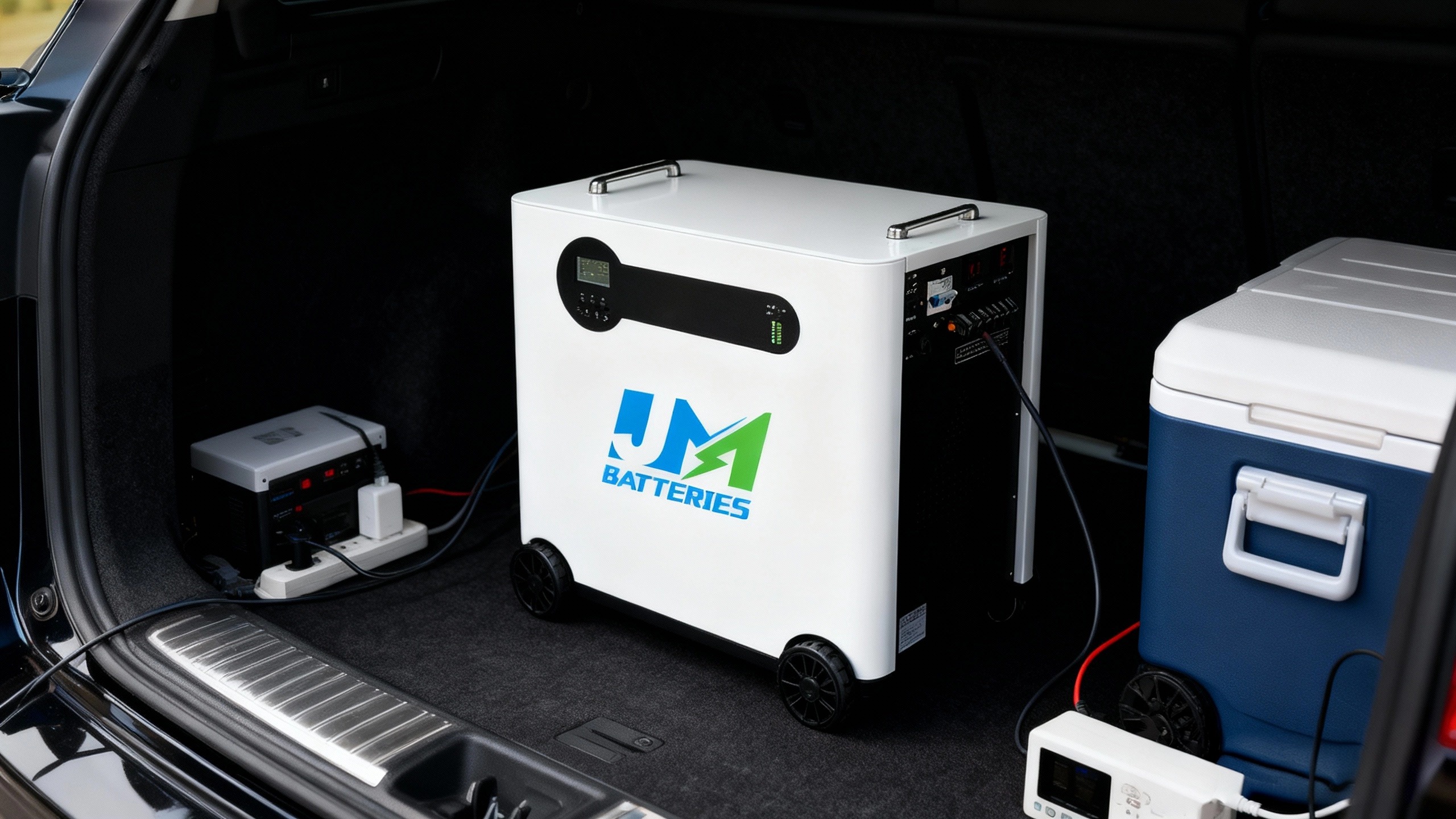
Why JM’s 51.2V300Ah-15KWH Inverter Battery Fits US Homes
We’ve made lithium/sodium-ion batteries in Dongguan for 10 years, and our new 51.2V300Ah-15KWH system is more than an inverter battery—it’s a reliable home energy helper. Here’s what matters:
1. Built to Last
- Grade A LiFePO4 Cells: 6,000+ charge cycles (way more than lead-acid’s 500-1,000 cycles) = 10+ years of use. We back it with a 10-year battery warranty (5 years for the inverter).
- Smart BMS Protection: Stops overcharging, overheating, and short circuits—keeps performance steady.
2. Powerful & Easy to Use
- 15.36 kWh Capacity + 5 kW Inverter: Powers an 1,800-sq-ft home for 2-3 days during outages. The inverter works with US electrical systems (220-240V AC).
- Simple Monitoring: Built-in LCD touchscreen shows battery level and energy use; remote app access available.
- Easy to Install: Modular design fits garages/basements—no complex wiring. We offer custom setups if you need them.
3. Safe & Certified
All our products (including this domestic battery) meet CE, RoHS, and UN38.3 standards—safe for US homes.

US Family Stories: How It Helps
Story 1: The Martinezes (Los Angeles, CA)
They have a 6kW solar setup but struggled with:
- Wildfire season blackouts (no AC, spoiled groceries).
- $170/month “demand charges” (even with solar).
After installing our battery and power inverter in 2023:
- A 3-day August outage? AC ran, fridge stayed cold—no issues.
- Bills dropped to $55/month (no more demand charges).
Mrs. Martinez: “This domestic battery changed our lives—no more panic during outages, and we save so much.”
Story 2: The Wilsons (Austin, TX)
After the 2021 winter storm (4 days without heat), they needed a cold-resistant domestic battery.
They chose our 51.2V300Ah system in 2022:
- Works down to 14°F—kept their heater running during a 2023 cold snap.
- Their 5kW solar panels charge it by 2 PM—enough power for evening cooking/TV.
Mr. Wilson: “JM’s 10-year warranty and 6,000 cycles beat US-made options. Installation took 4 hours—super easy.”
Why US Homes Need a Domestic Battery
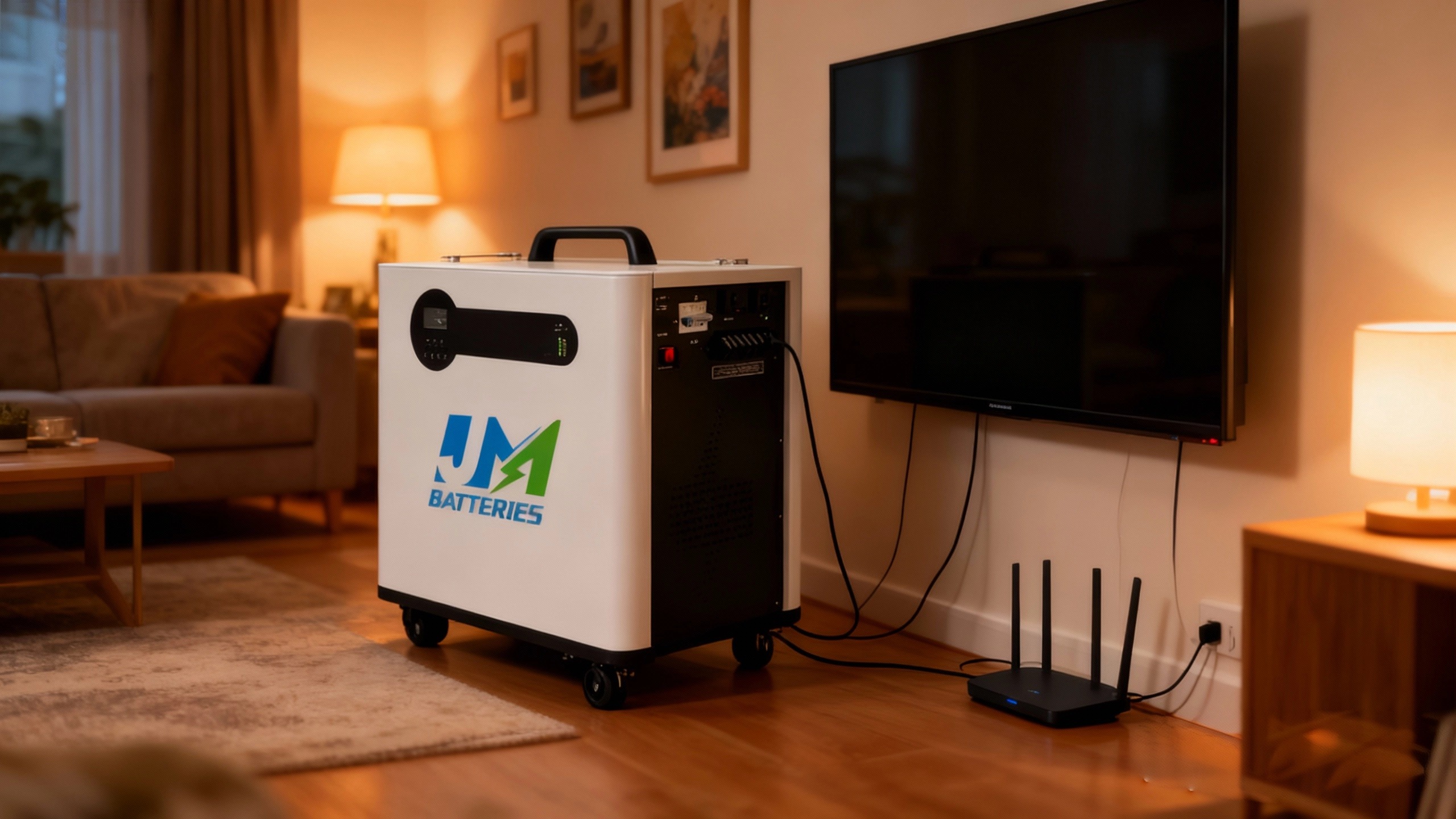
Grid outages (storms, wildfires) are more common. A domestic battery gives you energy independence (no gas generators) and saves money—use stored solar energy instead of peak-hour grid power.
Final Thoughts
Now you know what a domestic battery is—and why JM’s system is a smart pick. With 6,000+ cycles, a 10-year warranty, and real US family wins, it gives you energy security and savings.
Ready for a reliable domestic battery? Reach out to learn more or get a custom quote.
How Do Batteries Store Energy
How To Charge Car Battery With Home Electricity
Related Article
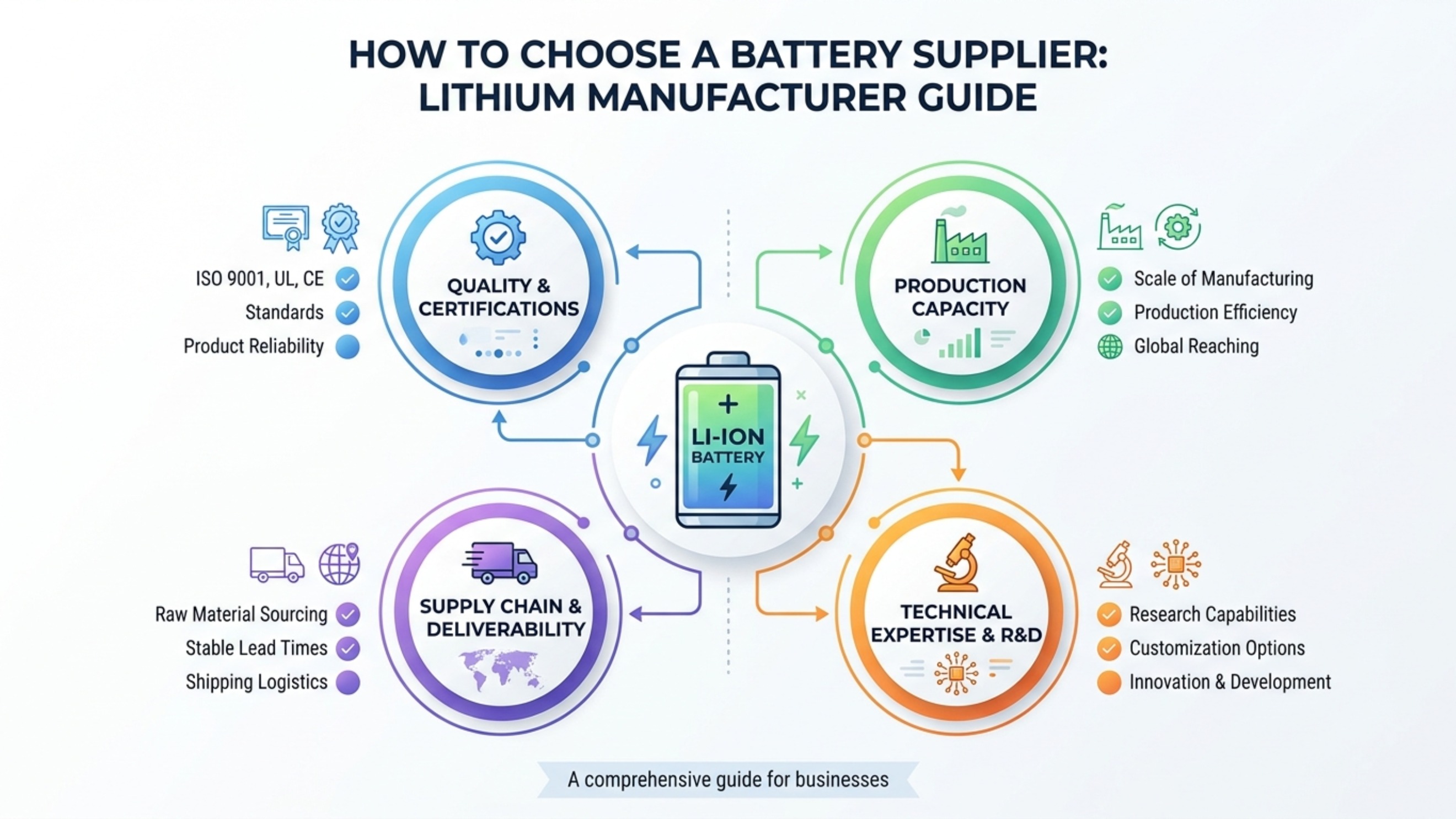
Learn how to choose a lithium battery supplier, evaluate a lithium battery manufacturer, and select a reliable LiFePO4 battery supplier for B2B projects.
How to Choose a Battery Supplier
Learn how to connect rechargeable batteries in series for home energy storage. This guide explains series wiring, safety tips, and real U.S. home battery stories using JM’s 51.2V300Ah lithium battery park.
How Do You Connect Batteries In Series