



What To Do With Dead Batteries
author: JM ENERGY
2025-12-23
What to Do With Dead Batteries: Safe Disposal, Recycling, and Upgrading to a Reliable 48 Volt Lithium Battery
Table of Contents
Lithium batteries have transformed how U.S. households power everything—from small devices to whole-home solar backup. But when batteries die, most homeowners wonder: What do you do with dead batteries? Tossing them in the trash is unsafe and bad for the planet. The solution? Responsible disposal, recycling, and upgrading to a long-lasting lithium battery that cuts down on frequent replacements.
At our Dongguan, China, factory—with 10 years of experience making lithium and sodium-ion batteries—we’ve crafted the 51.2V600Ah-30KWH ionic lithium battery to solve both dead battery headaches and home energy worries. Below, we’ll break down simple steps for handling dead batteries and explain why our 48 volt lithium battery is a game-changer for American homes.

Why You Can’t Trash Dead Lithium Batteries
Dead lithium batteries (including the LiFePO4 cells in our 600Ah lithium battery) aren’t regular trash. They contain toxic chemicals and flammable electrolytes that can leak, overheat, or catch fire if crushed, punctured, or exposed to heat—endangering waste workers and landfills. Plus, lithium is a valuable resource; throwing batteries away wastes materials that could be recycled into new products, reducing mining and carbon emissions. For solar-reliant homes, a dead battery also means losing power security during blackouts or storms. So let’s cover the right way to handle them.
What to Do With Dead Batteries: Simple Steps for U.S. Homes
1. Check If It’s Actually Dead
Not all unresponsive batteries are gone for good. For small batteries (AA, AAA, phone/laptop), test them in a device or with a cheap tester—they might just be drained. For home energy batteries (like our 48 volt lithium battery), use a multimeter to check voltage (ours runs 48V~58.4V). If it won’t hold a charge, fails to power your system, or stays at 0% SOC (State of Charge) for weeks, it’s time to dispose of it.
2. Store Safely Until Disposal
Once confirmed dead, store the battery in a cool, dry place—away from heat, moisture, and metal (which causes short-circuiting). A sealed plastic container works best. For large home batteries (our 51.2V600Ah-30KWH model weighs 253kg), hire a pro to move it—don’t lift it yourself. Never take apart, puncture, or burn a dead lithium battery—it’s a major fire risk.
3. Recycle When Possible (It’s Easy!)
Recycling is the best answer to “what to do with dead batteries.” In the U.S.:
- Small batteries: Drop them off for free at retailers like Home Depot, Lowe’s, Best Buy, Target, or Walmart—look for recycling bins near the entrance.
- Large home batteries: Contact recyclers like Call2Recycle, TerraCycle, or your local hazardous waste program. These facilities safely extract reusable materials (lithium, cobalt) to make new batteries.
Our ionic lithium battery is designed for easy recycling, using A-grade cells that are simple to process.
4. Dispose of Non-Recyclable Batteries Properly
Most lithium batteries are recyclable, but older or damaged ones might not be. Check your city/county’s hazardous waste rules—many host annual e-waste events or have drop-off facilities. Never put dead lithium batteries in curbside trash, compost, or incinerators—it’s illegal in most states.

The Better Option: Upgrade to a Lithium Battery That Lasts
Dealing with dead batteries is a hassle—costly, time-consuming, and wasteful. Our 51.2V600Ah-30KWH 48 volt lithium battery fixes this by:
- Lasting decades: 28,000-cycle life (10+ years of use) with a 10-year warranty—way longer than lead-acid (3-5 years) or cheap lithium batteries (5-7 years).
- Withstanding U.S. weather: Works in -20℃ (-4°F) to 60℃ (140°F).
- Fitting your setup: Compatible with major inverters (DEYE, Growatt, SMA, etc.) and stackable (up to 15 units).
Real U.S. Home Stories
The Martinez Family (Phoenix, AZ)
Their lead-acid solar battery died after 3 years, leaving them without power during monsoon blackouts. “We kept replacing it—wasting money and stressing,” says Mr. Martinez. They upgraded to our 48 volt lithium battery two years ago. “It powered our 2,500 sq. ft. home through a 3-day blackout. We never think about dead batteries anymore—it just works.”
The Thompsons (Boulder, CO)
Living off-grid, their old lithium battery died in winter after 4 years—no heat or kids’ online schooling. “It couldn’t handle the cold,” Mrs. Thompson says. Our 600Ah lithium battery “works perfectly in -10℃ (14°F) and powers everything.”

Final Thoughts
Knowing what to do with dead batteries keeps your family and planet safe. But the best way to avoid the hassle is to invest in a battery that won’t die prematurely. Our 51.2V600Ah-30KWH 48 volt lithium battery is built for U.S. homes—durable, safe, and backed by a decade of factory expertise.
Tired of dead battery stress? Contact us today to find the right setup for your home—so you never have to ask “what to do with dead batteries” again.

Why Do Lithium Batteries Catch Fire
Can You Throw Away Batteries
Related Article
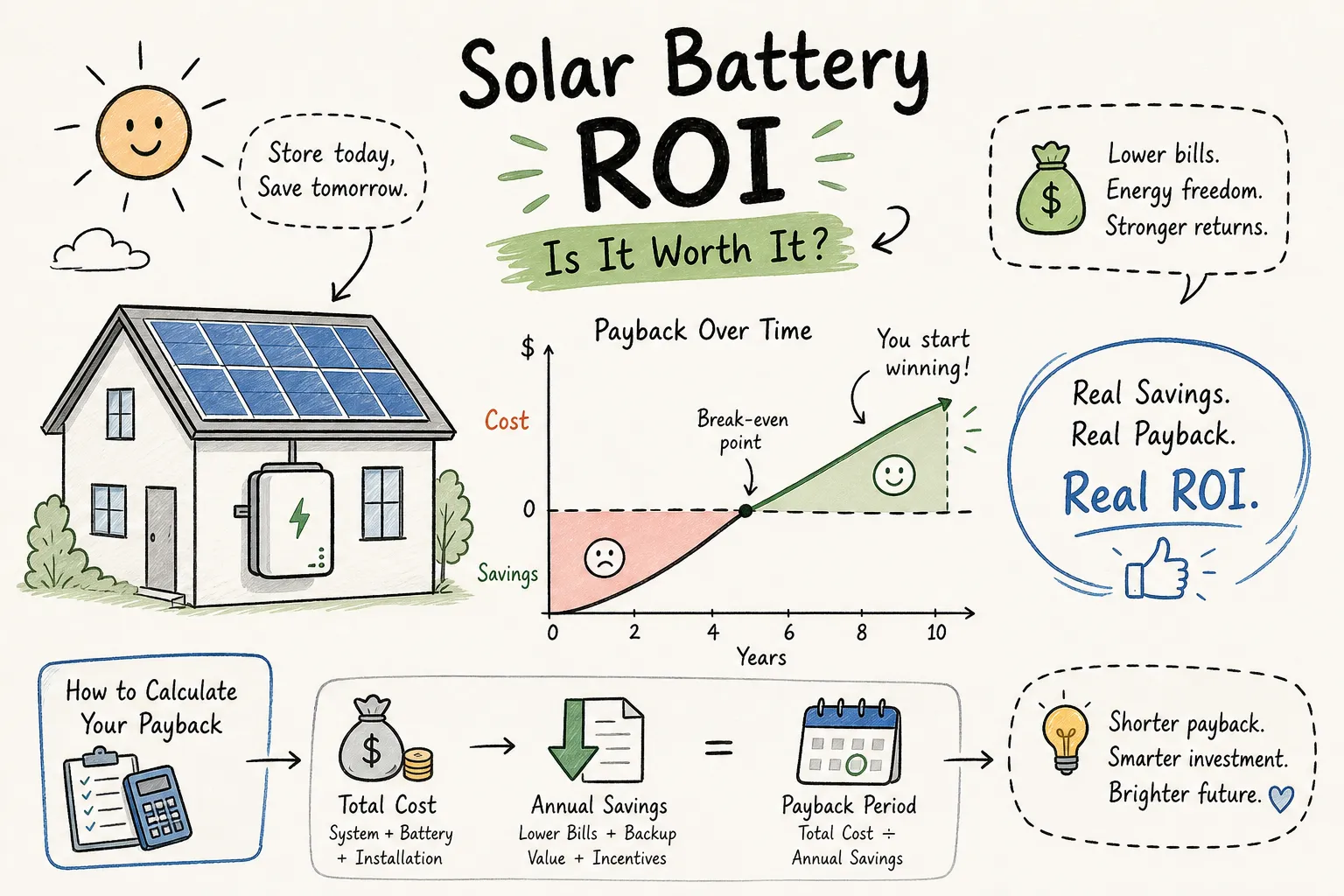
Calculate solar battery ROI with real 2026 costs, state rebates (SGIP, NYSERDA), LFP degradation, and NEM 3.0. Honest payback benchmarks for US homeowners.
Solar Battery ROI: How to Calculate Your Real Payback Period

JM EnergyTech participated in Solar & Storage Live Philippines 2026 and officially entered the Philippine market. We provide reliable tropical-grade LiFePO4 home energy storage solutions for local households and businesses.
JM EnergyTech Debuts at Solar and Storage Live Philippines 2026

JM Energy Tech will attend the Indonesia Battery Show (Booth No.: [A2J4-03]), presenting our products and offering safe, efficient customized solutions to meet the needs of Indonesian households, businesses and project partners.
JM Energy Technology to Showcase Energy Storage Solutions at Indonesia Battery Exhibition
