



Why Do Lithium Batteries Catch Fire
author: JM ENERGY
2025-12-23
Why Do Lithium Batteries Catch Fire? Here’s How Our 51.2V150Ah Power Stack Battery Keeps Your Home Safe
Table of Contents
Article Summary
This post explains why lithium batteries catch fire (thermal runaway from internal shorts, external damage, faulty BMS) with two real U.S. home cases. It highlights how our 51.2V150Ah power stack battery—made by a 10-year Dongguan factory with BYD Blade Cells—solves these risks with simple safety features, real-time monitoring, and U.S.-compliant design.

Introduction: The Big Question for Home Energy Storage
Lithium-ion batteries are everywhere in home solar setups—they’re compact, long-lasting, and keep the lights on during outages. But one question worries many homeowners: Why do lithium batteries catch fire?
As a 10-year lithium/sodium-ion battery manufacturer based in Dongguan, China, we’ve focused on solving this safety concern. Our new 51.2V150Ah 7kWh Power Stack Battery uses BYD’s top-tier blade cells and simple, strong safety features. Below, we break down the main reasons lithium batteries catch fire, share two real U.S. home cases, and explain how our battery stack keeps your home safe.
Why Do Lithium Batteries Catch Fire? The Basics of Thermal Runaway
Most lithium battery fires start with thermal runaway—a chain reaction of heat and chemical damage. Here are the three main triggers:
1. Internal Short Circuits
Inside a battery, a thin separator keeps positive and negative parts apart. If this separator breaks (from poor manufacturing or tiny metal fragments) or gets pierced by “lithium dendrites” (sharp metal growths from bad charging), the two parts touch. This sparks extreme heat and ignites the battery’s flammable liquid.
2. External Damage or Mistakes
Common homeowner missteps or harsh conditions cause most fires:
- Overcharging/overdischarging: Using uncertified chargers or letting the battery die completely too often.
- Physical harm: Knocking, crushing, or dropping the battery (e.g., a tool falling on it in the garage).
- Extreme temps: Storing it in a hot attic (over 140°F/60°C) or freezing basement (below -4°F/-20°C) wears down the battery.
3. Faulty Safety Systems
Batteries rely on a Battery Management System (BMS) to monitor voltage, current, and temperature. Cheap batteries cut corners on BMS quality—so if something goes wrong (like overcharging), the BMS can’t stop it.

Real U.S. Home Cases: Preventable Battery Fires
These two stories show how easily fires happen—and how our power stack battery would stop them.
Case 1: Phoenix, Arizona (2024)
A homeowner bought a generic charger online to speed up their 5kWh battery’s charging. After 8 months, the uncertified charger overloaded the battery. The BMS failed to shut it down, dendrites pierced the separator, and the battery caught fire in the garage. Repairs cost $15,000.
How Our Battery Would Help:Our power stack battery has a JBD-100A-16S Smart BMS that shuts off power instantly if overcharging is detected. We only recommend chargers compatible with top U.S. inverters (DEYE, Growatt, SMA), and BYD Blade Cells resist dendrite growth.
Case 2: Minneapolis, Minnesota (2023)
A family stored their 10kWh battery in a basement that dropped to -13°F (-25°C) during a winter storm. When they tried to recharge the frozen battery, the internal liquid expanded, cracking cells and starting a fire that destroyed the basement.
How Our Battery Would Help:Our battery works safely from -4°F (-20°C) to 140°F (60°C). The BMS pauses charging if it’s too cold, and its insulated design retains heat—perfect for cold northern winters.
Our 51.2V150Ah Power Stack Battery: Safety for U.S. Homes
Our 7kWh power stack battery fixes the issues that cause fires, with features built for everyday use:
1. BYD Blade Cells: Safe by Design
BYD Blade Cells are flat and long (not cylindrical), which:
- Reduces pressure buildup (no explosions).
- Uses a thicker separator that resists damage.
- Spreads heat evenly (no hotspots).
They last 8,000+ charge cycles—that’s 20+ years for most homes.
2. Simple, Strong Protection
We don’t overcomplicate safety—our battery has:
- Voltage protection: Shuts down if levels are too high or low (48V–58.4V).
- Current limits: Max 100A for charging/discharging (no overheating).
- Temperature guards: Shuts off if it’s too hot or cold.
- Tough casing: Resists impacts and crushing (great for garages).
3. Easy Real-Time Monitoring
Check your battery’s status anytime with the LCD display + WiFi/Bluetooth. See voltage, capacity, and temperature on your phone. If there’s a problem (like a voltage imbalance), you’ll get an alert—and the BMS fixes it automatically.
4. Flexible, Space-Saving Installation
Choose between wall-mounted (off the floor, away from kids/pets) or stacked (up to 15 units for 100kWh capacity—perfect for large homes or EV owners). It’s compact (L1100*W456*H137mm) and fits easily in most garages or basements.

Why Choose Our 10-Year Dongguan Factory?
We’ve spent a decade making batteries for global use, with:
- ISO-certified quality: Every power stack battery passes 20+ tests (short-circuit, impact, thermal shock).
- U.S. compliance: Meets UL 1973 safety standards and works with all major U.S. inverters.
- Customization: Low MOQ—get 7kWh, 10kWh, 15kWh, or more, depending on your needs.
Conclusion: Safe Energy Storage Is Within Reach
“Why do lithium batteries catch fire?” The answer boils down to poor design, mistakes, or faulty safety features—all things our power stack battery fixes.
Our 51.2V150Ah power stack battery, powered by BYD Blade Cells and built by a 10-year Dongguan factory, puts safety first. It’s reliable, easy to use, and made for U.S. homes.
Ready to switch to a safer battery stack? Contact us today to learn more or customize your system.

How Long Do Double A Batteries Last
What To Do With Dead Batteries
Related Article
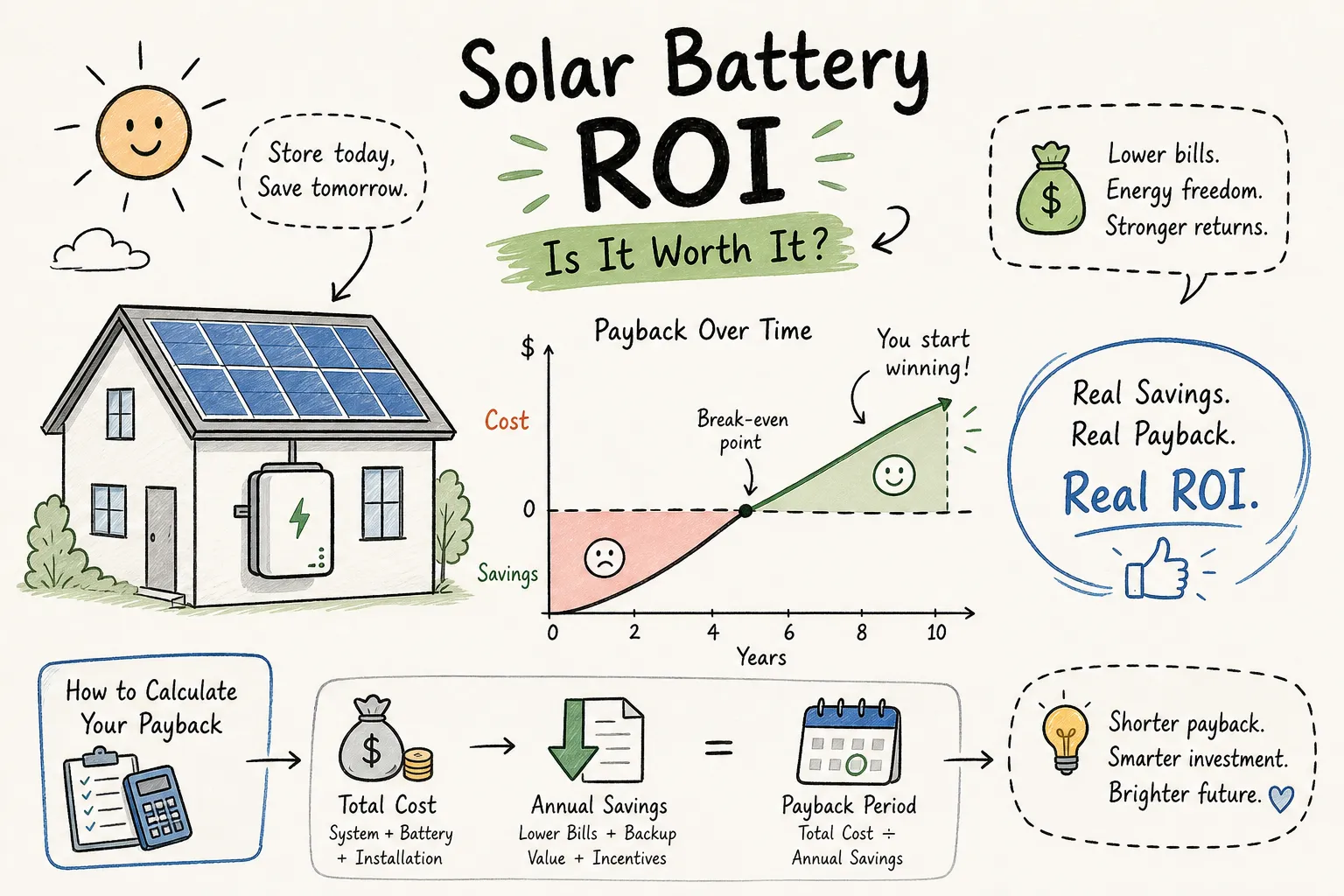
Calculate solar battery ROI with real 2026 costs, state rebates (SGIP, NYSERDA), LFP degradation, and NEM 3.0. Honest payback benchmarks for US homeowners.
Solar Battery ROI: How to Calculate Your Real Payback Period
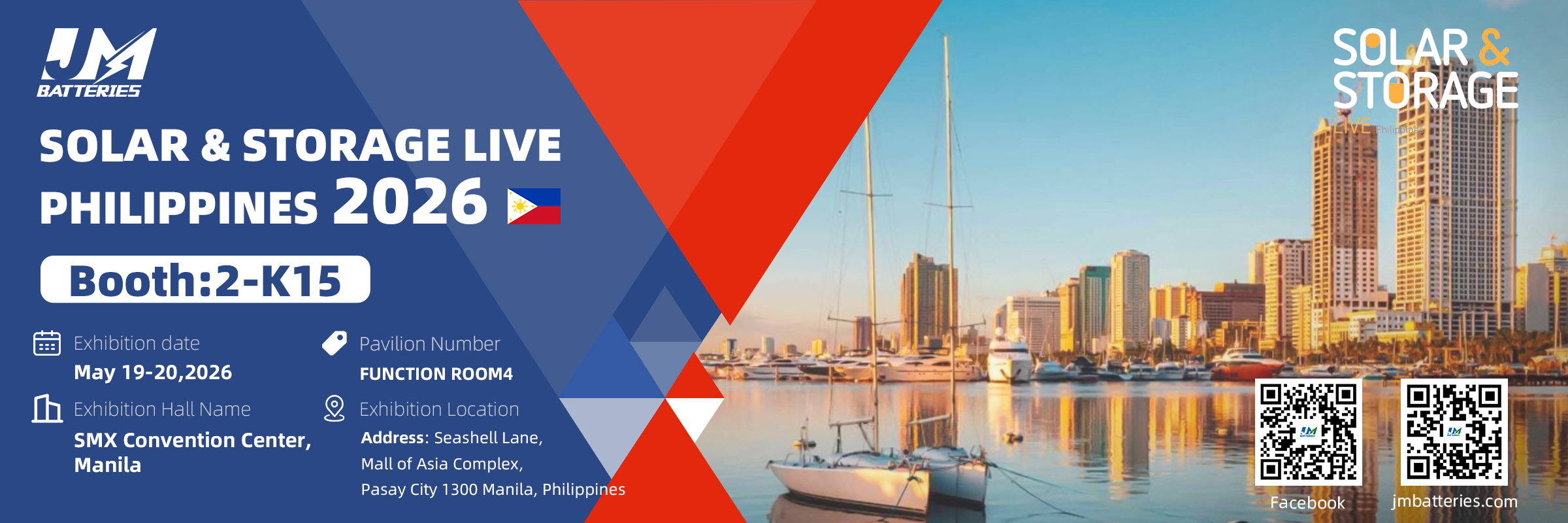
JM EnergyTech participated in Solar & Storage Live Philippines 2026 and officially entered the Philippine market. We provide reliable tropical-grade LiFePO4 home energy storage solutions for local households and businesses.
JM EnergyTech Debuts at Solar and Storage Live Philippines 2026

JM Energy Tech will attend the Indonesia Battery Show (Booth No.: [A2J4-03]), presenting our products and offering safe, efficient customized solutions to meet the needs of Indonesian households, businesses and project partners.
JM Energy Technology to Showcase Energy Storage Solutions at Indonesia Battery Exhibition
