


Can Batteries Freeze Outside
Can Lithium Solar Batteries Freeze Outside? What US Homeowners Actually Need to Know

Table of Contents
Article Summary
As solar adoption grows across the United States, homeowners in colder regions are increasingly concerned about winter performance. This article answers a common question—can lithium solar batteries freeze outside?—by explaining battery chemistry, cold-weather behavior, and real-world performance. We also explore why JM Energy’s 51.2V300Ah 15KWH lithium solar battery is engineered for harsh winter climates.
Introduction
Cold weather is one of the biggest challenges for home energy storage systems. In northern US states, winter temperatures regularly drop below freezing for weeks at a time. Homeowners investing in solar energy often worry that their batteries will freeze, lose capacity, or fail altogether.
This guide is especially useful for homeowners in states such as Minnesota, Colorado, Maine, Michigan, Wisconsin, and Alaska. We break down the science behind battery freezing, explain how lithium solar batteries behave in winter, and share real US family experiences using JM Energy lithium solar batteries in extreme cold.
Can Lithium Solar Batteries Freeze Outside? The Science

Lithium solar batteries rely on electrochemical reactions to store and release energy. As temperatures drop, these reactions slow down, reducing available power. However, this slowdown does not mean the battery is damaged.
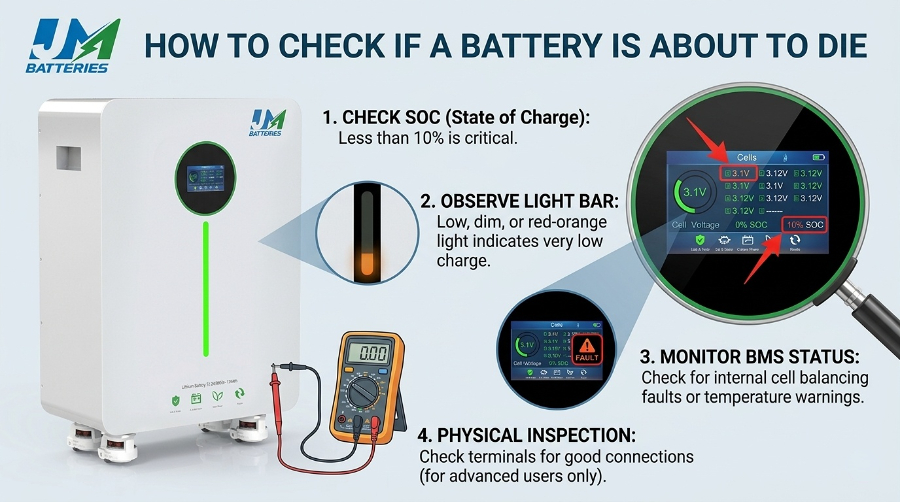
Unlike lead-acid batteries, lithium solar batteries use stable electrolytes with much lower freezing points. LiFePO4 chemistry typically freezes around -4°F (-20°C). Even when temperatures dip below this level, high-quality lithium batteries are protected by a battery management system (BMS) that limits charging and discharging to prevent damage.
According to industry testing standards for LiFePO4 batteries, controlled discharge and charge protection below 32°F (0°C) are critical indicators of winter reliability. When temperatures rise again, lithium batteries recover their full capacity.
Why Lead-Acid Batteries Fail in Winter
Lead-acid batteries contain a liquid electrolyte made of sulfuric acid and water. When temperatures drop below freezing, this liquid can freeze, expand, and permanently damage internal components.
In cold climates, lead-acid batteries often lose capacity, require frequent replacements, and fail unexpectedly during winter storms. This makes them a risky choice for off-grid or backup power systems in northern regions.
Why LiFePO4 Lithium Solar Batteries Are Better for Cold Climates
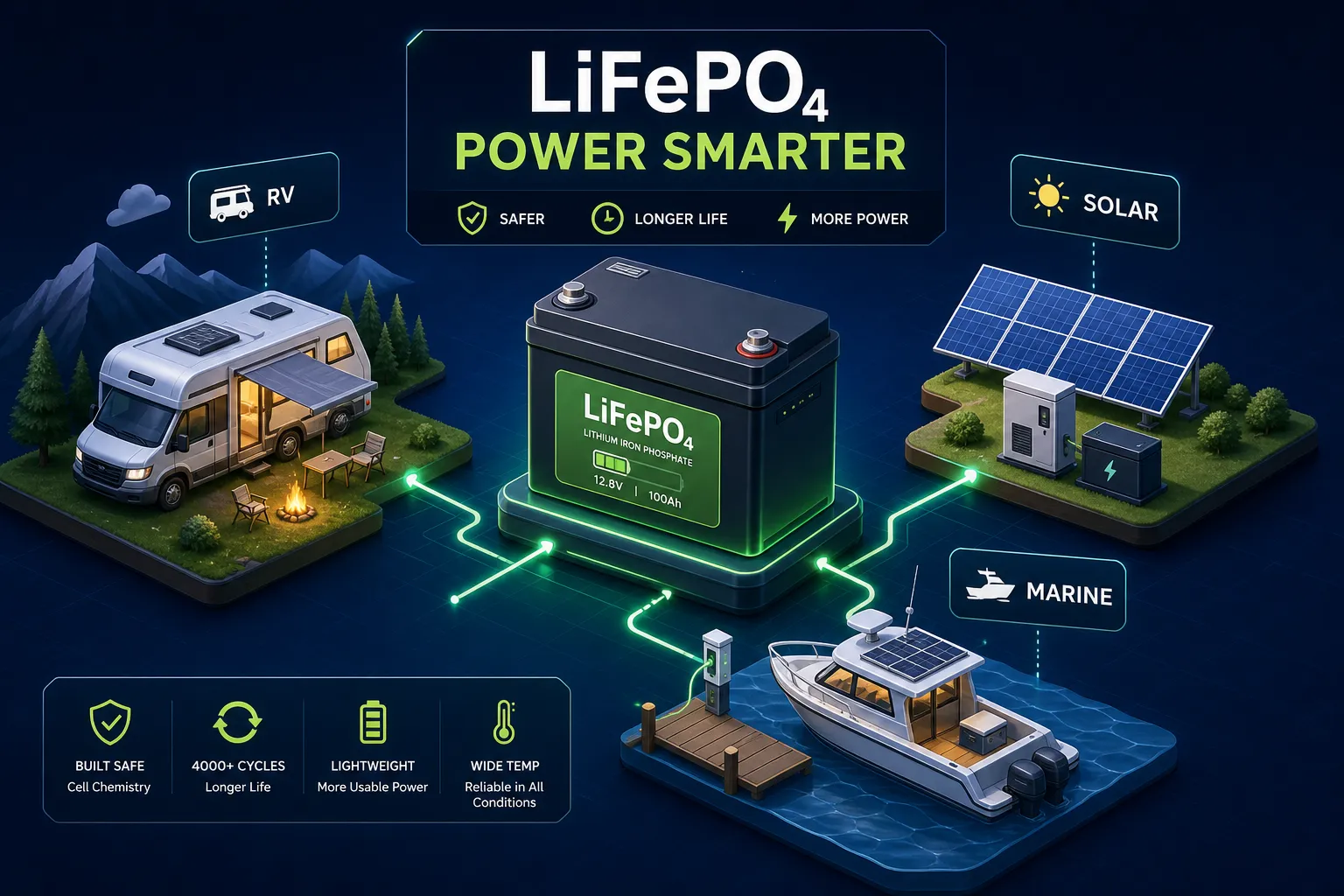
LiFePO4 lithium solar batteries are inherently more stable than other lithium chemistries. They offer better thermal stability, longer cycle life, and safer operation in extreme temperatures.
For cold-climate solar systems, LiFePO4 batteries provide consistent discharge performance, faster recovery after cold snaps, and significantly longer lifespan compared to lead-acid alternatives.
Why JM Energy’s 51.2V300Ah 15KWH Battery Excels in Winter
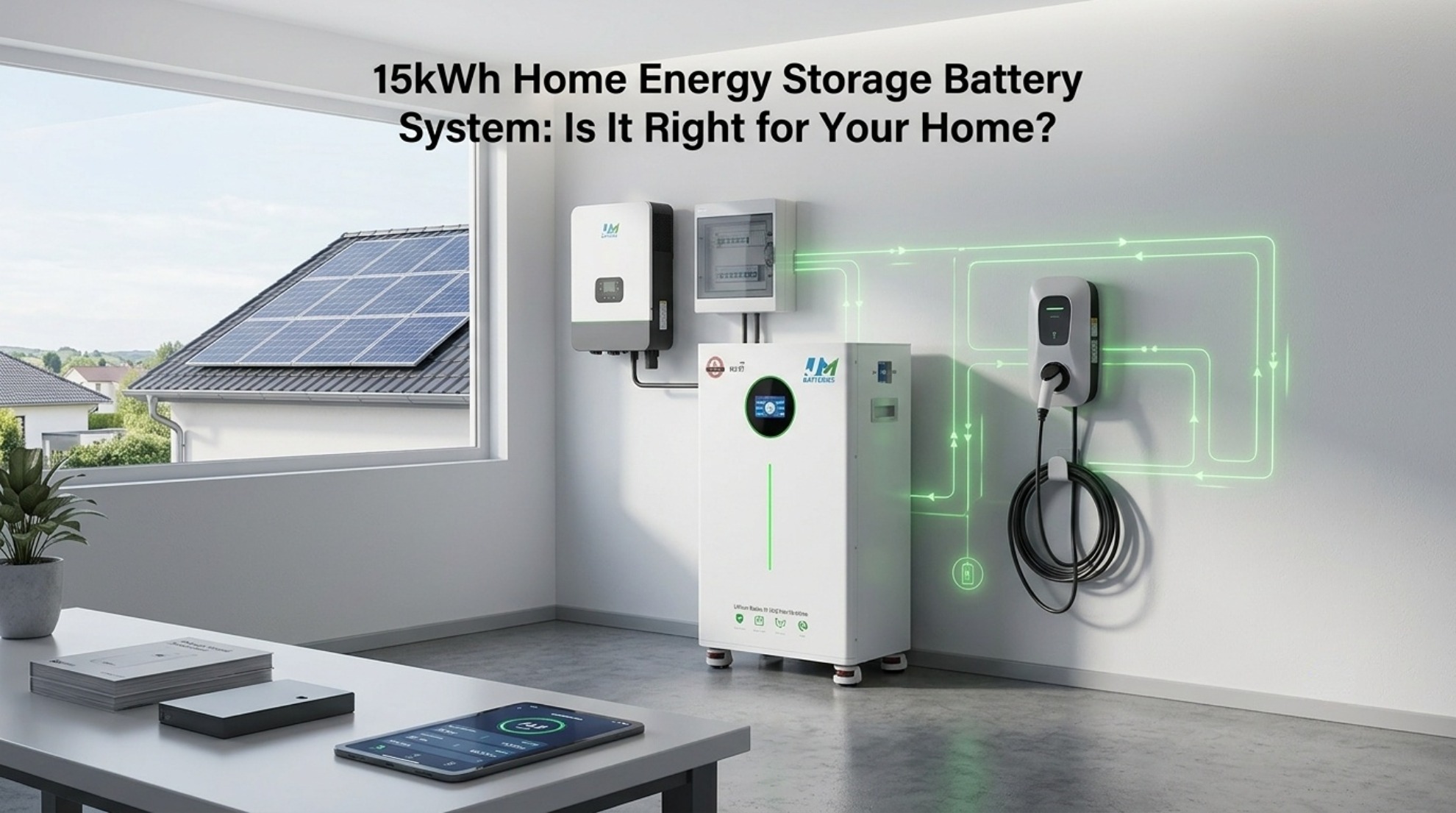
As a lithium battery manufacturer with 10 years of export experience serving the US market, JM Energy designs batteries for real-world winter conditions—not just laboratory tests.
Our 51.2V300Ah 15KWH lithium solar battery features advanced BMS temperature protection, A-grade LiFePO4 cells, and a cycle life exceeding 8000 cycles. This ensures reliable power delivery even during prolonged cold spells.
US Family Case Study: Duluth, Minnesota
The Smith family lives in Duluth, where winter temperatures frequently fall below -15°F. After repeated failures with lead-acid batteries, they switched to JM Energy’s lithium solar battery.
During a severe cold snap reaching -22°F, their JM battery maintained stable performance and uninterrupted power. A year later, the system continues to operate like new.

US Family Case Study: Breckenridge, Colorado
The Garcia family relies on a hybrid solar system to power their mountain home and electric vehicles. After struggling with underperforming batteries in cold weather, they installed JM Energy’s 51.2V300Ah lithium solar battery.
Even during extended grid outages and heavy snowfall, the battery delivered consistent power, kept their home warm, and charged their EVs without interruption.
Common Winter Battery Questions
Do lithium solar batteries lose capacity in cold weather?
Yes, temporary capacity reduction can occur, but performance returns to normal once temperatures rise.
Should lithium solar batteries be installed indoors in winter?
While indoor installation offers extra protection, JM Energy batteries are designed to operate safely in outdoor or garage installations.
Conclusion
So, can lithium solar batteries freeze outside? In real-world conditions, high-quality lithium solar batteries like JM Energy’s 51.2V300Ah 15KWH model are engineered to withstand freezing temperatures without permanent damage.
Backed by advanced BMS protection, LiFePO4 chemistry, and proven performance in US winters, JM Energy lithium solar batteries provide reliable, long-term energy storage for homeowners who refuse to let cold weather stand in the way of solar independence.

How To Charge Li Ion Battery
How Do You Charge Solar Batteries