


How To Check If A Battery Is About To Die
How to Check If a Battery Is About to Die: A Practical Guide for Lithium Solar Batteries & Household Energy Storage

Table of Contents
- Why Battery Health Matters for Your Household Energy Storage
- Key Signs Your Lithium Solar Battery Is About to Die
- How to Check If a Battery Is About to Die: Easy At-Home Tests
- Real US Family Stories: What Happens When Batteries Die
- Why Our 51.2V 300Ah 15kWh Lithium Solar Battery Is the Right Choice
- How to Make Your Lithium Solar Batteries Last Longer
- Final Thoughts
Blog Excerpt
Knowing how to check if a battery is about to die is a must for any homeowner with lithium solar batteries or a household energy storage system. Catch problems early, avoid sudden blackouts, and find out why a high-quality 15kWh ion battery is worth the investment.
More and more American households are making the switch to solar plus energy storage—and for good reason. It cuts down on those sky-high electricity bills, lets you be less dependent on the grid, and keeps the lights on when the power goes out (which, let’s be real, happens more often than we’d like, especially during storms or heatwaves).
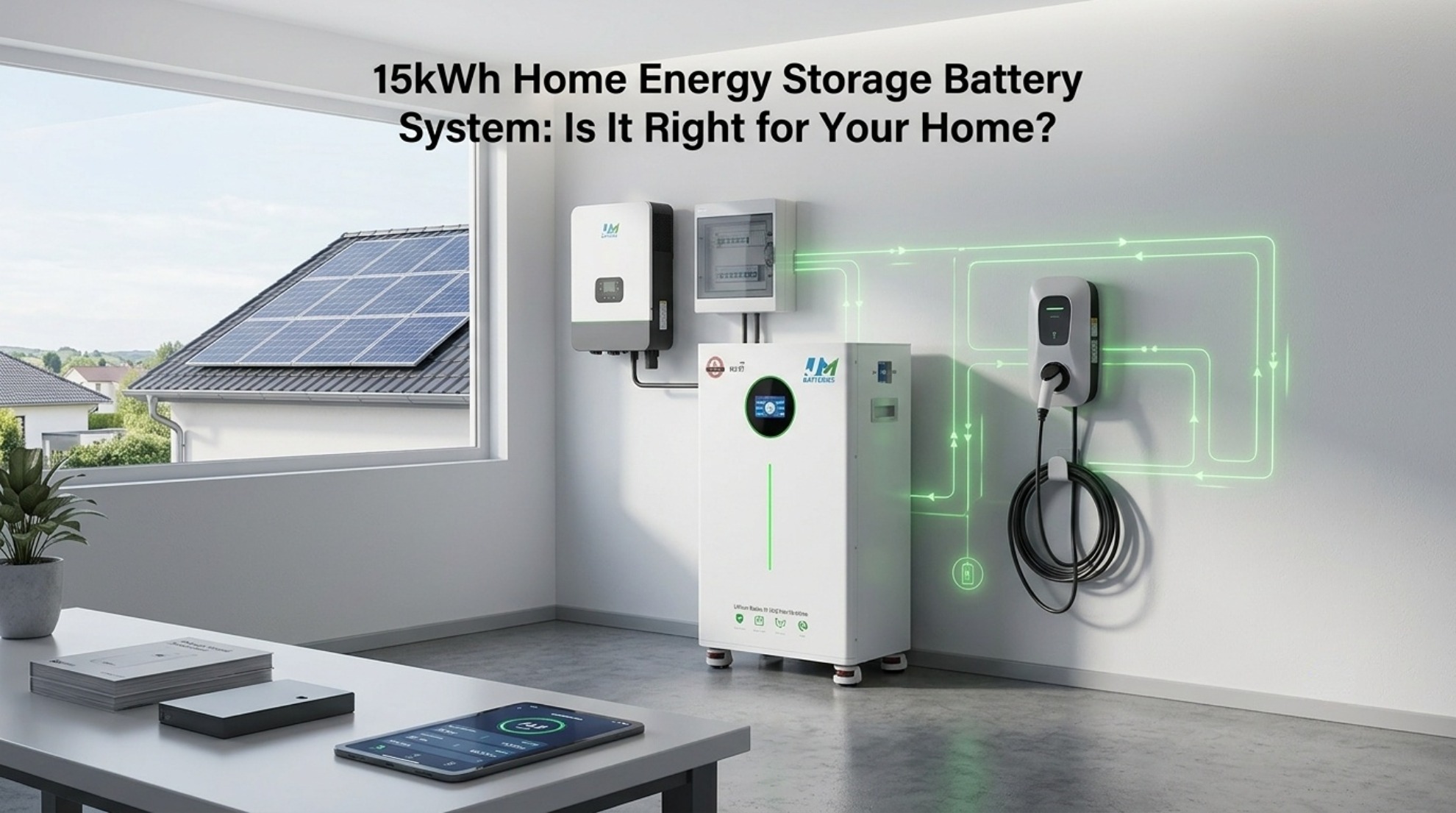
We’re a battery factory based in Dongguan, China, with 10 years under our belt making lithium-ion and sodium-ion batteries for families across the globe. Our newest product—the 51.2V 300Ah 15kWh floor-standing household energy storage system—was built specifically for homes like yours: reliable, easy to install, and tough enough to keep up with your daily needs, whether you’re powering your fridge during a blackout or storing extra solar energy for the evening.
But here’s the thing: even the best lithium solar batteries don’t last forever. Most homeowners only realize their battery is on its last legs when the power cuts out and their storage system fails to kick in. That’s why it’s so important to know how to check if a battery is about to die—catching those early warning signs can save you from a lot of frustration, extra costs, and even safety risks down the line.
In this guide, we’re keeping it simple: no jargon, just straight talk about the signs to watch for, how to test your battery at home, two real stories from American families who learned this lesson the hard way, and why our 15kWh ion battery is a game-changer for household energy storage.
Why Battery Health Matters for Your Household Energy Storage

Your household energy storage system lives or dies by its lithium solar batteries. They’re the ones storing all that extra solar power you collect during the day, so you can use it at night or when the grid goes down. When a battery starts to fail, it’s not just a minor inconvenience—it can leave you in the dark when you need power most, and even pose safety risks like overheating or swelling.
A good lithium solar battery, with proper care, can last 5,000 to 10,000 charge-discharge cycles. But a cheap or poorly made one? You might be replacing it in just 2 or 3 years. Taking a few minutes every month to check your battery’s health can help you get the most out of it, keep your energy storage system running smoothly, and avoid unexpected replacements.
Key Signs Your Lithium Solar Battery Is About to Die
You don’t need to be an electrician to spot a failing battery. These signs are easy to notice, and they’ll tell you exactly how to check if a battery is about to die before it’s too late.
1. It Loses Charge Fast (Way Faster Than Before)
The biggest red flag? Your battery used to power your home for 6 or 8 hours during an outage, but now it’s dead in 1 or 2 hours. That’s a clear sign its capacity is dropping fast.
Here’s what to look for: it charges up to 100%, but as soon as you turn on a few appliances (like your fridge or lights), the charge plummets. Or it can’t even handle basic loads anymore—think: just a few lights and your Wi-Fi router. Once a lithium solar battery’s actual capacity drops below 80% of what it was when it was new, it’s pretty much at the end of its useful life.
2. Voltage Is All Over the Place
Voltage is like your battery’s pulse—it tells you how healthy it is. For most household energy storage systems, you’re using 48V or 51.2V lithium solar batteries, and their voltage should stay consistent.
If your battery’s resting voltage (when it’s not charging or powering anything) is way lower than it should be, or if it drops sharply when you turn on a load, that’s trouble. You might also notice your inverter keeps throwing voltage error alerts—that’s your system telling you something’s wrong with the battery.
3. It Takes Forever to Charge (Or Never Fully Charges)
A healthy lithium solar battery charges quickly—usually in a few hours, depending on how much sun you get. But a dying battery? It might take twice as long to charge, or it’ll stop at 70% or 80% and refuse to go any higher, even on a sunny day.
Maybe you’ve noticed your solar panels are working fine, but your battery never seems to fill up. Or the charging process keeps stopping and starting with error messages. That’s a sure sign your battery is on its way out.
4. It’s Overheating, Swelling, or Damaged
This is the most important sign to watch for—safety first! If your battery feels abnormally hot (like, too hot to touch) when it’s charging or discharging, that’s a problem. Same with a swollen or bulging case—you can usually see this just by looking at it.
Other red flags: rust or corrosion on the terminals, liquid leaking out, or a strange smell (like burning plastic or chemicals). If you notice any of these, stop using the battery immediately—it’s unsafe and could catch fire or explode.
5. Your System Keeps Glitching or Shutting Down
Most modern household energy storage systems have a smart battery management system (BMS) that monitors your battery’s health. If you’re getting constant alerts for low capacity, high temperature, or cell imbalance, that’s your system trying to tell you something.
Or maybe the system shuts down randomly, even when the battery should have charge. Or your app or inverter display shows communication errors. These glitches aren’t just annoying—they’re a clear sign your lithium solar battery is worn out.
How to Check If a Battery Is About to Die: Easy At-Home Tests
You don’t need expensive tools to check your battery’s health—just a little time and some basic supplies. Here’s how to do it.
1. Do a Visual Check
Start with the simplest test: just look at your battery. Check for swelling, cracks, or leaks. Make sure the cables are tight and clean (no rust or burn marks). Feel the surface—should be warm, not hot. And take a whiff—any strange smells mean trouble.
2. Test the Voltage with a Multimeter
A basic multimeter (you can get one for $20 at any hardware store) is all you need to check voltage. Disconnect the battery from the charger and any loads, then measure the resting voltage. For a 51.2V lithium solar battery, a healthy resting voltage is around 51.2V to 54V. If it’s way lower than that, your battery is failing.
3. Test the Runtime
This one’s simple: fully charge your household energy storage battery, then turn on some typical loads (like your fridge, lights, and Wi-Fi) and time how long it lasts. If it’s way shorter than it used to be—say, 2 hours instead of 6—your battery’s capacity is shot.
4. Check Your App or Inverter Data
Most systems let you log into an app or check the inverter display to see long-term data. Look at things like daily charge/discharge cycles, voltage trends, and temperature. If you see consistent abnormal readings (like voltage dropping fast, or frequent high-temperature alerts), your ion battery is on its last legs.
US Family Stories: What Happens When Batteries Die

Case 1: The California Family That Got Stranded During a Storm
A family in Los Angeles installed a mid-range lithium solar battery system 4 years ago, hoping it would keep them powered during wildfires and winter storms. They never paid much attention to the battery’s health—until a heavy rainstorm hit, and the grid went out.
Their household energy storage system only powered their lights and a small fan for 30 minutes before dying. They were left in the dark, with no way to keep their fridge cold or charge their phones. When they had a technician check it out, they learned the battery’s capacity had dropped to just 65% of its original rating. It had been showing signs for months—slow charging, slightly warm casing, and low voltage alerts on their app—but they ignored them.
They replaced their old battery with our 51.2V 300Ah 15kWh lithium solar battery, and now? During outages, it powers their fridge, Wi-Fi, lights, and even their medical equipment for over 8 hours. No more panic during storms.
Case 2: The Texas Homeowner Who Wasted Money on a Cheap Battery
A homeowner in Texas bought a cheap imported ion battery 3 years ago to save money. At first, it worked fine—but after a year, he started noticing problems. His solar panels would work all day, but the battery never fully charged. His backup power only lasted 1 or 2 hours, so he had to rely more on the grid—and his electricity bills started going up.
He also noticed the battery got hot when he used it heavily, but he figured it was “normal.” Eventually, he called a technician, who told him the battery had severe capacity loss and high internal resistance—it was unsafe to use, and it was costing him more money in the long run.
He upgraded to our 15kWh household energy storage system, and the difference was night and day. His backup runtime doubled, his bills went down, and he no longer worries about the battery overheating.
Why Our 51.2V 300Ah 15kWh Lithium Solar Battery Is the Right Choice

If your battery is on its way out, you need a replacement you can trust. Our 51.2V 300Ah 15kWh household energy storage battery was built with American homes in mind—and with 10 years of manufacturing experience, we know what works.
Here’s what makes it stand out:
-
10 years of expertise: We’re a trusted factory in Dongguan, China, making high-quality batteries for global customers.
-
Plenty of capacity: 51.2V 300Ah (15kWh) is more than enough to power your home during outages or store extra solar energy.
-
Long-lasting: Slow capacity loss and a high cycle life mean it’ll last for years (no more replacing batteries every 2–3 years).
-
Safe: Advanced lithium-ion chemistry and a built-in smart BMS protect against overcharging, over-discharging, and short circuits.
-
Easy to install: Floor-standing design fits perfectly in garages or utility rooms, and it’s compatible with most mainstream solar inverters.
-
Reliable: Strict quality control means it meets international safety standards—so you can count on it when you need it most.
Thousands of families worldwide trust our lithium solar batteries for their household energy storage needs—and we think you will too.
How to Make Your Lithium Solar Batteries Last Longer
Now that you know how to check if a battery is about to die, you can also take steps to make your new battery last as long as possible. Here are a few easy tips:
-
Don’t let it discharge too much: Keep the charge above 20% whenever possible—deep discharges wear out batteries fast.
-
Keep it cool: Install your battery in a cool, dry, well-ventilated area (no direct sunlight or extreme heat).
-
Check the connections: Keep the terminals clean and tight—loose or corroded connections can damage the battery.
-
Follow the rules: Charge your battery according to the manufacturer’s instructions—don’t overcharge it.
-
Update the software: Regularly update your BMS and inverter software to keep your system running smoothly.
With a little care, your lithium solar battery can last 2–3 years longer than it would otherwise.
Final Thoughts
At the end of the day, knowing how to check if a battery is about to die is one of the most important things you can do as a homeowner with household energy storage. Those early warning signs—fast capacity loss, unstable voltage, slow charging, overheating, and system glitches—are there to help you avoid sudden blackouts, safety risks, and extra costs.
The two families we talked about learned that the hard way—but you don’t have to. Take a few minutes every month to check your battery’s health, and when it’s time to replace it, choose a reliable option like our 51.2V 300Ah 15kWh lithium solar battery.
We’ve been making batteries for 10 years, and we’re committed to providing American families with safe, efficient, and durable household energy storage solutions. Whether you’re replacing an old battery or building a new solar system, we’re here to help you stay powered—no matter what.
Don’t wait until your battery dies completely. Check it regularly, listen to the warning signs, and invest in a battery that will keep your home running smoothly for years to come.

LiFePO4 Battery Buyer's Guide: RV, Solar & Marine
How To Wire Batteries In Series