


How Do Battery Energy Storage Systems Work
How Do Battery Energy Storage Systems Work? A Practical Guide for Homeowners

Table of Contents
If you’re shopping for home energy storage, you’ve probably asked one simple question: How do battery energy storage systems work?
You don’t need an engineering degree to understand the basics. Today, we’ll explain residential energy storage in clear, straightforward language—no confusing jargon. We’ll also share why lithium iron phosphate batteries have become the most trusted choice for American homes, introduce our brand-new 51.2V 100Ah 5.12kWh domestic battery solution, and show you real results from two U.S. families using these systems every day.
As a Dongguan, China–based manufacturer with 10 years of experience building lithium-ion and sodium-ion batteries, we design products that balance safety, durability, and real-world value. Our latest wall-mounted battery bank is built specifically for residential solar and backup power—and it’s already helping homeowners across the U.S. take control of their energy.
What Is a Battery Energy Storage System (BESS), Anyway?

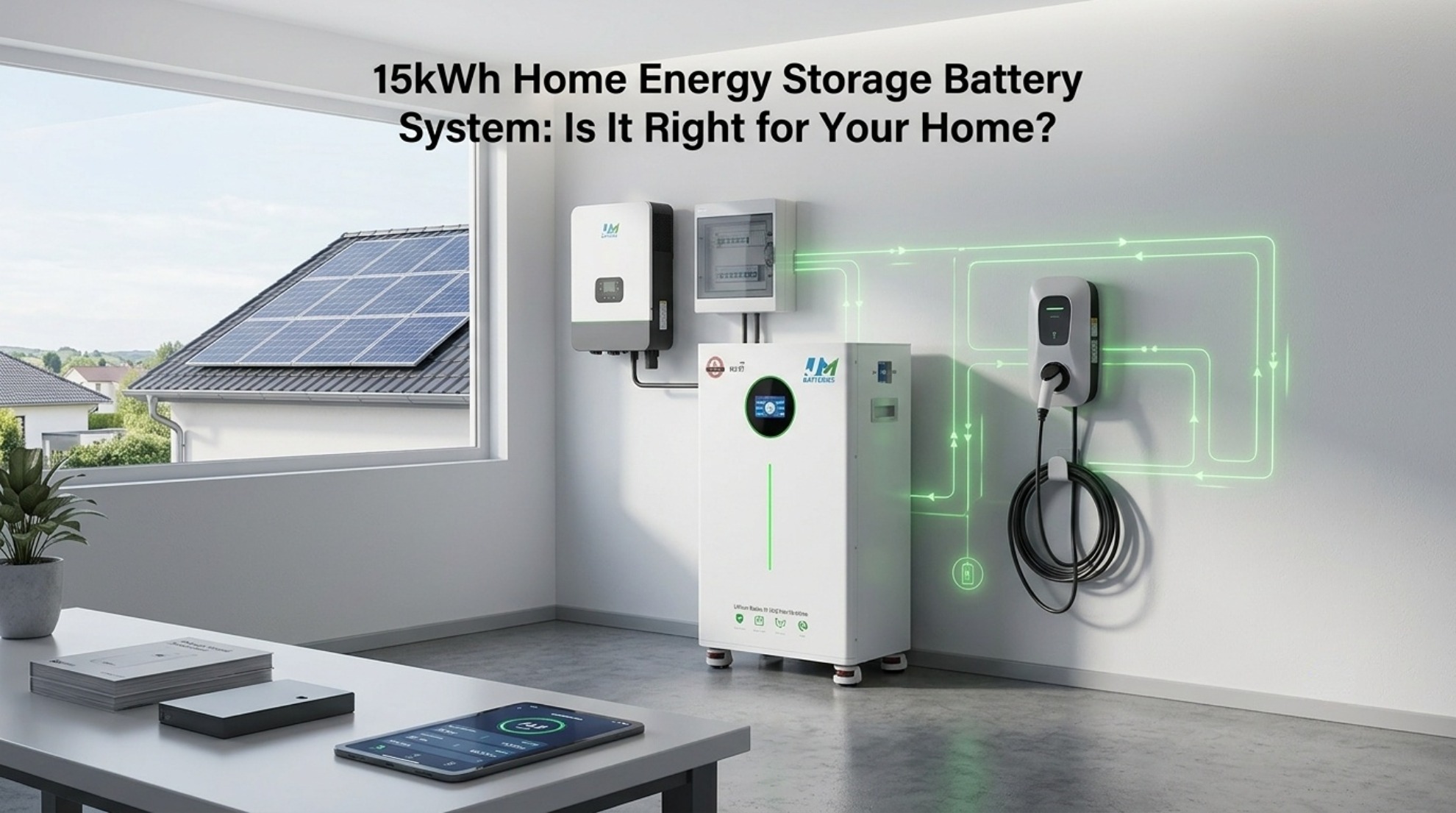
At its core, a battery energy storage system is a smart setup that captures electricity, stores it safely, and releases it when you need it most. Think of it as a “personal power bank” for your entire house—just much larger, more intelligent, and built to work with your solar panels or the electric grid.
A typical home storage system includes four key parts:
- Battery Cells & Packs – The storage core, most often lithium iron phosphate batteries for residential use.
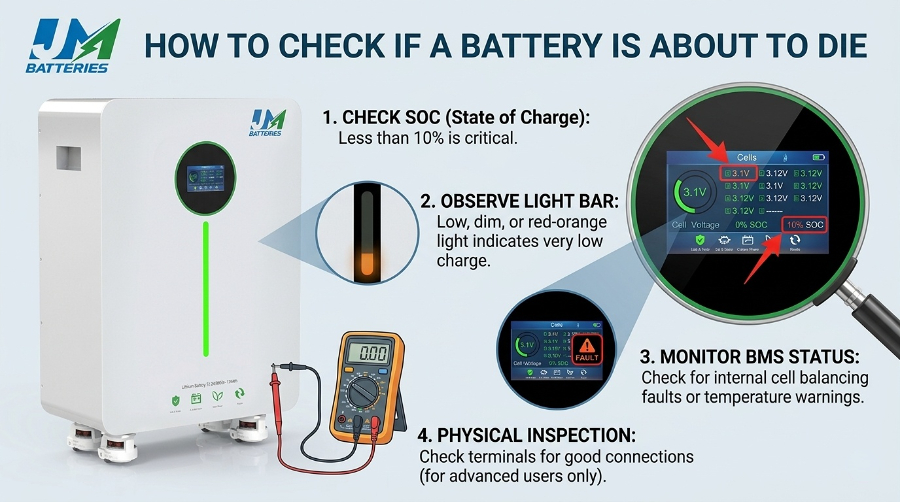
- Battery Management System (BMS) – The “brain” that protects cells, balances voltage, and monitors temperature 24/7.
- Power Conversion System (PCS) – Converts power between DC (batteries) and AC (your home appliances).
- Control Panel – Lets you set charging times, check usage, and switch to backup mode automatically.
Together, these parts turn a basic battery bank into a fully functional domestic battery system that lowers bills, boosts self-sufficiency, and keeps your lights on when the grid goes down.
How Do Battery Energy Storage Systems Work? Step-by-Step
The entire process boils down to two simple cycles: charging and discharging. Both happen automatically, thanks to smart electronics and safe electrochemical reactions inside lithium iron phosphate batteries.
1. Charging: Storing Power for Later
When your solar panels make extra electricity, or when grid power is cheaper (usually at night), your system goes into charging mode:
- Solar or grid power flows into the system.
- The PCS converts power to a stable DC current for the batteries.
- Energy is stored as chemical energy in the lithium iron phosphate cells.
- The BMS keeps charging safe, balanced, and efficient—no overcharging, no overheating.
Our 51.2V 100Ah 5.12kWh domestic battery is built to charge quickly from solar or grid power, with minimal energy loss.
2. Discharging: Powering Your Home When You Need It
When you need electricity—at night, during peak billing hours, or in a blackout—the system switches to discharge mode:
- The BMS activates a safe, steady output.
- Stored chemical energy turns back into electrical energy.
- The PCS converts DC power to standard AC power for your lights, fridge, TV, and devices.
- Power goes straight to your home—no waiting, no noisy generators.
This back-and-forth is what makes a battery bank so practical. You store power when it’s abundant or low-cost, then use it when prices are high or the grid fails.
3. Standby & Safety Protection
When your system isn’t charging or discharging, it stays in standby. The BMS continues monitoring cell health, and the system is ready to activate instantly if needed. Built-in safeguards protect against overvoltage, overcurrent, short circuits, and extreme temperatures—keeping your home and battery investment safe.
Why Lithium Iron Phosphate Batteries Are #1 for Home Use
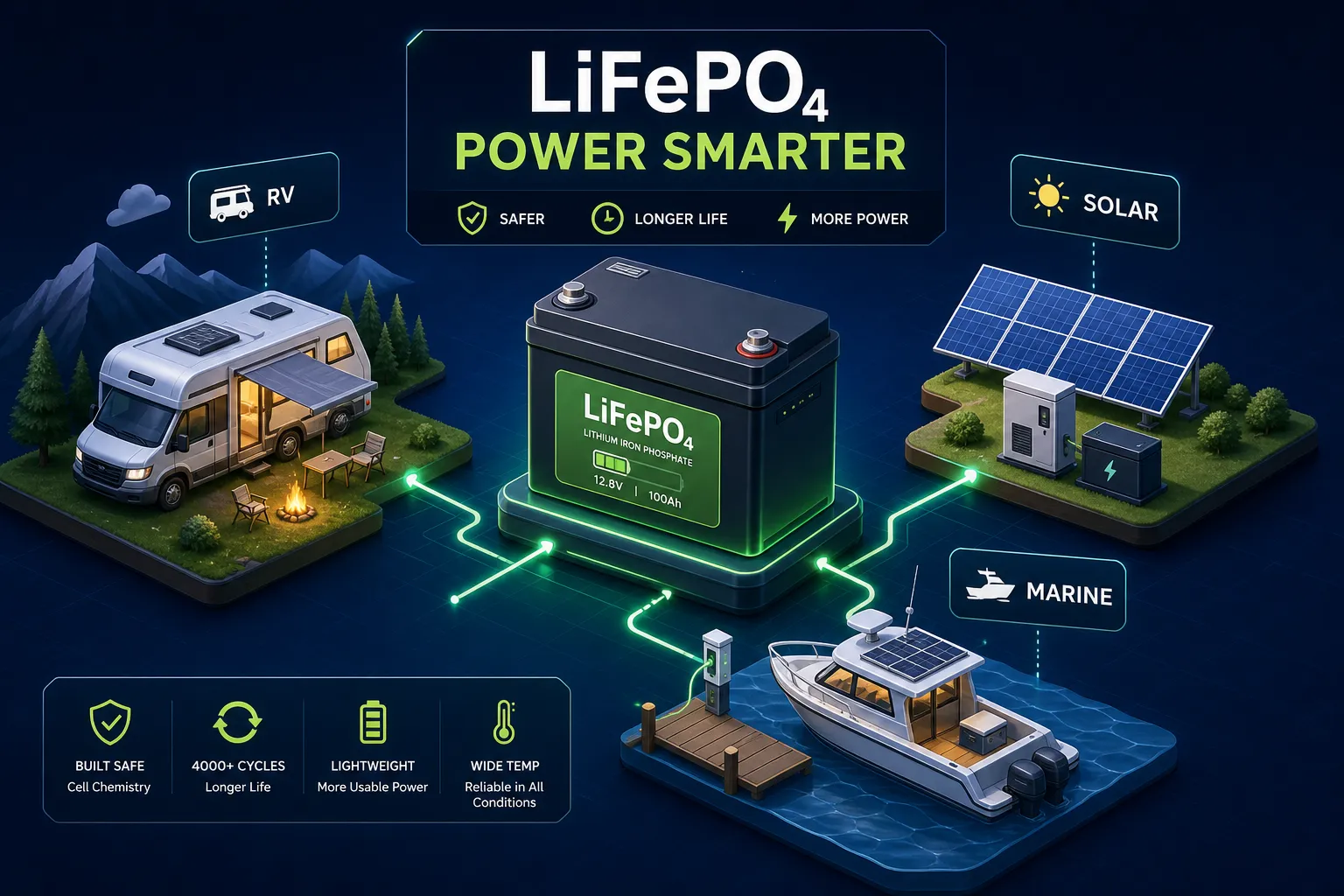
Not all batteries are made equal. For residential energy storage, lithium iron phosphate (LiFePO4) batteries outperform lead-acid and other lithium-ion options in almost every category:
- Safer chemistry – Much lower risk of overheating or fire.
- Longer lifespan – 6,000 to 10,000 cycles, compared to 1,000–2,000 for lead-acid.
- Consistent performance – Stable voltage output in hot and cold weather.
- Eco-friendly – No toxic heavy metals like cobalt or nickel.
- Low maintenance – No watering, no special care required.
If you want a domestic battery that lasts 10+ years and works reliably every day, lithium iron phosphate batteries are the clear choice.
Our New 51.2V 100Ah 5.12kWh Lithium Iron Phosphate Domestic Battery Bank

Built on 10 years of manufacturing expertise, our new wall-mounted battery is designed for modern American homes.
Key details:
- Chemistry: Lithium iron phosphate (LiFePO4)
- Voltage: 51.2V
- Capacity: 100Ah
- Total energy: 5.12kWh
- Installation: Wall-mounted, space-saving
- Compatibility: Most residential solar & grid-tied systems
This battery bank is perfect for daily solar self-consumption, peak-time bill reduction, and emergency backup power. It’s easy to install, quiet, and can be expanded with additional batteries if you need more storage later.
How Battery Storage Works for Real U.S. Families – Two Case Studies
Numbers and specs matter, but real-life results tell the full story. Here are two examples of American households using lithium iron phosphate batteries to improve their daily lives.
Case Study 1: California Family Cuts Electric Bills by 45%
Location: Los Angeles suburbs
Home: 3-bedroom, 2-bath single-family house
System: 6kW solar + 5.12kWh lithium iron phosphate domestic battery
Goal: Lower TOU electric bills & stay powered during PSPS outages
Results: Monthly bill reduced by ~45%, reliable backup during outages, predictable yearly energy costs.
Case Study 2: Texas Home Stays Comfortable During Storm Outages

Location: Dallas suburbs
Home: 4-bedroom, 2-bath with central A/C
System: 5kW solar + 5.12kWh lithium iron phosphate battery bank
Goal: Reliable backup power & lower summer cooling costs
Results: No spoiled food, no lost workdays, quiet & clean backup, lower monthly utility costs.
How to Choose the Right Domestic Battery Bank
Before you buy a home storage system, keep these practical tips in mind:
- Choose the right capacity – Most homes do well with 5kWh–10kWh of storage.
- Stick with LiFePO4 – Always choose lithium iron phosphate batteries for safety and lifespan.
- Look for 48V/51.2V systems – More efficient and safer for residential installs.
- Check cycle life – Aim for 6,000+ cycles at 80% depth of discharge.
- Make sure it’s expandable – Pick a system you can add to later.
Our 51.2V 100Ah 5.12kWh domestic battery checks every box for safety, performance, and flexibility.
Our 10 Years of Battery Manufacturing Experience
Based in Dongguan, China, we’ve spent a decade refining lithium-ion and sodium-ion battery production for customers worldwide. We combine advanced manufacturing, strict quality control, and customer-focused design to build lithium iron phosphate batteries, battery bank systems, and domestic battery solutions that perform in real homes.
Conclusion
To put it simply: battery energy storage systems capture electricity, store it safely, and deliver it when you need it most. lithium iron phosphate batteries make that process safer, longer-lasting, and more cost-effective than any other residential option.
Whether you want to maximize solar self-consumption, lower monthly bills, or keep your family powered during outages, a high-quality domestic battery and battery bank can change how you use energy for the better.
For more details about our 51.2V 100Ah 5.12kWh lithium iron phosphate battery.
You can visit our official website: //www.jmenergytech.com

How To Wire Batteries In Series
What Is A Battery