


Can Lithium Batteries Catch Fire When Not In Use
Can Lithium Batteries Catch Fire When Not in Use? The Truth About Safe Home Battery Systems
Introduction
More U.S. homeowners are switching to solar power and home battery storage to cut grid reliance and save on bills. But one common worry lingers: “Can lithium batteries catch fire when not in use?” It’s a valid concern, thanks to occasional news of battery incidents. But the truth is, fires almost never happen with well-made batteries—like our home battery system.
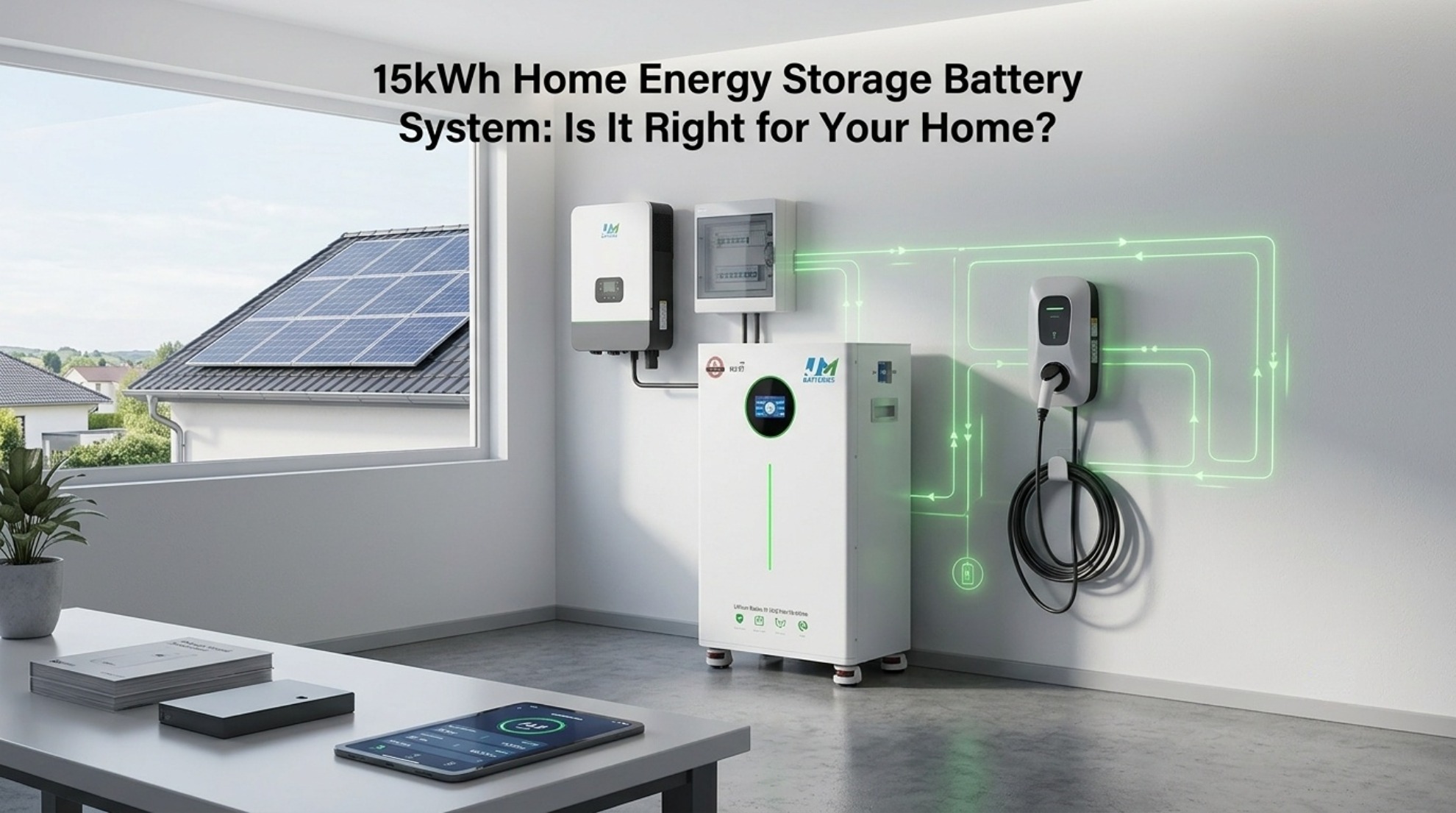
Based in Dongguan, China, we’ve spent 10 years building lithium and sodium-ion batteries for global customers. Our new 51.2V300Ah-15KWH home battery system joins our trusted 48v lithium battery, 200ah lithium battery, and 48 volt lithium ion battery lineup. In this blog, we’ll break down why idle lithium batteries rarely catch fire, share two true stories from U.S. families, and explain how our home battery system keeps your home safe—even when it’s not charging or discharging.

Can Lithium Batteries Catch Fire When Not in Use? The Facts
Let’s get straight to it: Can lithium batteries catch fire when not in use? Only if they’re cheap, damaged, or poorly designed. Quality lithium batteries use stable chemical reactions to store energy, and those reactions stay calm when the battery is idle. Fires usually come from thermal runaway—a dangerous temperature spike triggered by specific issues, not just sitting unused.
Thermal runaway happens if:
- The battery uses low-grade cells (not safe LiFePO4 cells).
- It’s dented, punctured, or exposed to water.
- The Battery Management System (BMS) is faulty (fails to regulate voltage/temperature).
- It’s stored in extreme conditions (over 140℉/60℃, direct sunlight, or high humidity).
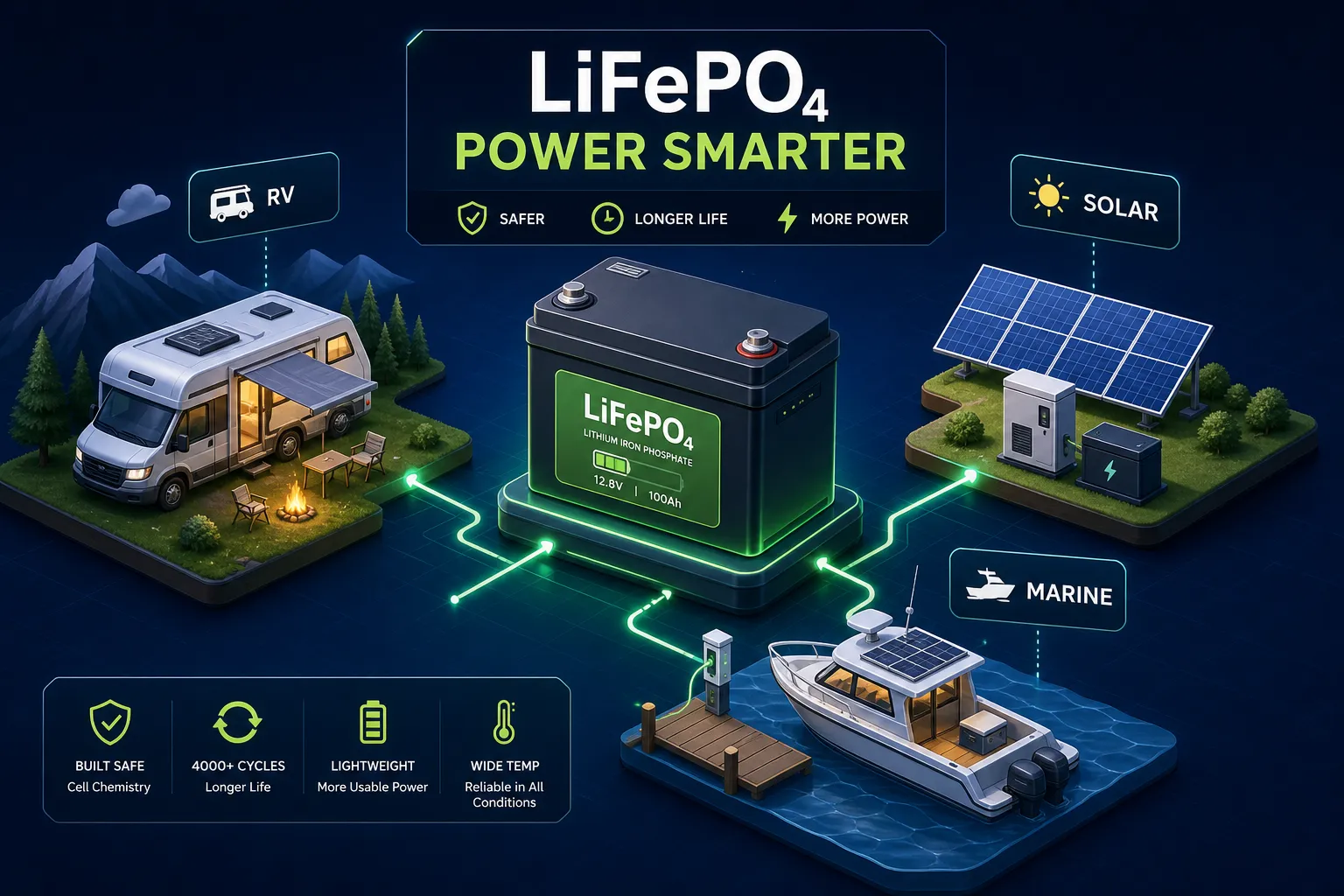
Our 48v lithium battery, 200ah lithium battery, 48 volt lithium ion battery, and 51.2V300Ah-15KWH home battery system avoid these risks. We use A-grade LiFePO4 (LFP) cells—far more stable than other lithium chemistries—and a top-tier BMS that works 24/7, even when the battery is idle.
U.S. Home Case 1: A 48 Volt Lithium Ion Battery Survives Colorado’s Winter Blizzard
The Martinez family in Denver installed our 51.2V300Ah-15KWH home battery system (a 48 volt lithium ion battery) in early 2023 to beat winter blackouts. When a blizzard hit that February, their solar panels were covered in snow for five days—leaving the battery idle in an unheated garage, where temperatures dropped to 5℉ (-15℃).
When the snow melted, they flipped the switch—and the battery worked perfectly. “We worried about it sitting in the cold, but it powered our fridge and heat right away,” Mr. Martinez said. “Six months later, it’s still going strong.”
Our 48 volt lithium ion battery is built to handle -40℉ to 140℉, and the BMS monitored it nonstop during the idle period. No overheating, no fire risk—just reliable safety.
U.S. Home Case 2: A 200ah Lithium Battery Holds Up in Arizona’s Heatwave
The Thompsons in Phoenix bought our 200ah lithium battery (part of our home battery system) for their vacation home in 2021. They only visit 3–4 times a year, so the battery sits idle for months.
In July 2022, Phoenix saw a record heatwave—113℉ (45℃) for two weeks. The vacation home’s garage hit 122℉ (50℃) without AC. When the Thompsons returned, they were shocked: the battery was undamaged and held its charge. “We feared the heat would cause a fire, but it worked like new,” Mrs. Thompson said.
Our 200ah lithium battery’s LiFePO4 cells withstand up to 392℉ (200℃), and the BMS’s temperature protection kept it safe. Even in extreme heat, idle time was no risk.

Why Our Home Battery System Is Safe When Idle
Safety is our top priority. Here’s how we ensure our home battery system (and 48v lithium battery, 200ah lithium battery, 48 volt lithium ion battery) stays safe—even when not in use:
1. Safe LiFePO4 Cells
We use A-grade LiFePO4 cells, the safest lithium chemistry for homes. They don’t release oxygen when overheated and resist thermal runaway—even if damaged.
2. 24/7 BMS Protection
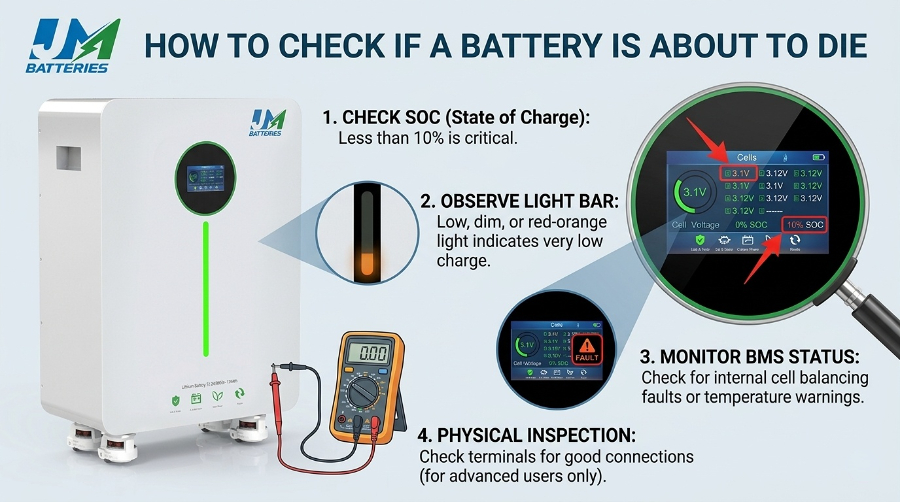
Our advanced BMS monitors voltage, temperature, cell balance, short circuits, and overcurrent—nonstop. It fixes issues before they escalate, even when the battery is idle.
3. Durable, Fire-Resistant Design
The battery is housed in a heavy-duty metal case that’s fire-resistant and impact-proof. It has wheels for easy moving but stays stable and protected in garages or utility rooms.
4. Trusted Certifications
All products meet international standards (MSDS, UN38.3, CE, ROHS, ISO, IEC) and pass rigorous testing—temperature, impact, short circuit, and 8000-cycle life tests.
5. 10-Year Warranty
We back our batteries with a 10-year warranty. If you have issues with your home battery system or 48v lithium battery, our team has you covered.

Conclusion: Choose a Safe, Reliable Home Battery System
So, can lithium batteries catch fire when not in use? Only if they’re low-quality. Our 10-year-experienced Dongguan factory’s home battery system—including 48v lithium battery, 200ah lithium battery, 48 volt lithium ion battery, and 51.2V300Ah-15KWH options—eliminates that risk with LiFePO4 cells, 24/7 BMS, and strict quality control.
The Martinez and Thompson families are proof: our batteries stay safe during long idle periods, extreme weather, and everyday use. Whether you’re storing solar energy, preparing for outages, or cutting bills, our home battery system delivers performance without the worry.
As a manufacturer, we’re proud to offer U.S. homeowners affordable, high-quality energy storage. Contact us today to find the perfect 48v lithium battery, 200ah lithium battery, or 48 volt lithium ion battery for your home—so you can rest easy, even when your battery is idle.
How Can You Store Solar Energy
How To Neutralize Battery Acid