


Can You Have Battery Storage Without Solar
Can You Have Battery Storage Without Solar?
Battery Storage Myth Explained

Many homeowners assume battery storage only works with solar panels. In reality, modern home batteries are designed to store electricity from multiple sources — including the utility grid. Solar pairing is optional, not required.
A standalone battery system allows homeowners to store inexpensive off-peak electricity and use it when rates are highest or during outages. This flexibility makes battery storage valuable even for homes where solar installation is impractical.
How Battery Storage Works Without Solar
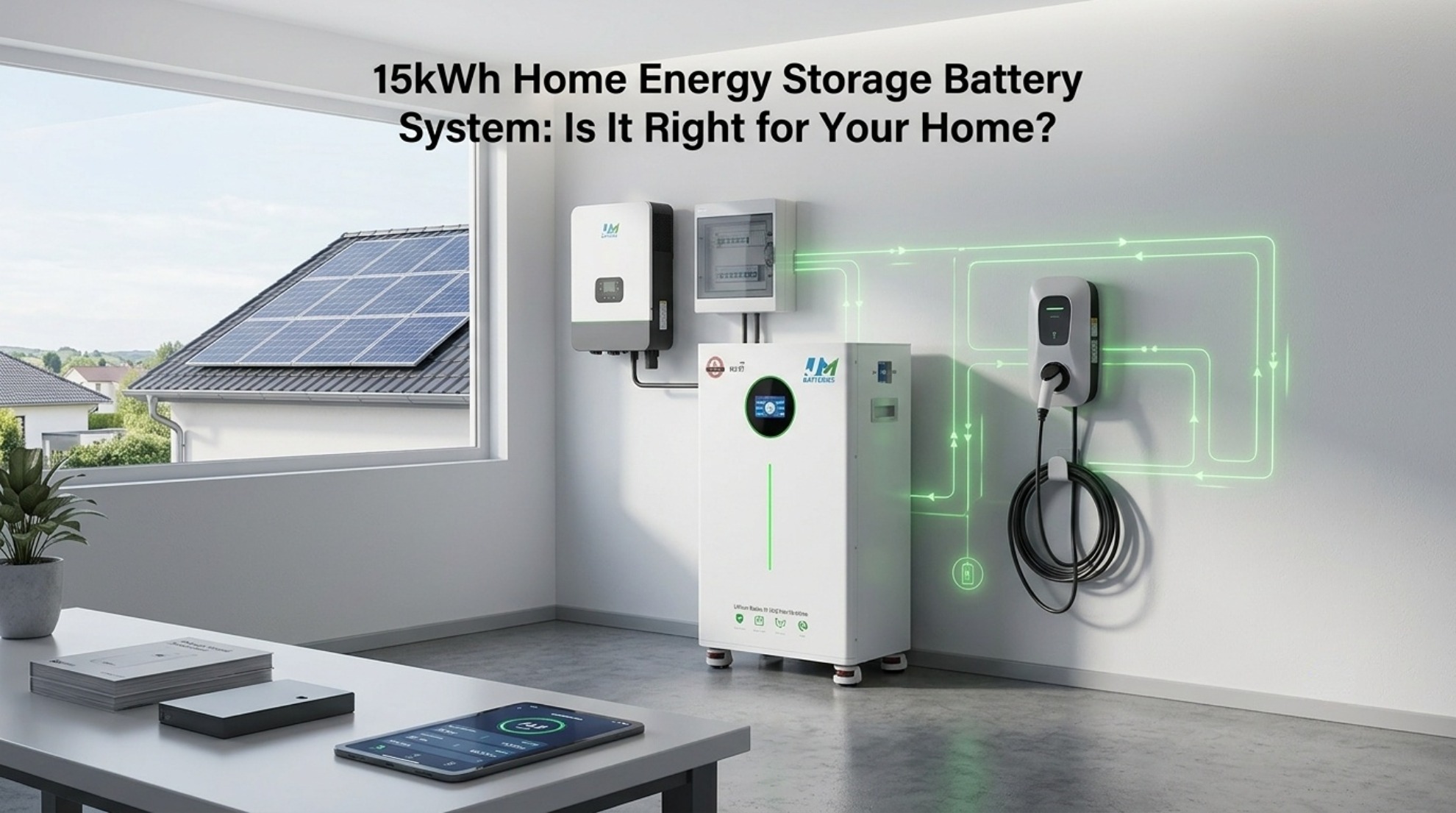
A home battery connects to your electrical panel through an inverter. During off-peak hours, the battery charges from grid power. When electricity prices rise or an outage occurs, stored energy powers your home automatically.
Modern systems switch in under 10 milliseconds, preventing disruptions to appliances, computers, and medical equipment.
How Battery Storage Reduces Electricity Bills
Many utilities use Time-of-Use pricing, where electricity costs significantly more during peak hours. A battery enables “energy arbitrage” — storing low-cost energy and using it when prices spike.
- Off-peak electricity: low cost overnight
- Peak electricity: high afternoon & evening rates
- Battery usage: avoid expensive peak pricing
Households commonly reduce electricity costs by 20–40% depending on rate structures.
Backup Power & Energy Security

Grid outages caused by storms, infrastructure strain, or extreme weather are increasing globally. A home battery provides seamless backup power without noise, fumes, or fuel refilling.
A 15kWh battery can power essentials such as:
- Refrigerator & freezer
- Lighting & internet
- Air conditioning or heating
- Medical devices
- Electronics & communication tools
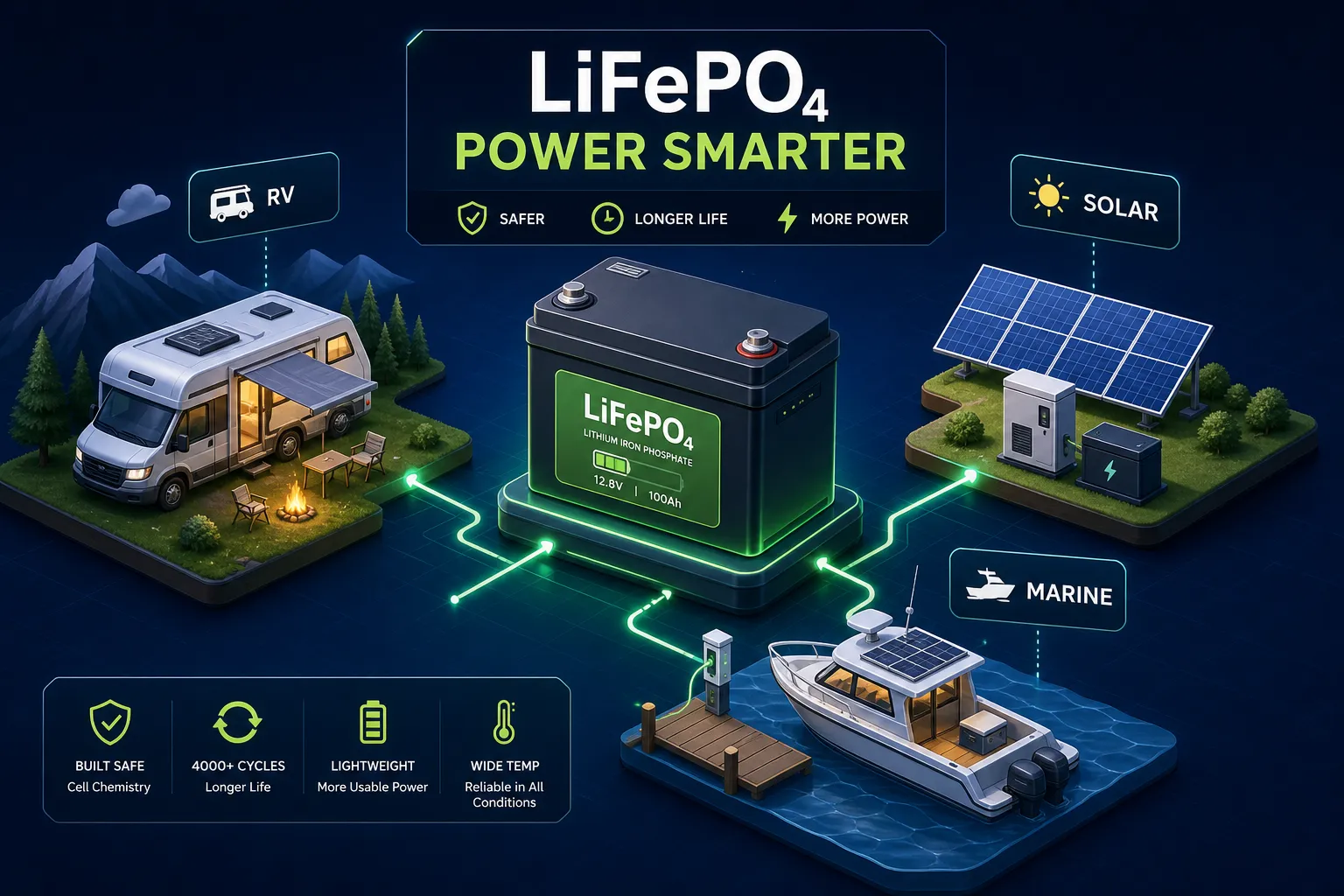
LiFePO4 vs Lead-Acid Battery Comparison
| Feature | LiFePO4 Battery | Lead-Acid Battery |
|---|---|---|
| Cycle Life | 6000+ cycles | 500–1000 cycles |
| Expected Lifespan | 15+ years | 3–5 years |
| Usable Capacity | Up to 100% | ≈50% |
| Maintenance | None required | Watering & maintenance needed |
| Safety | Thermally stable | Gas & acid leak risks |
| Total Ownership Cost | Lowest long-term cost | Higher due to replacements |
While lead-acid batteries may cost less initially, their short lifespan and low usable capacity make them far more expensive over time.
Installation & Compatibility
Modern home batteries are compatible with most major inverter brands and electrical systems. Installation typically involves:
- Connecting to main distribution panel
- Installing hybrid or battery inverter
- Configuring smart monitoring system
- Setting backup load circuits
Professional installation ensures compliance with electrical codes and optimal performance.
Maintenance & Lifespan
LiFePO4 batteries require virtually no maintenance. Unlike lead-acid batteries, they do not require fluid checks or ventilation management.
Typical lifespan advantages include:
- 6000+ charge cycles
- 15+ year service life
- Minimal capacity degradation
- High temperature tolerance
Future Solar Integration

Installing a battery today does not prevent solar adoption later. Most systems are solar-ready and can integrate panels whenever homeowners decide to add renewable generation.
This allows a phased energy independence strategy:
- Install battery storage
- Reduce electricity costs & gain backup power
- Add solar later for full independence
Frequently Asked Questions
Can I install a battery without solar panels?
Yes. Batteries can charge from grid electricity and provide savings and backup power.
How long can a 15kWh battery power a home?
It can power essential loads for 2–3 days or a full home for about one day depending on usage.
Is battery storage worth it without solar?
Yes. It reduces electricity costs, provides backup power, and improves energy resilience.
Will I still benefit if I add solar later?
Absolutely. Most battery systems integrate seamlessly with future solar installations.
Conclusion
Battery storage is no longer just a solar add-on. It is a standalone energy solution that lowers electricity costs, protects against outages, and gives homeowners control over their energy use.
Whether you plan to add solar later or simply want reliable backup power today, a modern LiFePO4 battery system delivers long-term savings, safety, and peace of mind.

How to Achieve Home Energy Independence with Solar Battery Storage
Can You Recharge A Lithium Battery