


How to Achieve Home Energy Independence with Solar Battery Storage
How to Achieve Home Energy Independence with Solar Battery Storage
- Why Energy Independence Matters
- Step-by-Step: Building an Independent Home Energy System
- Why LiFePO4 Solar Batteries Are the Best Choice
- Key Features of the 51.2V300Ah 15kWh Battery
- Real U.S. Family Success Stories
- Financial & Lifestyle Benefits
- Why Choose Our Dongguan Battery Factory
- FAQ
- Conclusion
Why Energy Independence Matters More Than Ever

Across the United States, homeowners are facing a new reality: rising electricity prices, aging grid infrastructure, and climate-driven extreme weather. Rolling blackouts in California, winter grid failures in Texas, and peak pricing nationwide have made energy reliability uncertain and expensive.
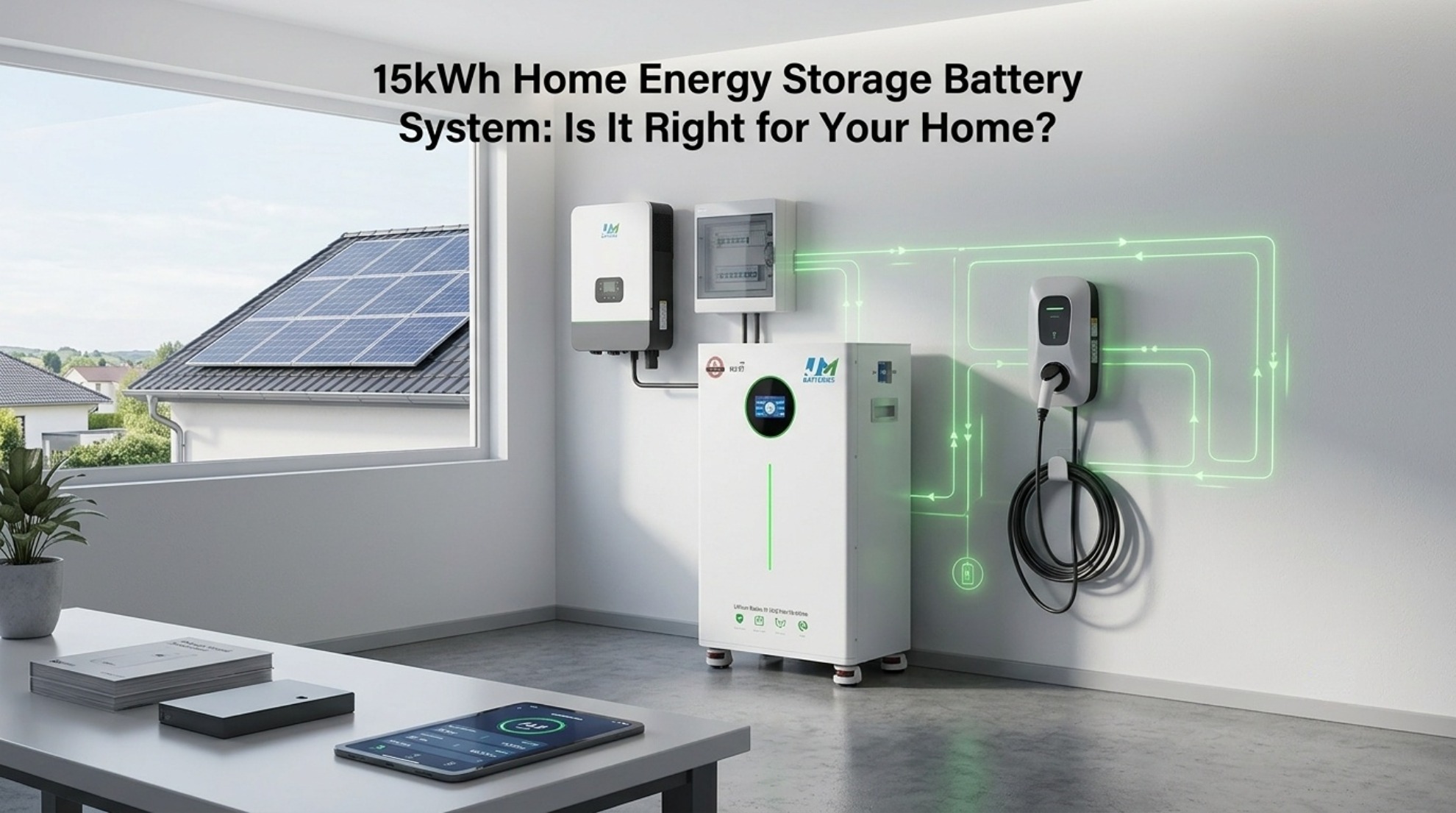
Energy independence means producing and storing your own electricity so your home remains powered regardless of grid outages or price spikes. Solar panels generate electricity during the day, but without storage, excess energy is lost and homes remain grid-dependent at night. Solar battery storage solves this problem.
With a properly sized system, homeowners can power essential appliances, reduce grid reliance, and enjoy uninterrupted power during outages.
Step-by-Step: Building an Independent Home Energy System
1. Install Solar Panels
Solar panels convert sunlight into electricity. Most U.S. homes require 6kW–10kW systems to meet daily energy demand.
2. Add a High-Capacity Battery
A storage battery captures excess daytime energy and supplies power at night or during outages. A 15kWh battery can run refrigerators, lighting, internet, HVAC, and electronics for a full day.
3. Integrate with an Inverter
Modern hybrid inverters manage power flow between solar panels, battery storage, and the grid for seamless energy switching.
4. Monitor & Optimize Usage
Smart monitoring allows homeowners to track consumption, optimize usage, and maximize savings.
Why LiFePO4 Solar Batteries Are the Best Choice

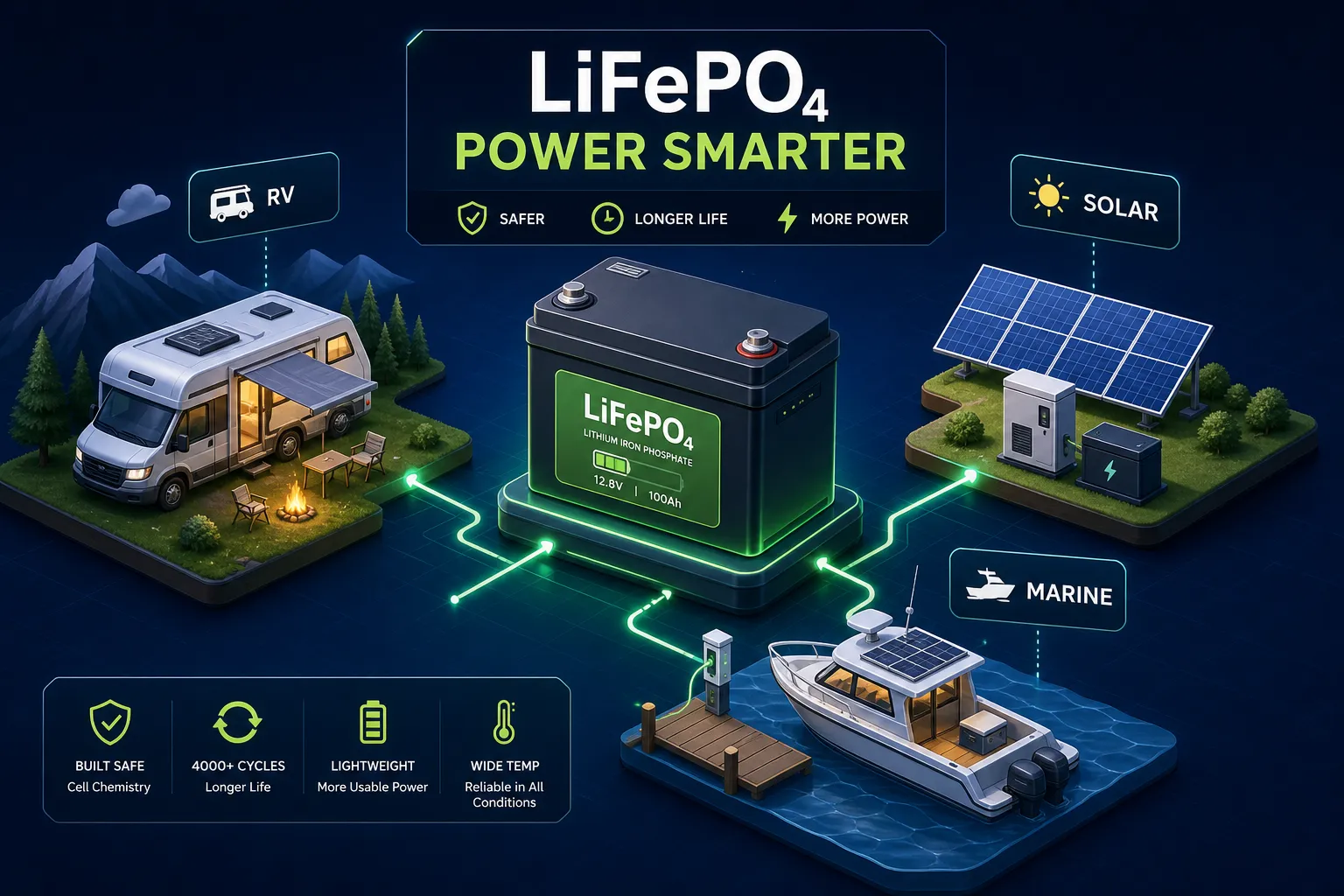
LiFePO4 (Lithium Iron Phosphate) batteries are widely considered the safest and most durable lithium chemistry for residential energy storage.
- ✔ Exceptional safety and thermal stability
- ✔ 6000+ charge cycles (10–15 years lifespan)
- ✔ Deep discharge capability
- ✔ Lightweight and compact design
- ✔ Maintenance-free operation
Compared with lead-acid batteries, LiFePO4 lasts 5–8 times longer and delivers significantly better efficiency.
Key Features of the 51.2V300Ah 15kWh Battery
- 15.36kWh storage capacity – powers essential loads for extended periods
- 200A charge/discharge – supports heavy appliances
- Split-type design – flexible wall or floor installation
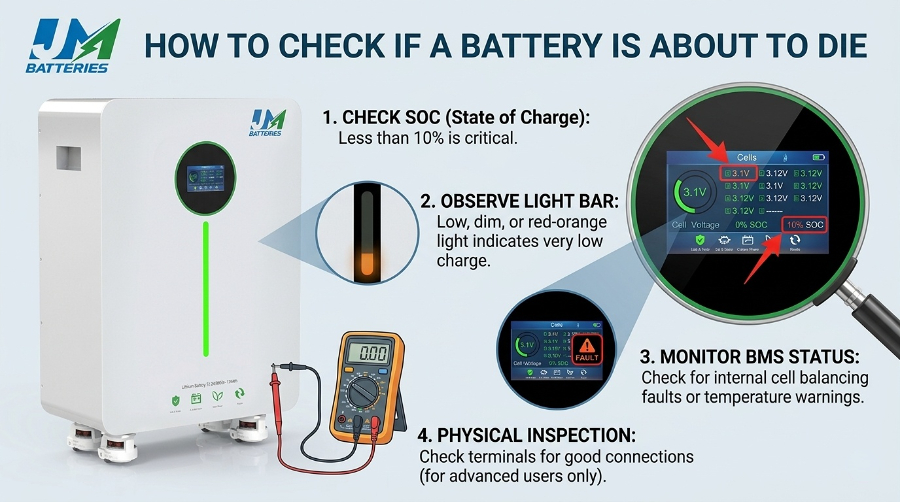
- Smart BMS protection – overcharge, temperature, and short-circuit protection
- WiFi & Bluetooth monitoring – real-time performance tracking
- Wide temperature range – operates in extreme climates
- 10-year warranty – long-term reliability
Real U.S. Family Success Stories & Return on Investment
Sacramento, California – 90% Bill Reduction & 5-Year Payback

The Smith family faced frequent rolling blackouts and summer electricity bills averaging $180 per month. In early 2025, they installed an 8kW solar system paired with a 15kWh LiFePO4 battery.
System Investment:
- Solar installation: $14,500
- Battery storage system: $7,000
- Federal & state incentives: −$6,000
- Total net cost: ~$15,500
Financial Results:
- New monthly bill: ~$18
- Annual savings: ~$1,940
- Estimated payback period: ≈ 5–6 years
- 25-year lifetime savings: $30,000+
Beyond savings, the family enjoys uninterrupted power during outages and peace of mind during wildfire-related grid shutdowns.
Austin, Texas – Energy Security & Monthly Income from Stored Solar
After losing power for several days during extreme winter weather, the Garcia family installed a 10kW solar system with a 15kWh home battery.
System Investment:
- Solar system: $16,800
- Battery storage: $7,200
- Tax incentives & rebates: −$7,500
- Total net cost: ~$16,500
Financial & Energy Benefits:
- Previous electricity bill: ~$200/month
- Current grid usage cost: ~$15/month
- Virtual Power Plant energy credits: $50–$80/month
- Annual net benefit: $2,500+
- Estimated payback period: ≈ 4–6 years
- 20-year projected net savings: $40,000+
The battery also powers their home during summer grid strain events and provides backup energy for outdoor activities and RV trips.
“It’s not just backup power — it’s an energy investment that pays us back every month,” says Mr. Garcia.
Financial & Lifestyle Benefits
- Lower electricity bills
- Protection from outages and grid failures
- Energy cost predictability
- Increased home value
- Reduced carbon footprint
- Peace of mind during extreme weather
Many homeowners achieve ROI within 5–7 years through energy savings and incentives.
Why Choose Our Dongguan Battery Factory
- 10+ years specializing in energy storage manufacturing
- Global export experience across 30+ countries
- A-grade LiFePO4 cells & premium BMS technology
- Designed specifically for residential solar systems
- 24/7 English-speaking technical support
Every battery undergoes rigorous testing to ensure reliability, safety, and performance.
FAQ
How long will a 15kWh solar battery power a house?
It can power essential appliances for 12–24 hours depending on energy consumption.
How long does a LiFePO4 battery last?
Typically 10–15 years with over 6000 charge cycles.
Can I go completely off-grid?
Yes, with adequate solar generation and storage capacity.
Conclusion
Home energy independence is no longer a futuristic concept — it is a practical solution available today. By combining solar panels with high-capacity LiFePO4 battery storage, homeowners can reduce electricity costs, maintain uninterrupted power, and take control of their energy future.
The 51.2V300Ah 15kWh solar battery system provides the durability, safety, and flexibility needed to power modern homes reliably for years to come.

What is the Depth of Discharge of a Solar Battery
Can You Have Battery Storage Without Solar