


How Can You Store Solar Energy
How to Store Solar Energy at Home: JM Energy’s 51.2V100Ah Powerwall with Top-Tier Lithium AA Batteries
Article Summary
Solar energy is huge for U.S. homes, but “how can you store solar energy” is a common question—sunlight isn’t constant, so excess power gets wasted without storage. JM Energy, a Dongguan-based battery maker with 10 years of experience, has the answer: the 51.2V100Ah 5KWH Home Powerwall, powered by high-quality Lithium AA Batteries. This blog breaks down simple solar storage basics, why Lithium AA Batteries beat old options, shares two real U.S. family success stories, and explains how our Powerwall makes reliable solar storage accessible.

How Can You Store Solar Energy at Home? The Basics
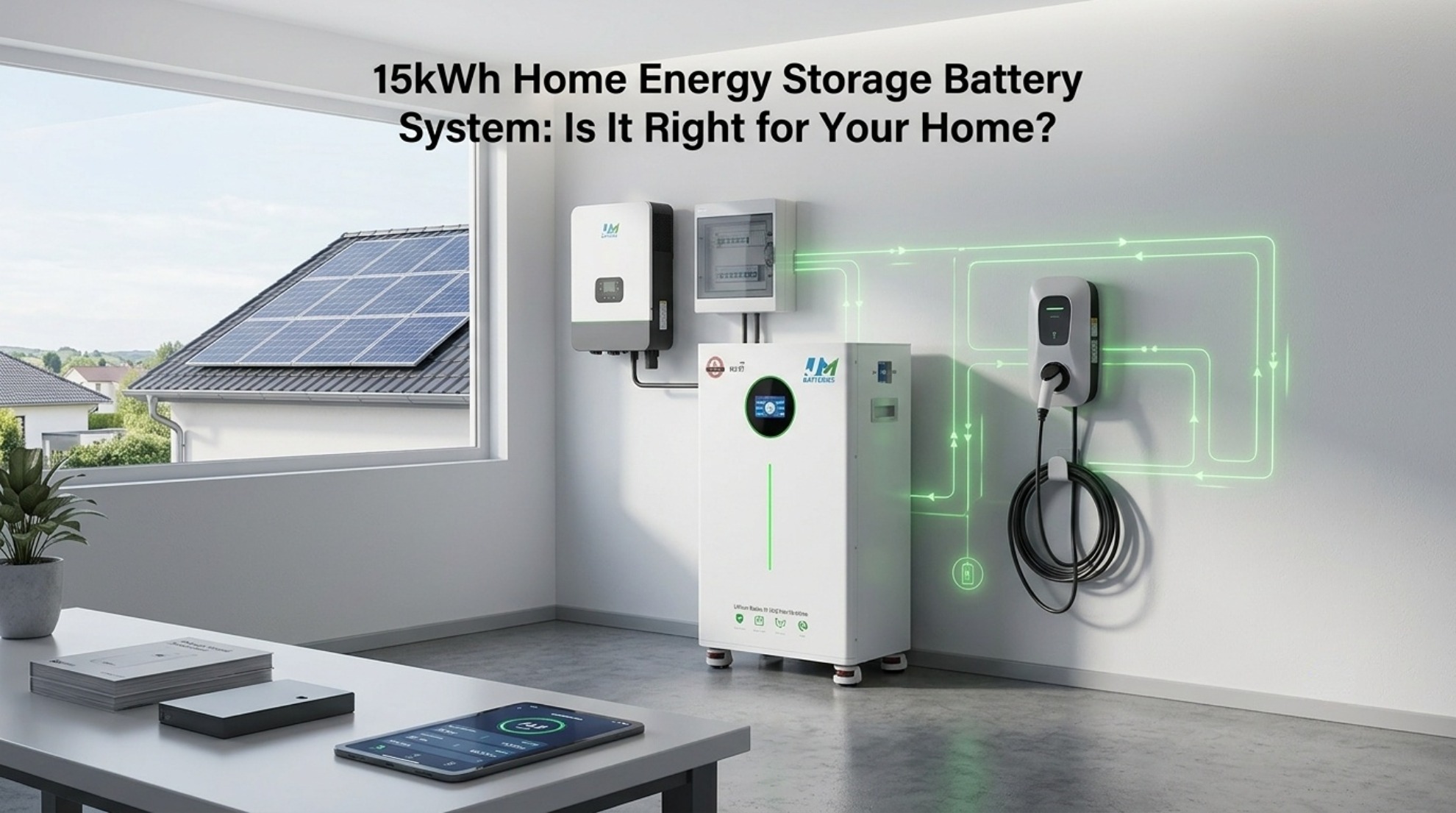
Solar panels turn sunlight into electricity, but they stop working well after dark or on cloudy days. To save excess power for when you need it (evenings, outages), you need a battery energy storage system (BESS)—a device that holds onto solar power until you use it.
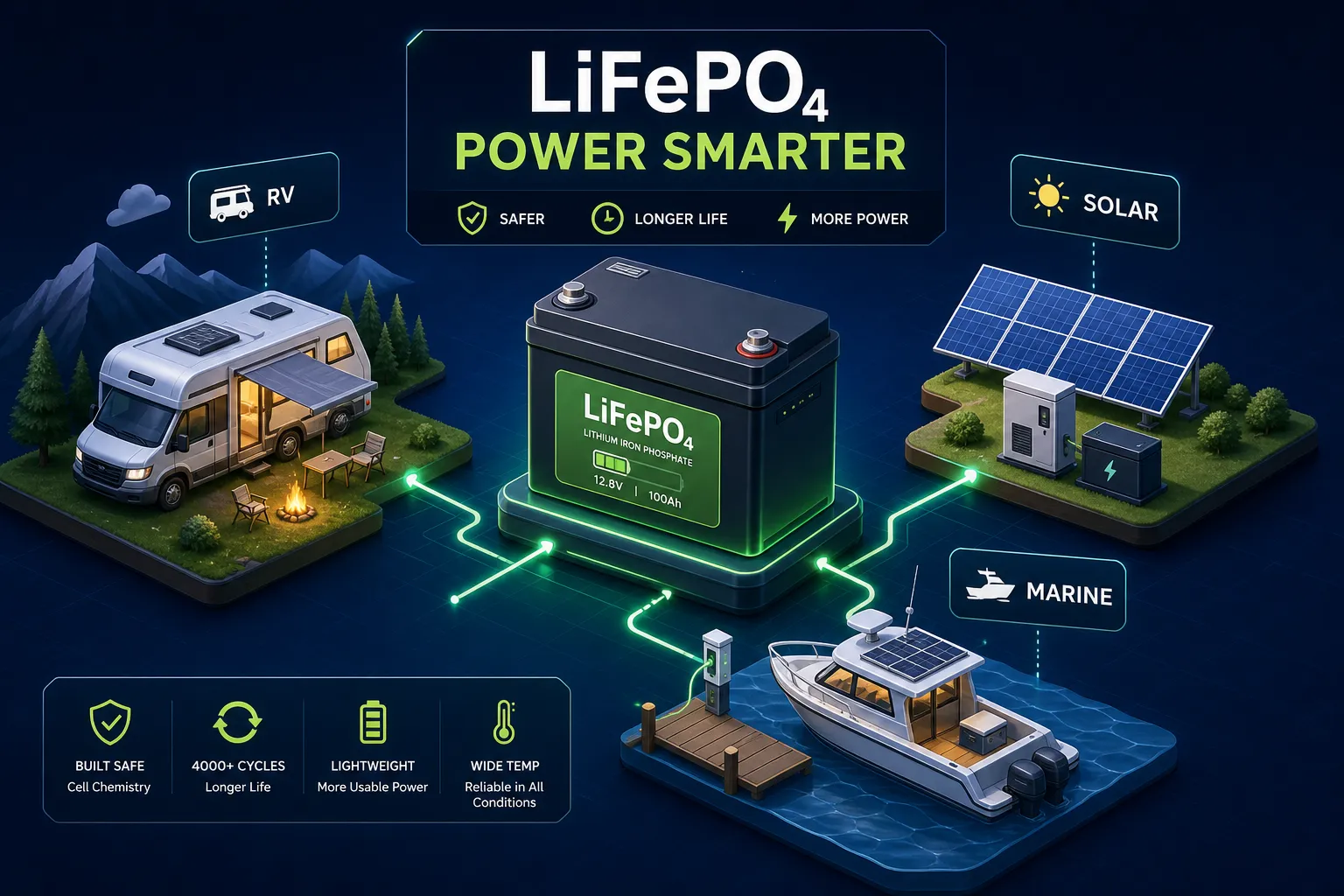
Not all batteries work the same. Old lead-acid batteries are heavy, only last 2–3 years, and fail in extreme heat or cold. But Lithium AA Batteries—the core of our Powerwall—are a better fit for U.S. homes:
- Space-Saving: Store more power in a smaller, lighter design (perfect for garages or basements).
- Long-Lasting: Up to 6,000 charge cycles (10+ years) vs. 500–1,000 for lead-acid.
- Steady Power: 1.5V constant output works with TVs, fridges, and chargers (no dips like cheaper batteries).
- Weather-Tough: Works from -4°F to 131°F—great for Minnesota winters or Arizona summers.
- Safe & Smart: Built-in systems prevent overcharging or short circuits, protecting your home.
Why Lithium AA Batteries
Lithium AA Batteries combine energy density, cycle life, and temperature tolerance in a format that integrates easily into modular home Powerwalls. They are lighter and more energy-dense than lead-acid, and their chemistry enables deeper discharge and better lifecycle economics when paired with modern battery management systems (BMS).
JM Energy’s 51.2V100Ah 5KWH Powerwall: Made for U.S. Homes with the Best Lithium AA Batteries
After 10 years of refining battery tech in Dongguan, we’ve built a Powerwall that solves “how can you store solar energy” simply and effectively. Here’s what makes it stand out:
1. Reliable Performance from Lithium AA Batteries
Our Powerwall uses premium Lithium AA Batteries to deliver 5KWH of energy—enough to power a typical U.S. home (1.5–3 KWH/day) for 1–3 days. That’s perfect for outages or avoiding expensive peak-hour utility rates.
2. Easy to Install & Fits Any Home
The wall-mounted design (23.6×15.7×5.7 inches, 99 lbs) fits in garages, basements, or utility rooms—no bulky floor space needed. It’s “plug-and-play” with most solar inverters (SMA, Growatt, Victron, etc.), so installers can hook it up in hours.
3. Simple Monitoring & Safe Design
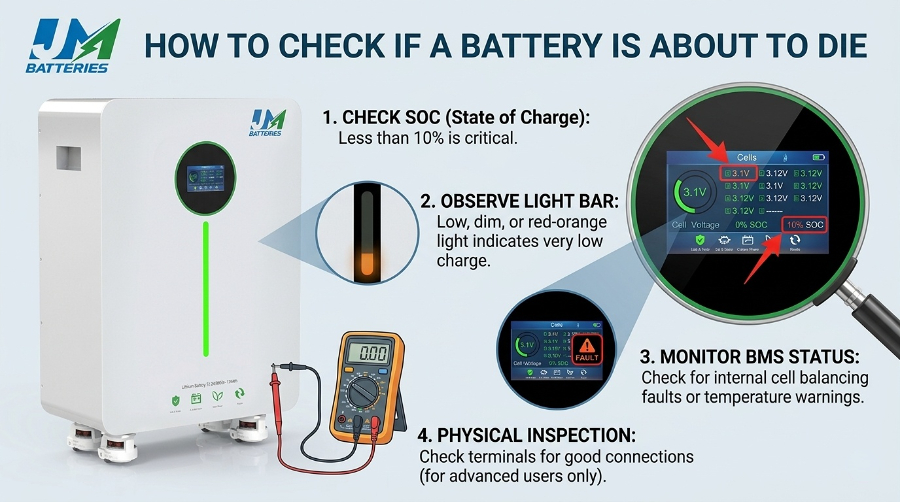
A built-in LCD touchscreen lets you check battery level, power use, and solar input at a glance. Our safety system protects against overcharging, extreme temperatures, and short circuits. Plus, you can use 90% of the stored energy (lead-acid only lets you use 50–70%).
4. 10-Year Warranty & Direct Support
We back our Lithium AA Batteries and Powerwall with a 10-year warranty and 10+ years of technical support. As a factory-direct supplier, you get fair prices and access to our engineering team if you need help.

Real U.S. Family Stories: How Our Powerwall Changed Their Energy Use
Case 1: The Martinez Family (Phoenix, Arizona)
The Martinezes got solar panels in 2022 but struggled with $0.40/kWh peak-hour rates (3–8 PM) and monsoon outages. In 2023, they added our Powerwall. Now, solar charges the Lithium AA Batteries during the day (low $0.15/kWh rates), and they use stored power at night. “Our bill dropped from $180 to $45/month—we save $1,600 a year,” says Mr. Martinez. “During a 2-day blackout last summer, we had AC, fridge, and lights. The Lithium AA Batteries never dropped below 20%.”
Case 2: The Wilson Family (Minneapolis, Minnesota)
Cold winters and short days left the Wilsons relying on a noisy generator for outages—their old lead-acid battery failed in sub-zero temps. They installed our Powerwall in 2023, and it worked perfectly during a 3-day snowstorm. “Even at -5°F, the Lithium AA Batteries kept 85% capacity,” says Mrs. Wilson. “We had heat, internet, and cooking power—no more gasoline or loud generator. It’s the best home upgrade we’ve ever done.”
Why Choose JM Energy’s Lithium AA Batteries & Powerwall?
- Factory-Direct Quality: We control every step—from Lithium AA Battery cells to assembly—for consistent reliability.
- U.S.-Certified Safe: Meets MSDS, UN38.3, CE, ROHS, and ISO standards—tested for extreme conditions.
- Scalable: Add up to 10 Powerwalls in parallel if you need more storage (e.g., for an EV or home office).
- Eco-Friendly: Lithium AA Batteries are recyclable, and our factories use 30% less energy than traditional plants.

Final Thoughts: Your Answer to “How Can You Store Solar Energy”
Solar energy only works if you can store it. JM Energy’s 51.2V100Ah 5KWH Powerwall—powered by the best Lithium AA Batteries—gives you reliable, long-lasting storage that cuts bills and boosts energy independence.
Whether you’re tired of peak rates, worried about outages, or want more from your solar panels, our Powerwall delivers. As a 10-year Chinese factory, we’re committed to affordable, high-quality solar storage for U.S. homes.
Contact
Ready to take control of your solar energy? Contact us today to learn more about our Lithium AA Batteries and Powerwall—and start storing solar power the smart way.
How Long Does A Solar Battery Last
Can Lithium Batteries Catch Fire When Not In Use