


How Long Do Rechargeable AA Batteries Last
How Long Do Rechargeable AA Batteries Last? A Complete Guide to Lifespan, Performance & Premium Rechargeable Batteries Pack Solutions

Table of Contents
Introduction
If you’ve ever grabbed a remote control only to find it dead, or tossed out a rechargeable AA battery after just a few months, you’ve probably wondered: How long do rechargeable AA batteries actually last? It’s a fair question—these batteries power everything from kids’ toys and wireless mice to digital cameras and flashlights, and we all want to get our money’s worth.
Rechargeable AA are a no-brainer for anyone looking to save money and cut down on waste compared to single-use alkaline batteries. But their lifespan isn’t one-size-fits-all. It depends on what type of battery you buy, how you charge it, how often you use it, and even where you store it.
We’re a lithium-ion and sodium-ion battery factory based in Dongguan, China, with 10 years of hands-on manufacturing experience. We specialize in building high-performance rechargeable batteries pack, durable lithium solar batteries, and cutting-edge solid state batteries—and we’re here to clear up the confusion around rechargeable AA battery lifespans. We’ll also share our brand-new 51.2V 300Ah–15KWH energy storage battery and two real stories from American families using our products, so you can see our solutions in action.
How Long Do Rechargeable AA Batteries Last? Key Factors & Real-World Data

Let’s get straight to the question everyone’s asking: How long do rechargeable AA batteries last? The answer depends on a few key things, but we’ll break it down simply—no jargon, just real numbers.
1. Battery Chemistry: The Foundation of Lifespan
Not all rechargeable AA batteries are the same. The type of chemistry inside determines how long they’ll last, both in terms of years and charge cycles (that’s how many times you can charge and discharge them before they start to lose capacity).
-
NiMH Rechargeable AA Batteries: These are the most common ones you’ll find at the store. They typically last 2–5 years and can handle 500–1000 charge cycles. After a few hundred cycles, you’ll notice the capacity drops—usually to around 80% of what it was when new. They’re great for everyday devices, but they do self-discharge a bit faster than other types.
-
Lithium Rechargeable AA Batteries: If you want longer life, these are the way to go. They last 5–10+ years and can handle 1000–2000+ charge cycles. They have a more stable voltage, so your devices run more consistently, and they self-discharge much slower—perfect for devices you don’t use every day.
-
Low Self-Discharge (LSD) NiMH: These are a step up from regular NiMH. They can hold 70–80% of their charge even after sitting unused for a year. If you have devices that sit idle (like a emergency flashlight or a remote for a guest room TV), these are a game-changer.
So, to wrap it up: When you ask, “How long do rechargeable AA batteries last?” the short answer is 2–10+ years—depending on the type and how you use them.
2. How You Use & Charge Them Matters
Even the best rechargeable AA battery won’t last long if you don’t take care of it. Here’s what impacts lifespan the most:
-
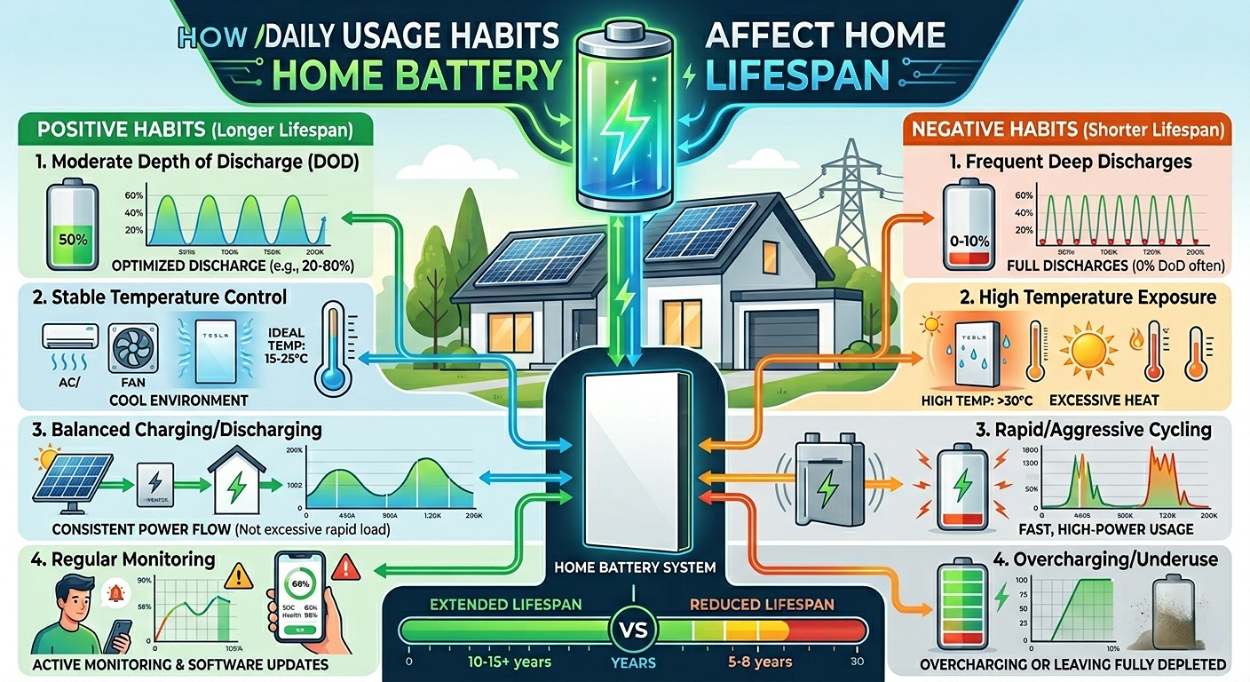
Depth of Discharge (DoD): Draining the battery all the way to 0% (a full discharge) is hard on it. If you recharge it when it still has 20–30% charge left, you can double its cycle life. It’s like stopping to refuel your car before it hits empty—better for the engine (or in this case, the battery).
-
Temperature: Heat is a battery’s worst enemy. If you leave your batteries in a hot car or near a heater (temperatures above 45°C/113°F), they’ll age much faster. Store them in a cool, dry place—between 15–25°C (59–77°F)—for the longest life.
-
Charging Method: Use a smart charger. Cheap, no-name chargers can overcharge the battery, causing overheating and permanent capacity loss. Smart chargers stop charging once the battery is full, which keeps it safe and extends its life.
-
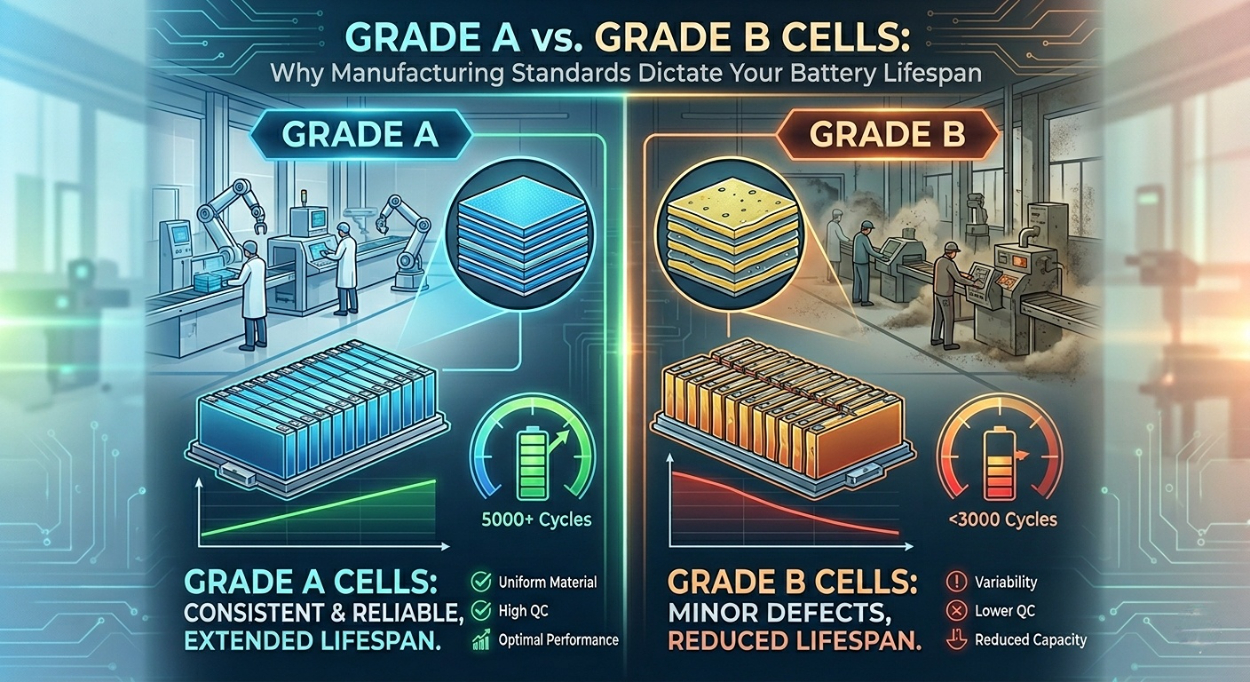
Cycle Count: Every time you charge and discharge a battery, it wears down a little. High-quality rechargeable batteries pack (yes, even for AA size) are built to handle more cycles, so they stay useful longer.
3. Real-World Usage: What to Expect
Numbers on a spec sheet are one thing—but how do these batteries hold up in real life? Here’s what you can expect for common devices:
-
Low-drain devices (remotes, clocks, smoke detectors): A good rechargeable AA can last 6–12 months per charge, and stay useful for 3–5+ years total. We’ve had customers tell us their remote batteries last almost a year before needing a recharge.
-
Medium-drain devices (wireless mice, keyboards, portable speakers): These use a bit more power, so you’ll get 1–3 months per charge. Total lifespan is usually 2–4 years with regular use.
-
High-drain devices (digital cameras, kids’ toys, flashlights): These suck up power fast. You might get only a few days to 2 weeks per charge, and total lifespan drops to 1–3 years if you use them frequently. For example, a kid’s toy that’s played with every day will wear out batteries faster than a flashlight used once a month.
These aren’t just guesses—they’re based on feedback from our customers and real-world testing we do in our factory. It’s the real answer to “How long do rechargeable AA batteries last?”
From Small AA Cells to Home Energy Storage: Our Rechargeable Batteries Pack & Advanced Solutions
Answering “How long do rechargeable AA batteries last?” is just the start. For most families, the bigger question is: How do I get reliable, long-lasting energy storage for my home? That’s where our expertise comes in.
We’ve been making batteries in Dongguan, China, for 10 years—we know what works, what doesn’t, and what families need. Our focus is on three key areas:
-
Rechargeable batteries pack: We build custom packs for everything from consumer devices to industrial equipment and home energy storage. No one-size-fits-all—we tailor them to your needs.
-
Lithium solar batteries: Our LiFePO4 lithium solar batteries are safe, durable, and built for long-term use—perfect for solar systems, off-grid homes, and backup power.
-
Solid state batteries: This is the next big thing in energy storage. They’re safer, more efficient, and last longer than traditional lithium-ion batteries—and we’re leading the way in integrating this tech into our products.
Our latest flagship product? The 51.2V 300Ah–15KWH Lithium Solar Energy Storage Battery. This rechargeable batteries pack is designed specifically for residential use—whether you’re off-grid, grid-tied with solar, or just want backup power for storms.
Core Advantages of Our 51.2V 300Ah–15KWH Rechargeable Batteries Pack

-
Long cycle life: It handles 6000+ charge cycles at 80% DoD—meaning it’ll last 10–15 years with regular use. That’s a decade of reliable power, no need to replace it every few years.
-
Stable capacity: Each module has 15KWH of storage, and you can add more modules in parallel if you need more power. Perfect for growing families or homes with high energy needs.
-
Ultra-safe: We built in a smart BMS (Battery Management System) that protects against overcharging, over-discharging, short circuits, and overheating. You don’t have to worry about safety—we’ve got it covered.
-
Works in any weather: It operates reliably from -20°C to 60°C (-4°F to 140°F)—so whether you’re in cold Northern states or hot Southern states, it won’t let you down.
-
Low maintenance: It’s non-toxic, no liquid leakage, and requires zero maintenance. Set it up, and forget about it—until you need it.
-
Future-ready: It’s compatible with most solar inverters and smart home systems, and it’s designed to work with our solid state batteries down the line. You won’t have to replace your entire system when new tech comes out.
This rechargeable batteries pack solves the biggest pain points for homeowners: unstable grid power, high electricity bills, not enough storage for solar energy, and short-lived backup systems. It’s a long-term solution, not a quick fix.
Solid State Batteries: The Future of Long-Life Energy Storage
While we’re talking about how long rechargeable AA batteries last, we can’t ignore the future of energy storage: solid state batteries. These are a game-changer—and we’re at the forefront of developing them.
Compared to traditional lithium-ion batteries (the ones you find in most phones and cars), solid state batteries have huge advantages:
-
Higher energy density—2–3 times that of lithium-ion, so they store more power in a smaller space.
-
Incombustible solid electrolyte—no risk of fire or explosion, even if the battery is damaged.
-
Longer cycle life—slower capacity fade, so they last even longer than our current lithium solar batteries.
-
Wider operating temperature range—they work in extreme hot and cold, just like our 15KWH pack.
We’re already integrating solid state technology into our rechargeable batteries pack and lithium solar batteries. Our goal is to bring safer, longer-lasting, more efficient energy storage to homes across the U.S.—and the world.
Two Real American Household Stories: Our Rechargeable Batteries Pack in Action

Numbers and specs are great, but nothing beats real stories from real families. Here are two American households using our lithium solar batteries and rechargeable batteries pack—and how they’ve changed their lives.
Case 1: Off-Grid Homestead in Northern California
Meet the Garcias— a family of four living in a 2000-square-foot off-grid home in Northern California. They rely entirely on solar power, so they needed a battery pack that could store enough energy to get them through cloudy days and nights.
They chose our 51.2V 300Ah 15KWH lithium solar battery (part of our rechargeable batteries pack lineup) paired with solar panels and an inverter. Here’s how it’s working for them:
-
On days with no sun, the fully charged battery powers their entire home—lighting, fridge, TV, fans, computers, and even their water pump—for 2–3 days straight.
-
They’ve had the battery for 2 years now, and it’s still performing at 95% of its original capacity. At this rate, it’ll easily last 12+ years.
-
No maintenance—they set it up once, and it’s worked perfectly ever since. No more worrying about battery leaks or breakdowns.
Mrs. Garcia told us: “We used to stress about our small rechargeable batteries dying—we’d constantly ask, ‘How long do rechargeable AA batteries last?’ But with this home battery pack, we don’t have to worry about power at all. It’s reliable, it’s long-lasting, and it’s made our off-grid life so much easier.”
Case 2: Grid Backup & Solar Savings in Texas
The Smiths live in a 3-bedroom home in Texas, where storm-related power outages are common. They have a grid-tied solar system but wanted to cut their electricity bills and have backup power for when the grid goes down. They chose our 15KWH rechargeable batteries pack to pair with their solar panels.
Here’s what they’ve experienced:
-
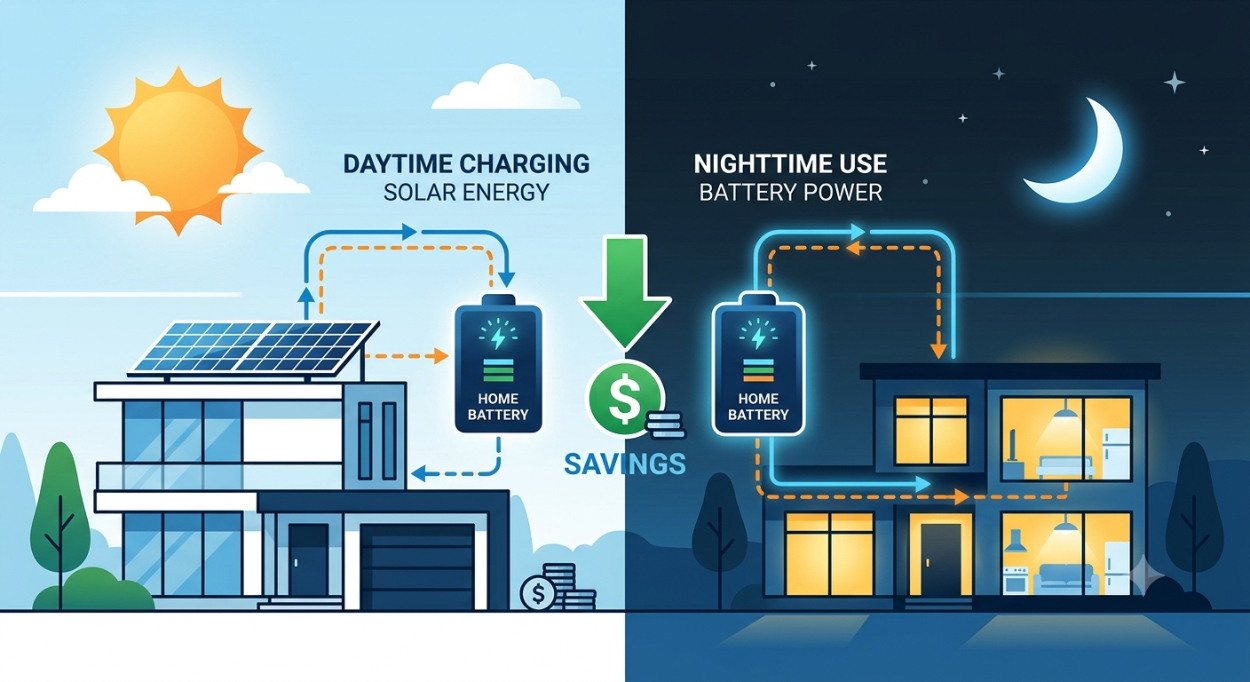
During the day, their solar panels generate more energy than they use. The battery stores the excess, which they use at night—cutting their electricity bills by 30–40% every month.
-
During outages (which happen a few times a year), the battery powers their essential loads—fridge, lights, router, and even their son’s medical device—for 10+ hours. They never have to worry about losing power when they need it most.
-
The smart BMS keeps the battery safe—even during extreme Texas heat. It charges and discharges automatically, so they don’t have to monitor it.
Mr. Smith said: “This rechargeable batteries pack is the best investment we’ve made for our home. It saves us money every month, and it gives us peace of mind during storms. It’s like having a permanent home power station—we don’t know how we lived without it.”
These stories aren’t outliers—they’re what we design our products for. We want every family to have reliable, long-lasting energy storage, whether it’s for small AA batteries or a whole-home system.
How to Maximize the Lifespan of All Rechargeable Batteries
Whether you’re focused on how long rechargeable AA batteries last or want to make your home battery pack last as long as possible, these tips will help:
-
Use certified, smart chargers for all rechargeable batteries—no cheap knockoffs. They’re worth the investment to protect your batteries.
-
Don’t fully discharge your batteries. Recharge them when they have 20–30% charge left—this doubles their cycle life.
-
Store batteries in a cool, dry place. Avoid hot cars, attics, or basements with high humidity. 15–25°C (59–77°F) is ideal.
-
Choose high-quality rechargeable batteries pack from experienced manufacturers. Cheap batteries might save you money upfront, but they’ll die faster and cost you more in the long run.
-
For lithium solar batteries, do a quick check of the BMS every few months and keep the connections clean. It’s a simple step that extends their life.
Following these tips will make your rechargeable batteries last longer—saving you money and reducing waste.
Conclusion
Let’s circle back to the question that started it all: How long do rechargeable AA batteries last? The answer is simple: Quality rechargeable AA batteries last 2–10+ years, depending on their chemistry, how you use them, and how you care for them.
But if you’re looking for more than just small AA cells—if you want reliable, long-lasting energy storage for your home—we’re here to help. As a 10-year-old battery factory in Dongguan, China, we specialize in premium rechargeable batteries pack, high-performance lithium solar batteries, and advanced solid state batteries. Our new 51.2V 300Ah–15KWH energy storage battery offers 10–15 years of reliable service, and we’ve proven it with real American families.
Whether you need batteries for your remote control or a whole-home energy system, we build products that last. We’re not just a factory—we’re a partner in keeping your home powered, reliably and affordably.
Our Featured Products

Why Choose Us
- 10 Years Dongguan Battery Factory
- UL & CE Certified
- 6000+ Cycle Life
- 10–15 Years Service Life
- OEM & ODM Supported
LFP vs. NMC for Home Battery Backup: Which Lasts Longer? (2026)