


How Daily Usage Habits Affect Home Battery Lifespan
How Daily Usage Habits Affect Home Battery Lifespan: A Guide for 15kWh Systems

A residential 15kWh energy storage system is one of the most significant investments a modern homeowner will make. But here is a factory secret: the "rated life" of a battery isn't a fixed number—it's a variable. At JM Energy Tech, with a decade of factory R&D, we’ve observed that daily usage habits can be the difference between a system that lasts 8 years and one that serves for 18. Much like the how long do rechargeable AA batteries last logic in small electronics, the longevity of a 15kWh powerhouse depends on the "care and feeding" it receives from the homeowner.
The Science of Stress: LFP Cycles and DoD
Every time you discharge your battery, the lithium ions move from the anode to the cathode, causing the physical structure of the cells to expand and contract slightly. Over thousands of cycles, this can lead to microscopic "cracks" in the active material. This is why mastering the "sweet spot" is essential. Understanding why its the key to battery longevity involves looking at Depth of Discharge (DoD).
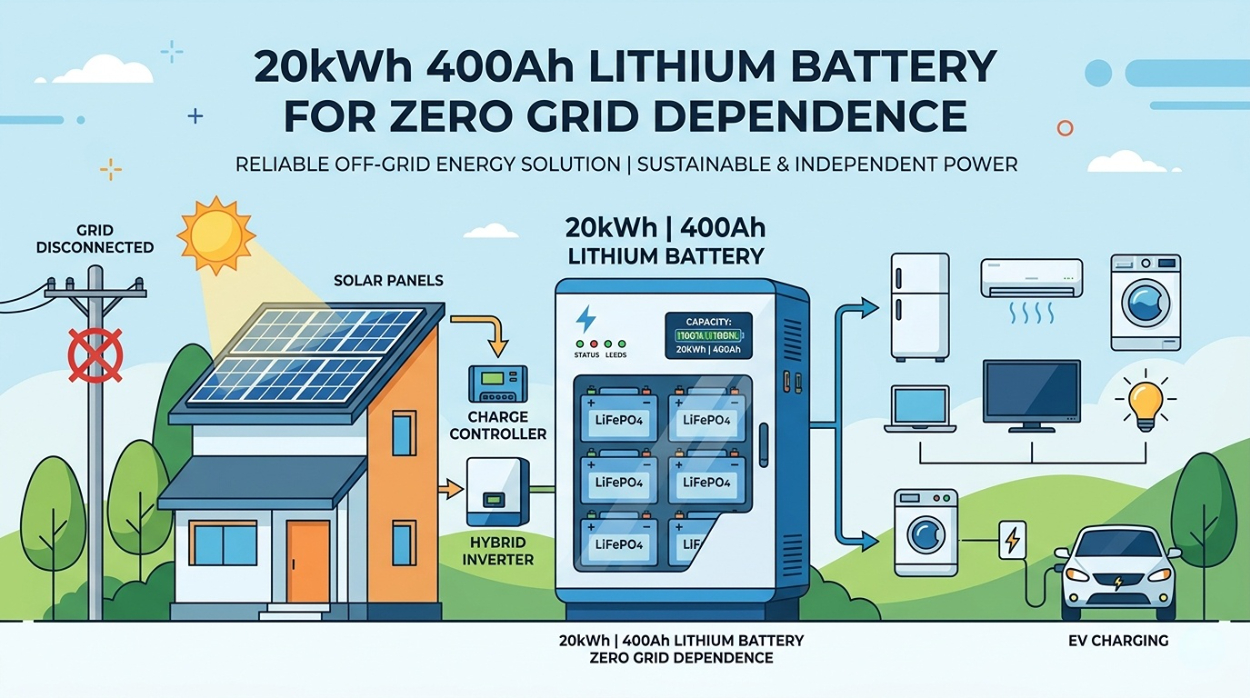
For 15kWh systems, pushing the battery to a 0% state-of-charge every single night creates unnecessary chemical strain. Even if you are using a larger 20kwh 400ah lithium battery, maintaining a 10-20% buffer at the bottom can drastically reduce electrode degradation. In the engineering world, we call this "cycle preservation."
Charging Physics: The Beauty of "Shallow" Cycles

Many homeowners believe they must fully charge their battery to "top it off" every morning. However, lithium-ion chemistry, particularly the LFP vs NMC varieties we use for home storage, thrives on "shallow" charging. We are often asked: does partial charging extend home battery life? The answer is a resounding yes.
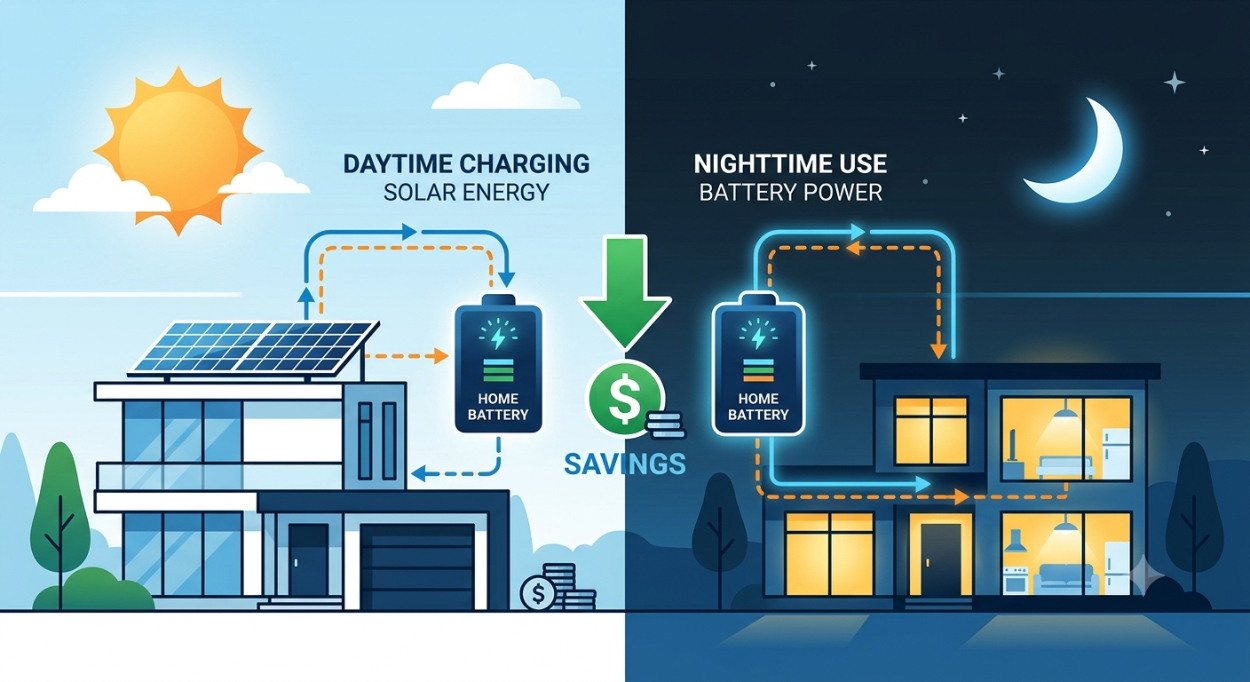
By keeping the battery between 20% and 80% for daily use, you avoid the high-voltage stress that occurs at the very top of a charge cycle. This habit is the most effective way to how to save money with a home battery in the long run, as it preserves the capacity for years beyond the warranty period.
Thermal Management: Why Your Garage Choice Matters
Heat is the silent killer of lithium cells. High temperatures accelerate the chemical reactions that lead to capacity loss. We have conducted extensive testing on how ambient conditions impact home battery lifespan, and the results are clear: a battery installed in a 100°F unventilated garage will degrade significantly faster than one in a cool, 70°F utility room.
This is where the physical design of your system becomes a factor. Deciding which 15kwh battery form factor is best for your home and climate—whether wall-mounted or floor-standing—determines how effectively the unit can dissipate heat. A system with superior fire safety and thermal management engineering will always outperform a generic unit in challenging American climates.
Architectural Integrity: Safety, Protocols, and Cell Quality

A battery's lifespan is also dictated by how well its components "talk" to each other. Advanced inverter compatibility and protocol ensures that the system doesn't overwork individual modules during high-demand periods. This is a primary reason why why 300ah 400ah beat small home storage systems; larger capacity banks allow for lower "C-rates" (charge/discharge speeds), which is much gentler on the cells.
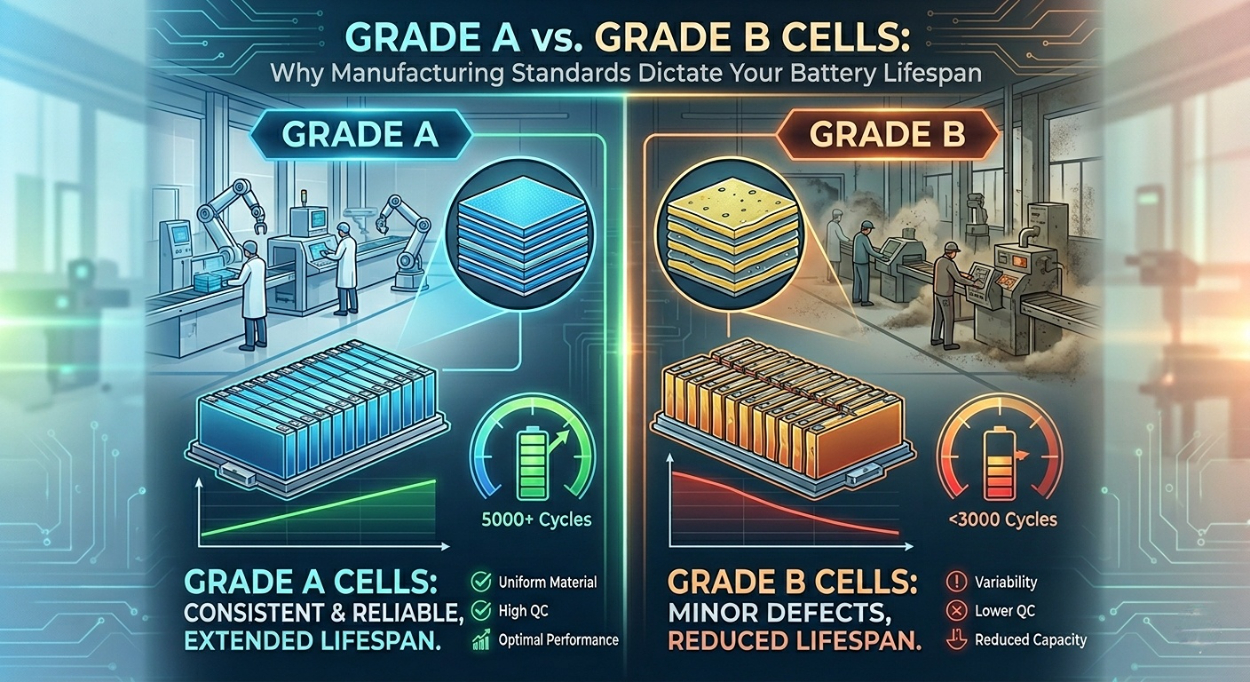
Furthermore, the source of the power matters. At our factory, the debate of grade a and b cells why quality decides 20kwh battery life is central to everything we build. Grade A cells have perfectly matched internal resistance, ensuring that every cell in your 15kWh pack ages at the same rate. This uniformity is what prevents "weak links" from killing a battery bank prematurely.
The Financial Equation: Maximizing 15kWh ROI
Ultimately, a longer lifespan means a higher return on investment. By adopting these expert daily habits, you are effectively lowering your home battery backup payback period. Every additional year of service is a year where your energy is "free" after the initial cost has been recovered.
At JM Energy Tech, we don't just provide hardware; we provide a decade of engineering wisdom. Our 15kWh systems are designed to be the foundation of your home's energy independence, but your daily habits are the key to unlocking their full potential. Explore our lithium solar batteries series to find the engineering gold standard for your home.
Home Battery Without Solar Panels: Is It Worth It?
How to Save Money with a Home Battery