


Does Partial Charging Extend Home Battery Life
Does Partial Charging Extend Home Battery Life? The 80% Rule Explained

Table of Contents
If you own a residential solar or backup system, you’ve likely asked: Does partial charging extend home battery life? The answer is a definitive yes—and the 80% charging rule is the most effective way to protect your investment.
As a professional lithium-ion and sodium-ion battery manufacturer based in Dongguan, China, with 10 years of manufacturing experience, we specialize in building durable energy storage battery solutions for global homeowners. In this guide, we explain how partial charging works, how the 80% rule protects your stackable battery, and how to maximize lifespan for your energy storage battery stackable system designed for renewable energy.
What Is Partial Charging & Why It Extends Battery Life

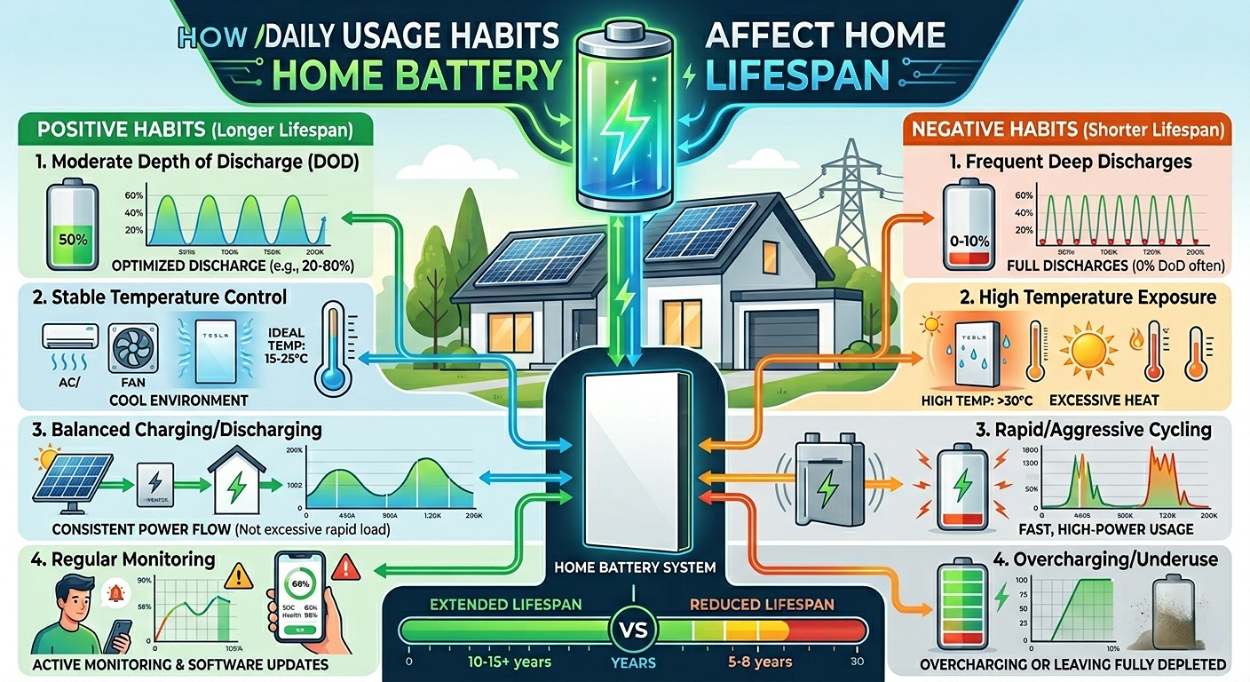
Partial charging means limiting your battery’s top charge to around 80% and avoiding deep discharges below 20%. Unlike full 0–100% cycling, this keeps cells in a stable, low-stress window that drastically slows degradation.
This principle applies to all rechargeable designs, including household cells. Many users also ask how long do rechargeable AA batteries last—and the same rule applies: reducing full-cycle stress directly improves usable life.
- Full charging increases voltage pressure and accelerates material breakdown
- Holding 100% charge triggers harmful side reactions inside cells
- Partial cycling preserves capacity, lowers heat, and extends cycle count
- Ideal for long-life energy storage battery systems used in renewable energy
The 80% Rule Explained: Protect Your Stackable Battery
The 80% rule is simple: Charge your home energy storage battery to 80% for daily use, not 100%.
This small habit delivers massive improvements to safety, performance, and longevity—especially for modular stackable battery systems.
- Reduces internal stress to extend battery lifespan by 2–3x
- Maintains consistent capacity for renewable energy daily cycling
- Lowers operating temperature and improves safety
- Preserves balance across modules in energy storage battery stackable setups
Our new 51.2V 150Ah‑7kWh stackable battery includes a smart BMS that supports custom charge limits—perfect for following the 80% rule. If you’re choosing battery chemistry, our guide compares LFP vs NMC for home battery backup to help you pick the longest-lasting option.
Key Benefits of Partial Charging for Home Energy Storage Battery
Beyond longer life, partial charging improves the total value of your home energy system:
- Lower replacement costs and better long-term ROI
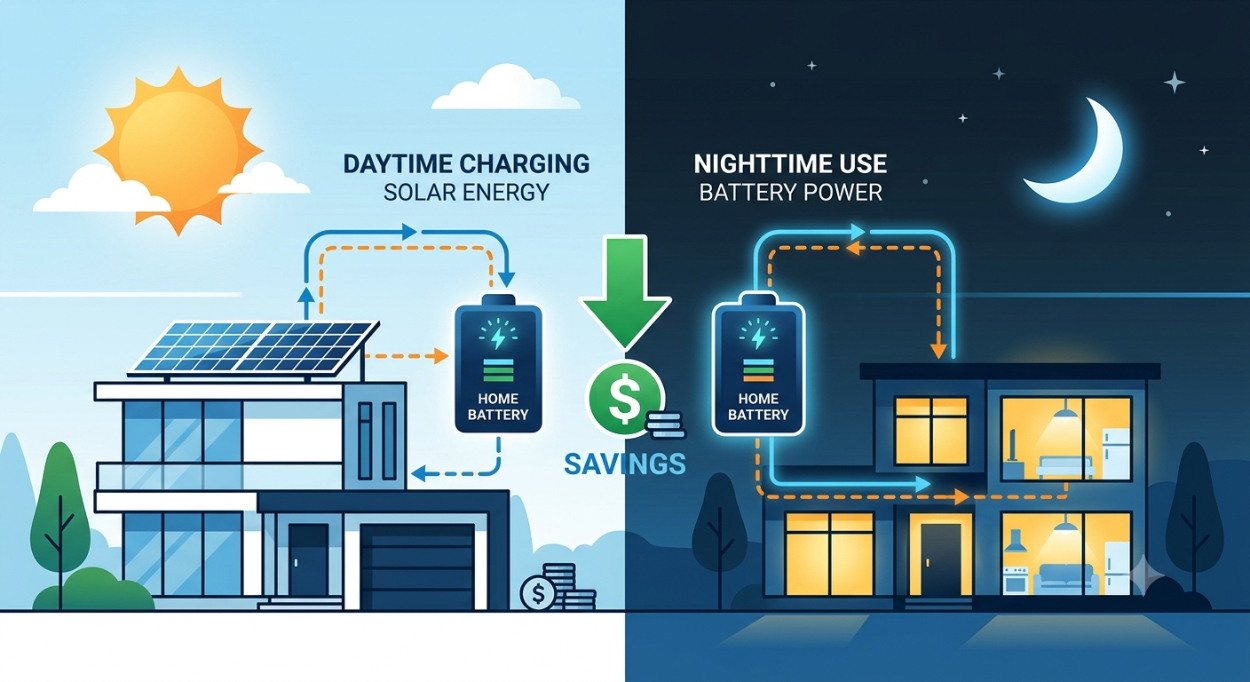
- More stable performance with solar and renewable energy
- Stronger backup power without 100% charging
- Scalable flexibility with a modular stackable battery design
A longer-lifespan battery directly improves your financial returns. Learn more in our guide about home battery backup payback period and how lifespan impacts your ROI.
Real U.S. Household Case Studies: Stackable Battery + 80% Rule
Case Study 1: Southern California Residential Solar Home

A family of four installed a 7kW solar system with one unit of our 51.2V 150Ah‑7kWh stackable battery. They use the 80% rule daily and only charge to 100% before storms or heatwaves.
Results: Reliable backup power for 4–6 hours during outages; 92% original capacity retained after 2+ years; excess solar feeds the grid for credits. The homeowner calls it the most reliable energy storage battery for renewable energy.
Case Study 2: Central Texas Off-Grid Homestead

This remote home uses 5kW solar and two 7kWh stackable battery units (14kWh total) for full off-grid power. They follow 80% charging and never discharge below 20%.
Results: 1,200+ deep cycles with minimal capacity loss; powers well pump, appliances, and HVAC year-round. The family says their energy storage battery stackable system delivers unmatched reliability for renewable energy living.
Our 51.2V 150Ah‑7kWh Stackable Energy Storage Battery
Built by our 10-year Dongguan factory, this stackable battery is engineered for the 80% rule and optimized for renewable energy systems.
- Model: 51.2V 150Ah – 7kWh
- Chemistry: Li-ion or Sodium-ion available
- Design: Stackable, modular, expandable
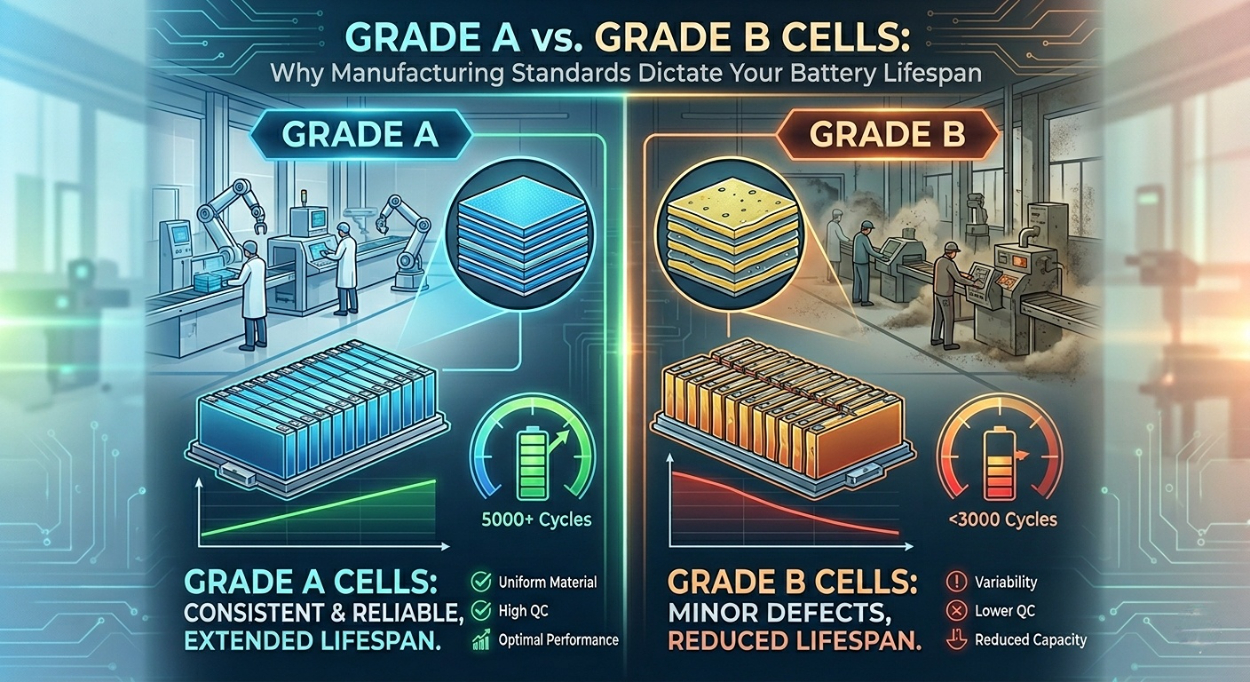
- Cycle Life: 6,000+ cycles at 80% DOD
- Smart BMS with charge-limiting function
- Perfect for home backup and renewable energy storage
How to Apply the 80% Rule to Your Home Battery
- Set your inverter or BMS to cap charging at 80%
- Set the low-voltage cutoff to 20%
- Only use 100% charge before expected long outages
- Keep your stackable battery in a cool, well-ventilated area
Final Thoughts: Does Partial Charging Extend Home Battery Life?
Absolutely yes—partial charging extends home battery life, and the 80% rule is the simplest, most effective way to protect your system.
When paired with a high-quality stackable energy storage battery built for renewable energy, you get maximum durability, safety, and value. Our 51.2V 150Ah‑7kWh stackable battery is designed to thrive with the 80% rule, delivering decades of reliable performance for American homes.
Whether you use grid-tie solar, off-grid renewable energy, or emergency backup, the 80% rule will protect your investment and make your energy storage battery last significantly longer.
Featured Stackable Battery
View Full Product
How Ambient Conditions Impact Home Battery Lifespan
Home Battery Backup Payback Period: How Lifespan Affects ROI