


LFP vs. NMC for Home Battery Backup: Which Lasts Longer? (2026)
LFP vs. NMC: Which One Lasts Longer for Home Battery Backup?

LFP batteries deliver up to 10,000 cycles vs NMC's 2,000-5,000 cycles — clear winner for home energy storage.
📊 Key Takeaways: LFP vs NMC at a glance
NMC: 1,000–5,000 cycles
NMC: 6–10 years
NMC: ~$1,750/year (daily use)
NMC: 300°F threshold
✅ Winner for home battery backup: LFP lasts 2-4x longer, safer, and cheaper over time.
📖 Table of Contents
- What “Lasts Longer” Actually Means for a Home Battery
- LFP vs. NMC: The Lifespan Numbers, Plain and Simple
- Chemistry Deep Dive: Why LFP Outlasts NMC
- Case Study #1: LFP in San Diego – The Smart Choice
- Case Study #2: NMC in Texas – The Cautionary Tale
- Wait – Does NMC Ever Make Sense for Home Battery Backup?
- What About Cost? Upfront vs. Over Time
- Why We Make LFP at JM Energy Technology
- Quick Recap: Which One Should You Pick?
- Final Thought
You’re thinking about a home battery backup. Maybe you already have solar panels, or you just want to keep the lights on when the grid goes down. Either way, one question comes up again and again: Which battery chemistry lasts longer – LFP or NMC?
It’s a fair question. A home battery backup isn’t cheap. You don’t want something that dies in five years. According to EnergySage, the average U.S. homeowner expects at least 10 years from their storage system.
I’ve spent over a decade making lithium and sodium-ion batteries at our factory in Dongguan, China (JM Energy Technology). I’ve watched LFP and NMC go head‑to‑head in real homes, not just lab tests. And the answer isn’t as complicated as some companies make it sound.
Let’s cut through the noise. Then I’ll show you two real American families who made the choice – one who got it right, and one who wishes they had.
What “Lasts Longer” Actually Means for a Home Battery
Before we compare, let’s get clear on two terms battery people love to throw around:
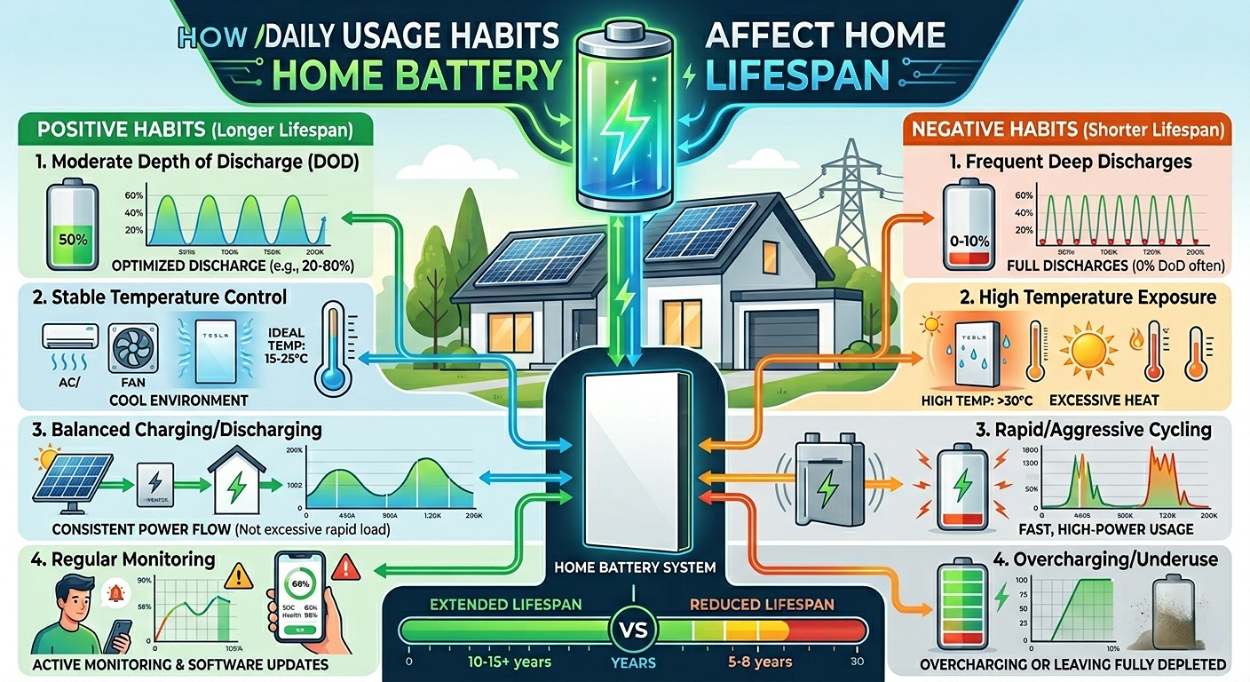
Cycle life – How many times you can fully charge and drain the battery before it drops to 80% of its original capacity. If you use your solar battery every day (like most people do), cycle life is what matters most.
Calendar life – How many years the battery will last even if you barely use it. This matters more if you only need backup during outages a few times a year.
Most homeowners need a mix of both. But for daily solar storage, cycle life is king. And that’s where LFP and NMC start to look very different.
LFP vs. NMC: The Lifespan Numbers, Plain and Simple

Let’s skip the marketing slides. Here’s what real‑world data shows.
LFP (Lithium Iron Phosphate)
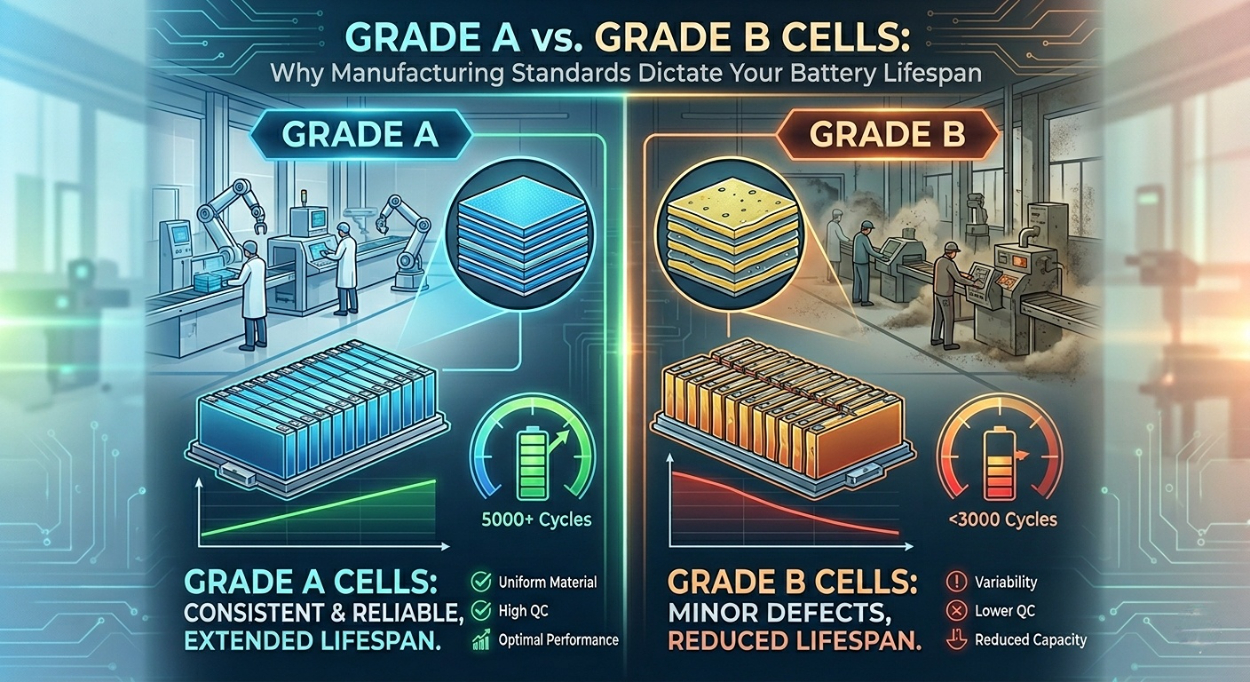
- Cycle life: 4,000 to 10,000+ cycles
- Calendar life: 10 to 20 years
- Can be drained 90–100% daily without killing it fast
NMC (Nickel Manganese Cobalt)
- Cycle life: 1,000 to 5,000 cycles (often closer to 2,000 for home use)
- Calendar life: 6 to 10 years
- Best kept above 20–30% charge – deep cycles hurt it more
To put that in plain English: If you fully cycle your home battery backup once a day, an LFP battery could last 10 to 15 years. An NMC battery doing the same job might need replacing in 3 to 6 years.
That’s not a small difference. That’s the difference between buying one battery or buying two or three over the same period.
Chemistry Deep Dive: Why LFP Outlasts NMC
Why LFP batteries are naturally stable
LFP uses iron and phosphate – cheap, stable, and boring (in a good way). The olivine crystal structure doesn’t crack or break down easily, even after thousands of cycles. That’s why LFP batteries from good factories often hit 8,000 cycles before you notice much drop in performance.
Why NMC degrades faster in heat & deep cycles
NMC uses nickel, manganese, and cobalt. That mix gives you more energy in a smaller space – great for electric cars where weight matters. But for a stationary home battery backup, that extra energy density comes at a price. The internal structure degrades faster, especially when it gets hot or when you drain it deeply.
Heat is NMC’s enemy. An NMC battery running at 95°F will age twice as fast as one kept at 75°F. LFP? It barely flinches. You can run it hotter and cooler without wrecking its lifespan.
Oh, and safety: LFP can handle temperatures up to about 500°F before anything bad happens. NMC starts getting unstable around 300°F. That’s one reason you see more news about NMC fires – rare, but real.
Case Study #1: LFP in San Diego – The Smart Choice

Who: Matthew Henderson, San Diego, California
Problem: Wildfire season meant 24–48 hour outages. His old generator cost $350 per day to run. Summer temps hit 113°F, cooking his lead‑acid batteries in two years.
What he did: Installed a 15kWh LFP home battery backup with his 6.6kW solar array. (He actually bought the new 51.2V 300Ah 15kWh unit from JM Energy Technology – the one we just launched.)
How it went:
- His grid use dropped from 70% to 15%.
- He saved $4,200 a year on electric bills.
- During a heat wave last summer, his battery kept the fridge, internet, and lights on for 72 straight hours.
- After 18 months, his battery still holds 98% of its original capacity.
Matthew told me: “I don’t even think about outages anymore. And my electric bill went from $500 a month to $80.”
That’s what a long‑lasting home battery backup looks like in real life.
Case Study #2: NMC in Texas – The Cautionary Tale
Who: A homeowner near Fort Worth, Texas (asked not to use his name)
Problem: ERCOT grid failures – winter storm blackouts in 2021, summer heat waves in 2023 and 2024. He wanted a solar battery for both daily savings and backup.
What he did: Bought an NMC battery system because the upfront price was a bit lower and the salesperson said “it’s just as good.”
How it went:
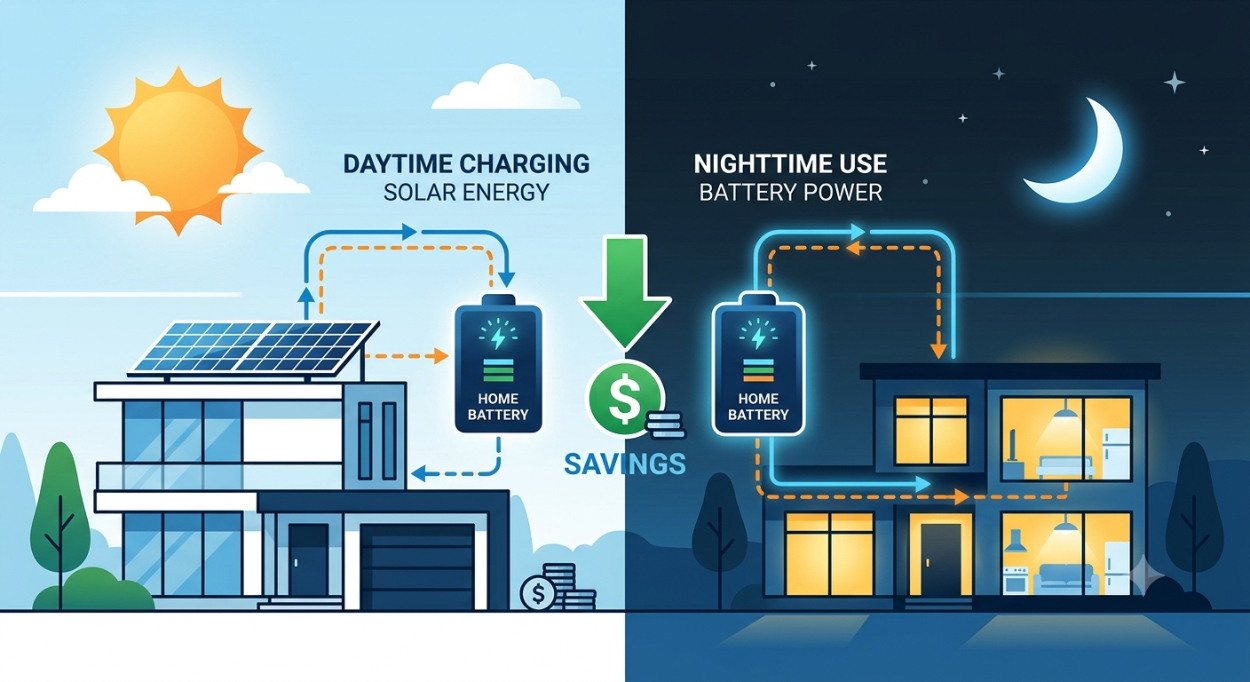
- He uses the battery daily to shift solar power to evening hours – about one full cycle per day.
- After 3 years, his battery dropped to 76% of original capacity.
- The system now shuts down early – he’s back to buying grid power at peak rates.
- Replacement cost? About $11,000 installed. He’s trying to wait another year, but it’s failing faster each month.
He told me: “I should have spent a little more upfront. Now I’m paying twice.”
That’s the trap. NMC can work fine for occasional backup – like a battery you touch twice a year. But for daily cycling, it just doesn’t last. Most homeowners don’t realize that until it’s too late.
Wait – Does NMC Ever Make Sense for Home Battery Backup?
Yes, but only in very specific situations.
NMC wins if:
- You have almost no wall space (NMC packs about 20–30% more energy into the same footprint).
- You live somewhere with zero net metering and you never cycle daily – just backup a few times a year.
- You can keep the battery in a perfectly climate‑controlled room at 70°F year‑round.
For everyone else – which is 95% of homeowners – LFP is the smarter long‑term play.
Why? Because even if you think you’ll only use it for backup, life happens. Heat waves. Storms. Rate hikes. Most people start cycling their battery more than they planned. With LFP, that’s fine. With NMC, you’re burning through its life faster than expected.
What About Cost? Upfront vs. Over Time
Let’s do simple math.
An LFP home battery backup might cost $9,000 today. It lasts 12 years. That’s $750 per year.
An NMC battery might cost $7,000 today. It lasts 4 years with daily use. That’s $1,750 per year – and you’ll buy two more over 12 years, so your real cost is over $20,000.
Even if NMC lasts 6 years (optimistic), you’re still paying more per year than LFP.
That’s why most solar installers I know now recommend LFP for home battery backup unless the customer has a very unusual space constraint. The math just doesn’t work the other way.
Why We Make LFP at JM Energy Technology
I don’t say this just because we sell LFP batteries. We actually make both chemistries at our Dongguan factory – we’ve been building lithium and sodium‑ion cells for over ten years. But for home storage, we put our name on LFP.
The new 51.2V 300Ah 15kWh home battery backup we just launched is LFP. Here’s why:
- It’s rated for 8,000+ cycles at 90% depth of discharge.
- It works from -4°F to 140°F without throttling.
- The built-in BMS (battery management system) balances every cell actively – no lazy cells dragging the pack down.
- It stacks. Need 30kWh? Add a second unit. 45kWh? Add a third.
We also still make high‑quality AA batteries for everyday devices. That’s where we started over a decade ago. But for home battery backup and solar battery applications, LFP is the future – and the future already works better.
Speaking of battery lifespan across different applications, the same principles apply to smaller cells. Curious about how long your rechargeable AA batteries last? We’ve created a complete pillar guide that breaks down cycle life, best practices, and what to expect from quality lithium-based AA cells.
Quick Recap: Which One Should You Pick?
| LFP | NMC | |
|---|---|---|
| Lasts longer? | ✅ Yes – 2–4x more cycles | ❌ No |
| Safer indoors? | ✅ Much higher heat tolerance | ⚠️ Requires more caution |
| Better for daily solar cycling? | ✅ Absolutely | ❌ Not recommended |
| Cheaper over 10 years? | ✅ Much cheaper | ❌ Costs more long term |
| Smaller physical size? | ❌ Slightly larger | ✅ Yes, but rarely matters |
If you’re installing a home battery backup to save money and gain peace of mind for the next decade or more, go LFP. It’s not even close.
If you’re absolutely space‑constrained and will cycle the battery less than 50 times a year, NMC can work – just know what you’re trading off.
Final Thought
Batteries are boring. They should just work, quietly, for years, without you thinking about them. That’s what a good home battery backup does.
LFP gets you there. NMC gets you there too – but often with a shorter stay and an earlier check‑out.
We’ve been building batteries in Dongguan for over ten years. We’ve seen the tech change, the prices drop, and the promises get made (and broken). Right now, LFP is the most honest chemistry for home storage. It lasts. It’s safe. And in the long run, it saves you real money.
If you want to know more about our 51.2V 300Ah 15kWh LFP battery – or just want a second opinion on your home battery backup plan – reach out. We don’t bite. We just build batteries that last.
JM Energy Technology – Dongguan, China. 10+ years in lithium and sodium‑ion batteries. Proud makers of AA batteries, home battery backup systems, and solar battery storage for homes around the world.

JM Stackable Home Storage
Expandable from 15kWh to 45kWh. 10-year warranty. Made in our Dongguan factory with 10+ years experience.
How Long Do Rechargeable AA Batteries Last?
Our complete pillar guide covers AA battery lifespan, degradation factors, and pro tips to maximize cycles.
Read Full Guide →⚡ Free consultation for US homeowners
JM Energy Technology — Dongguan, China
10+ years expert manufacturing
Home Battery Backup Payback Period: How Lifespan Affects ROI
How Long Do Rechargeable AA Batteries Last