


How Many Cycles Does LiFePO4 Have?
How Many Cycles Does LiFePO4 Have? Battery Lifespan & Cycle Guide
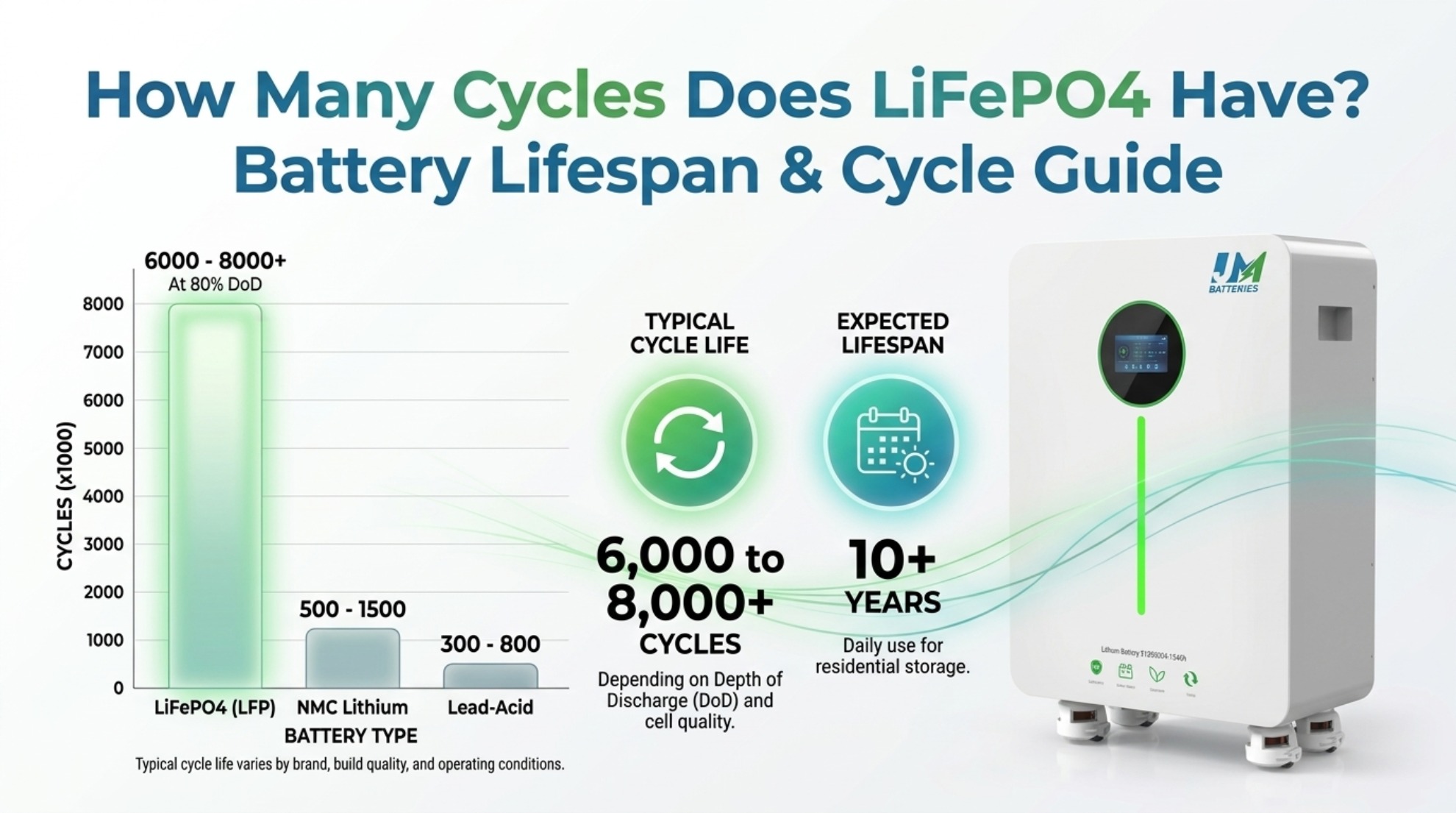
Table of Contents
What Is the Standard LiFePO4 Cycle Life?
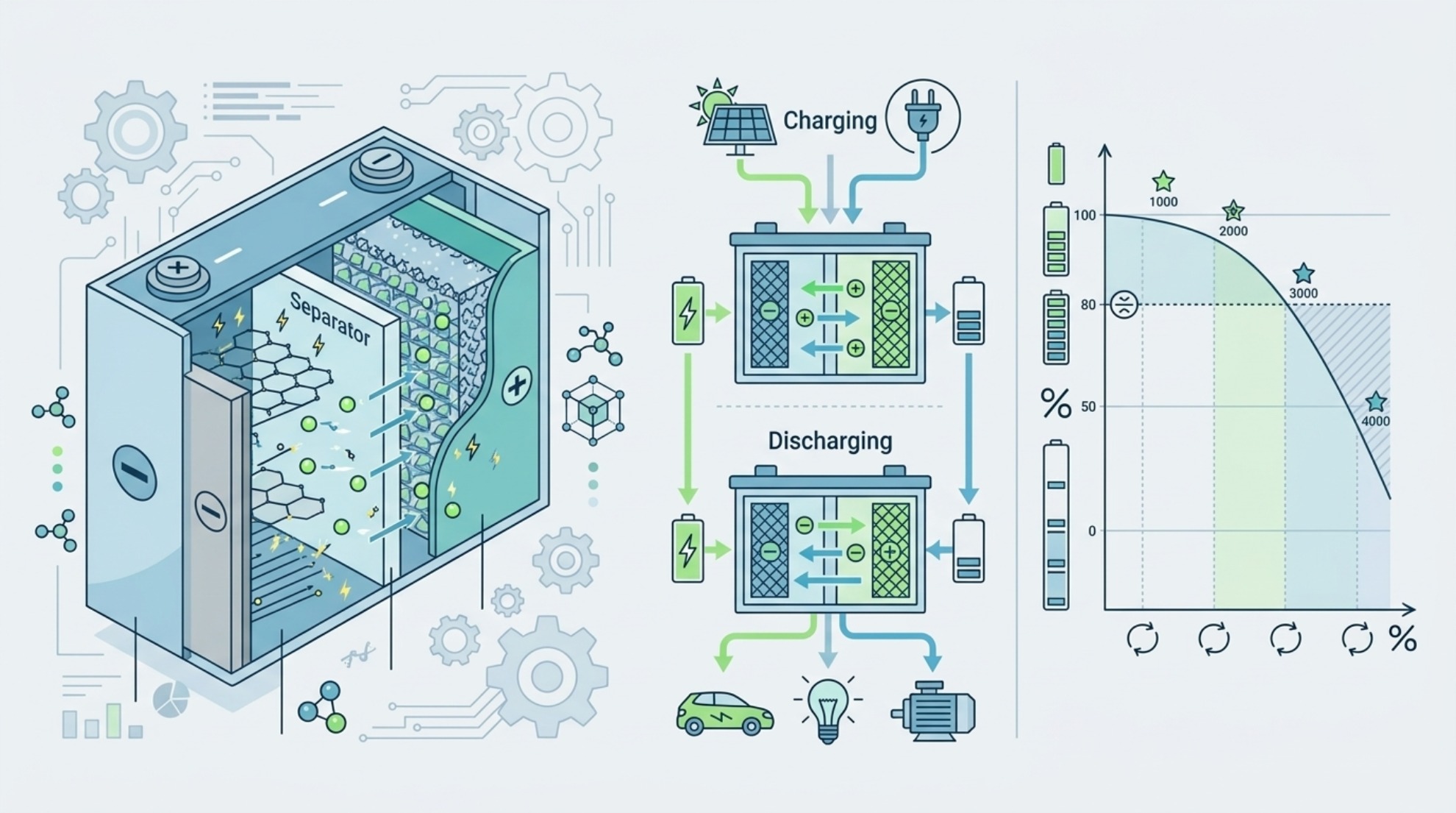
Under standard operating conditions, a high-quality LiFePO4 battery typically delivers 6,000 to 8,000+ cycles before its capacity declines to 80% of its original rating. This equates to an operational lithium iron phosphate lifespan of 10 to 15 years in daily solar energy storage applications.
Manufacturer datasheets come from controlled lab setups. Real-world numbers often shift up or down. Site climate, how deep you discharge each day, charging speed, and BMS quality all change what you actually get out of home solar, off-grid microgrids and backup power systems.
How Are Charge & Discharge Cycles Measured?
A single cycle occurs when a battery is fully discharged down to its minimum threshold and recharged back to full capacity. Manufacturers evaluate charge discharge cycles until the cell reaches its official end-of-life benchmark—typically defined as an 80% state of health SOH. Thanks to the inherently stable olive-crystal lattice of iron phosphate, these cells maintain high capacity retention without the thermal degradation common in cobalt-based chemistries.
Key Factors Affecting LiFePO4 Battery Cycle Counts
How Depth of Discharge (DoD) Impacts Cycle Life
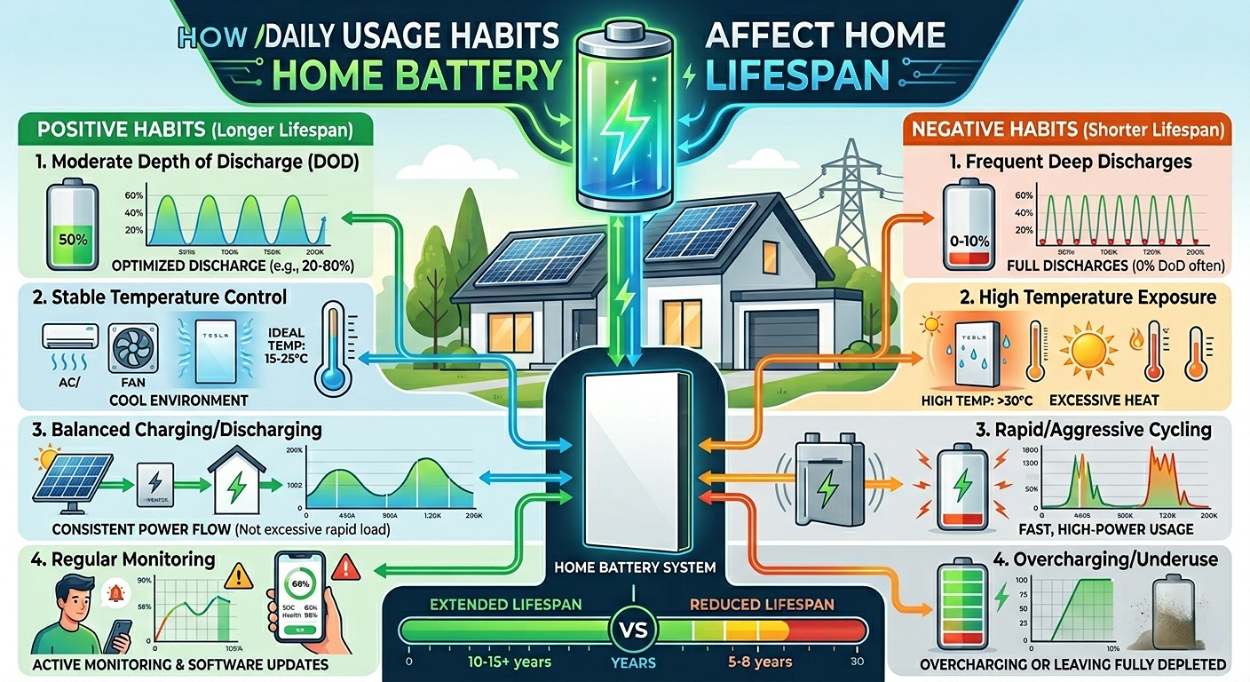
How deeply a battery is drained during each loop serves as the single primary variable determining overall cycle life. Consistently operating at a 100% depth of discharge DOD yields approximately 3,000 full cycles, whereas capping routine usage at 80% DOD extends life expectancy past 5,000 to 6,000 cycles. Lower discharge depths alleviate stress on the electrode materials, significantly mitigating long-term battery degradation.
| Depth of Discharge (DOD) | Estimated Cycle Count | Equivalent Service Life (1 cycle/day) |
|---|---|---|
| 100% DOD | 2,500 – 3,500 Cycles | 7 – 10 Years |
| 80% DOD | 4,000 – 6,000 Cycles | 11 – 15 Years |
| 50% DOD | 8,000 – 10,000+ Cycles | 15+ Years |
Temperature & C-Rate Effects on LiFePO4 Cycle Count
Environmental conditions and current flow rates directly impact electrochemical stability. Operating within optimal ambient temperatures (20°C–25°C) alongside moderate c-rate charging speeds (0.2C to 0.5C) protects internal cell integrity. Continuous exposure to temperatures exceeding 45°C accelerates electrolyte breakdown, whereas charging below 0°C leads to permanent capacity loss from internal lithium plating.
Even good-quality cells wear down faster under combined stress. High heat paired with fast charging will pull real-world cycle numbers well below datasheet values. Ventilated cabinets or thermal isolation help keep performance closer to lab test results.
Real-World LiFePO4 Cycle-Life Case Studies
Lab cycle-life numbers give you theoretical targets. These two field deployments show real LiFePO4 performance. You can clearly see how depth-of-discharge and site temperature change actual capacity retention.
Case Study 1: Rural Community Clinic Off-Grid Microgrid, Nepal
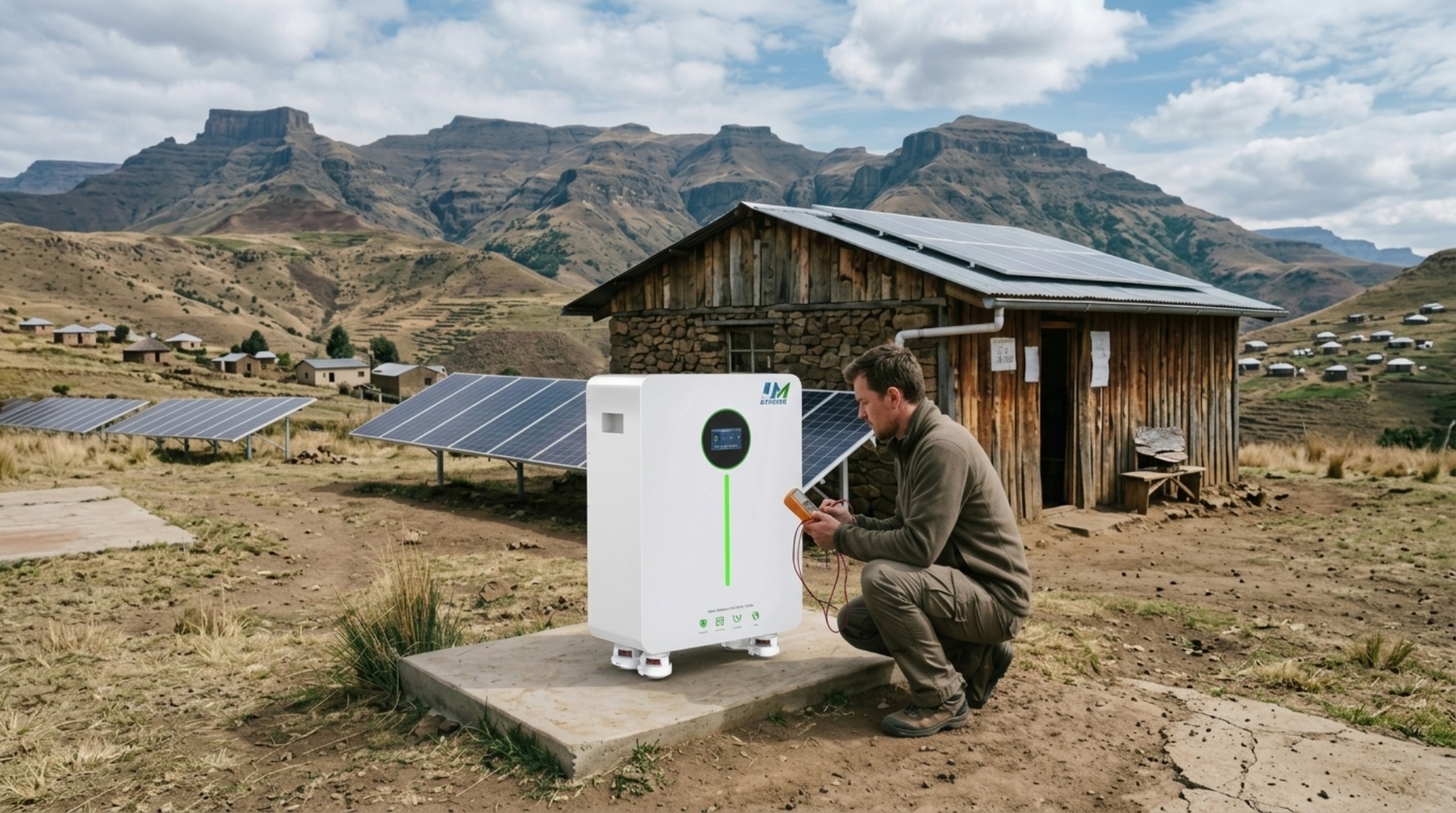
Project background: Installed in 2021. This off-grid microgrid uses 48 pieces of 3.2V 100Ah LiFePO4 prismatic cells with a 12 kW solar array. It supplies power for a remote community clinic with no utility grid access.
Operating profile: Average daily depth-of-discharge sits 70-80 %. Cells fully recharge during daylight hours. The BMS runs constant cell balancing. Local ambient temperature mostly stays 10-32°C year-round.
Field inspection result (early-2024): Field technicians pulled 12 random cells for full capacity testing. Average capacity retention hit 91.3 %; the weakest cell still held 87.5 % capacity. Cell-to-cell voltage difference stayed under 0.04 V. No swelling, electrolyte leaks or corrosion showed up on any unit.
What we observe here: When you run near 80 % DOD in mild climates and keep reliable BMS balancing, real-world performance lines up closely with manufacturer cycle-life expectations.
Case Study 2: Hot-Climate Residential Grid-Tied Solar Storage, Arizona USA
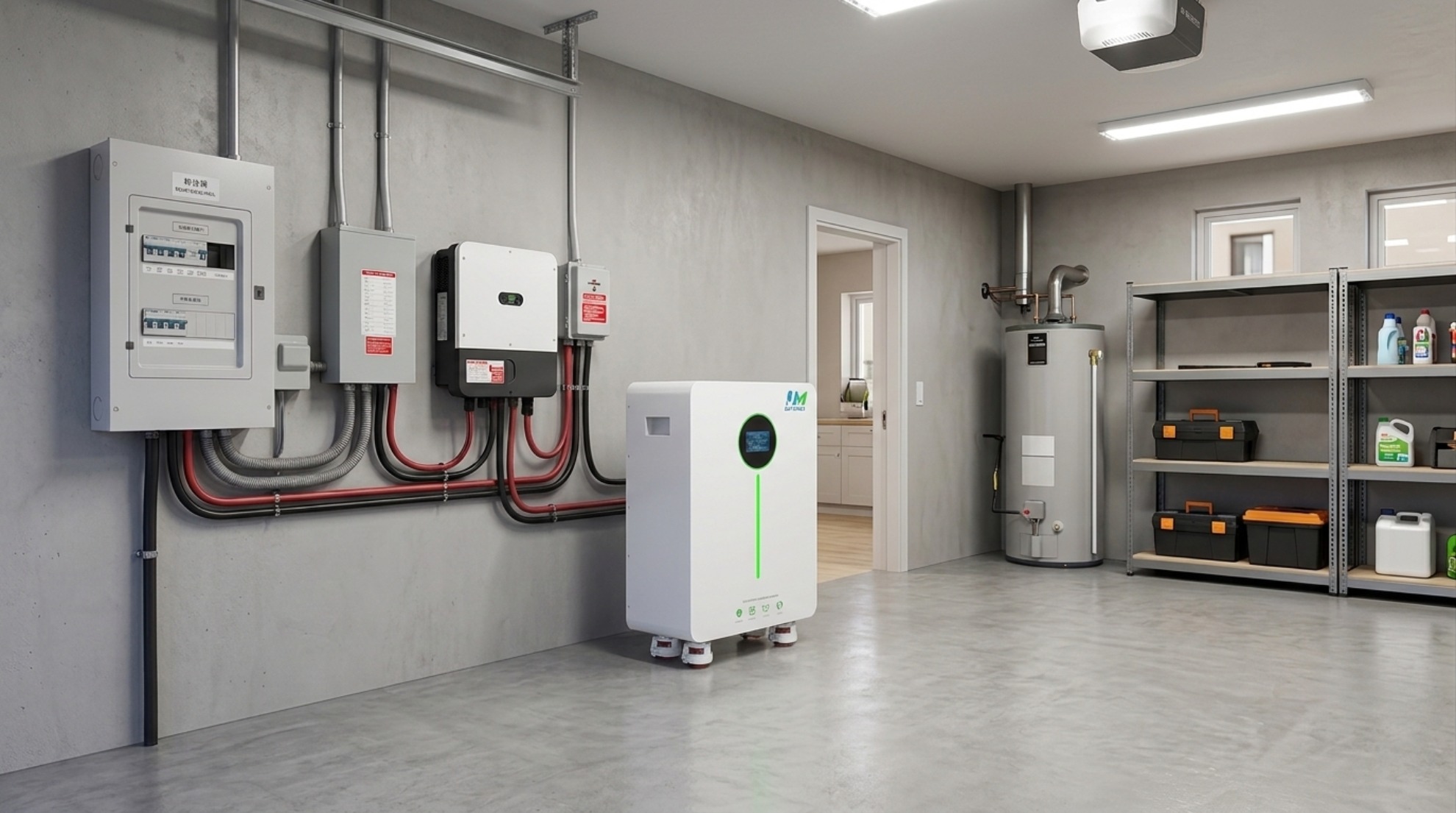
Project background: Residential rooftop solar with LiFePO4 home-backup battery, commissioned 2018 in Arizona desert. Summer cabinet temperatures regularly climb above 40°C; only basic passive ventilation was fitted at install time.
Operating profile: Daily average DOD ~75-80 %, roughly one full charge-discharge cycle each day. The inverter enforces safe voltage limits, but there is no active air-conditioning for the battery bank.
Field monitoring result (7-year service window): The system logged around 3,700 equivalent full cycles. Capacity dropped to 83-85 % SOH. This sits below lab-based projections. Heat takes its toll even with LiFePO4’s stable chemistry.
Field observation: Hot locations reduce total cycle counts you can expect. Adding active thermal management helps hold rated lifespan for batteries deployed in high-temperature zones.
How to Maximize Your LiFePO4 Battery Lifespan
To unlock maximum cycle longevity in stationary energy storage systems, pair cells with an integrated battery management system BMS. A precision BMS monitors real-time voltage, maintains cell balance, and prevents over-discharge or overheating. Adopting regular preventative maintenance—such as avoiding prolonged storage at 100% state of charge and keeping installation environments cool—ensures dependable, long-term power generation.
- Try to keep regular daily discharge depth at 80 % or less where you can
- Keep operating temperature 10°C-35°C; never charge batteries when ambient sits below 0°C
- Stick to 0.2C-0.5C charge rates; avoid running continuous high-speed fast-charge cycles
- Do not store batteries long-term at full 100 % SOC; 40-60 % state-of-charge works best for idle storage
- Check BMS data from time to time, watch for growing voltage gaps between individual cells
Frequently Asked Questions
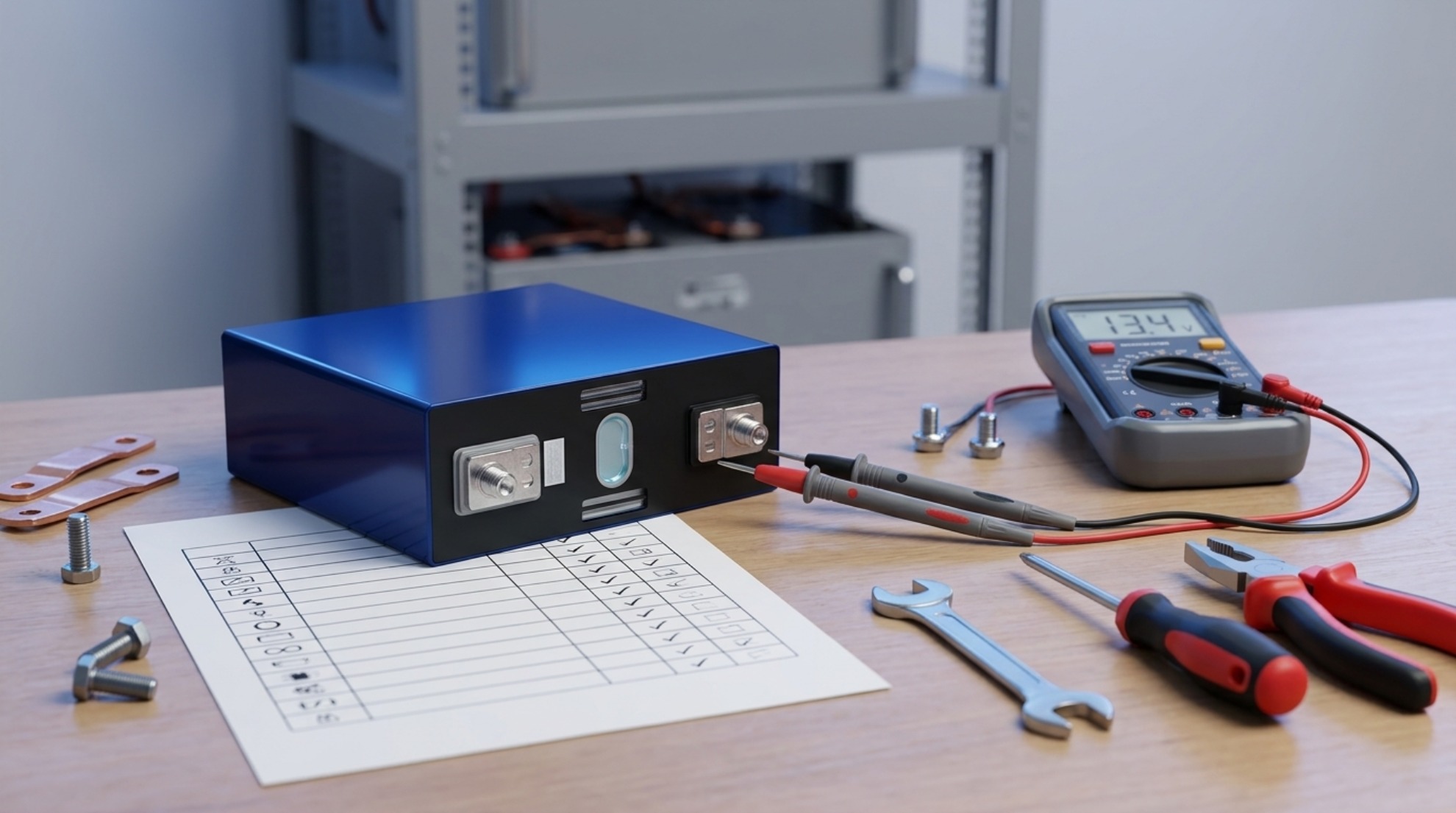
Will my LiFePO4 battery really hit 8000 cycles in home solar use?
8,000+ cycles comes from lab testing under steady temperature and limited 80 % DOD. Real-world home installs in hot weather or those pushed near-100 % DOD every day usually land closer to 3000-4500 cycles before hitting 80 % SOH.
Should I just pick the cell with the highest printed cycle rating?
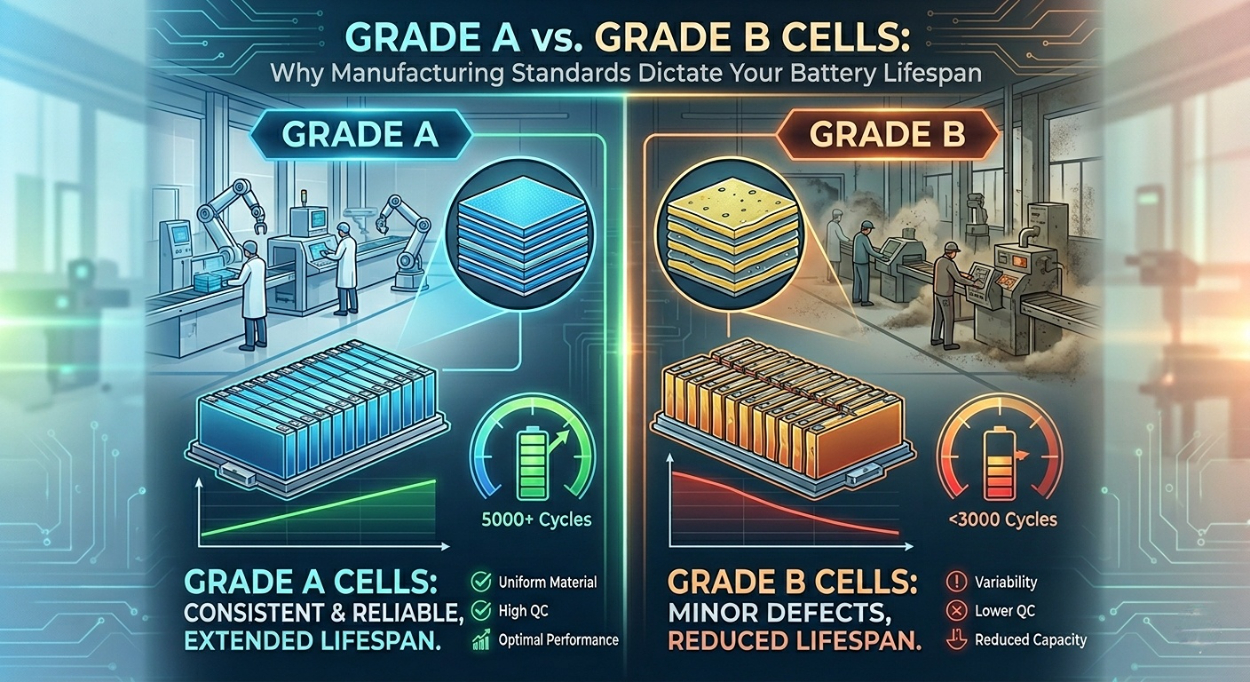
Printed cycle numbers matter, but BMS quality and thermal setup shape real-world results just as much. A well-managed cell rated for 4000 cycles often outlasts poorly-set-up units marketing 8000-cycle figures.
What happens once LiFePO4 hits 80 % SOH?
At 80 % state-of-health, the battery still works safely, just with less usable energy. Many solar system owners keep running these packs on lower-priority loads even after crossing this standard end-of-life mark.
Home Battery Without Solar Panels: Is It Worth It?