


Grade A And B Cells Why Quality Decides 20kWh Battery Life
Grade A vs. Grade B Cells: Why Manufacturing Standards Dictate Your 20kWh Battery Lifespan

In the competitive world of home energy storage, price is often the primary driver for buyers. But as a factory veteran with 10 years of R&D in Dongguan, we see a hidden reality: not every 20kWh battery is built the same. The "heart" of your system—the lithium cells—can vary wildly in quality. Understanding manufacturing standards is the difference between an asset that lasts 15 years and a headache that fails in 3.
The principles of cell longevity are universal, whether you're looking at how long rechargeable batteries last in consumer electronics or building a massive 400Ah power bank for a luxury estate.
The Real Definition of Grade A vs. Grade B
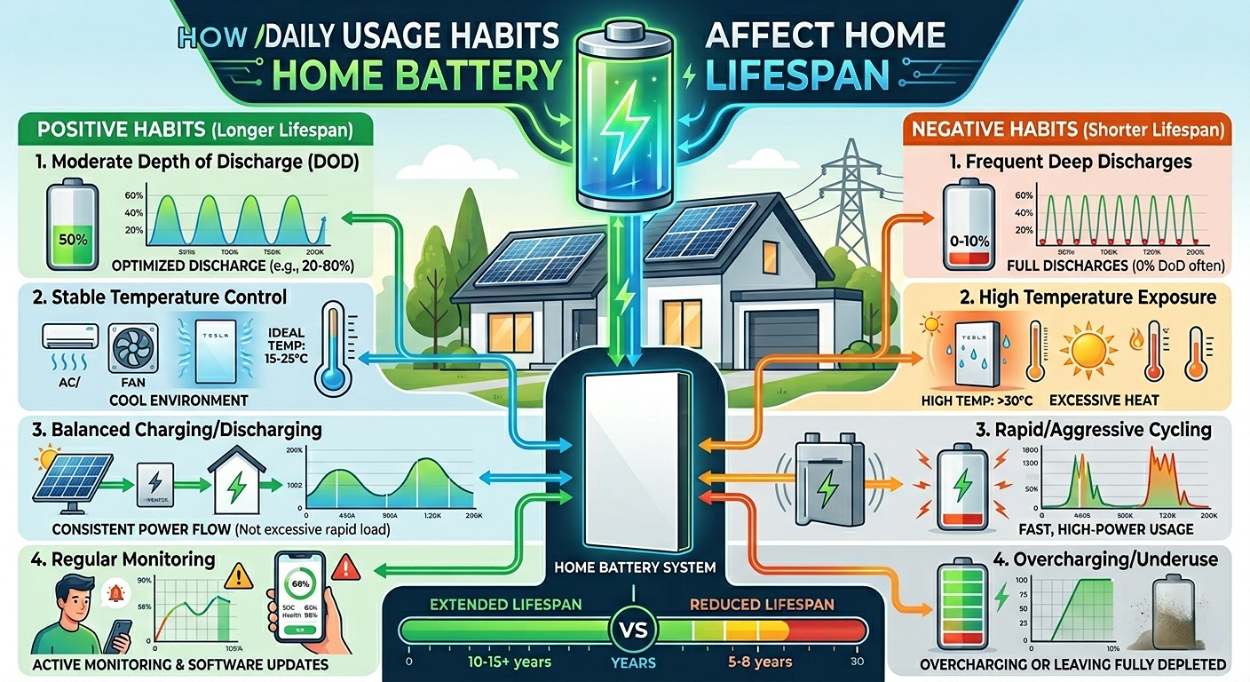
Grade A Cells are the gold standard. They meet 100% of the manufacturer's specifications. At JM Energy Tech, we exclusively use Grade A prismatic cells for our 20kWh systems. These cells offer perfect voltage consistency, which is vital for maintaining a healthy Depth of Discharge (DoD) and ensuring that your partial charging habits actually extend the life of your bank.
Why Sorting and Matching is the "Secret Sauce"
A 51.2V 400Ah battery is a team of cells. If one cell is weaker (Grade B), the entire system is limited by that weak link. Our factory-level sorting process involves testing each cell's internal resistance and capacity to ensure a perfect match. This level of precision is why 400Ah single-unit batteries beat modular stacks—it is far easier to perfectly match 16 large Grade A cells than it is to sync hundreds of smaller modules.
The 20kWh Risk: How Cell Quality Affects ROI

For a high-performance home, the home battery backup payback period is calculated based on 10 to 15 years of use. Grade B cells often suffer from high self-discharge and rapid capacity fade. After just 500 cycles, a Grade B 20kWh battery may only have 15kWh of usable energy left. In contrast, our Grade A LFP chemistry cells are designed for 6,000+ deep cycles.
Beyond Capacity: Fire Safety and Thermal Integrity
Cell grading isn't just about capacity; it's about safety. Grade B cells often have inconsistent internal resistance, which creates "hot spots" during high-current discharge (like starting an HVAC). Our 10 years of focus on fire safety and thermal management means we reject any cell that doesn't meet perfect thermal stability. This is especially critical in challenging ambient conditions or when choosing between a wall-mounted or floor-standing installation.
Case Studies: The Cost of Choosing "Cheap" Cells

The Florida Disaster: Premature Failure
The Scenario: A homeowner purchased a generic 20kWh battery using Grade B cells to save $1,500. After two years of Florida heat, one cell drifted in voltage, causing the BMS to shut down the entire system.
The Reality: Because the system lacked proper inverter communication and used inferior cells, the warranty was voided due to "over-discharge." The owner had to replace the entire unit, destroying their solar ROI.
The 10-Year Factory Engineering Edge
When you buy from JM Energy Tech, you are buying a decade of engineering integrity. We don't cut corners with cell grading because we know that for a high-performance home, reliability is the only metric that matters. Invest in Grade A quality. Explore our professional 51.2V 20kWh (400Ah) series today.
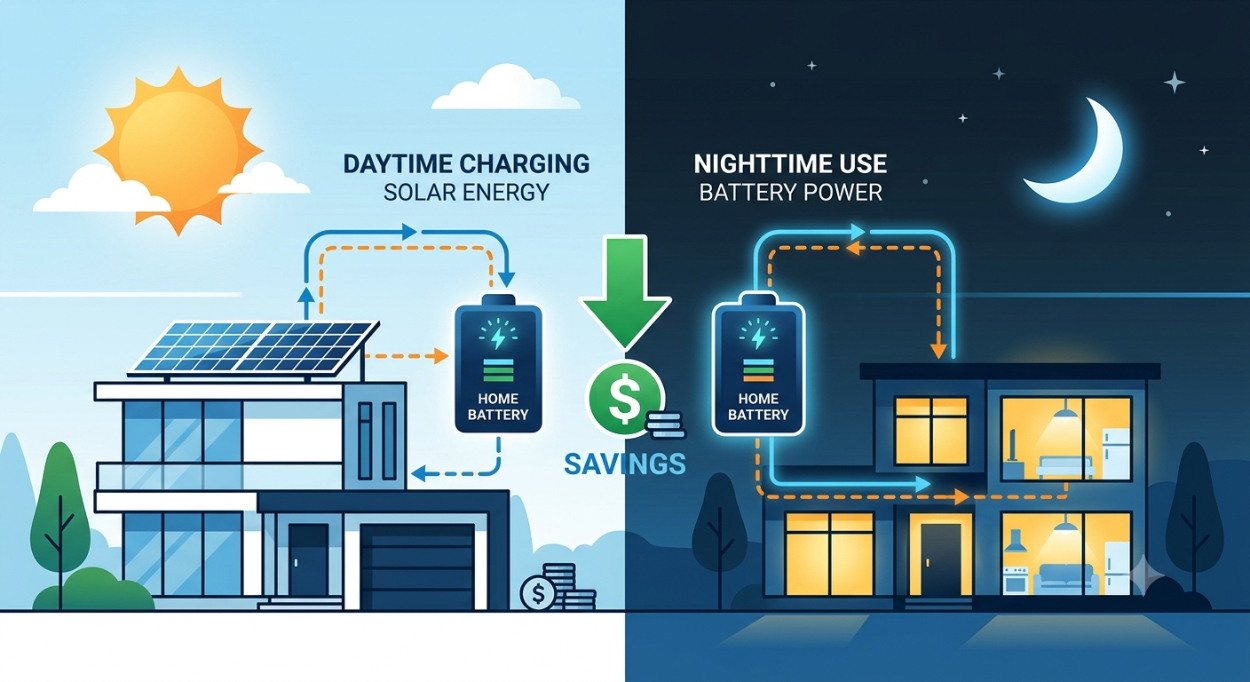
How to Save Money with a Home Battery
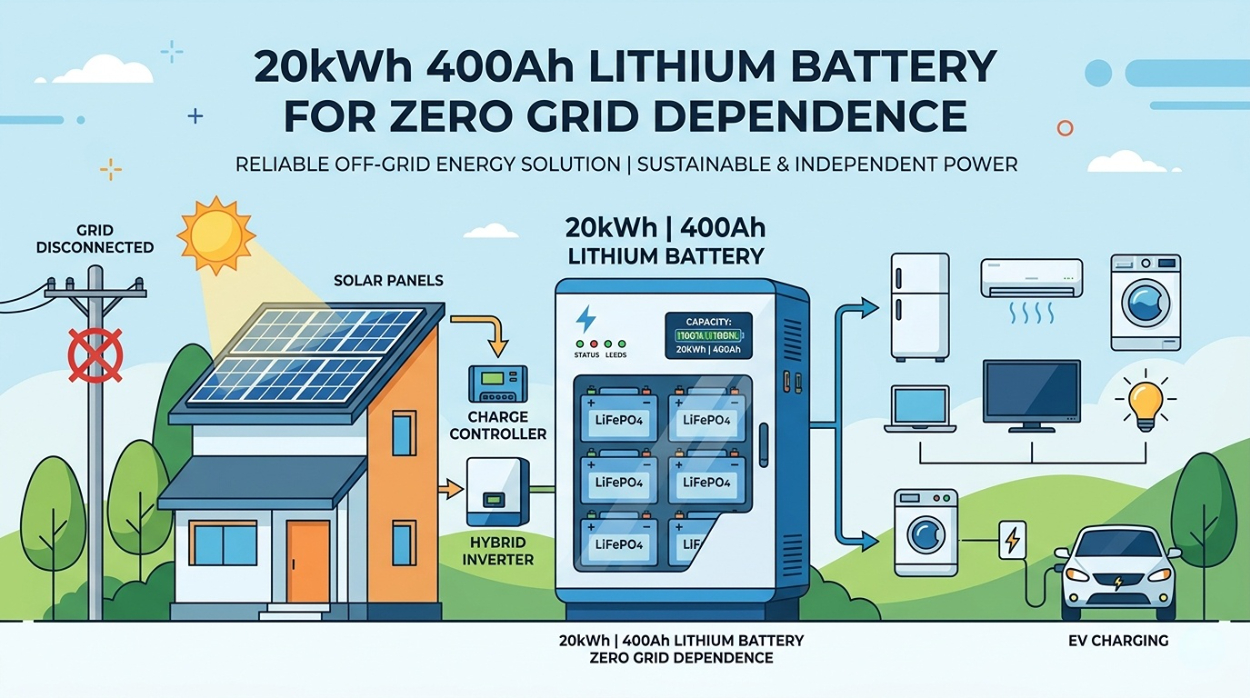
20kWh 400Ah Lithium Battery For Zero Grid Dependence