


How Ambient Conditions Impact Home Battery Lifespan
Temperature & Degradation: How Ambient Conditions Impact Home Battery Lifespan

Table of Contents
Introduction
Residential solar and backup power systems are becoming a staple in American homes—more and more families are turning to lithium-ion and sodium-ion batteries to store clean energy, cut down on utility bills, and keep the lights on during power outages. One of the most popular options for these setups? The 48 volt lithium battery. It’s a go-to choice for its balanced voltage, reliable safety features, and seamless compatibility with most household inverters.
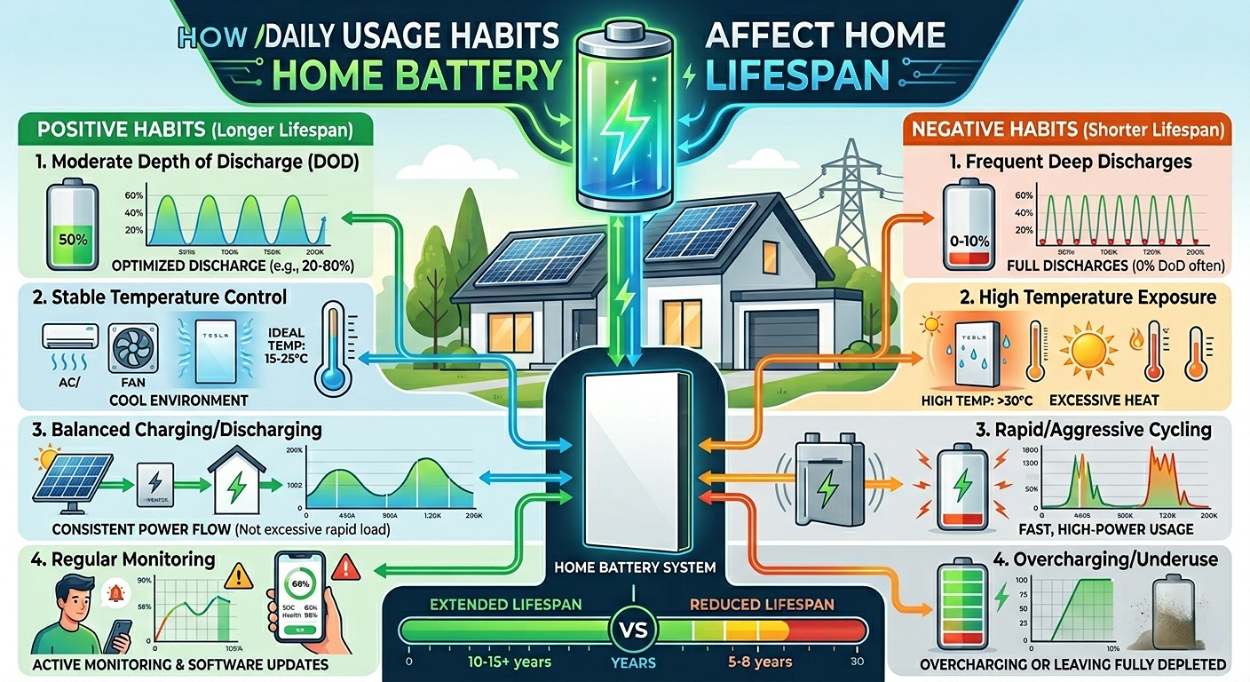
But here’s the thing: most homeowners overlook a silent culprit that can drastically cut a battery’s lifespan: ambient temperature. Extreme heat, bitter cold, and even constant temperature swings speed up chemical wear and tear, reduce how much energy the battery can hold, and shorten its overall cycle life—sometimes by half or more.
We’re a lithium and sodium-ion battery factory based in Dongguan, China, with 10 years of hands-on manufacturing experience. Our team designed our newly launched 51.2V 600Ah‑30kWh energy storage battery to stand up to temperature-related degradation, so it delivers consistent performance for homes across the U.S.—no matter if you’re in the sweltering Southwest or the freezing North.
Why Temperature Is the #1 Enemy of Battery Lifespan
Lithium-ion batteries rely on stable electrochemical reactions to store and release energy. Temperature directly disrupts those reactions—speeding them up, increasing internal resistance, and breaking down key materials. Over time, that damage becomes irreversible, and your battery starts to lose its ability to perform.
High Temperature: Accelerated Aging & Capacity Loss
If your 48 volt lithium battery runs continuously above 35°C (95°F), you’ll start to see problems fast:
- Side reactions multiply, thickening the SEI layer
- Active lithium is consumed, reducing usable capacity
- Electrolyte breaks down, increasing internal resistance
- Cycle life can drop by 50% or more
For every 10°C increase above ideal temperatures, chemical aging roughly doubles. A battery designed to last 10 years can fail in just 4–5 years in a hot garage or attic.
Low Temperature: Reduced Performance & Lithium Plating
Below 0°C (32°F), a 48 volt lithium battery experiences slower ion movement, higher internal resistance, 20–40% lower usable capacity, and a serious risk of lithium plating—permanent damage that shortens lifespan and creates safety hazards.
The Ideal Temperature Window
For a 600Ah lithium battery or standard 48 volt lithium battery, the optimal operating range is 15–25°C (59–77°F). This range maximizes capacity, efficiency, cycle life, and long-term return on investment.
Real US Household Cases: Temperature & Battery Degradation

Case 1: Arizona Home – Extreme Heat Shortens Battery Life
Location: Suburban Phoenix, Arizona
System: Older 48V 200Ah lithium battery
Installation: Unventilated garage (42–48°C in summer)
After just 2.5 years, usable capacity fell to 55%. The BMS frequently limited charging to prevent overheating. The homeowner faced early replacement costs.
We recommended upgrading to our 51.2V 600Ah‑30kWh battery with improved thermal stability and advanced BMS protection. Three years later, the battery still maintains over 85% capacity.
Case 2: Colorado Mountain Home – Cold & Fluctuating Temperatures
Location: Mountain town, Colorado
System: Standard 48V lithium battery system
Installation: Uninsulated outdoor shed (-15°C to 5°C)
In winter, charging slowed to a crawl, capacity dropped 30–40%, and backup power failed during outages. Low temperatures increased resistance and caused uneven cell degradation.
Our 51.2V 600Ah lithium battery with cold-resistant chemistry restored consistent year-round performance, even in sub-zero conditions.
How Our 51.2V 600Ah‑30kWh Battery Resists Temperature Degradation
As a 10-year veteran battery manufacturer in Dongguan, China, we engineered our 600Ah lithium battery to solve real-world climate challenges for American homeowners.
- Wide operating temp range: -20°C to 55°C
- Advanced ionic lithium battery chemistry for slow degradation
- Smart BMS with real-time thermal monitoring
- 30kWh high capacity for whole-home backup
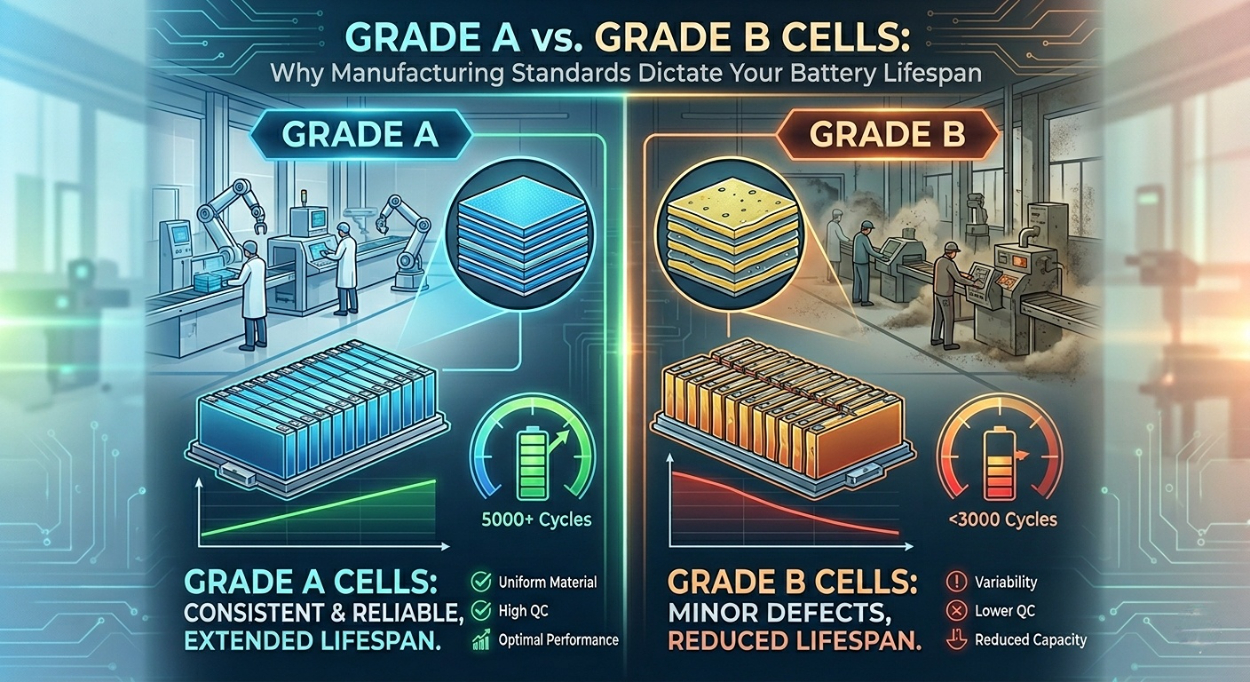
- Proven quality control and long cycle life
For homeowners, this means a longer-lasting 48 volt lithium battery, lower ownership costs, and reliable solar & backup performance year-round.
How to Extend Your 48 Volt Lithium Battery Lifespan
- Install in a ventilated, temperature-stable space
- Avoid hot attics, direct sunlight, and uninsulated sheds
- Use thermal protection in extreme climates
- Follow manufacturer charging guidelines
- Choose a thermally stable battery like our 600Ah lithium battery
Related Topics to Explore
Want to learn more about maximizing home battery lifespan and performance? Check out our expert guides:
- LFP vs NMC for Home Battery Backup: Which Lasts Longer?
- Home Battery Backup Payback Period: How Lifespan Affects ROI
- Does Partial Charging Extend Home Battery Life?
- How Long Do Rechargeable AA Batteries Last?
Conclusion

Temperature and battery degradation are closely linked. A 48 volt lithium battery exposed to extreme heat or cold will age far faster, costing money and reducing reliability when you need it most.
Backed by 10 years of manufacturing experience, our Dongguan factory delivers durable, temperature-resilient energy storage solutions. Our 51.2V 600Ah‑30kWh battery is built to thrive in any U.S. climate, delivering long life and peace of mind.
Invest in a high-performance 600Ah lithium battery or ionic lithium battery system and enjoy clean, reliable power for decades.

Why Its the Key to Battery Longevity
Does Partial Charging Extend Home Battery Life