


Which 15kWh Battery Form Factor is Best for Your Home and Climate
Wall-Mounted vs. Floor-Standing: Which 15kWh Battery Form Factor is Best for Your Home and Climate?

When you decide to invest in a 15kWh home energy storage system, the technical specs (like chemistry and cycles) are only half the battle. The other half is physical: where and how will it sit in your home? At JM Energy Tech, with over 10 years of manufacturing experience in Dongguan, we’ve found that the "Wall-Mounted vs. Floor-Standing" debate is one of the most common dilemmas for American homeowners.
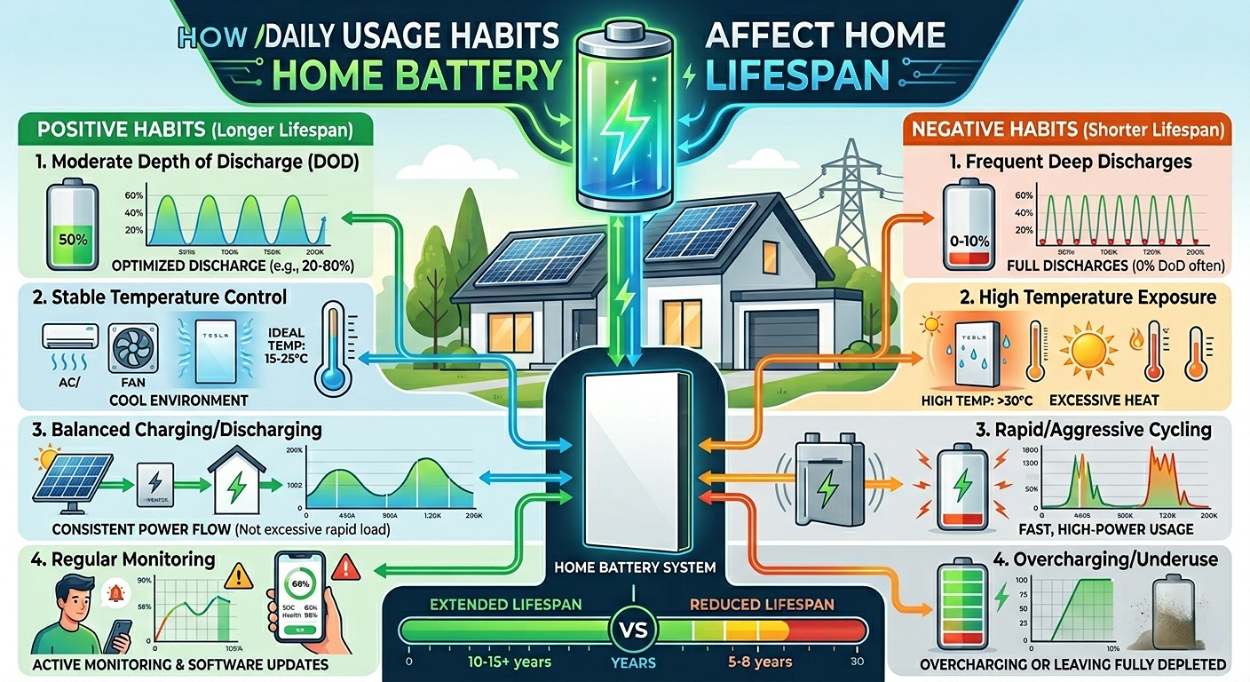
Choosing the right form factor isn't just about looks—it affects installation costs, safety, and even the long-term health of your cells. Much like we discussed in our guide on how long rechargeable batteries last, the environment and physical stress play a massive role in performance.
Wall-Mounted: The "Space-Saving" Powerhouse

Wall-mounted units, like our sleek 51.2V 300Ah (15kWh) series, are favorites for modern garages and utility rooms. They keep the floor clear and offer a high-tech, integrated look.
- Pros: Flood protection (ideal for hurricane-prone areas), saves valuable floor space, and looks aesthetically superior.
- Cons: Requires a reinforced wall (a 15kWh battery is heavy!), and installation labor is typically higher due to the mounting hardware and structural checks needed.
Floor-Standing: The "Heavy-Duty" Solution

For even larger systems, such as our 51.2V 400Ah (20kWh) units, the floor-standing or "Power-Tower" format is often the standard. These units are built to sit securely on the ground, often with integrated wheels or heavy-duty feet.
- Pros: Easier installation (no wall drilling required), handles extreme weight with ease, and is generally more accessible for maintenance.
- Cons: Occupies floor footprint and is more vulnerable to floor-level issues like minor leaks or dust accumulation.
Many high-performance homes are moving away from modular stacks in favor of these robust single units. As we’ve analyzed in the 300Ah/400Ah vs modular system debate, a single floor-standing unit often provides better stability and simpler wiring.
Climate Considerations and Performance
Your local weather should dictate your battery's physical home. As noted in our article on how ambient conditions impact home battery lifespan, thermal management is key. Wall-mounted units often benefit from better airflow on all sides, while floor units might be better suited for temperature-controlled basements or utility closets.
In high-humidity climates (like Florida), elevating a battery on a wall can prevent moisture-related corrosion on the bottom of the casing. Regardless of the format, choosing LFP chemistry is the smartest move for safety across all US climates.
Why 300Ah/400Ah Systems Dictate the Choice
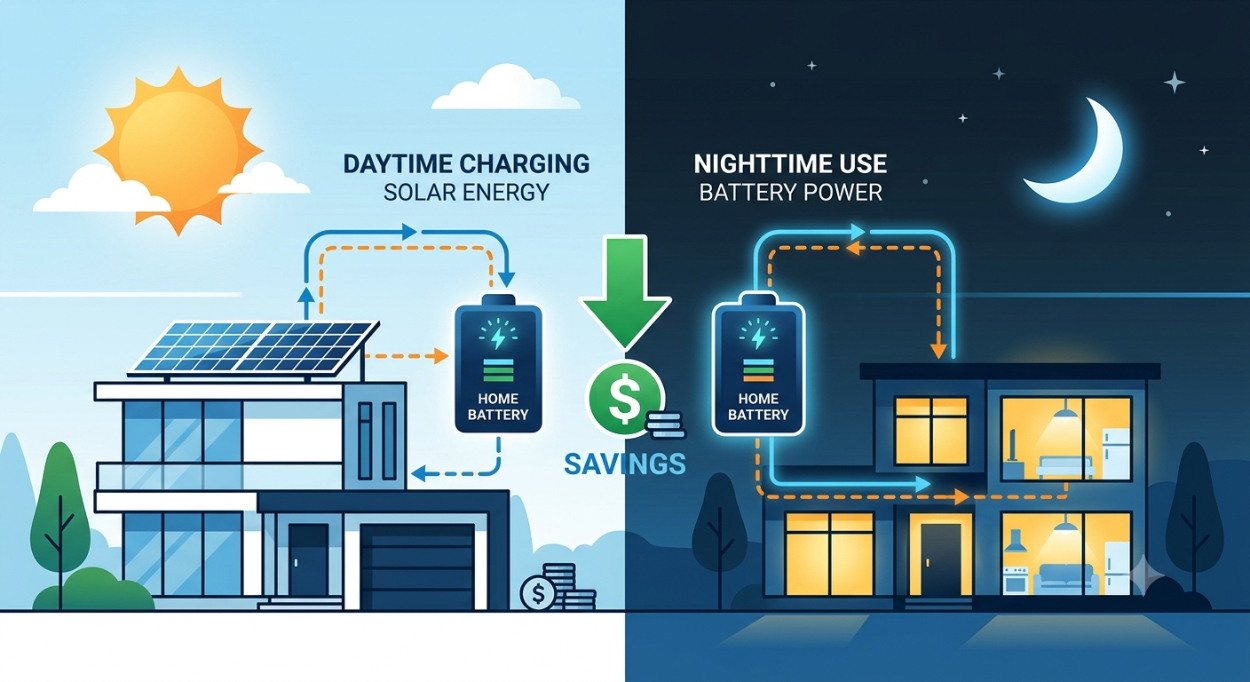
The sheer energy density of a 300Ah or 400Ah single unit makes the mounting choice critical. To ensure a good home battery backup payback period, you must avoid physical stress on the casing. Managing your Depth of Discharge (DoD) and practicing partial charging will keep the internal chemistry healthy, but the physical mount keeps the system safe for 10+ years.
Case Studies: California Garage vs. Texas Utility Room

Case Study 1: The Space-Tight California Garage
The Home: A 3-bedroom home in San Jose with a cramped 2-car garage.
The Solution: The owner chose a Wall-Mounted 51.2V 300Ah (15kWh) unit. By keeping the floor clear, they still have room for their Tesla and workbench. The structural integrity of the garage wall was verified, and the battery now serves as a sleek, out-of-the-way power hub.
Case Study 2: The Robust Texas Utility Room
The Home: A sprawling rural property in Austin with a dedicated basement utility room.
The Solution: A Floor-Standing 51.2V 400Ah (20kWh) powerhouse. Given the large capacity and weight, the owner preferred the stability of the floor. The installation was completed in half the time of a wall-mount, and the unit provides massive backup for the home’s HVAC and water pumps.
Why 10 Years of Factory Experience Matters
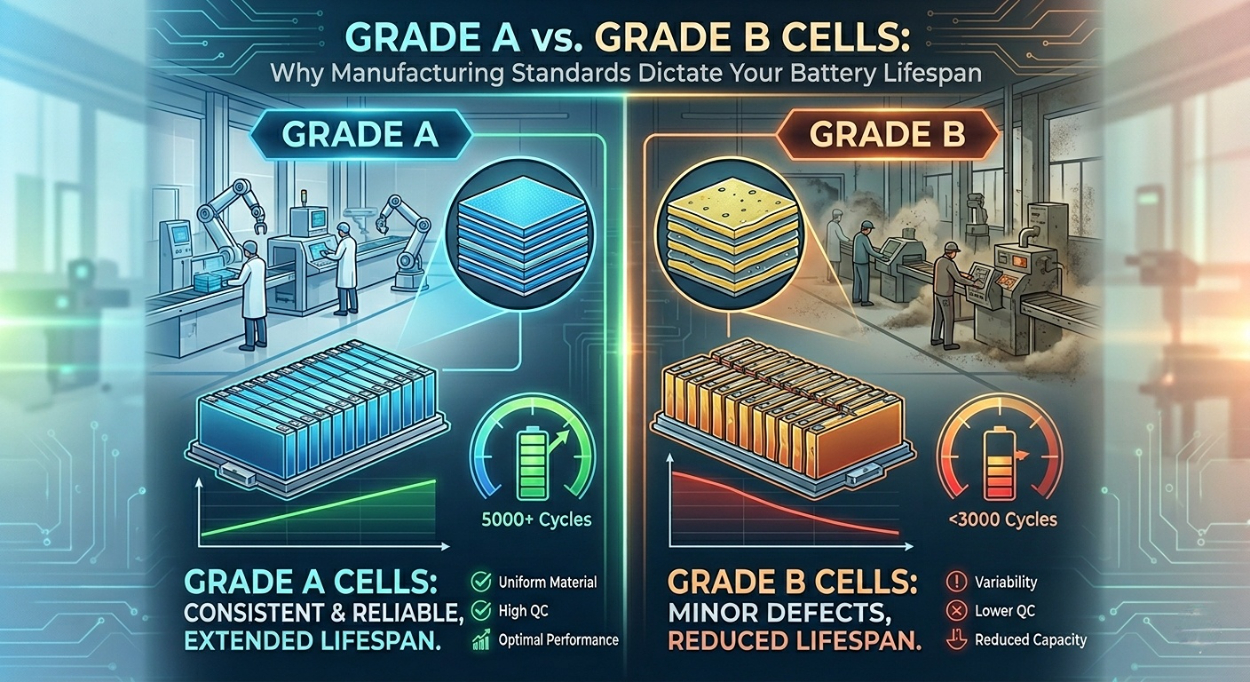
At JM Energy Tech, we don't just sell batteries; we engineer the enclosures for real-world scenarios. Our 51.2V architecture is built with industrial-grade materials, ensuring that whether you hang it or stand it, your 15kWh investment is secure. Ready to optimize your home? Explore our 51.2V 300Ah & 400Ah Series today.
Fire Safety and Thermal Management for 51.2V High Capacity Lithium Systems
Why 300Ah 400Ah Beat Small Home Storage Systems