


How To Charge Battery With Solar Panel
How to Charge a Battery with a Solar Panel
Overview
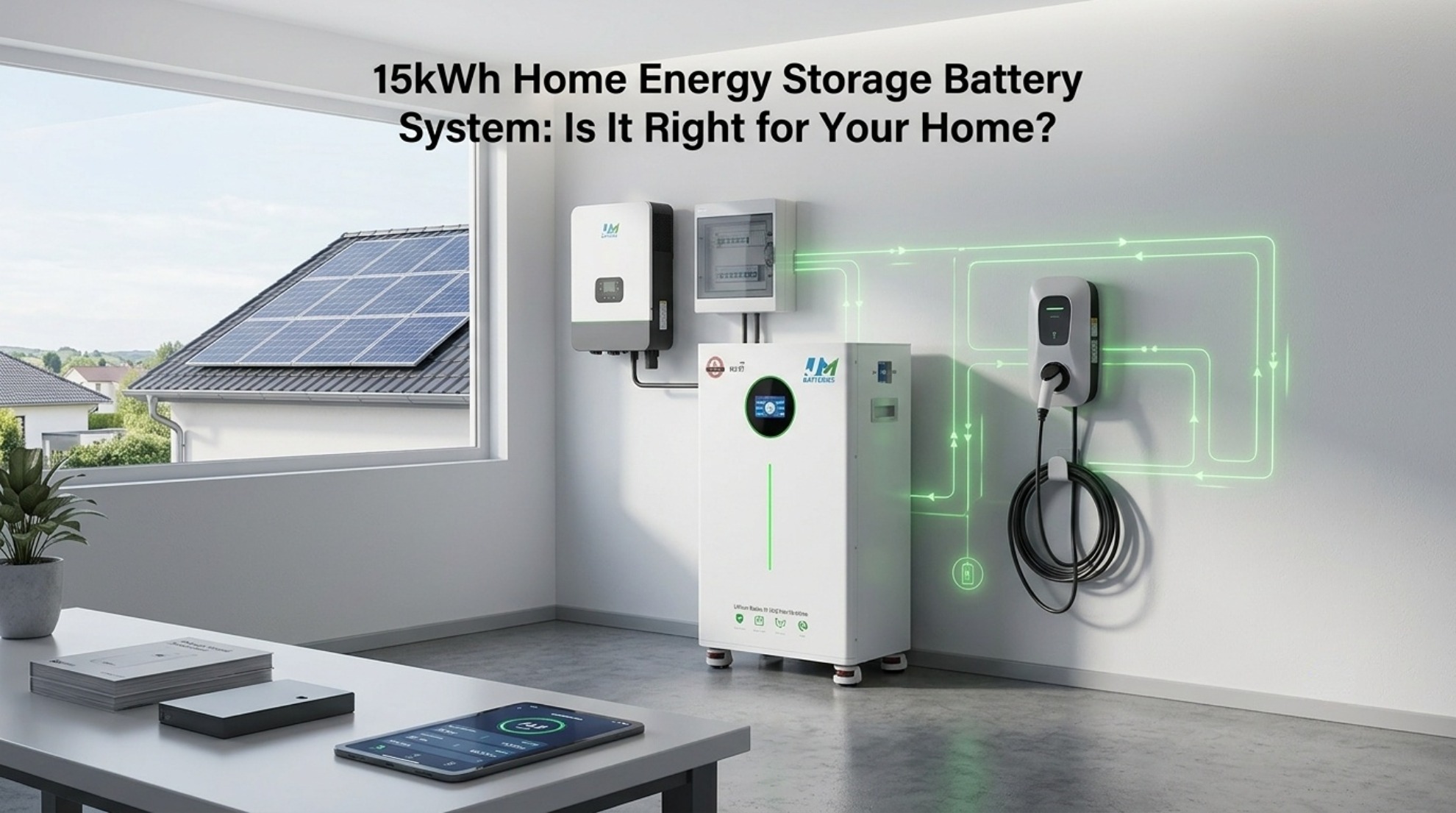
Charging a battery with solar panels is straightforward if you have the right parts and follow a safe wiring order. This guide focuses on practical steps—what to buy, how to connect it, and common pitfalls to avoid. No fluff, just the stuff that works.
What You Need
- Solar panels: Choose panels sized for your needs (wattage and voltage matter).
- Solar charge controller: MPPT or PWM—this sits between the panels and the battery and keeps charging safe.
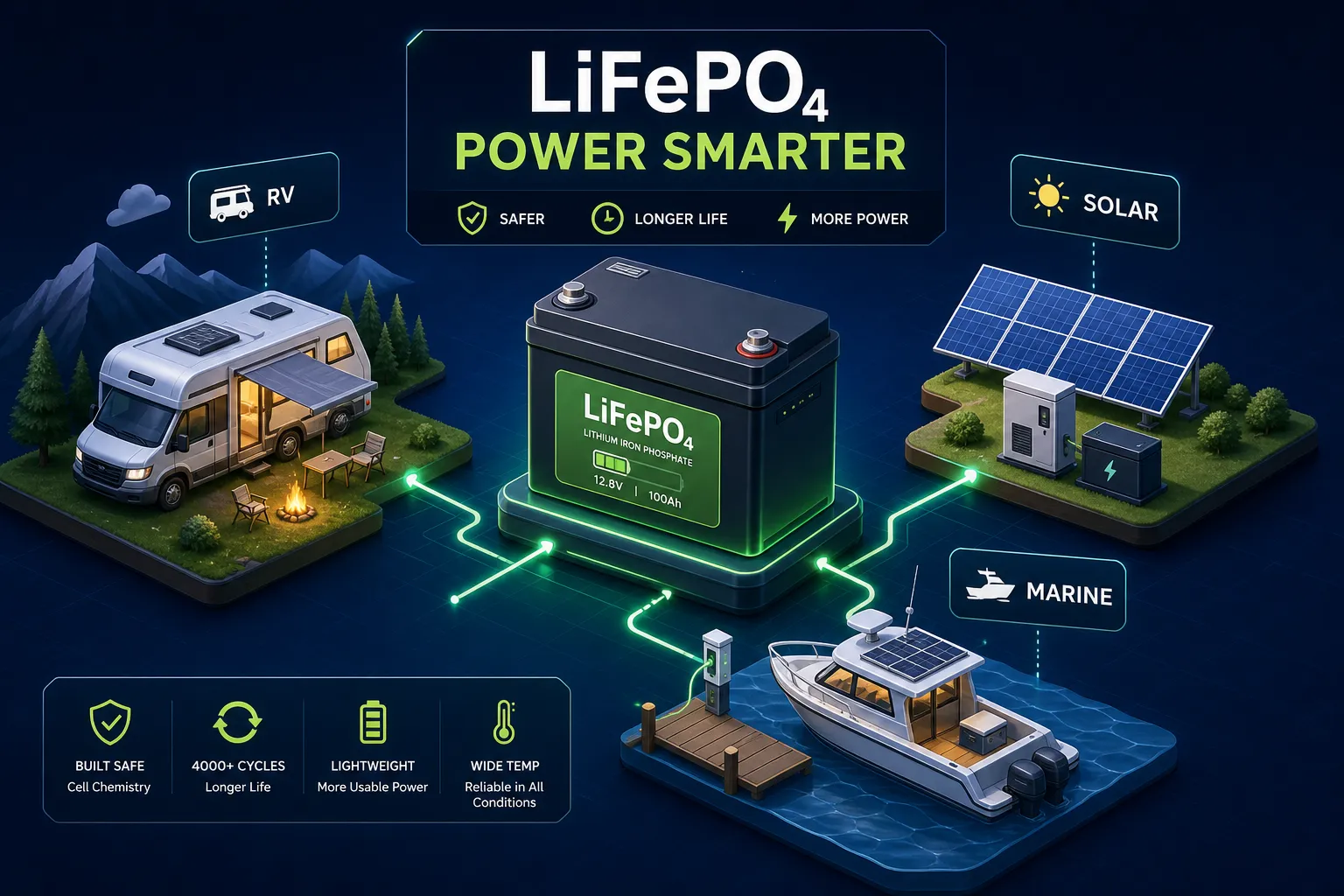
- Battery: LiFePO4, AGM, or lead-acid—follow the manufacturer's charging specs.
- Wiring, fuses, and connectors: Use proper gauge cables and put a fuse or DC breaker on the battery positive.
- Optional inverter: If you need AC power from your battery, add a properly sized inverter.

Step-by-step: Wiring & Charging
1. Mount the panels where they get the most sun
South-facing in the U.S. is a good default. Make sure panels are secure and tilted appropriately for your latitude.
2. Connect the charge controller to the battery first
This is important. Powering the controller from the battery lets it detect the battery voltage and set proper charging parameters.
3. Hook the solar panels to the controller
After the controller is powered and configured, connect the panels. The controller will manage the flow into the battery.
4. Watch the charging process
Most controllers show voltage and amps. Typical stages are bulk/CC (fast charge), absorption/CV (top-off), and float (maintenance).
5. Disconnect safely
When you need to work on the system, disconnect the panels first, then the battery. Always isolate the battery with a fuse or breaker before doing any maintenance.
MPPT vs PWM
MPPT controllers are the better choice for most home systems. They handle different panel voltages and squeeze more power out of panels in cool or cloudy conditions. PWM controllers are cheaper and fine for small, simple setups where panel voltage closely matches battery voltage.
Sizing Panels & Controllers
Quick sizing tips:
- Match controller voltage to your battery bank (12V / 24V / 48V).
- Use the formula Charge Current (A) = Panel Watts ÷ Battery Voltage to estimate current.
- Make sure the controller's rated current is higher than the expected panel current.
- Example: 1200W of panels charging a 48V battery → about 25A (1200 ÷ 48 = 25).

Safety Tips
- Never connect panels directly to a battery—always use a charge controller.
- Put a fuse or DC breaker at the battery positive terminal.
- Use appropriately sized wires to avoid overheating and voltage drop.
- Follow the battery maker’s temperature and charge limits.
- Hire a licensed electrician for AC wiring or larger installs.
FAQ
Can I connect multiple panels in parallel?
Yes. Parallel wiring raises current while keeping voltage the same—just make sure your controller and battery can handle the higher current.
How long will it take to charge a battery?
It depends on battery size and panel output. Rough formula: Hours = Battery Watt-hours ÷ Panel Watts. For example, a 5kWh battery with 1,000W of solar input needs ~5 hours of full-sun equivalent.
What if my panels produce more power than the battery can accept?
The charge controller regulates input. Extra energy typically goes to loads first; if you're grid-tied and net-metered, surplus can be sent back to the grid (subject to your utility rules).
Contact & Next Steps
If you want help sizing a system or picking parts, visit JM Energy Tech for a free consultation.
What Constitutes Battery
Do Solid State Batteries Use Lithium