


How To Check A Battery With A Voltmeter
How to Check Lithium Batteries with a Voltmeter: A Simple Guide for Homeowners
Table of Contents
Article Summary
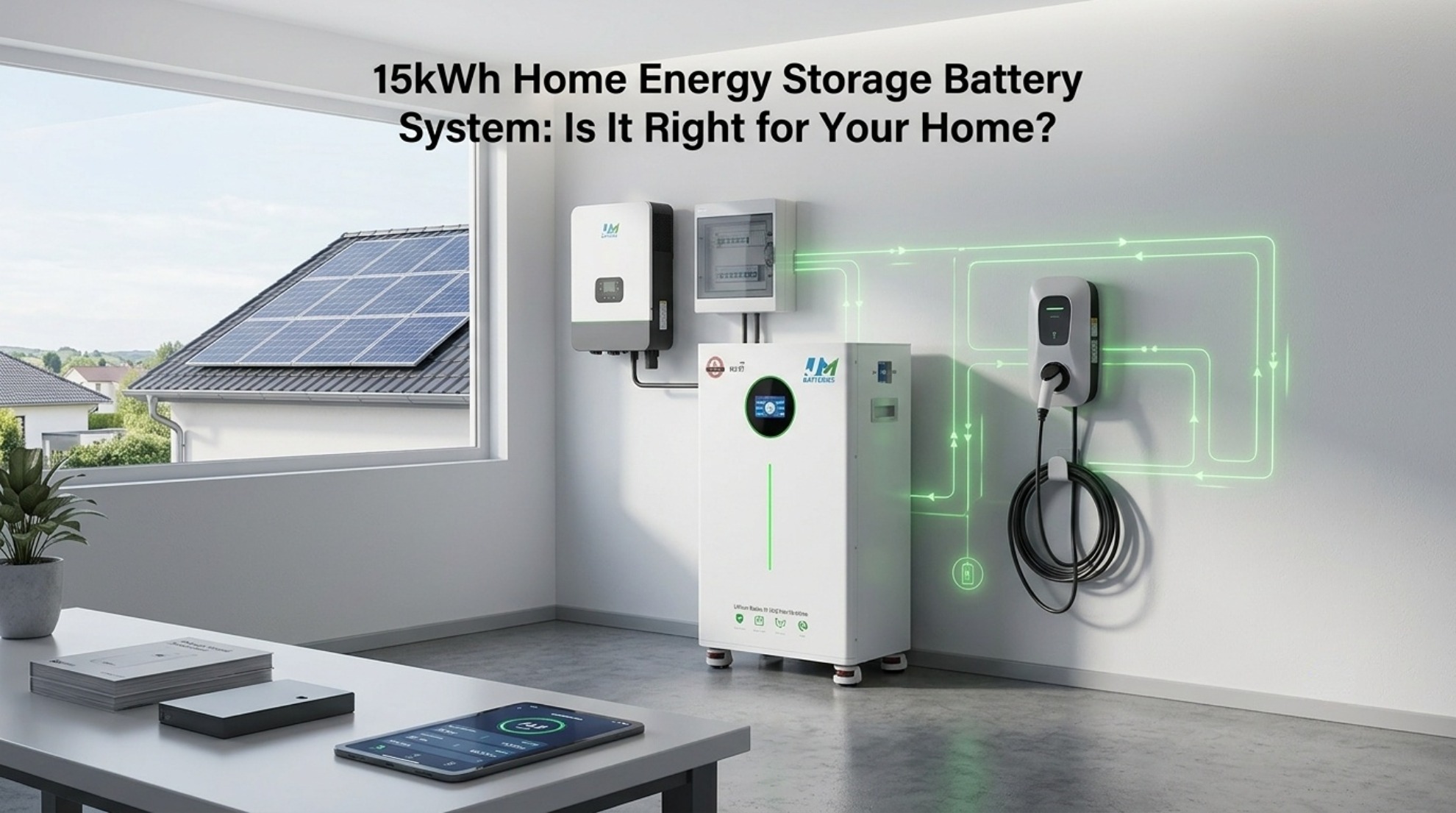
More American homes are using lithium batteries—like lithium iron phosphate batteries and batteries deep cycle batteries—for energy storage. Knowing how to check lithium batteries with a voltmeter is key to keeping them working well, lasting longer, and avoiding unexpected power cuts. This simple guide breaks down the process, shares quick stories from two U.S. families using our 51.2V300Ah-15KWH lithium battery (made by our 10-year Dongguan, China factory), and explains why our lithium batteries are a reliable pick for homeowners. Whether you’re off-grid or just saving on energy bills, voltmeter checks are easy to master.

Introduction
Sustainable living is easier than ever with lithium batteries powering home energy storage. If you own our 51.2V300Ah-15KWH lithium iron phosphate battery—designed by our team with a decade of experience in Dongguan—simple maintenance goes a long way. The most useful task? Learning how to check lithium batteries with a voltmeter. This basic tool tells you at a glance how charged your battery is and if it’s healthy—no tech skills needed. Batteries deep cycle batteries (built for repeated charging and discharging, perfect for solar setups) need regular checks to avoid capacity loss. In this guide, we’ll walk you through the steps, share real homeowner stories, and highlight why our lithium batteries stand out.
Why Voltmeter Checks Matter for Lithium Batteries
Lithium batteries—including lithium iron phosphate batteries—are great because they hold lots of energy, last a long time (our 51.2V300Ah model has 8000+ cycles), and don’t need much upkeep. But even the best batteries deep cycle batteries can have voltage issues from bad charging, extreme weather, or wear. A quick voltmeter check helps you:
- Avoid overcharging or draining the battery (both hurt lithium batteries)
- Catch small problems early before they get worse
- Keep critical gear (fridges, emergency lights) running
- Qualify for our full 10-year warranty by keeping the battery healthy
Tools You’ll Need
You don’t need fancy stuff—just these basics:
- A digital multimeter (DMM): Pick one that measures DC voltage (look for a “V” with a straight line) and goes up to 100V. Auto-ranging models are easiest for beginners.
- Safety gear: Insulated gloves and safety glasses (to avoid shocks or debris).
- A clean cloth: Wipe dirt or rust off battery terminals (gunk messes up readings).
- Owner’s manual: For reference (our 51.2V battery’s safe voltage range is 48V–58.4V).

Step-by-Step: How to Check Lithium Batteries with a Voltmeter
Step 1: Prep the Battery
Turn off all devices connected to the battery (inverters, solar panels, appliances). Wipe the positive (+) and negative (-) terminals with a cloth to clean them. Put on your gloves and safety glasses—safety first!
Step 2: Set Up the Voltmeter
Turn on the multimeter and select DC voltage (the “V” with a straight line). If it’s not auto-ranging, set it to 100V (works for our 51.2V lithium battery).
Step 3: Take the Reading
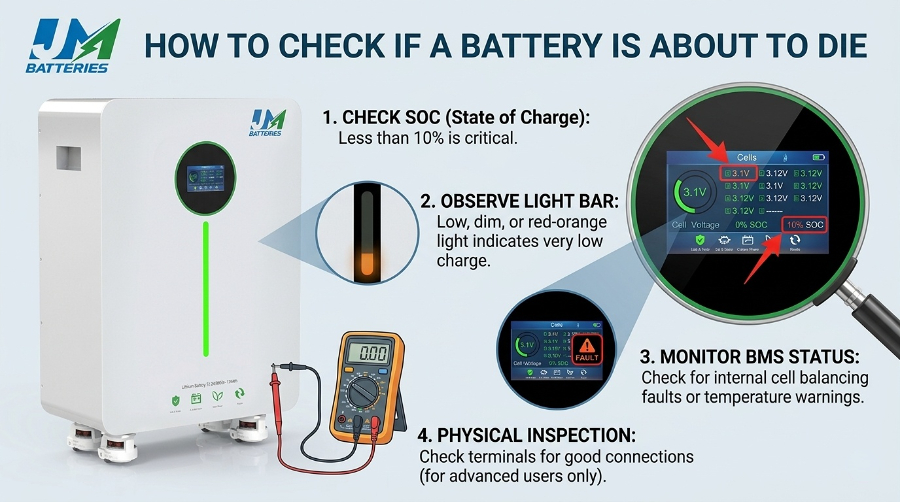
Touch the red probe to the positive (+) terminal and the black probe to the negative (-) terminal. Make sure probes touch metal (not plastic). Wait 3–5 seconds for the number to settle, then write it down. This is your battery’s “resting” voltage.
Step 4: Interpret the Result
For our 51.2V lithium iron phosphate battery, use this quick guide:
| Voltage Reading | Charge Level | What to Do |
|---|---|---|
| 58.4V (max) | 100% charged | Unplug the charger to avoid overcharging |
| 54.4V | 75% charged | No action needed if you’ll use it soon |
| 51.2V (nominal) | 50% charged | Charge if you need full power |
| 48.0V (min) | 0% charged | Charge immediately—don’t let it drop lower |
| Below 48.0V | Over-discharged | Call support—battery may be damaged |
If your reading is way outside 48V–58.4V, cross-check with your inverter (our battery works with DEYE, Growatt, and other top brands) to be sure.
Step 5: Optional Load Test
For a deeper check: Keep the voltmeter connected, turn on a small load (like a 100W bulb), and watch the voltage for 5 minutes. If it drops more than 3V, the battery might have capacity issues.
Real U.S. Homeowner Stories
Case 1: The Smiths (Off-Grid in Colorado)
The Smiths live in a remote mountain home, relying on solar panels and our 51.2V300Ah battery. Last winter, heavy snow covered their panels, and their heater started cutting out. Mr. Smith grabbed his voltmeter—reading 46.8V (way below 48V). He charged it with a backup generator, and it bounced back. “That quick check saved us from buying a new battery,” he said. “Two years later, it still works like new.”
Case 2: The Rodriguezes (Tampa, Florida)
The Rodriguezes use our lithium battery to store solar energy and avoid grid outages during hurricanes. A summer voltmeter check showed 59.1V (above the 58.4V max). They called our support, adjusted their inverter settings, and the voltage stabilized. “A $20 voltmeter prevented overheating,” Mrs. Rodriguez said. “We trust this battery—especially with the 10-year warranty from the Dongguan factory.”

Why Choose Our 51.2V300Ah Lithium Batteries?
As a 10-year lithium battery manufacturer in Dongguan, China, we built our 51.2V300Ah-15KWH batteries deep cycle batteries for American homes. Here’s what makes them great:
- 8000+ cycles and 10-year warranty (twice as long as lead-acid batteries)
- IP65 weatherproof rating (windproof, waterproof, snowproof—indoor/outdoor use)
- Smart monitoring (WiFi, Bluetooth, touch display) to track voltage easily
- Supports up to 15 parallel connections for custom setups
- Works with most top inverters (no expensive adapters needed)
- Small-batch customization and private labeling options
Quick Maintenance Tips
- Check voltage with a voltmeter once a month (weekly if off-grid)
- Avoid charging in temps below -20℃ or above 60℃
- Keep terminals clean for accurate readings
- Use the battery’s app to track long-term voltage trends
- Call our 24/7 U.S. support if you see weird readings
Conclusion
Learning how to check lithium batteries with a voltmeter is simple and saves you money. Whether you have lithium iron phosphate batteries, batteries deep cycle batteries, or our 51.2V300Ah model, regular checks keep your home powered when you need it. Our Dongguan factory’s 10 years of experience means you’re getting a reliable lithium battery backed by a 10-year warranty. Invest in a battery that lasts, and use a voltmeter to keep it running strong.
Recommended Product

How To Connect Batteries In Parallel
How To Clean Battery Corrosion