


How To Neutralize Battery Acid
How to Neutralize Battery Acid: A Simple Guide for Safe Lithium Battery Use
Article Summary

Introduction
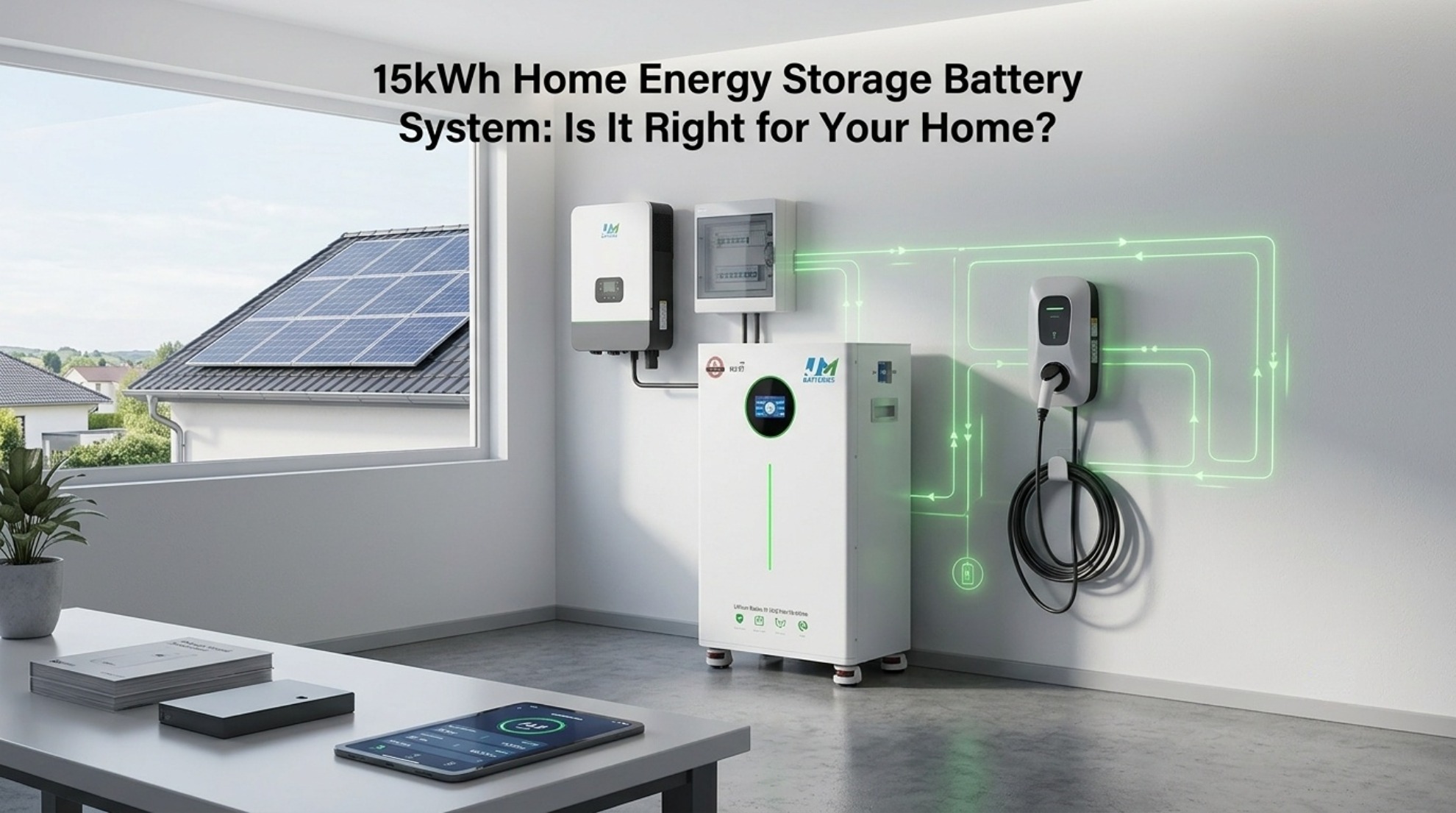
Lithium batteries have changed home energy storage—offering efficiency, durability, and flexibility for solar-powered homes. As a leading lithium and sodium-ion battery factory in Dongguan, China, with a decade of manufacturing experience, we’re proud to introduce our 51.2V300Ah-15KWH LiFePO4 battery. This compact, IP65-rated lithium battery pack works seamlessly with solar systems for residential or off-grid use. But even the most reliable lithium battery needs basic care—including handling acid spills if they happen.
Battery acid (sulfuric acid in lead-acid batteries, or acidic compounds from damaged lithium batteries) is corrosive. It can burn skin, ruin electronics, and harm the environment. LiFePO4 batteries are safer than lead-acid ones (no free-flowing acid when intact), but accidents can happen. In this guide, we’ll break down how to neutralize battery acid step by step, share real U.S. family stories, and explain why our solar lithium battery is a smart, safe choice.
Why Neutralizing Battery Acid Matters
Battery acid has an extremely low pH (0-1), meaning it’s highly corrosive. It can eat through metal, damage floors, and cause painful irritation. For lithium battery users, while LiFePO4 batteries are less likely to leak, physical damage can lead to electrolyte leaks that form acidic substances. Neutralization balances the acid with a base (like baking soda), turning it into harmless salt and water—keeping you and your gear safe.

Step-by-Step: How to Neutralize Battery Acid Safely
Follow these simple steps to handle a spill quickly and safely:
1. Put On Safety Gear
Grab acid-resistant gloves (nitrile or rubber), safety goggles, long sleeves, pants, and closed-toe shoes. Never touch the spill with bare hands or eyes.
2. Ventilate the Area
Open windows/doors if indoors to let fumes escape. Keep kids and pets away from the spill, indoors or out.
3. Contain the Spill
Place absorbent materials (kitty litter, sand, or paper towels) around the spill to stop it from spreading.
4. Apply a Neutralizing Agent
Use common household items:
- Baking soda: Sprinkle a thick layer over the spill (it will fizz—this is normal!). Best for small to medium spills.
- White vinegar/lemon juice: Mix with equal parts water and pour over larger spills (mild but effective for quick cleanups).
- Commercial neutralizer: For big spills, use a dedicated battery acid neutralizer from a hardware store.
5. Wait and Clean Up
Let the neutralizer sit for 10-15 minutes. Wipe up the mixture with a damp cloth, seal contaminated materials in a plastic bag, and dispose of them properly (check local guidelines).
6. Rinse Thoroughly
Flush the area with plenty of water. For hard surfaces, use a hose; for fabrics, blot with water and mild detergent.
7. Check Your Battery
If the spill came from a lithium battery pack, inspect it. Our 51.2V300Ah LiFePO4 battery has a durable IP65 casing, but if it’s cracked or leaking, stop using it and contact us for a replacement.
Real Stories: American Families Using Lithium Batteries Safely
Case 1: The Martinez Family (Phoenix, Arizona)
The Martinez family installed our 51.2V300Ah solar lithium battery in 2022 to handle Phoenix’s heat and frequent blackouts. Last summer, Mr. Martinez noticed a leak from an old lead-acid backup battery.
“I’d learned how to neutralize battery acid when we got the new lithium battery. I grabbed gloves and baking soda, sprinkled it on the spill, let it fizz, and wiped it up. No damage to the new battery, no burns—super easy.” — Mr. Martinez
Their lithium battery pack powers their home for 12 hours during blackouts and cut their electric bills by 40%. “It’s been a lifesaver, and knowing how to handle spills gives us peace of mind with kids and a dog,” Mrs. Martinez adds.
Case 2: The Thompson Family (Rural Vermont)
The Thompsons live off-grid in Vermont, where winters hit -15°F. They chose our 51.2V300Ah LiFePO4 battery for its wide operating range (-20℃ to 60℃) and long cycle life. Last winter, a storm damaged a secondary lithium battery (not our product) and caused a small leak.
“We’d taken a quick safety course, so we knew how to neutralize battery acid. We used sand to contain it, then baking soda. The main battery was fine and kept our home powered through the storm.” — Mrs. Thompson
Mr. Thompson adds: “This battery is rock-solid—even in freezing weather. It’s reliable, and handling spills safely makes off-grid living manageable.”

Why Our 51.2V300Ah-15KWH LiFePO4 Battery Is Safe for U.S. Homes
With 10 years of manufacturing experience, we design our lithium battery packs for safety and ease of use:
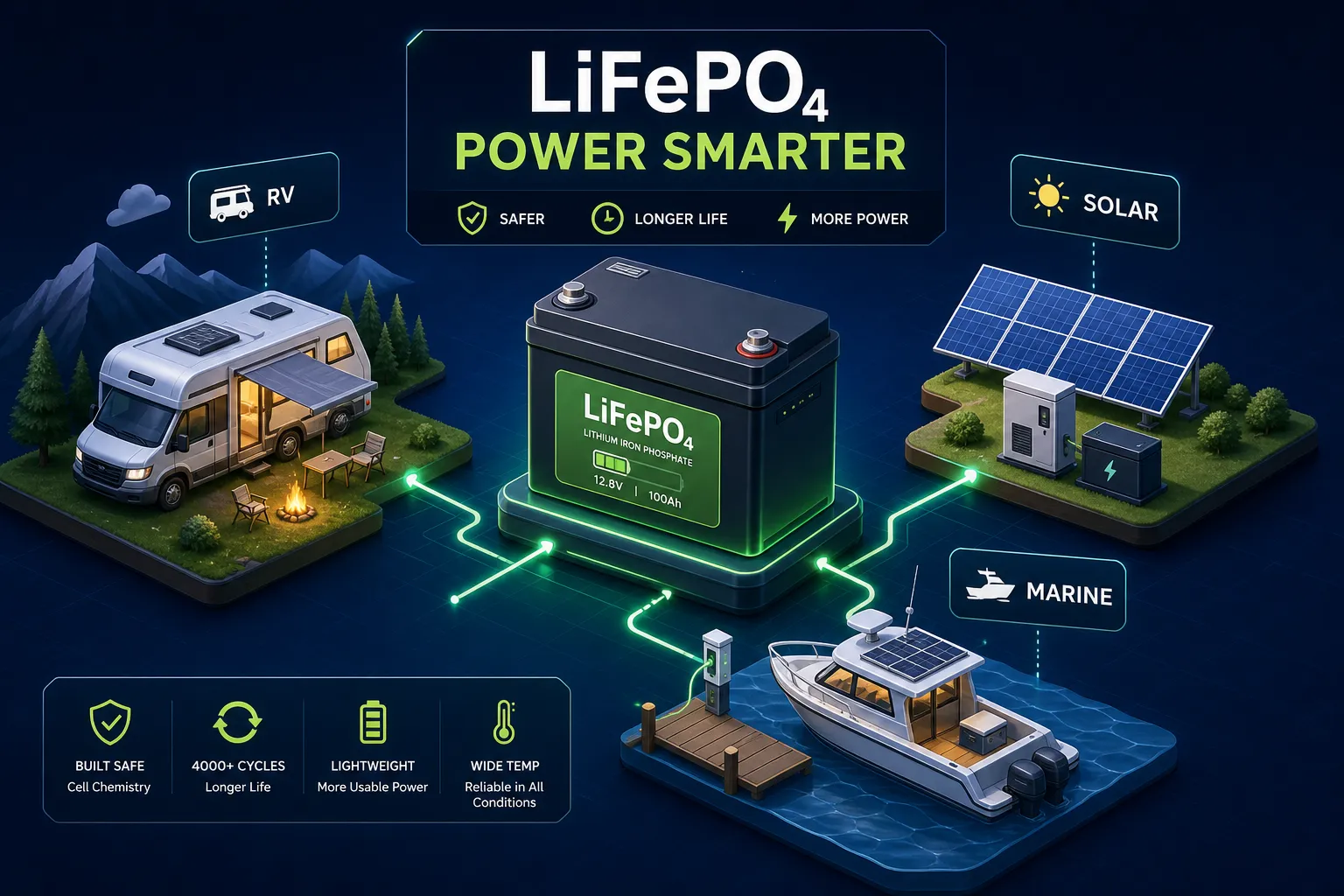
- Safer Chemistry: LiFePO4 batteries have no free-flowing acid and are less likely to overheat.
- IP65 Rating: Waterproof and dustproof—works indoors or outdoors, in any weather.
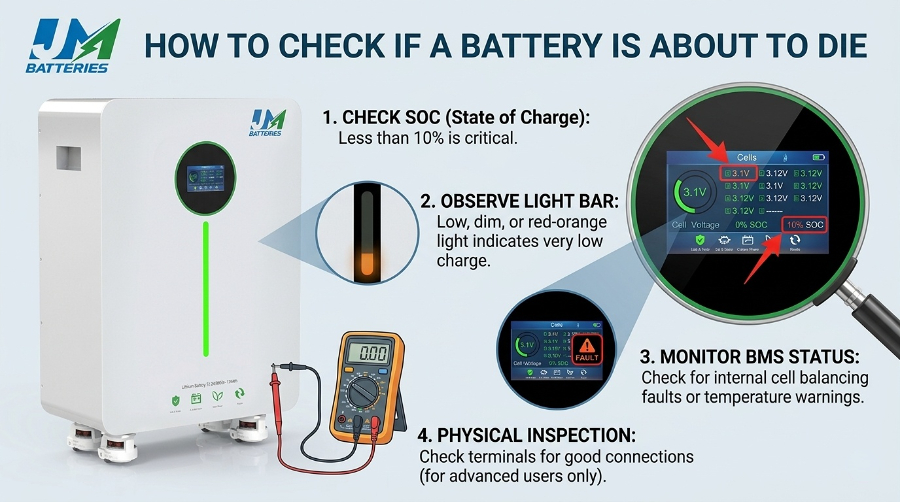
- Advanced BMS: Monitors voltage, current, and temperature to prevent leaks and damage.
- Easy to Use: Plug-and-play design, movable structure, and APP remote control for real-time monitoring.
- Long-Lasting: 10-year warranty and 8000+ cycle life—powers your home for decades.
- Inverter Compatible: Works with DEYE, Growatt, SMA, and other major brands (customizable too).
Conclusion
Knowing how to neutralize battery acid is a simple but essential skill for any household with a lithium battery. Follow our step-by-step guide to stay safe, and choose our 51.2V300Ah-15KWH LiFePO4 battery for reliable, safe energy storage. Backed by 10 years of expertise, our solar lithium battery pack is built to handle U.S. weather—from Arizona’s heat to Vermont’s cold—and fits any solar setup. We offer customization and small-batch orders, so you get exactly what you need. Contact us today to learn more, and power your home with confidence.
Can Lithium Batteries Catch Fire When Not In Use
What Are Lithium Ion Batteries Used For