


The Pros and Cons of Rooftop Solar in 2026
The Pros and Cons of Rooftop Solar in 2026: How a Top-Tier Inverter Battery Changes the Game

Table of Contents
Article Summary
2026 is shaping up to be a defining year for rooftop solar in the U.S., with clear upsides (lower energy bills, greener living, grid independence) and real challenges (upfront costs, weather limits, policy shifts). But here’s the game-changer: pairing your solar panels with a high-performance inverter battery.
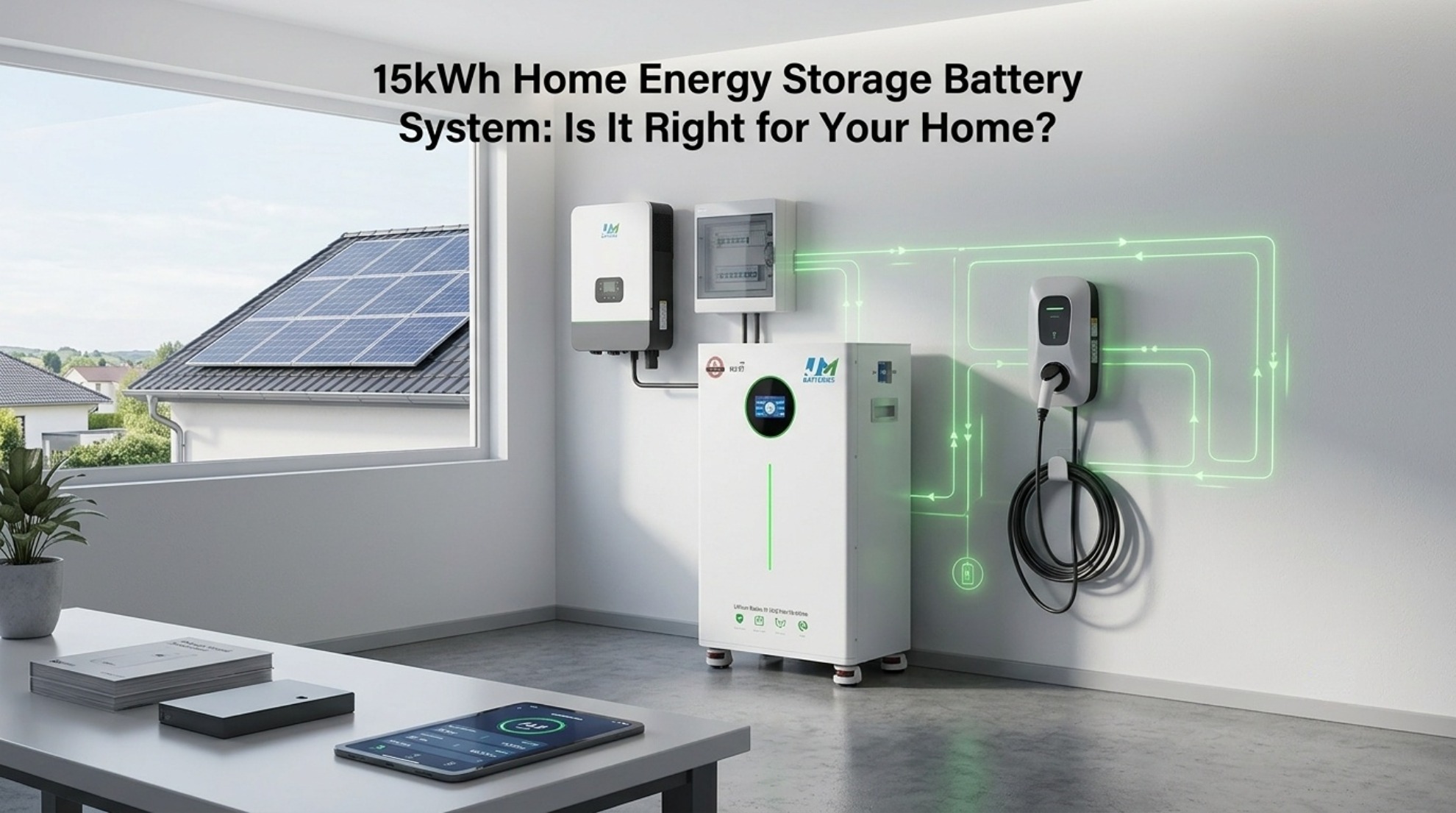
Our Dongguan-based team—with a decade of lithium-ion and sodium-ion battery expertise—just launched the 51.2V300Ah-15KWH home inverter battery, built to fix solar’s biggest pain points. This blog walks through rooftop solar’s pros and cons in 2026, shares stories from two American families who transformed their systems, and explains why the right inverter battery turns solar from a “nice-to-have” into a “must-have.”
The Pros of Rooftop Solar in 2026
1. Long-Term Savings That Actually Move the Needle
Utility bills keep creeping up across the country. According to SEIA, the average U.S. household saves around $1,300 per year with solar—and significantly more with battery storage.
Without a battery, excess daytime solar is sold back to the grid at low rates. With a 51.2V300Ah-15KWH inverter battery, homeowners store that energy and use it at night, avoiding peak-hour electricity pricing.
2. Doing Your Part for the Planet
A typical rooftop solar system cuts 3–4 tons of CO₂ annually. Our battery uses A-grade LiFePO4 cells—non-toxic, long-lasting, and environmentally responsible.
3. Peace of Mind During Grid Outages
From hurricanes to winter storms, outages are becoming more common. Paired with a 5000W off-grid inverter, our battery can power essential appliances for 1–2 days.
4. Smarter, Easier-to-Use Technology
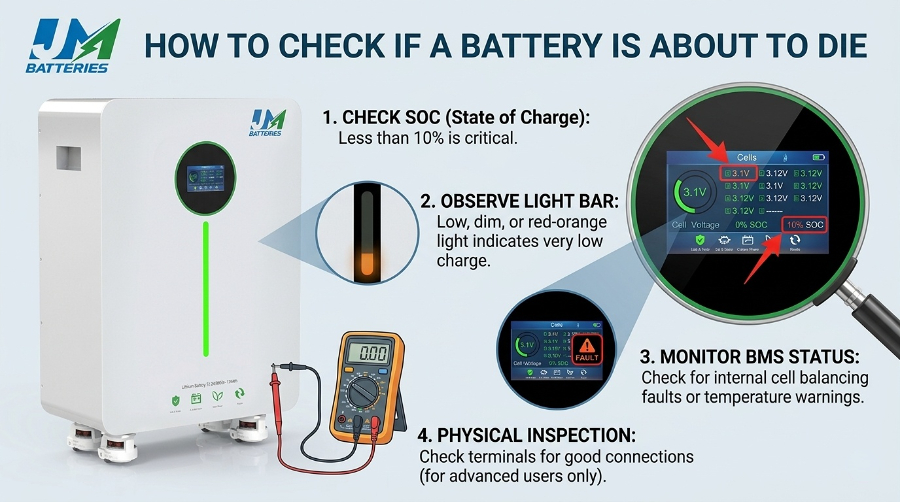
Featuring a JBD-16S-200A BMS, real-time LCD monitoring, and over-temperature protection, the system is designed for 10+ years of safe operation.
The Cons of Rooftop Solar in 2026

1. Upfront Costs
A full 5KW solar + battery system costs $15,000–$25,000 after tax credits. Financing, PPAs, and wholesale battery pricing help reduce barriers.
2. Weather Dependence
Cloudy climates reduce generation—but MPPT (36–150V, 80A) allows higher energy capture even in poor conditions.
3. Policy Uncertainty
Net metering changes and tax credit reductions make energy storage more important than ever.
4. Installation Planning
Professional installation and roof readiness are required. Our modular design simplifies deployment.
Real Stories: U.S. Families
Phoenix, Arizona

The Martinez family reduced bills from $180 to $50 and stayed powered through 36-hour outages.
Portland, Oregon
The Thompsons doubled annual savings despite cloudy weather, covering 70% of winter needs.
Why Our 51.2V300Ah-15KWH Inverter Battery
- 15.36KWH capacity, 6000+ cycles
- A-grade LiFePO4 cells + intelligent BMS
- Modular, movable, installer-friendly
- ISO / ROHS / UN38.3 / CE certified
Conclusion
In 2026, rooftop solar reaches its full potential only when paired with a high-quality inverter battery. Our 51.2V300Ah-15KWH model transforms solar into a resilient, cost-saving energy solution for U.S. homes.

How To Prevent Battery Terminal Corrosion
How Long Will A 100Ah LiFePO4 Battery Last