


What Causes Corrosion On Battery Terminals
Why Battery Terminal Corrosion Happens—Protect Your Lithium Solar Batteries for Household Energy Storage
Article Summary
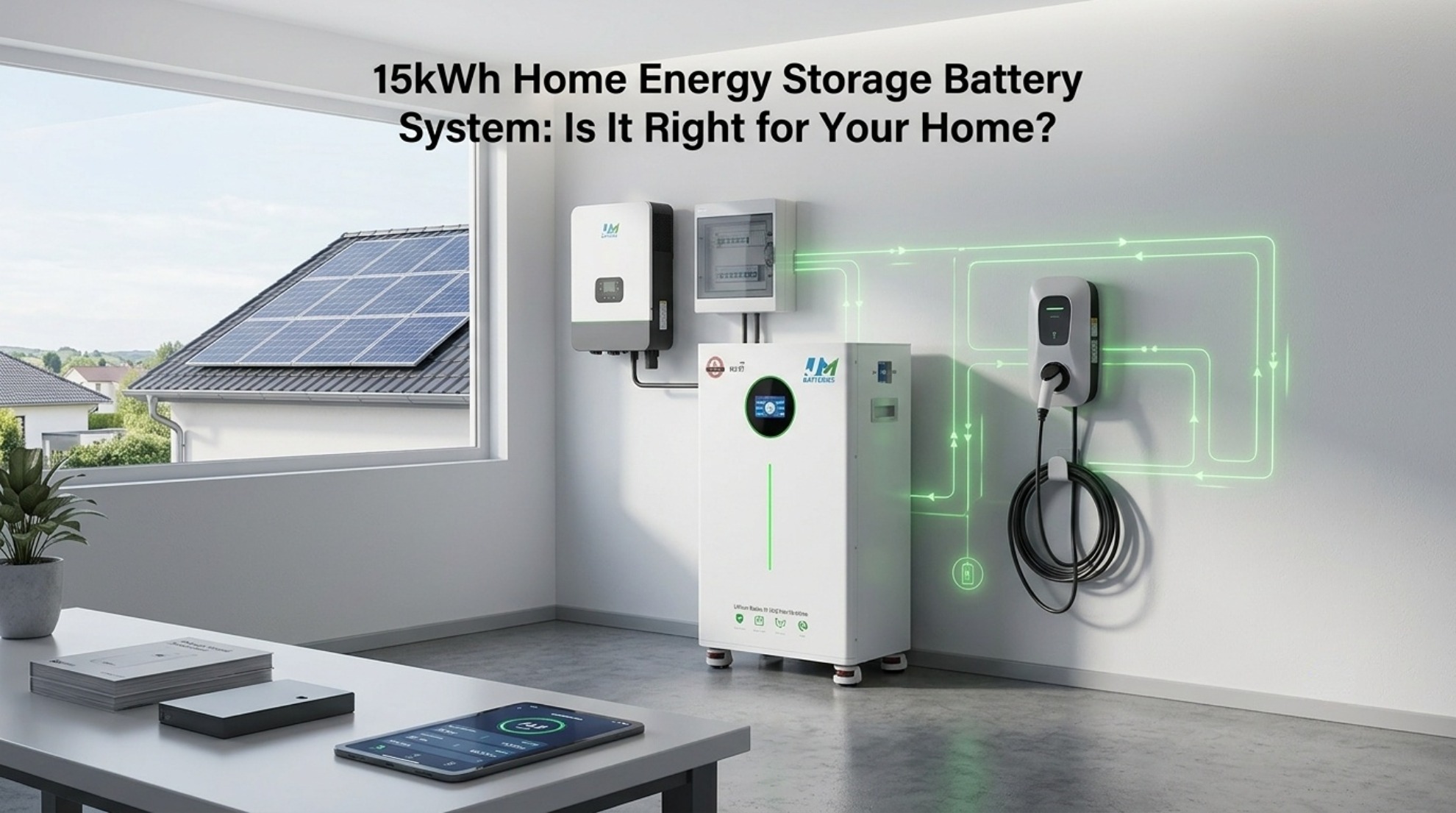
Battery terminal corrosion is a common issue that can ruin lithium solar batteries—essential for Household Energy Storage. If you own an ion battery (like our new 51.2V300Ah-15KWH model), knowing why corrosion forms helps you avoid costly fixes and keep your system running. This post breaks down the main causes in plain terms, shares two quick U.S. home stories, and offers simple solutions. As a Dongguan-based lithium-ion/sodium-ion battery factory with 10 years of experience, we’re sharing practical insights to help you get the most out of your lithium solar batteries.

What Causes Corrosion on Battery Terminals?
Corrosion is just metal breaking down over time, and it usually comes from simple factors—even lithium solar batteries (the core of Household Energy Storage) aren’t safe from it. Here are the 5 main causes, no technical jargon:
1. Battery Gas Mixing with Air
All batteries (including lithium-ion and sodium-ion) release tiny amounts of gas when charging or discharging. For lithium solar batteries, these gases (mostly hydrogen and oxygen) seep out and react with metal terminals (copper or aluminum). Over time, this creates that crusty, powdery corrosion—like rust on a tool.
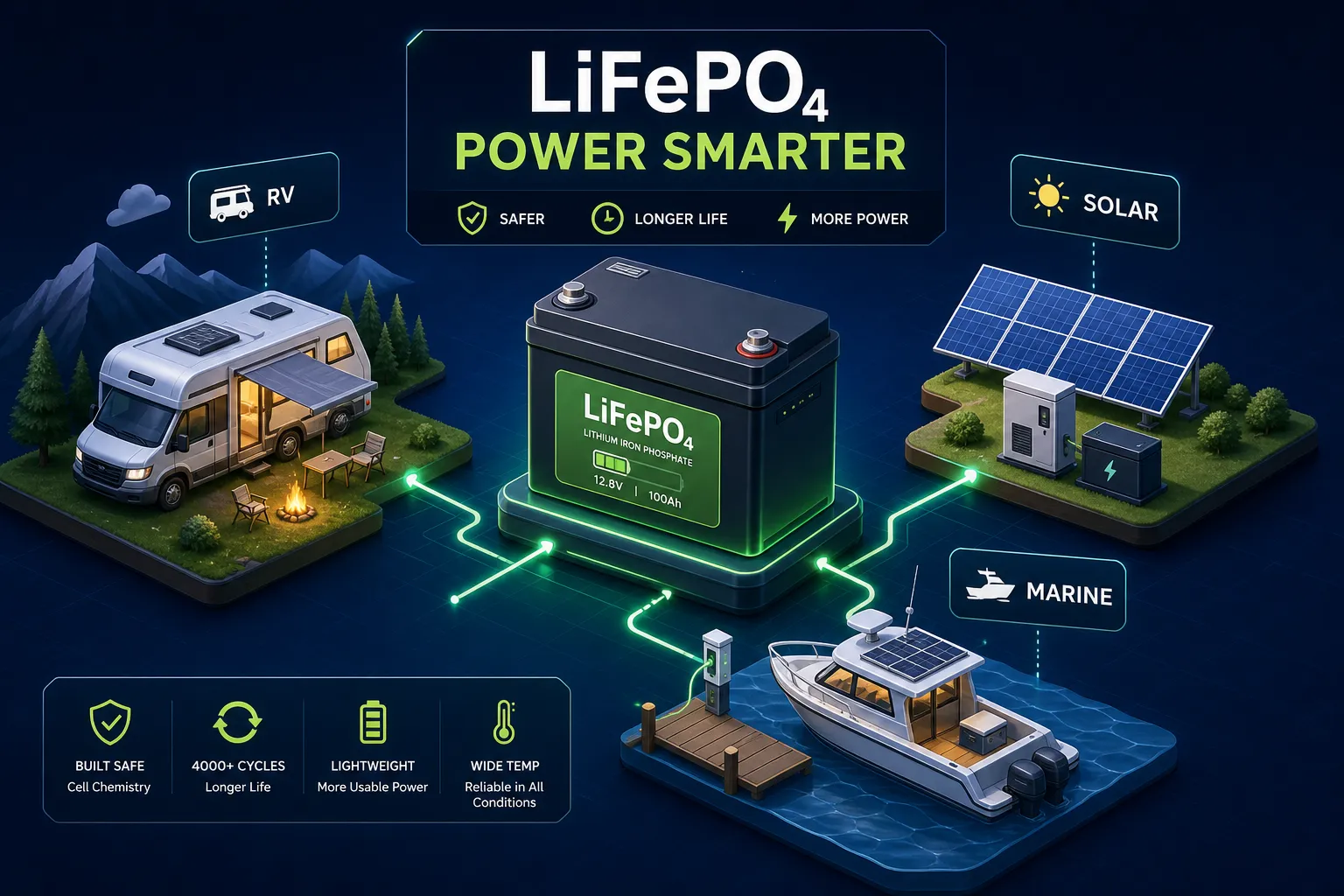
Our 51.2V300Ah-15KWH Household Energy Storage battery uses LiFePO4 chemistry, which makes way less gas than old batteries. But overcharging or constant use can still boost gas release, so prevention matters.
2. Moisture and Humidity (The Top Culprit)
Water is corrosion’s best friend. Moisture comes from rain, dew (for outdoor solar setups), or humid garages/basements (where many store energy storage systems). When water sits on terminals, it speeds up chemical reactions that break down metal.
Lithium solar batteries are tough, but their terminals are still metal. Our 51.2V300Ah-15KWH battery has a sealed casing and weather-resistant terminals to keep water out—just avoid wet or super humid spots.
3. Dirt, Salt, and Outdoor Gunk
Dust, dirt, pollen, or salt (if you live near the coast) lands on terminals and traps moisture. This creates a “conductive layer” that makes corrosion happen faster. Coastal homeowners (like in Florida) have it worst—salt spray can eat through terminals in months.
Even inland, dust builds up. A quick wipe every few months keeps this gunk from causing trouble for your ion battery.
4. Loose or Dirty Connections
Loose battery wires create resistance, which generates heat (like a loose phone charger). That heat damages terminals and makes them corrode faster. Dirty connections or wrong wire types (uncoated copper instead of tinned) also make it worse.
We’ve learned from 10 years of building ion batteries: tight, clean connections are key. Our 51.2V300Ah-15KWH battery comes with simple instructions to get it right.
5. Bad Charging Habits
Overcharging (leaving it plugged in after full) or undercharging (not letting it charge fully) causes corrosion. Overcharging makes extra gas and heat; undercharging unbalances the battery’s chemistry, leading to gunk buildup.
Our 51.2V300Ah-15KWH lithium solar battery has a built-in BMS (Battery Management System) that stops overcharging/undercharging automatically. It also helps the battery last 6000+ cycles—way longer than average.

Quick U.S. Household Stories: Corrosion Fixes
Case 1: Coastal Tampa, Florida—Salt Spray Trouble
Mr. Thompson’s solar + storage system (with other lithium solar batteries) worked great for 6 months—then his inverter threw errors and bills spiked. He found thick green corrosion on terminals.
Issue: Salt spray from the Gulf landed on unsealed terminals, mixing with dew to cause corrosion.
Fix: He switched to our 51.2V300Ah-15KWH ion battery (sealed terminals + weather-resistant casing) and added dielectric grease. A year later, no corrosion—his system is back to full efficiency. “This battery handles salt like a pro,” he said.
Case 2: Humid Portland, Oregon—Basement Moisture Mess
Ms. Lopez stored her lithium solar battery in a damp basement. After a year, charging took longer, and backup power failed faster. White powdery corrosion covered terminals.
Issue: 75% humidity caused condensation on unprotected terminals.
Fix: She moved the battery to a dry utility room, upgraded to our 51.2V300Ah-15KWH battery (moisture-resistant design), and added a dehumidifier. Three months later, corrosion was gone, and charging was normal. “I didn’t know humidity was so damaging—this battery fixed it,” she said.
5 Simple Ways to Prevent Corrosion
You don’t need to be handy—just follow these tips:
- Choose the Right Battery: Our 51.2V300Ah-15KWH lithium solar battery is built for corrosion resistance (LiFePO4 chemistry, sealed terminals).
- Use Dielectric Grease: A thin layer on terminals repels moisture/dirt—find it at any hardware store.
- Install in a Dry Spot: Avoid damp basements, leaky garages, or outdoor salt spray. Use a cover if outside.
- Tighten Connections: Snug wires prevent heat and corrosion—follow our easy instructions.
- Clean Regularly: Wipe terminals every 3-6 months. If corrosion starts, use baking soda + water paste to clean, then dry and reapply grease.

Why Our 51.2V300Ah-15KWH Battery Works for U.S. Homes
As a Dongguan factory with 10 years of experience, we designed this ion battery for U.S. climates:
- Corrosion-Resistant: Sealed terminals, weatherproof casing, and LiFePO4 chemistry.
- Long-Lasting: 6000+ cycles—powers your home for years.
- Easy to Install: Wall or floor-mounted, with simple instructions.
- Smart BMS: Protects against bad charging and short circuits.
- 10-Year Warranty: We stand behind our product—no fine print.
Final Thoughts
Battery terminal corrosion is easy to prevent with the right lithium solar battery and simple maintenance. Our 51.2V300Ah-15KWH Household Energy Storage battery is built to handle U.S. weather—from coastal salt to humid basements. Don’t let corrosion ruin your energy savings—choose a battery that’s designed to last.
Will A Bad Starter Drain A Battery
How Long Does The Battery Last