


What Is A Solid State Battery VS Lithium Ion
Solid State Battery vs Lithium Ion: What Homeowners Need to Know + JM’s 5KWH All-in-One System
Table of Contents
Introduction: Solid State Battery vs Lithium Ion—The Basics for Homeowners
Sustainable energy is key for cutting bills, reducing carbon footprints, and gaining energy independence. When it comes to home energy storage, two technologies stand out: lithium ion (the reliable standard) and solid state (the emerging innovator). But what’s the real difference between a solid state battery vs lithium ion? And which one makes sense for your home right now?
As a Dongguan-based lithium ion and sodium ion battery manufacturer with 10 years of experience, JM Energy Technology (Dongguan JM New Energy Technology Co., Ltd.) creates accessible, reliable energy storage for homeowners worldwide. Our latest launch: the 51.2V 100Ah 5KWH WHAll-in-One Energy Storage System Battery—an all-in-one solution with a built-in inverter. Let’s break down the solid state vs lithium ion debate in simple terms, then show you why our lithium ion system is the practical choice for today’s homes.

What Is a Lithium Ion Battery? The Trusted Workhorse for Home Storage
Lithium ion (Li-ion) batteries are everywhere—smartphones, laptops, EVs—and they’re the backbone of home energy storage. Here’s why they work:
Li-ion batteries use lithium ions that move between a cathode and anode during charging/discharging. A liquid/gel electrolyte helps ions flow, and a separator prevents short circuits. For homeowners, this means:
- Compact power: Our 51.2V 100Ah model packs 5KWH of energy—enough to run fridges, lights, and AC for hours.
- Long life: 6000+ charge-discharge cycles and a 10-year design life—no frequent replacements.
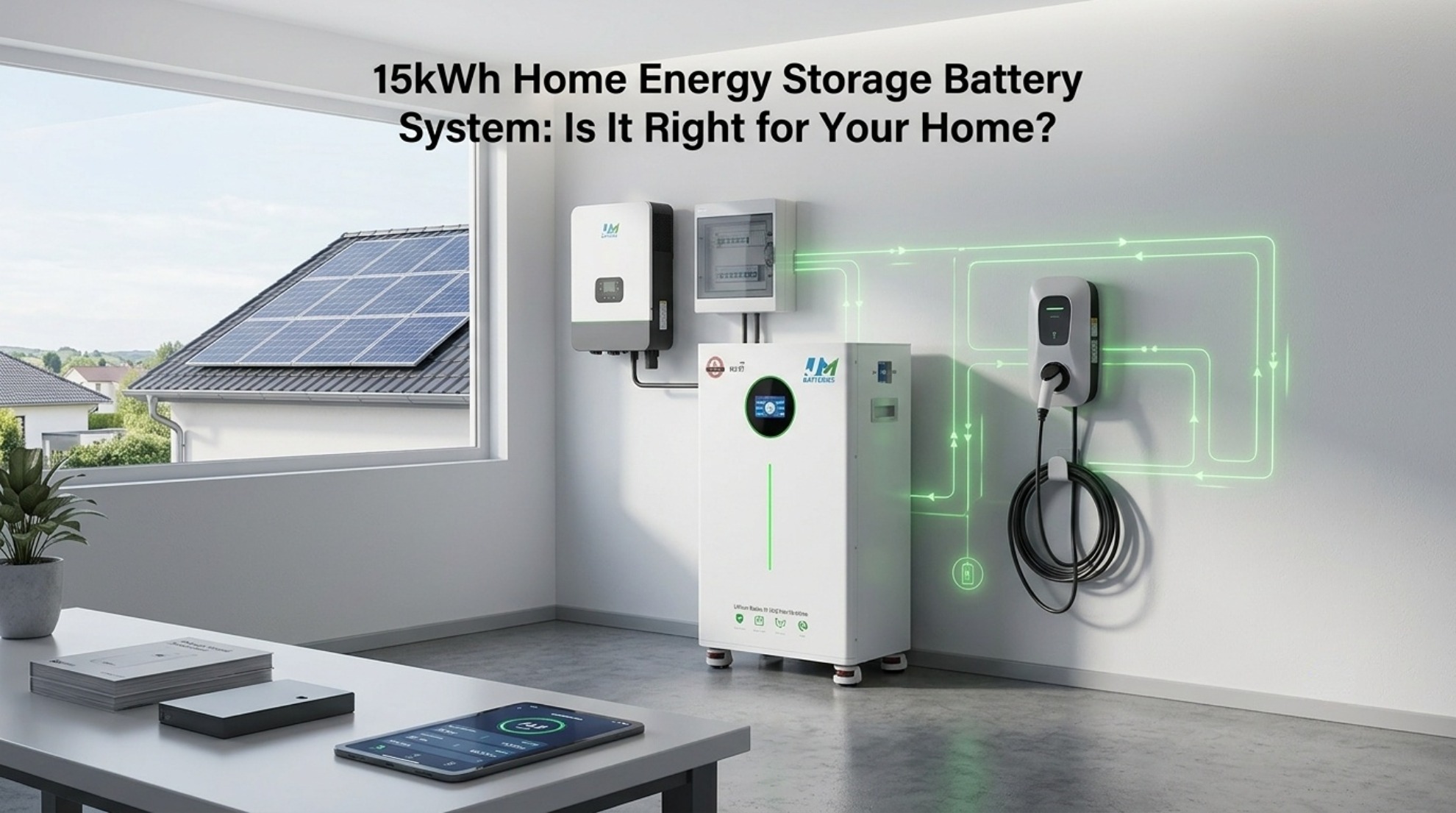
- Solar-ready: Integrates a 5000W hybrid inverter, so it charges from solar panels (PV input) and powers your home (AC 220V–240V output) day or night.
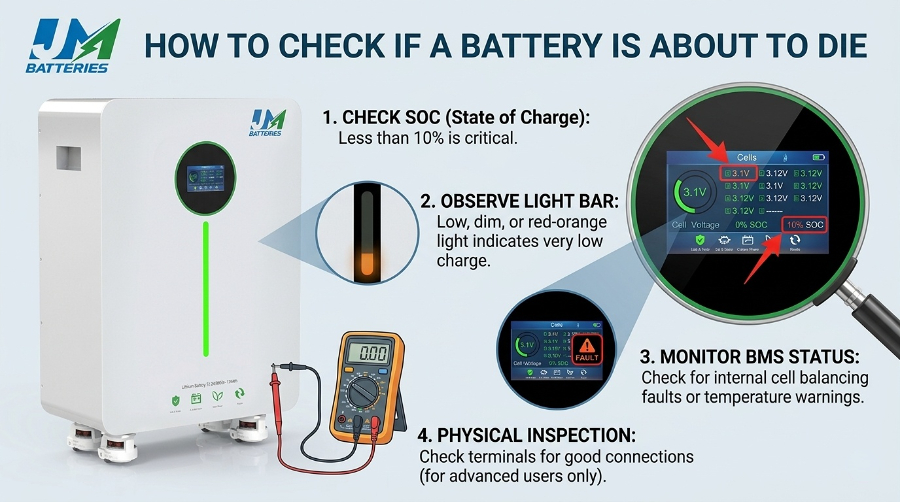
Li-ion solves solar’s biggest problem: storing excess daytime energy for nights or grid outages. Plus, JM’s intelligent Battery Management System (BMS) prevents overcharging/overheating—safe and hassle-free.
What Is a Solid State Battery? The Future (That’s Not Ready Yet)
Solid state batteries (SSBs) are hyped as the next step—they replace Li-ion’s liquid electrolyte with a solid material (ceramic, glass, or polymer). This unlocks perks:
- Safer: No flammable liquid, so no fire risk.
- More power-dense: Smaller/lighter for the same energy.
- Faster charging: Ions move quicker, cutting charge time.
But SSBs aren’t ready for most homes:
- Too expensive: 2–3x the cost of Li-ion (a 5KWH SSB could cost $20k+).
- Hard to find: Most research focuses on EVs, not home storage.
- Cold weather issues: Some solid electrolytes fail below -10°C—JM’s Li-ion works from -20°C to 60°C, perfect for U.S. climates.

JM’s 51.2V 100Ah 5KWH All-in-One System: Built for U.S. Homes
1. All-in-One Convenience
No separate battery and inverter—ours combines a 51.2V 100Ah LiFePO4 (A-grade cells) battery with a 5000W hybrid inverter. Plug-and-play: connect to solar panels to charge, and it automatically powers your home when needed.
2. Built to Last
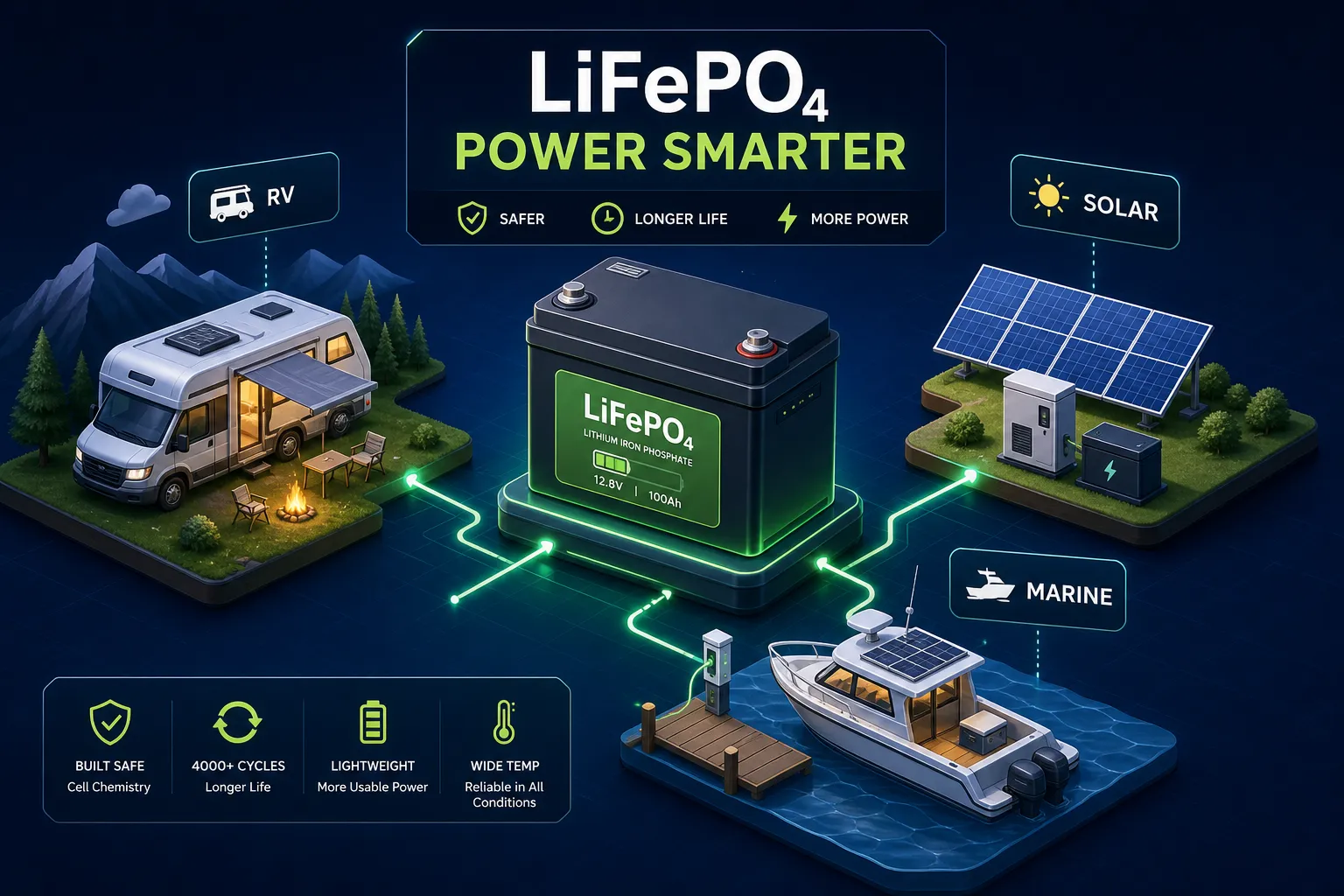
6000+ cycles and 10-year design life. LiFePO4 chemistry is non-toxic and low-risk, with a BMS that monitors performance 24/7—works in Arizona heat or Maine cold.
3. Compact & Easy to Install
Measures 650×350×690mm (65kg) and fits in garages/closets. A pro can install it in hours—no major renovations.
4. U.S.-Certified
CE, MSDS, and ROHS certified—meets strict safety/environmental standards for U.S. homes.
Real U.S. Stories: Families Using JM’s Inverter Lithium Ion Battery
Case 1: The Martinez Family (Phoenix, AZ)
Phoenix summers hit 105°F, and their AC bills reached $400/month. They added JM’s 5KWH battery to their 6kW solar system:
- Bills dropped to $80/month.
- Outage backup for 12+ hours.
- “Solid state battery vs lithium ion? SSBs were too pricey,” says Carlos Martinez.
Case 2: The Thompson Family (Rural Maine)
Remote Maine means spotty grid and -15°F winters. They replaced a diesel generator:
- 70% electricity savings.
- 18+ hours backup power.
- “JM’s cold-weather performance sold us,” says Sarah Thompson.

Conclusion: Choose Lithium Ion for Today’s Home Storage
Solid state batteries are the future, but lithium ion is the smart choice now—affordable, available, and reliable. JM’s 51.2V 100Ah 5KWH WHAll-in-One Energy Storage System Battery is built for U.S. homeowners.
The best battery fits your budget and works now. For most U.S. homes, that’s lithium ion—with JM, you’re getting quality you can trust.

How Do Batteries Produce Electricity
How Do Solar Batteries Work