


What Should Battery Voltage Be
What Should Battery Voltage Be? A Simple Guide to Home Energy Storage with the Best Lithium AA Batteries Powerwall
Introduction: Why Battery Voltage Matters for Your Home
If you’re looking to cut utility bills, prepare for grid outages, or switch to solar, you’ve probably wondered: What should battery voltage be for your home? The answer boils down to your needs and the battery technology—but for most U.S. households, a well-designed lithium battery with the right voltage is the key to reliable, efficient power.
We’re a Dongguan, China-based lithium-ion and sodium-ion battery manufacturer with 10 years of experience, and our new 51.2V100Ah-5KWH Lithium AA Batteries Powerwall is built specifically for American homes. It takes the guesswork out of “what should battery voltage be” with a setup that works seamlessly with solar systems, inverters, and daily energy use. In this simple guide, we’ll break down voltage basics, explain why 51.2V is ideal, and share real stories from U.S. families who’ve transformed their energy habits with our Lithium battery.

What Should Battery Voltage Be? The Basics for Homeowners
Battery voltage is like the “power pressure” of your energy system—it determines how well your battery can run appliances, pair with solar panels, and last over time. Here’s what you need to know:
1. Common Battery Voltages (and Why Lithium Stands Out)
Not all batteries are created equal, and their voltages reflect that:
- Lead-Acid Batteries: Old-fashioned 12V batteries (used in older backups) are bulky, short-lived (200–500 cycles), and lose voltage fast as they discharge. They’re rarely worth it for modern homes.
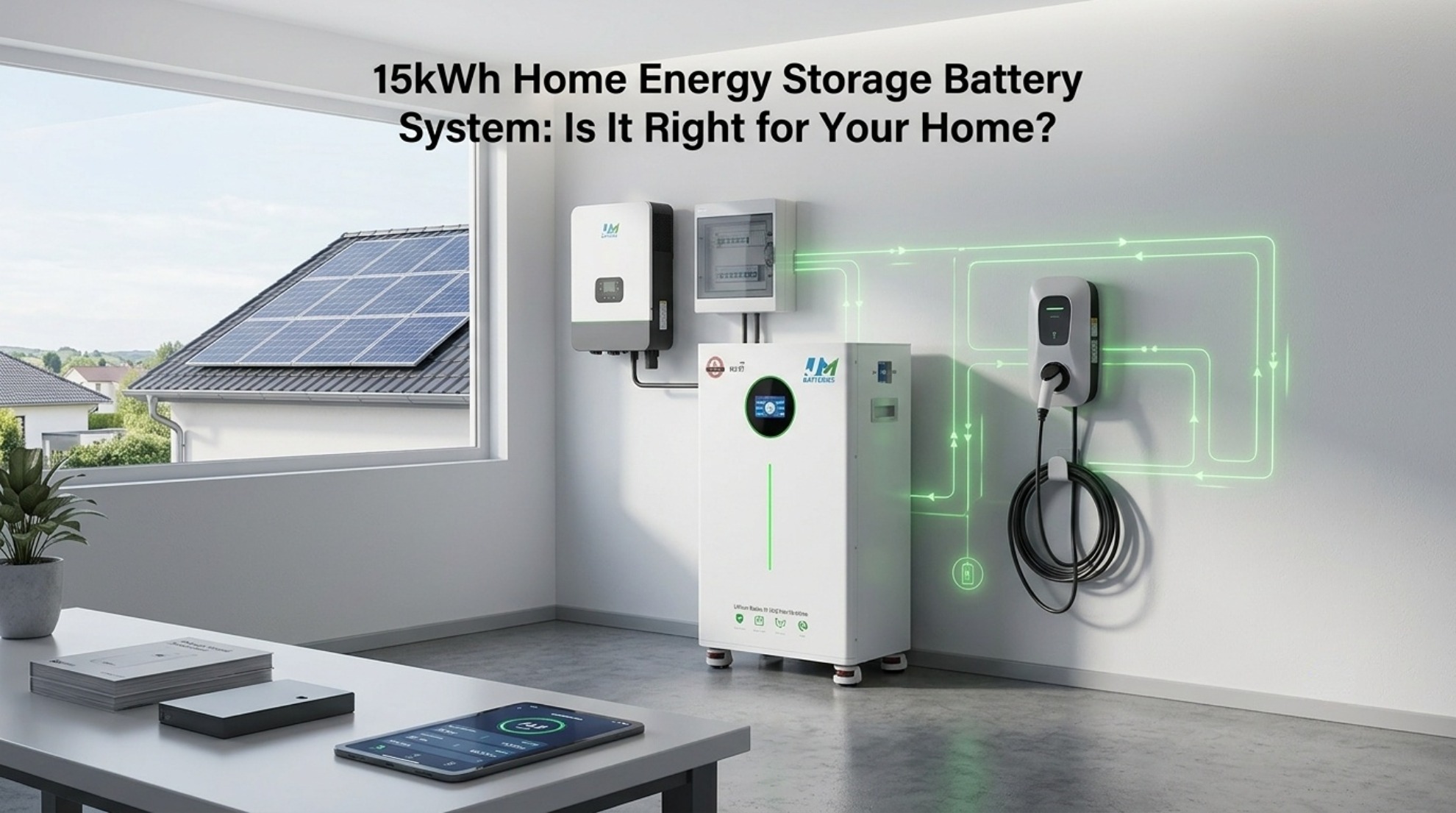
- Home Lithium Batteries: To power fridges, AC, and other big appliances, home lithium batteries combine cells to reach higher voltages—usually 48V or 51.2V. This matches the inverters most U.S. solar homeowners use (brands like SMA, Growatt, and Victron Energy).
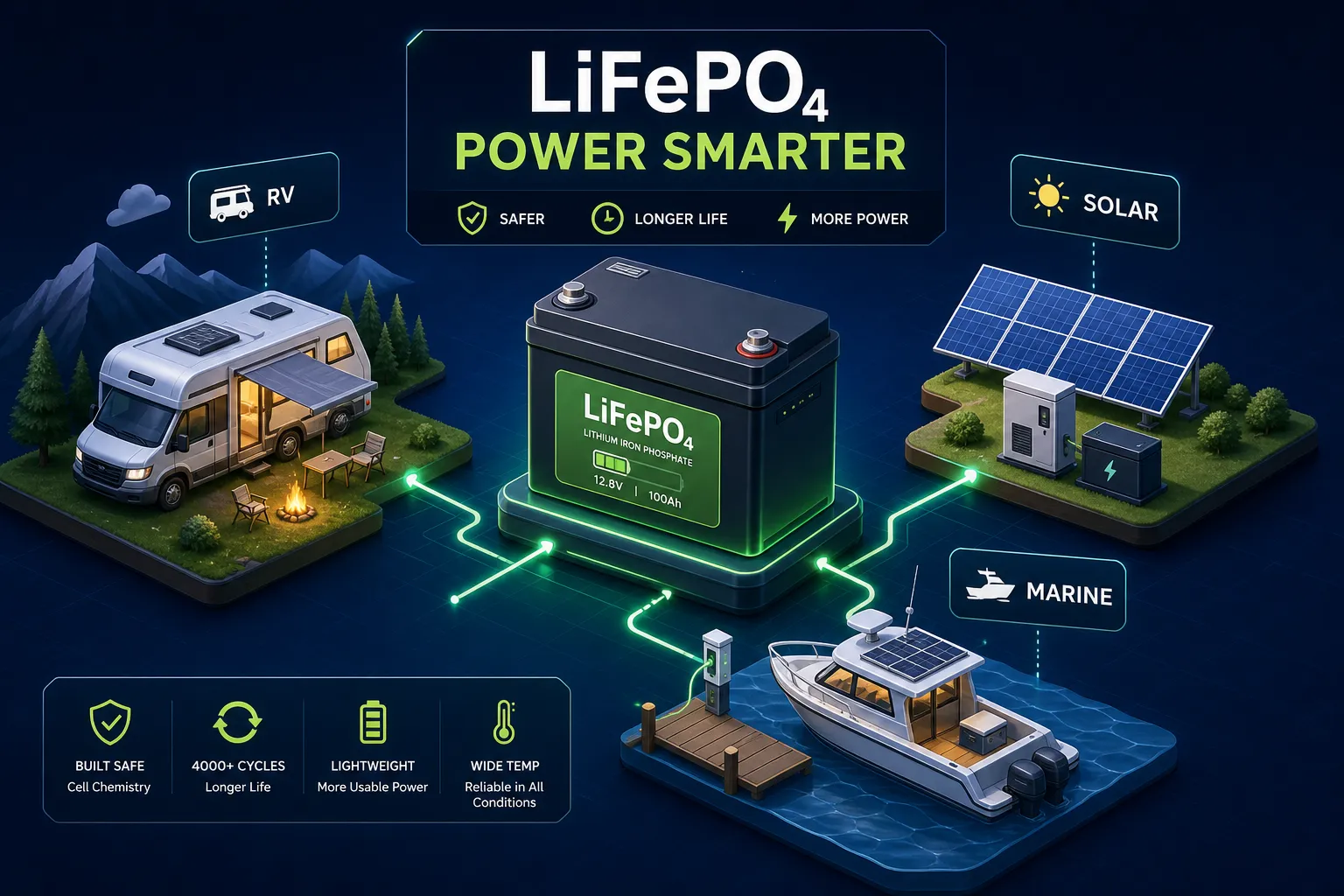
- Our 51.2V Powerwall: We use safe, durable LiFePO4 (lithium iron phosphate) chemistry with a 51.2V nominal voltage. It’s a plug-and-play fit for 90% of solar setups—no costly tweaks needed.
2. What Voltage to Expect at Different Charge Levels
You don’t need an engineering degree to understand your battery’s voltage. For our 51.2V Powerwall:
- Fully Charged (100%): 53.39V (tested in our factory for consistency). Unlike lead-acid, LiFePO4 holds voltage steady, so you won’t see sudden drops.
- Daily Use (78%): Around 52.8V. Our smart BMS (Battery Management System) keeps it here to preserve lifespan while giving you plenty of power.
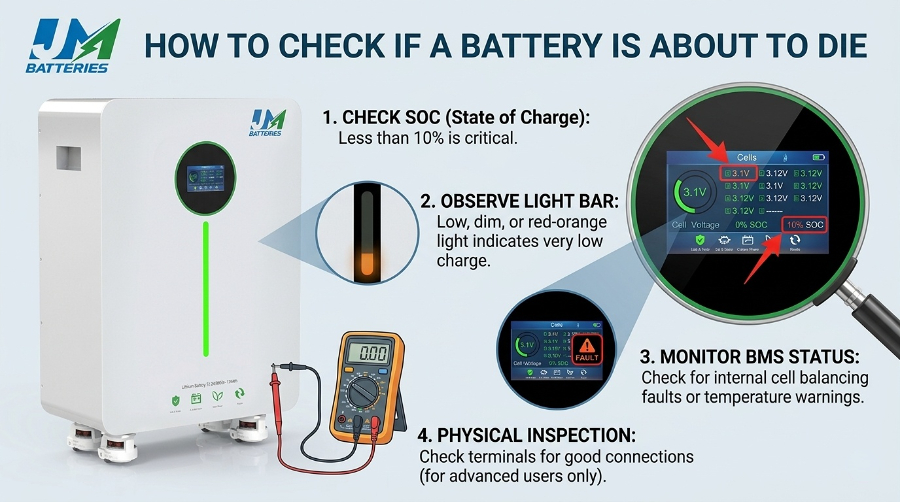
- Low Charge (10%—Safe Minimum): 49.6V. The BMS shuts off automatically to avoid damage—no need to monitor it 24/7.
3. Why 51.2V Works for U.S. Homes
American homes use 120V/240V AC power. Our 51.2V Powerwall pairs with 48V hybrid inverters (the solar industry standard) to convert DC power to AC efficiently. This means:
- No Compatibility Issues: It works with top inverter brands—perfect if you already have solar.
- Less Energy Waste: Higher voltage cuts down on power loss when running appliances like HVAC or water heaters.

Our 51.2V100Ah-5KWH Lithium AA Batteries Powerwall: Built for U.S. Lifestyles
After 10 years of refining battery tech, we designed this Powerwall to solve the problems U.S. homeowners care about: high bills, outages, and clunky storage. Here’s what makes it great:
1. Durable & Long-Lasting
- 6000 Cycles: Most lithium batteries last 3000–4000 cycles—ours doubles that (16+ years of daily use) while keeping 80% capacity.
- 10-Year Warranty: We stand behind our work—coverage for defects, capacity loss, and BMS issues.
2. Easy to Install & Use
- Wall-Mounted & Compact: At 400mm wide x 145mm deep, it fits in garages, basements, or closets—no floor space needed. A local electrician can install it in 1–2 hours.
- Smart Monitoring: The LCD touchscreen lets you check charge level, power use, and inverter connectivity in seconds. The BMS tracks voltage, temperature (works in 39°C–41°C), and current—so you’re always in the know.
- Works with What You Have: Integrates with solar, grid power, and generators. Prioritize essential appliances (fridge, medical devices) during outages.
3. Safe for Your Family
LiFePO4 is non-flammable (unlike cobalt-based lithium) and resistant to overheating. We added extra protection:
- Overcharge/overdischarge safeguards
- Short-circuit and overcurrent protection
- Thermal shutdown (if temps exceed 60°C)
You can rest easy knowing your battery is safe—even in extreme weather.
Real U.S. Home Stories: How Our Lithium Battery Changed the Game
Here are two families who asked “what should battery voltage be” and found their answer with our 51.2V Powerwall:
Case 1: The Martinez Family (Phoenix, Arizona) – Beat Heat & Bills
The Martinezes have a 2,000 sq. ft. home with 12 solar panels. Phoenix summers are brutal (100°F+), and their old setup left them frustrated:
- Outages: Monsoons knocked out power 3–4 times a year—no AC, no comfort.
- High Bills: Peak-hour rates ($0.45/kWh) pushed monthly bills to $300+.
After installing our Powerwall:
- No More Sweaty Outages: A 4-hour blackout in July kept their AC, fridge, lights, and Wi-Fi running. “We didn’t miss a thing,” Mr. Martinez said.
- Lower Bills: They store solar energy for peak hours—saving $120/month and selling excess back to the grid.
- Perfect Fit: “Our installer said the 51.2V paired perfectly with our inverter—no issues, just consistent power.”
Case 2: The Thompson Family (Rural Vermont) – Off-Grid Freedom
The Thompsons live in remote Vermont, where grid access is spotty. They relied on a noisy, expensive diesel generator for backup—until our Powerwall:
- Reliable Off-Grid Power: Paired with 16 solar panels, it powers their 1,800 sq. ft. home for 2–3 days without sunlight (critical in Vermont winters).
- Steady Voltage for Well Pump: Their well pump needs consistent power—our 51.2V ensures it never stalls, even in -20°C weather.
- Quiet & Green: “We dumped the generator,” Mrs. Thompson said. “No more diesel, no noise—just clean power. The voltage never dips, so appliances work like they’re on the grid.”

Why Choose Our Lithium AA Batteries Powerwall?
As a 10-year manufacturer, we build batteries for U.S. homes:
- Energy Independence: Cut grid reliance and avoid rising bills.
- Longevity: 6000 cycles and 10-year warranty—no frequent replacements.
- Safety: LiFePO4 chemistry and multi-level protection.
- Easy Integration: Works with your solar setup and favorite inverters.
- Fair Pricing: Direct-from-manufacturer—no middlemen markup, fast U.S. shipping.
Whether you’re in sunny Arizona or rural Vermont, our Lithium battery Powerwall fits your needs.
Conclusion: Get the Right Voltage, Get Reliable Power
So, what should battery voltage be for your home? For most U.S. households with solar, 51.2V (LiFePO4) is the sweet spot—compatible, efficient, and stable. Our 51.2V100Ah-5KWH Lithium AA Batteries Powerwall turns that ideal into real results: lower bills, fewer outages, and energy freedom.
Ready to take control of your home’s power? Contact us today. We’ll help you customize a system that fits your budget—backed by 10 years of support.
Your home deserves reliable power. Choose the best Lithium AA Batteries Powerwall—choose our 51.2V100Ah-5KWH Lithium battery.

How Long Can A Lithium Ion Battery Last
What Is Battery Pack