


What temperature is best for lithium batteries
What Temperature Is Best for Lithium Batteries? A Practical Solar Battery Guide for U.S. Homes
Table of Contents
Article Summary
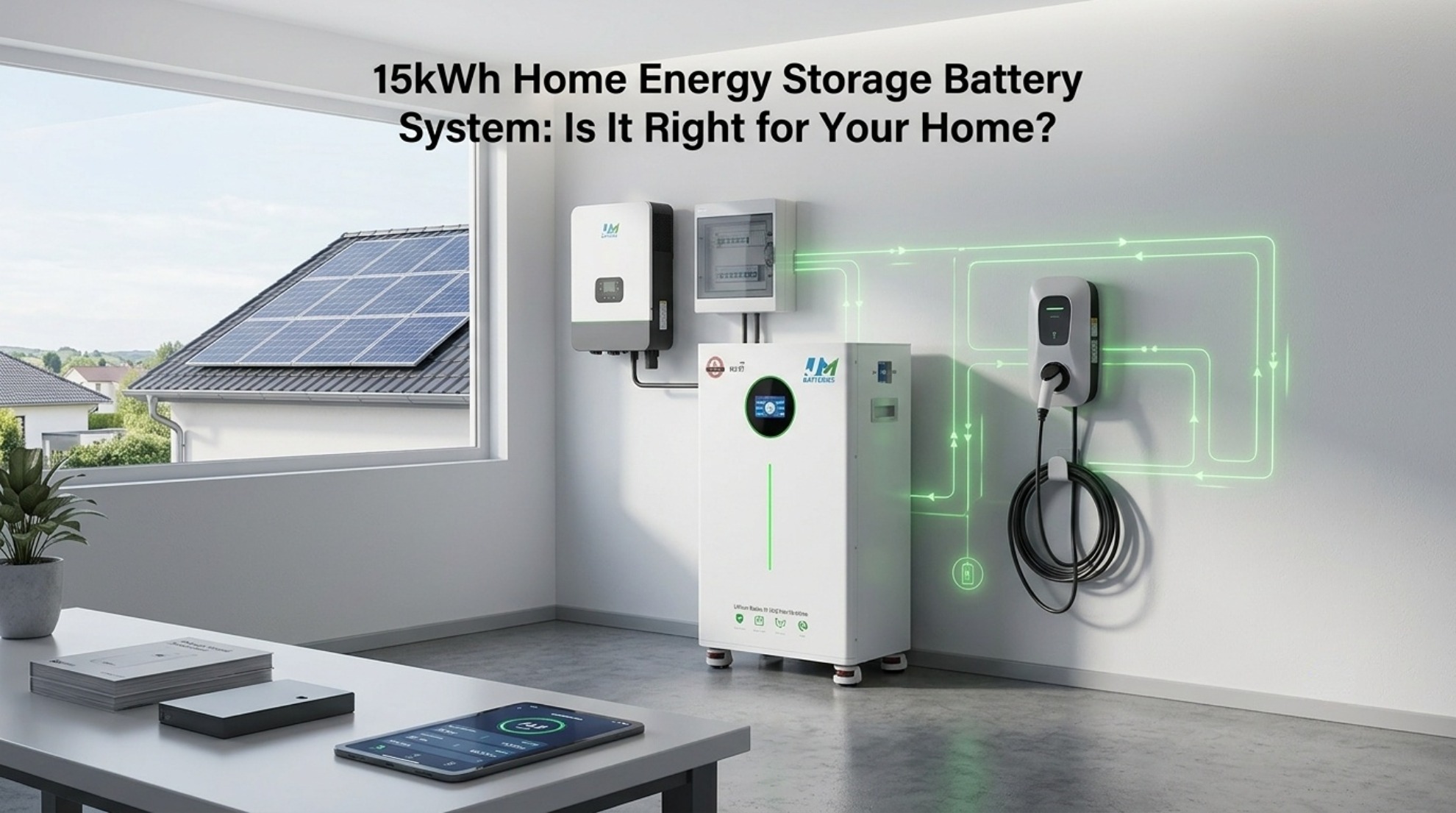
Knowing what temperature is best for lithium batteries is essential for homeowners using a Solar battery for backup power and energy savings. Guidance published by the U.S. Department of Energy on residential battery storage shows that temperature control plays a key role in long-term system reliability.
Why Temperature Matters for a Solar Battery
Your Solar battery works every day—charging and discharging energy from a home solar photovoltaic system. Changes in ambient temperature directly affect internal resistance, charging speed, and usable capacity.

What Temperature Is Best for Lithium Batteries?
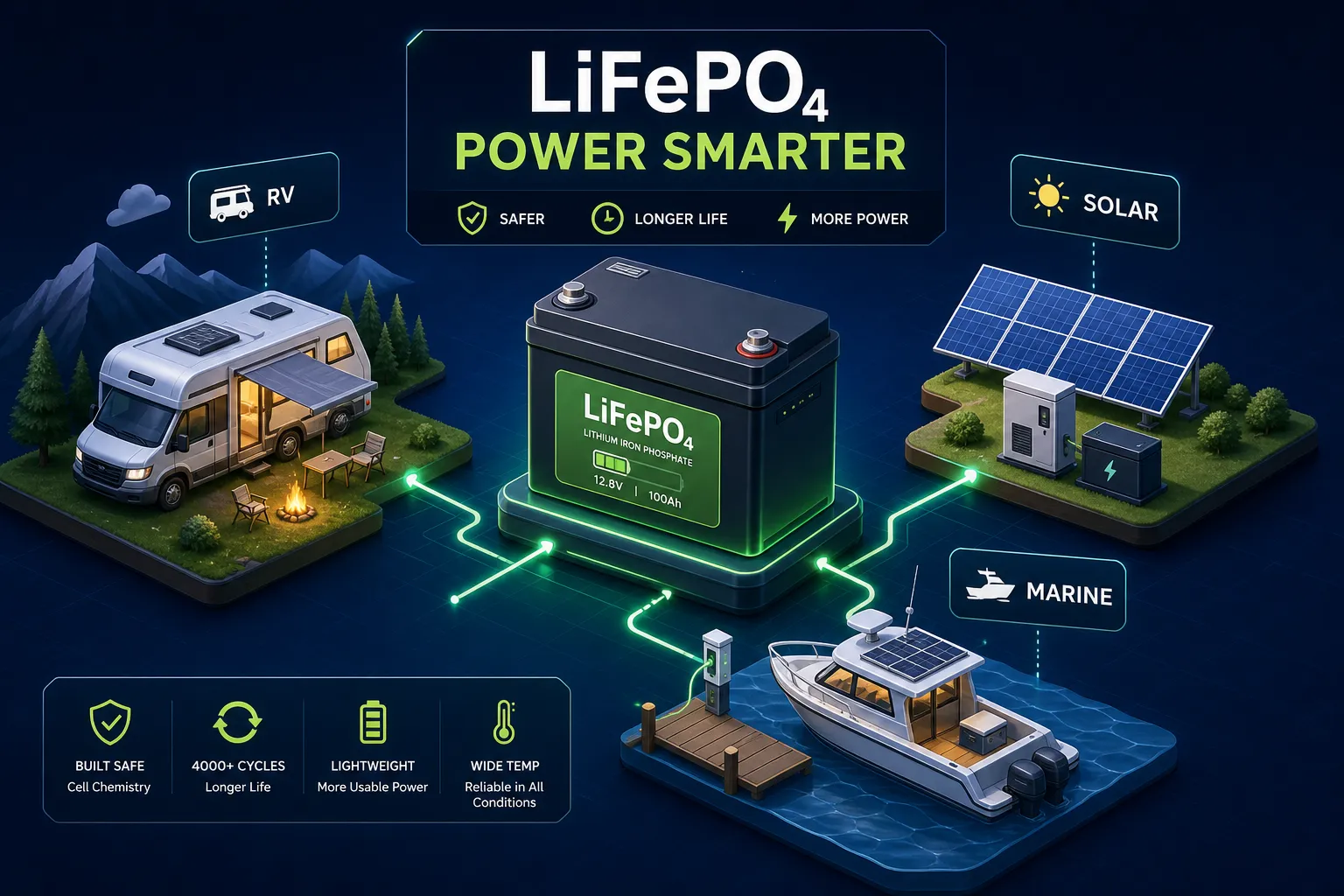
For most lithium-based solar batteries, including LiFePO4 chemistry, the ideal operating temperature range is between 59°F and 95°F (15°C to 35°C). Independent testing summarized in Battery University research on charging at high and low temperatures confirms that batteries deliver peak efficiency within this window.
- Stable power output
- High charging efficiency
- Longer cycle life
- Lower internal stress on battery cells
What Happens If the Battery Gets Too Cold?
Below freezing temperatures (32°F / 0°C), chemical reactions inside lithium cells slow down. According to analysis from the National Renewable Energy Laboratory on cold-weather battery performance, this typically results in temporary capacity reduction rather than permanent damage.
- Reduced available energy
- Slower charging speeds
- Temporary drops in performance
What Happens If the Battery Gets Too Hot?
Sustained exposure to high temperatures accelerates battery aging. Studies referenced by Battery University’s guide to prolonging lithium battery life identify heat as one of the most common causes of premature capacity loss.
- Faster capacity loss
- Reduced lifespan
- Increased system wear

How to Keep Your Solar Battery at the Right Temperature
- Install batteries indoors or in naturally shaded areas
- Avoid direct sunlight and poorly ventilated outdoor walls
- Use garages, basements, or utility rooms when possible
- Select All-In-One battery systems with built-in thermal protection
Real U.S. Home Examples Using Solar Battery Storage
Arizona Home: Managing Heat
A Phoenix homeowner installed a 51.2V 300Ah 15kWh Solar battery inside a ventilated garage, following recommendations outlined in the Energy.gov homeowner’s guide to solar energy.
Minnesota Home: Cold Winters
A Minneapolis family installed a 15kWh All-In-One Battery in a basement, maintaining stable indoor temperatures even during prolonged winter cold spells.

About Our Solar Battery Technology
We are a lithium-ion and sodium-ion battery manufacturer based in Dongguan, China, with over 10 years of experience supplying residential energy storage solutions for global markets.
Final Thoughts: Choosing the Right Temperature for Lithium Batteries
So, what temperature is best for lithium batteries? Keeping your Solar battery between 59°F and 95°F provides the best balance of performance, safety, and long-term reliability for U.S. homes.

Can You Recharge Lithium Batteries
How To Replace Battery Post Terminals