


Battery Energy Storage Systems: Powering Renewable Energy Growth
Battery Energy Storage Systems: Powering Renewable Energy Growth
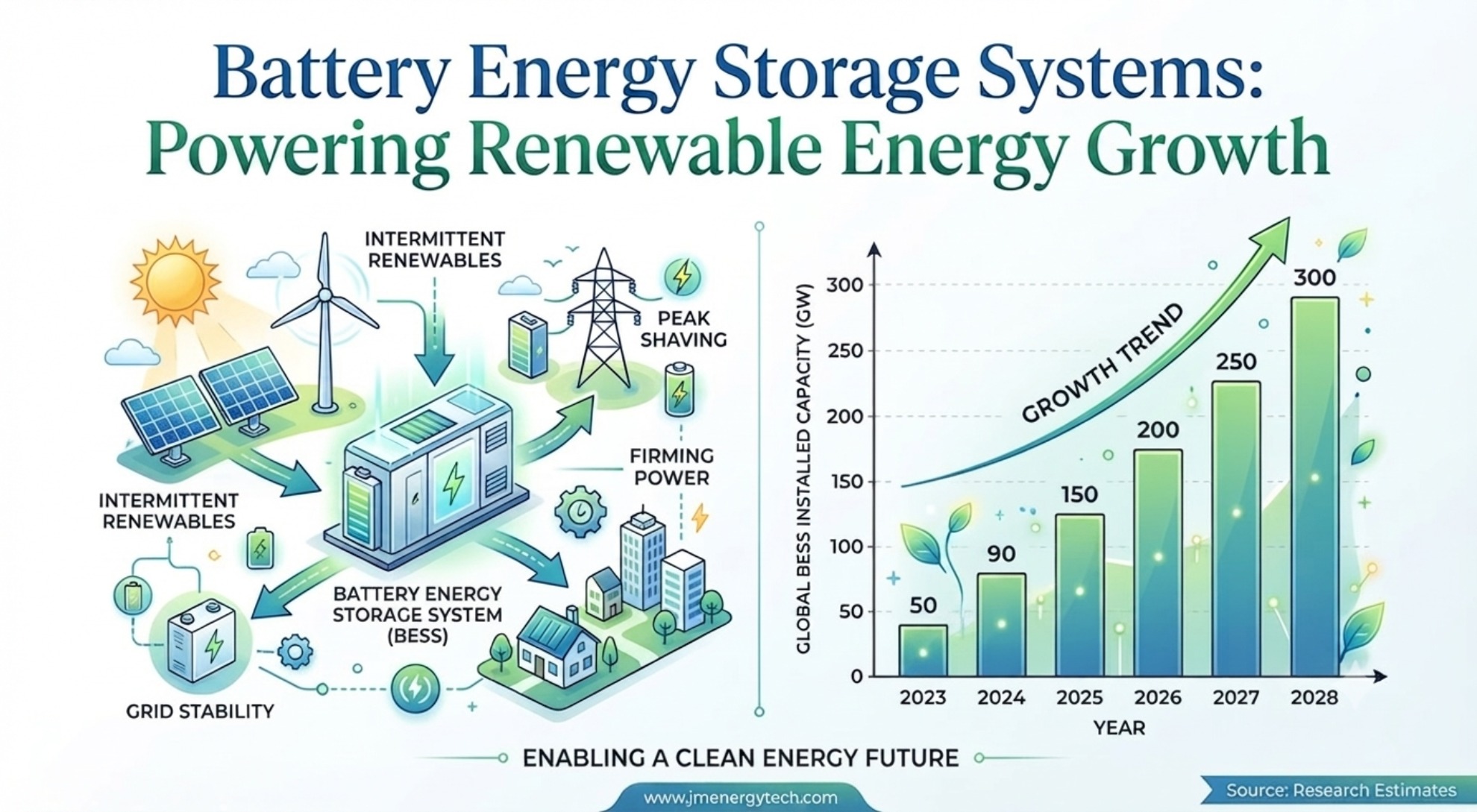
The global shift toward a clean energy transition relies heavily on expanding wind and solar capacity. However, expanding these variable renewable energy sources creates significant challenges for existing electrical grids. Modern renewable energy integration requires flexible infrastructure that can balance generation with consumption. Data from the International Energy Agency (IEA) indicates that utility-scale battery deployment is expanding rapidly to unlock the full potential of carbon-free power generation.
Accelerating grid modernization requires solutions capable of stabilizing networks that rely on intermittent power sources. Utility-scale battery storage acts as a crucial dynamic reservoir, absorbing excess electricity during high-production windows and supplying it back to the grid during shortfalls. According to research by the National Renewable Energy Laboratory (NREL), combining storage systems with renewable power generation creates a reliable baseload profile capable of replacing fossil-fuel resources.
How BESS Solves Renewable Intermittency & Grid Instability
Peak Shaving: Balancing Renewable Supply & Demand
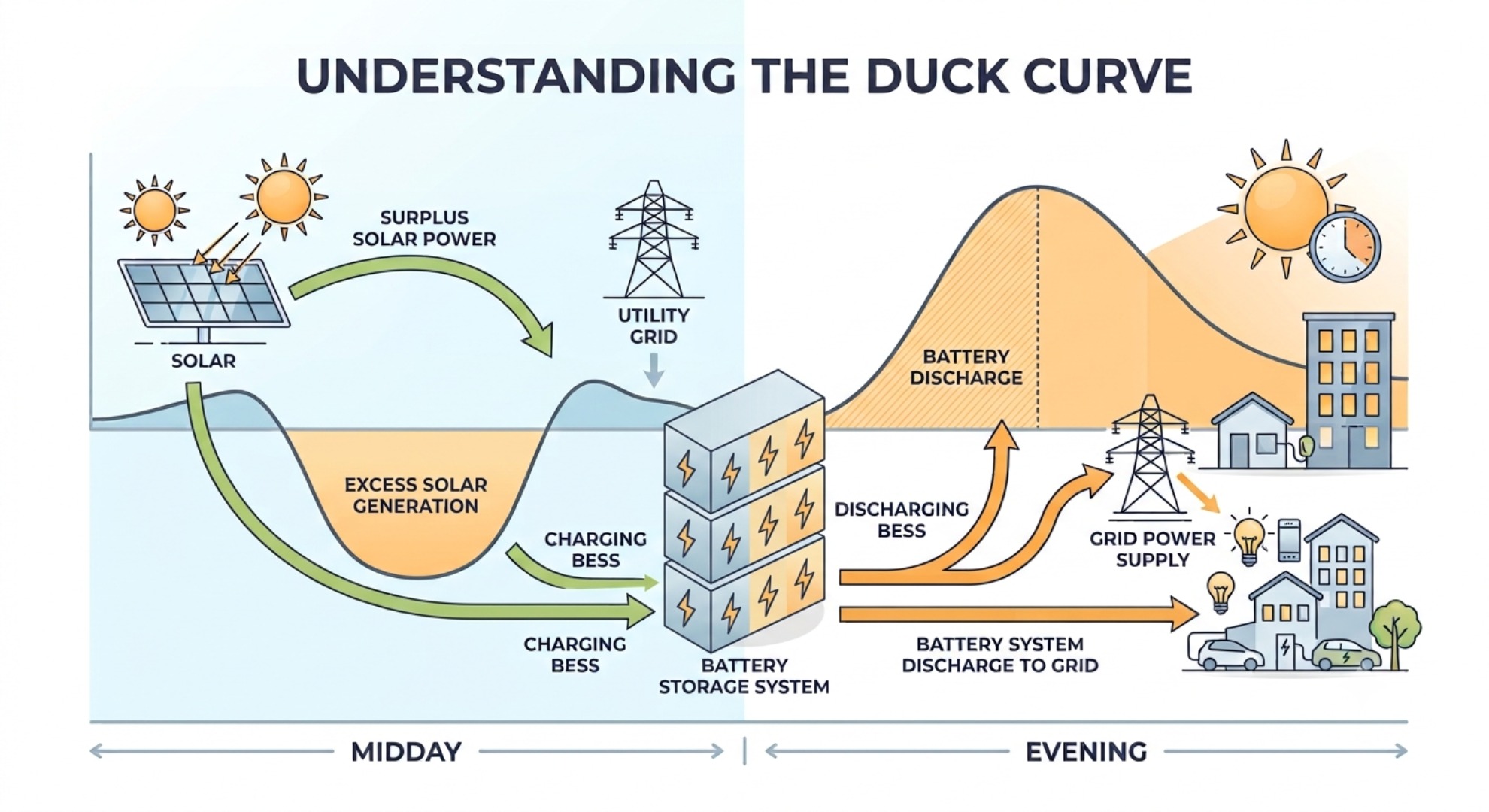
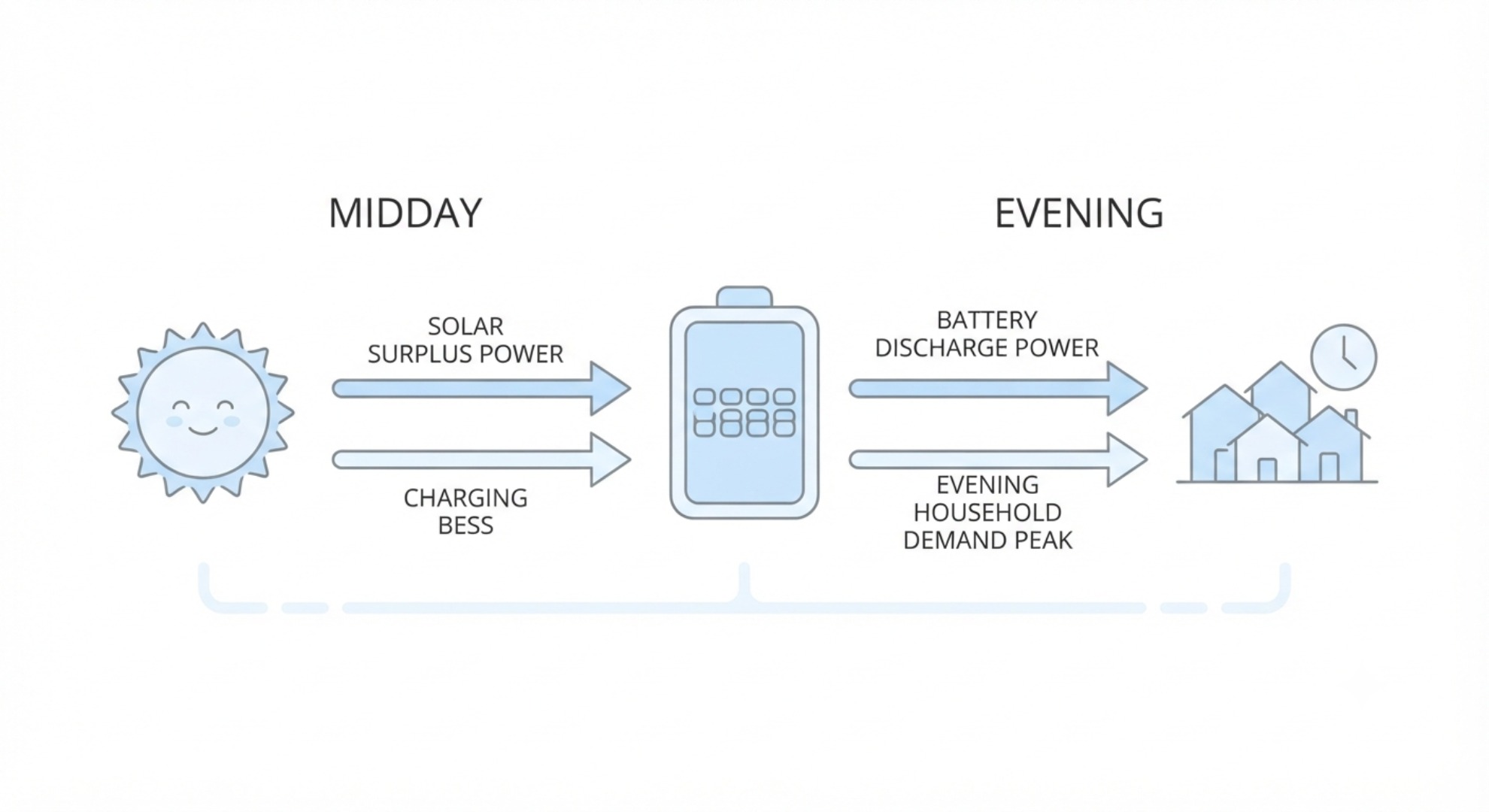
A primary barrier to high renewable adoption is timing mismatches between power output and consumer load. Effective peak shaving and load shifting strategies store midday generation surpluses from solar facilities for use during high-demand evening hours. This operational flexibility directly mitigates solar power overproduction, preventing stress on transmission networks while ensuring consistent power availability.
Managing daily fluctuations prevents the severe ramp-rate issues known as the duck curve phenomenon. By deploying battery systems to absorb mid-day generation spikes, power operators cushion sudden electricity demand spikes when solar output drops. Consequently, utilities experience significant peaker plant reduction, reducing reliance on natural gas plants that traditionally maintain system balance.
Grid Frequency Regulation & Stability with BESS
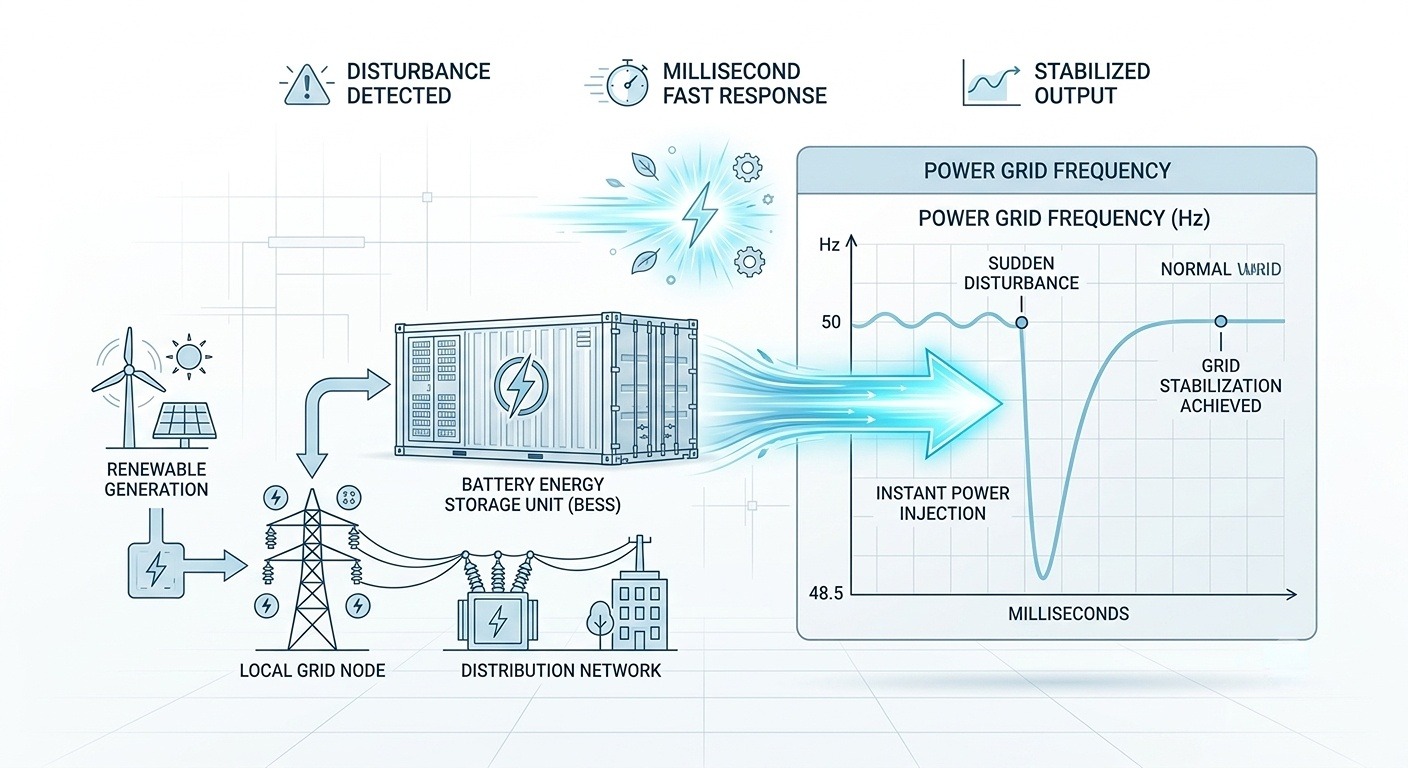
Maintaining grid stability requires continuous balance between supply and demand at precise frequencies (50 Hz or 60 Hz). Battery Energy Storage Systems (BESS) excel at providing frequency regulation services due to their sub-second operational capabilities. This rapid response supports continuous grid frequency stabilization, preventing power outages caused by sudden fluctuations in wind speed or solar radiation.
Beyond frequency response, battery infrastructure provides essential voltage control and regulation across local feeder lines. By delivering automated spinning reserves replacement, advanced battery systems keep transmission lines steady without the constant fuel combustion associated with legacy generators. This fast response yields measurable power quality improvement for both industrial and residential end users.
Economic Benefits of Utility-Scale Battery Storage
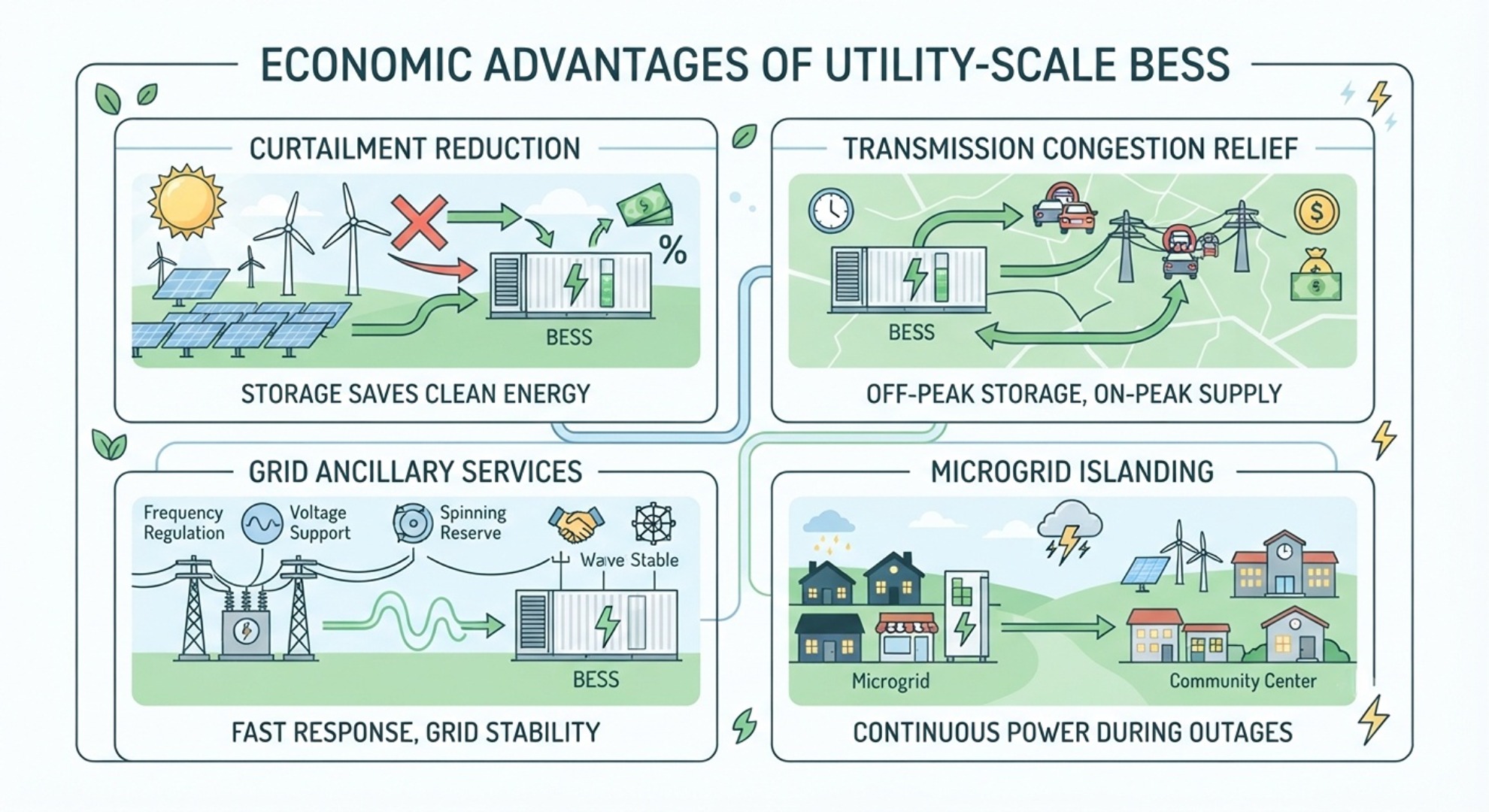
Without dedicated storage capacity, grid operators must frequently enforce renewable energy curtailment, forcing wind and solar farms to shut down during excess generation periods. Storage facilities capture this lost clean power, driving substantial avoided infrastructure costs by using existing power lines more efficiently. The U.S. Department of Energy (DOE) reports that strategically positioned battery storage provides critical transmission congestion relief, deferring expensive utility line expansions.
Battery systems also accelerate microgrid deployment by providing localized energy management. Integrating storage with distributed energy resources allows regional distribution sites to operate independently during main grid failures. This shift toward decentralized energy storage strengthens overall system resilience while empowering communities to use locally generated renewable energy.
Long-Duration Energy Storage & Battery Technologies
While lithium-ion battery technology remains the dominant chemistry for short-duration grid support, emerging clean energy needs require longer discharge windows. The deployment of long-duration energy storage (LDES) technologies enables grids to bridge multi-day weather events where solar and wind generation dip below normal thresholds. Alternative systems, such as flow battery applications, offer scalable capacity without thermal degradation over long operation cycles. Insights from the International Renewable Energy Agency (IRENA) highlight how diversifying storage chemistry improves overall supply chain sustainability.
Commercialization of sodium-ion batteries presents another cost-effective alternative for stationary energy facilities. As the grid-scale energy storage market expands, combining short-duration and long-duration storage technologies will build a reliable decarbonized power grid capable of handling seasonal shifts in renewable output.
Future of Renewable Integration with Battery Storage
The global net-zero emissions transition depends on pairing renewable expansion with flexible storage assets. Building a sustainable power infrastructure requires utility planners to view energy storage as a foundational system component rather than a supplementary backup tool. Ongoing energy storage technology expansion will remain the single most critical factor in achieving a fully decarbonized, reliable electrical grid.

JM New Energy Technology



48V Lithium Battery: Top Pick for Solar Storage
How Lithium Battery Communication Protocols Work