


Home Battery Backup for Power Outages
Home Battery Backup for Power Outages: Complete Guide
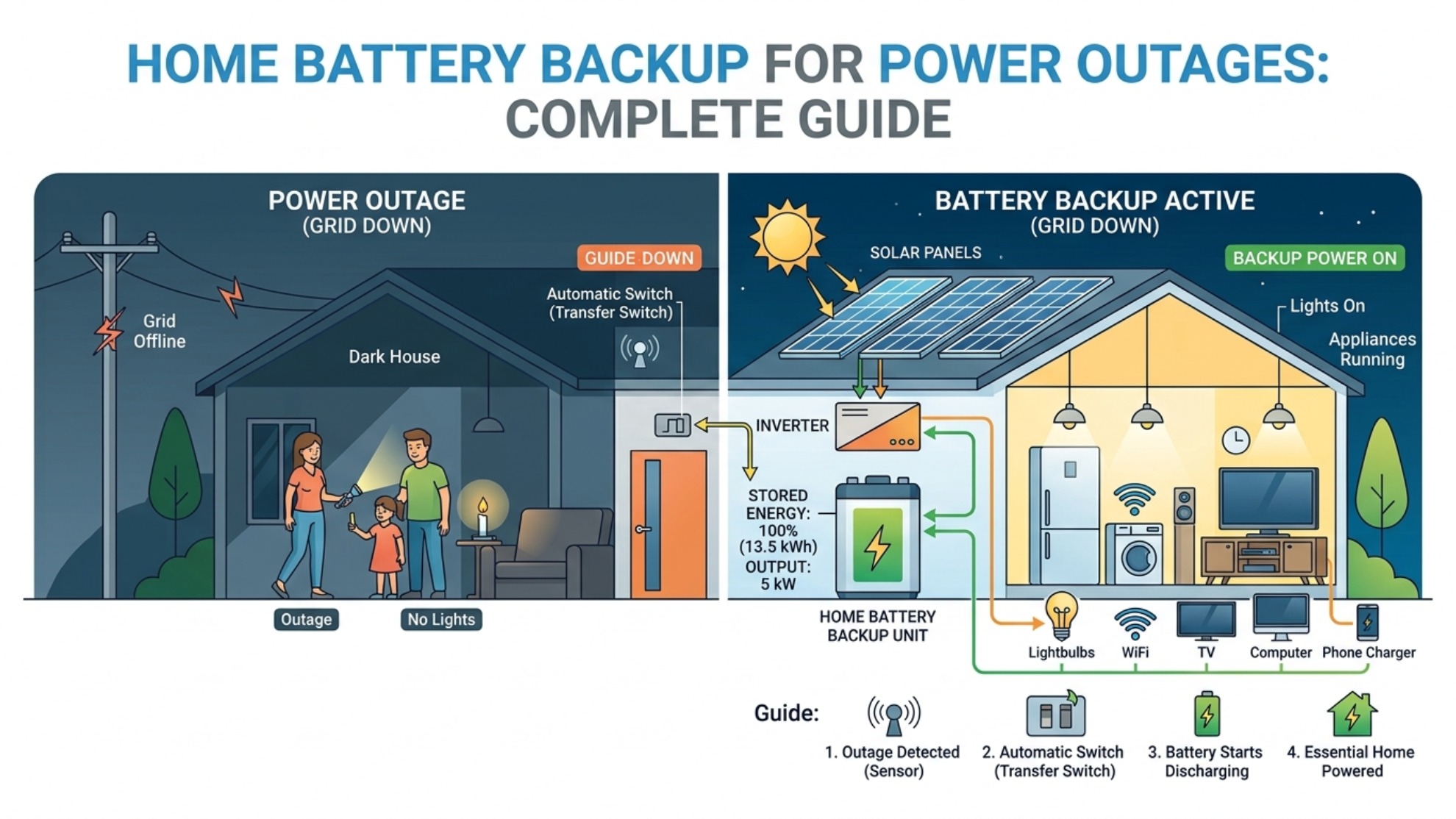
Table of Contents
- Why a Home Energy Storage System Is Essential
- Grid‑Tied Solar vs. Backup Battery: Key Differences
- How to Choose the Right Home Battery Backup Capacity
- Calculating kWh for Essential Appliances and Sizing
- Battery Installation, Maintenance, and UL 9540 Safety Standards
- Real‑World Home Battery Case Studies
- Frequently Asked Questions
With extreme weather events becoming more frequent, ensuring home battery backup reliability is vital for household safety. According to the U.S. Department of Energy grid resilience report, grid disruptions have surged over the past decade, making power outage resilience a top priority for homeowners looking to protect their daily routines and secure uninterrupted electricity.
Why a Home Energy Storage System Is Essential
Investing in a home energy storage system provides more than just convenience during unexpected blackouts; it offers absolute peace of mind. When sudden grid failures occur, these modern units instantly switch on to deliver seamless backup power, keeping critical medical equipment running, food fresh, and lights on without the noise, maintenance headaches, or toxic emissions of traditional fossil‑fuel generators.
Grid‑Tied Solar vs. Backup Battery: Key Differences
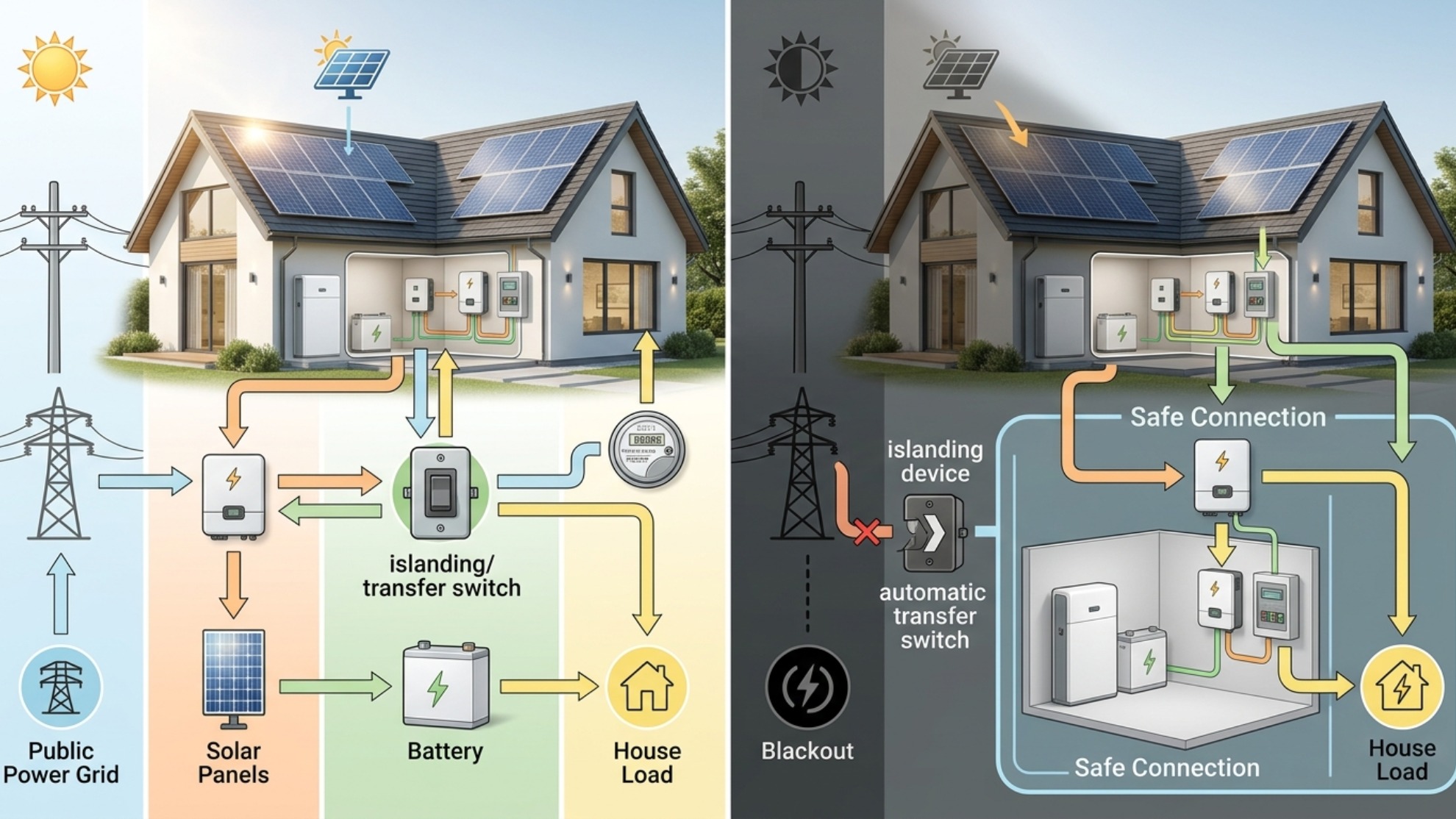
Many homeowners mistakenly believe that having standard rooftop solar panels automatically guarantees electricity during a blackout. However, conventional grid‑tied solar arrays are legally mandated to shut down during utility outages to protect line workers from dangerous backfeeding. To maintain power during an emergency, systems must integrate advanced islanding protection features that safely disconnect the household circuit from the main utility grid while drawing electricity directly from stored solar energy or the battery bank.
How to Choose the Right Home Battery Backup Capacity
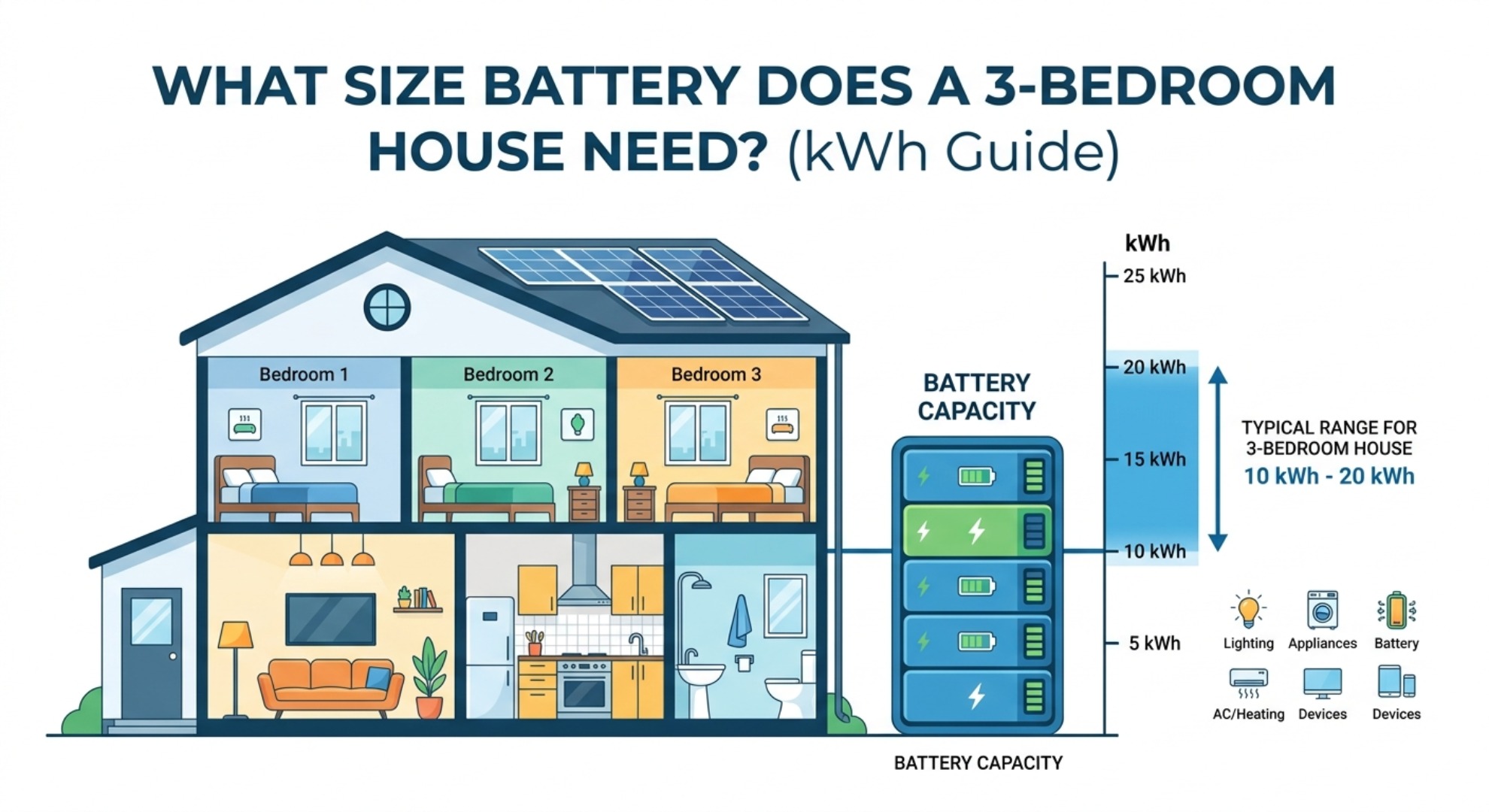
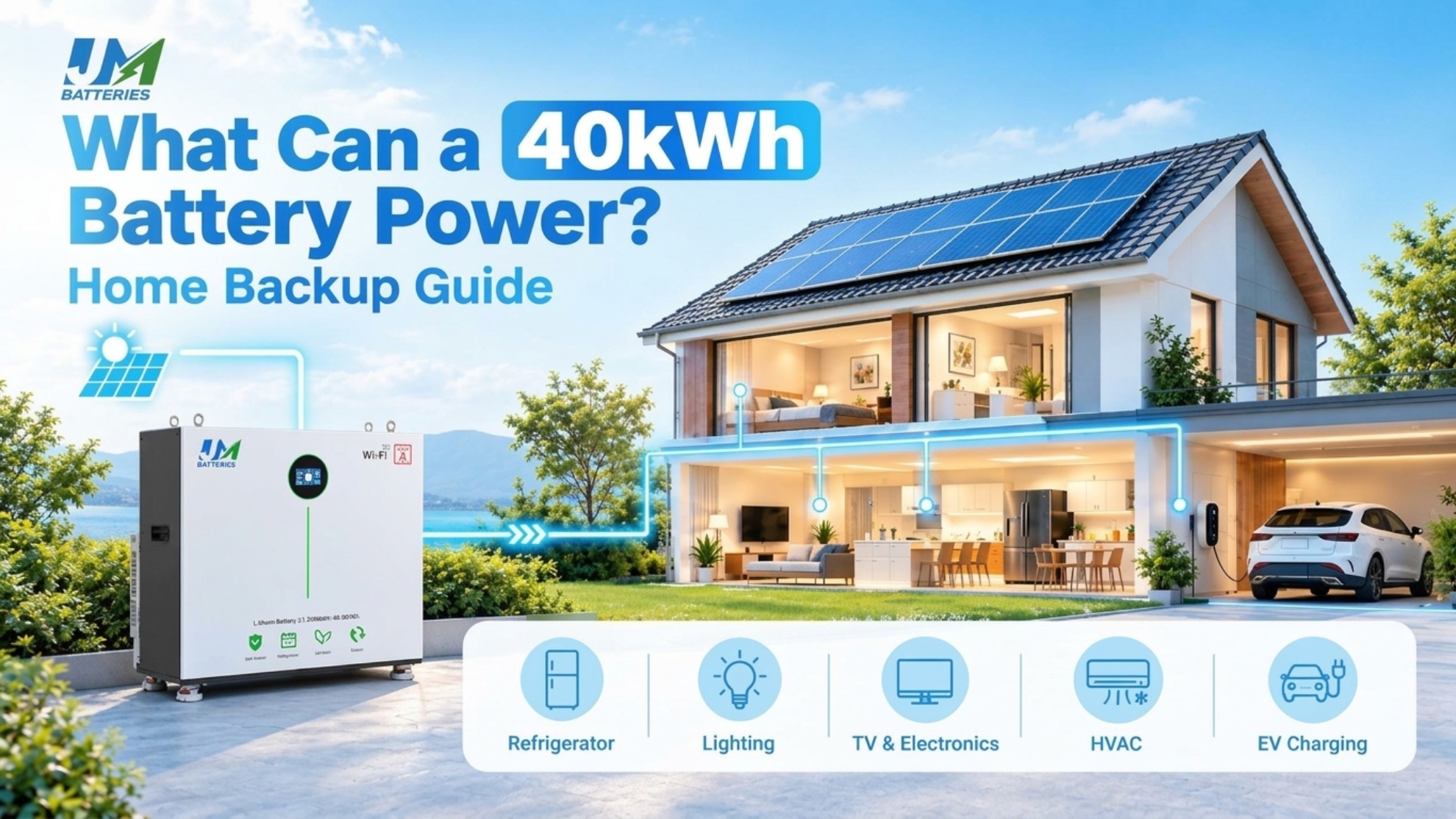
Selecting the right emergency power supply capacity requires a careful assessment of your household's daily energy usage patterns and peak load demands. Today's residential market predominantly utilizes safe, long‑lasting lithium iron phosphate battery chemistry, which provides exceptional thermal stability, thousands of deep charge cycles, and high round‑trip efficiency without compromising the lifespan or safety of the unit. For reference on typical household requirements, read what size battery does a 3‑bedroom house need and 10kWh vs 15kWh battery comparison. Explore high‑performance hardware with the 16kWh 51.2V LiFePO4 solar energy storage battery for robust home backup deployments.
Calculating kWh for Essential Appliances and Sizing
To determine the appropriate system size, you must calculate the total kilowatt‑hours (kWh) consumed by your essential appliances such as refrigerators, medical devices, Wi‑Fi routers, and basic lighting circuits. As outlined by the Solar Energy Industries Association guidelines, choosing between a partial‑home backup and a comprehensive whole‑home backup depends heavily on whether you prioritize running high‑draw motorized appliances like central air conditioning and water heaters during an extended emergency.
Battery Installation, Maintenance, and UL 9540 Safety Standards
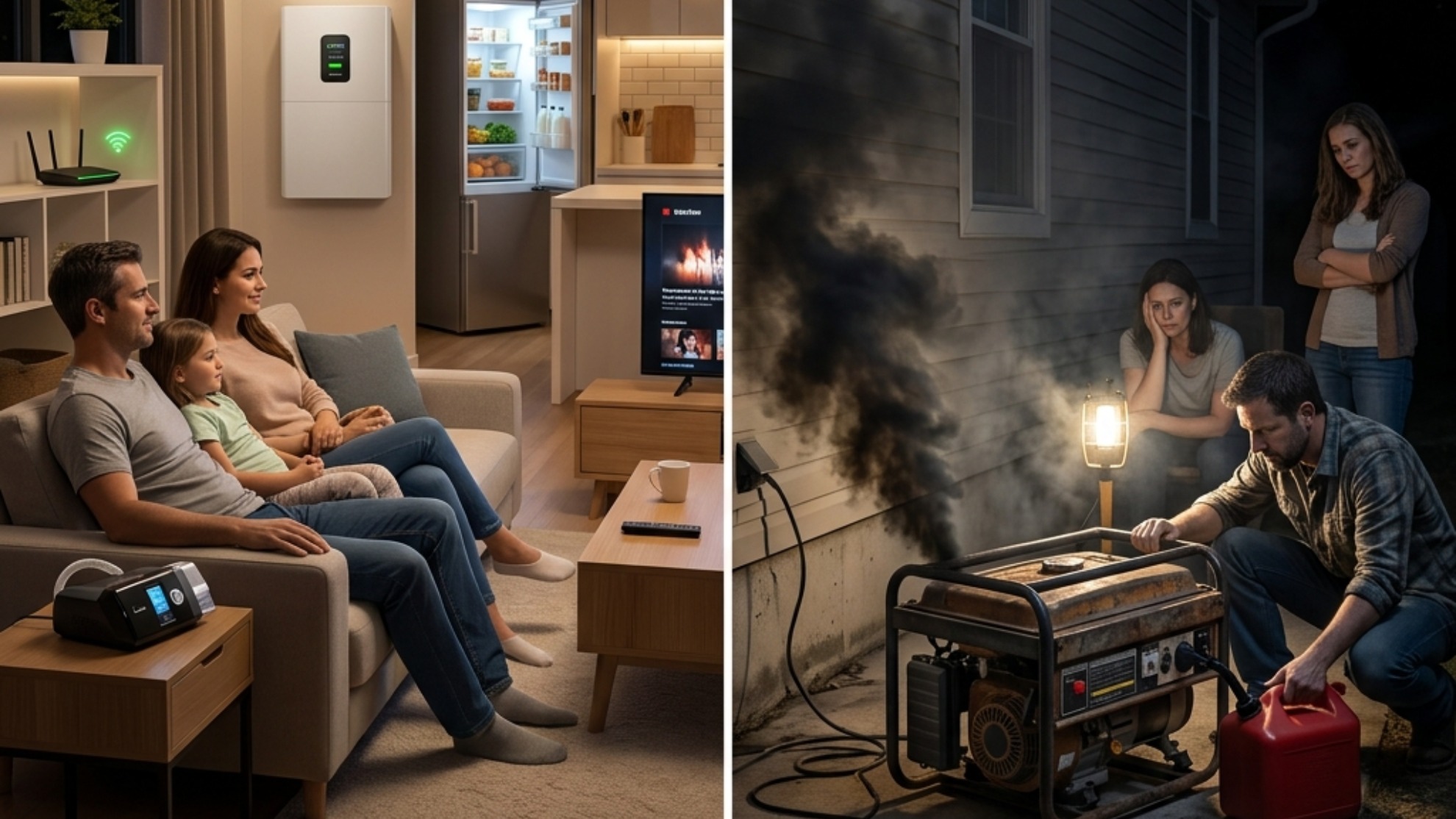
Strict adherence to professional battery installation standards is crucial for ensuring long‑term safety and regulatory compliance in residential settings. Certified electrical technicians must follow rigorous UL 9540 certification requirements, which comprehensively evaluate the entire energy storage system—including inverters and battery modules—for fire safety and electrical integrity. Furthermore, routine home battery maintenance is remarkably minimal compared to internal combustion generators; periodic firmware updates, visual inspections, and monitoring via mobile applications are typically all that is required to guarantee optimal performance when an outage strikes.
Real‑World Home Battery Case Studies
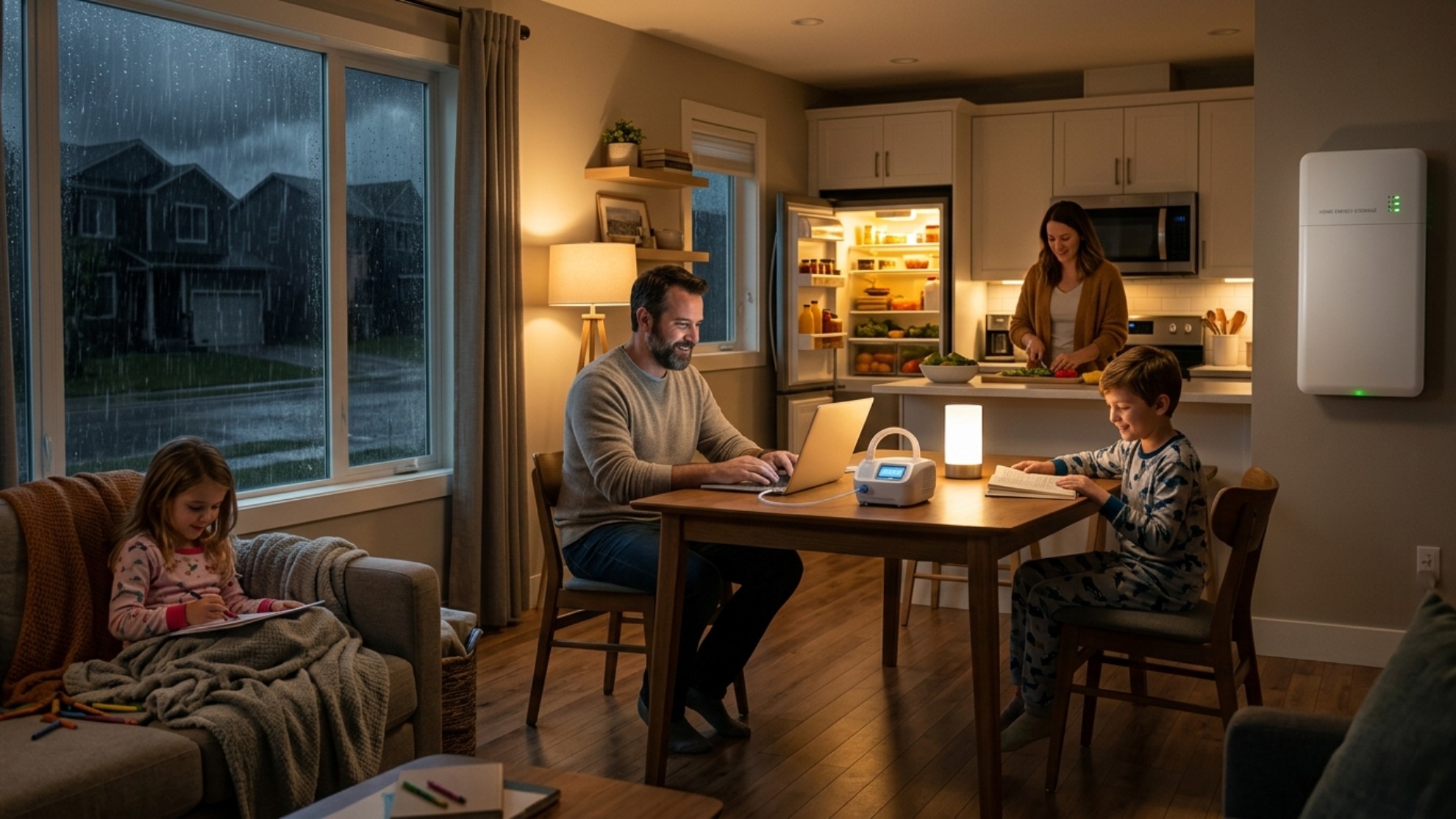
Case 1: Partial‑Home Backup for Household With Medical Equipment
A family of three living in a storm‑prone suburban area relies on at‑home medical equipment for one family member. They installed a 10 kWh LFP home battery paired with existing rooftop solar. The system supports the medical device, refrigerator, Wi‑Fi, and essential lighting, without trying to run air‑conditioning. During a 28‑hour grid outage caused by severe thunderstorms, the battery automatically kicked in, kept critical devices online, and avoided the need to relocate the patient. The homeowner only performs occasional mobile‑app checks and firmware updates for maintenance.
Case 2: Whole‑Home Battery Backup During Multi‑Day Winter Blackout
A rural household faced a 3‑day winter power outage after an ice storm. They invested in a larger 24 kWh battery storage solution with islanding capability. The setup supports heating circulator pumps, refrigerator, lighting, select kitchen appliances, and limited air‑handling loads. They practiced load management by turning off non‑essential devices to stretch battery capacity. Unlike noisy fuel generators, the battery operated silently indoors with zero exhaust fumes, and they avoided the hassle of sourcing gasoline in bad weather.
Case 3: Solar‑Only Homeowner Learning the Need for Battery Storage
A homeowner already owned grid‑tied solar panels but no battery. When a local power outage hit, their solar system shut down automatically due to anti‑backfeeding safety rules. Even with bright sunlight, they had no household power. This experience led them to add an LFP battery bank with islanding protection. Now their solar energy can be stored and used during blackouts, fixing the key limitation of their original grid‑tied‑only solar setup.
Frequently Asked Questions
What Size Battery Does a 3 Bedroom House Need