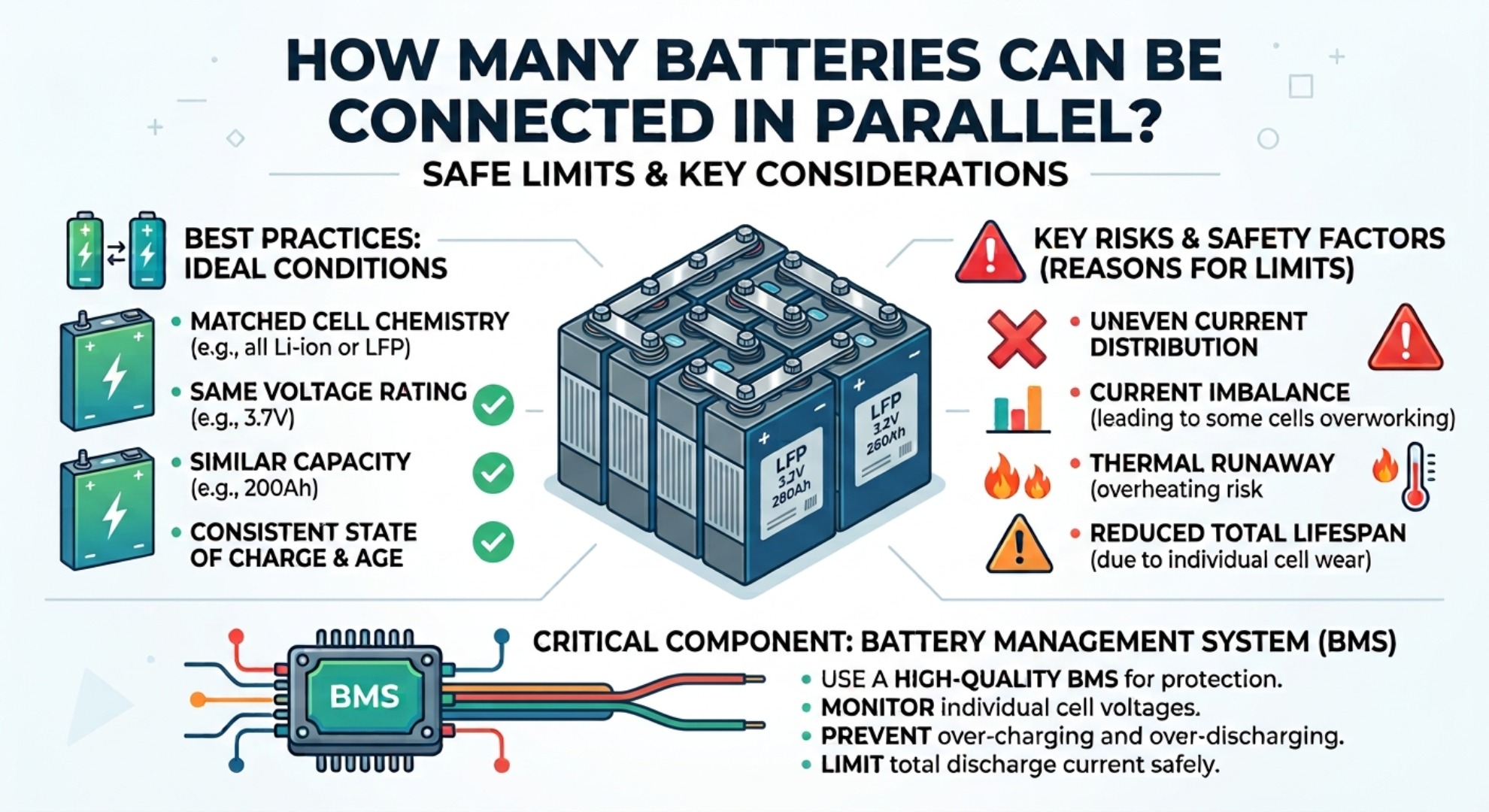



10kWh vs 15kWh Battery: Which Home Storage Size Is Better?
10kWh vs 15kWh Battery: Which Home Storage Size Is Better?
Table of Contents
How Home Battery Capacity Is Measured
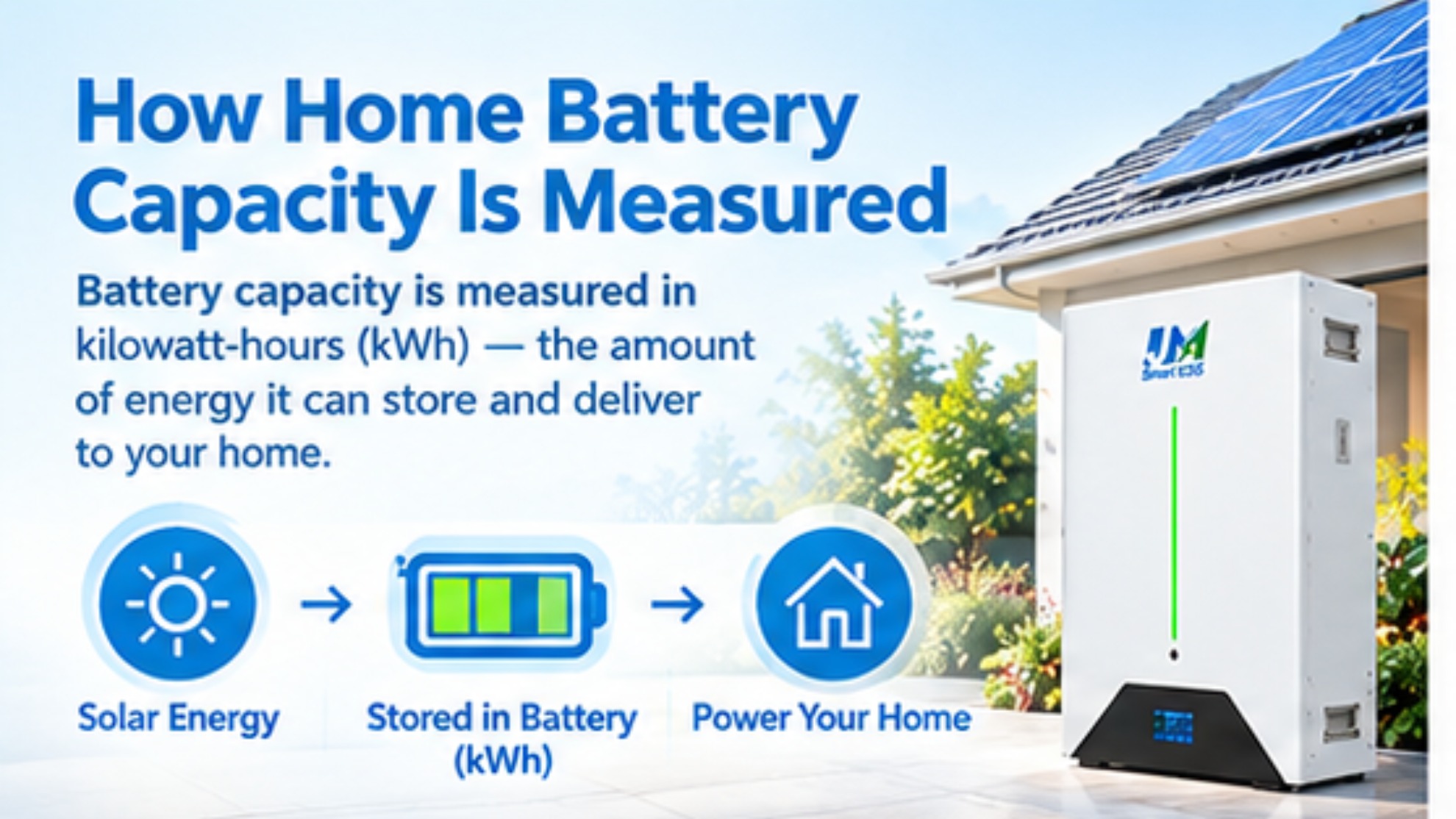
Switching over to solar with battery storage means you’ll need to look closely at what these home batteries actually deliver. If you’re adding storage to an existing solar setup, understanding kilowatt‑hour ratings helps match stored power to what your family uses each day. Picking the wrong battery size directly changes how much solar power you can use after sunset, how much you rely on grid supply, and how well you get through unexpected blackouts. If you plan to source multiple units for projects, review tips to buy LiFePO4 batteries in bulk from reliable manufacturers.
Core Differences Between 10kWh and 15kWh Batteries
Usable Energy and Depth of Discharge (DoD)
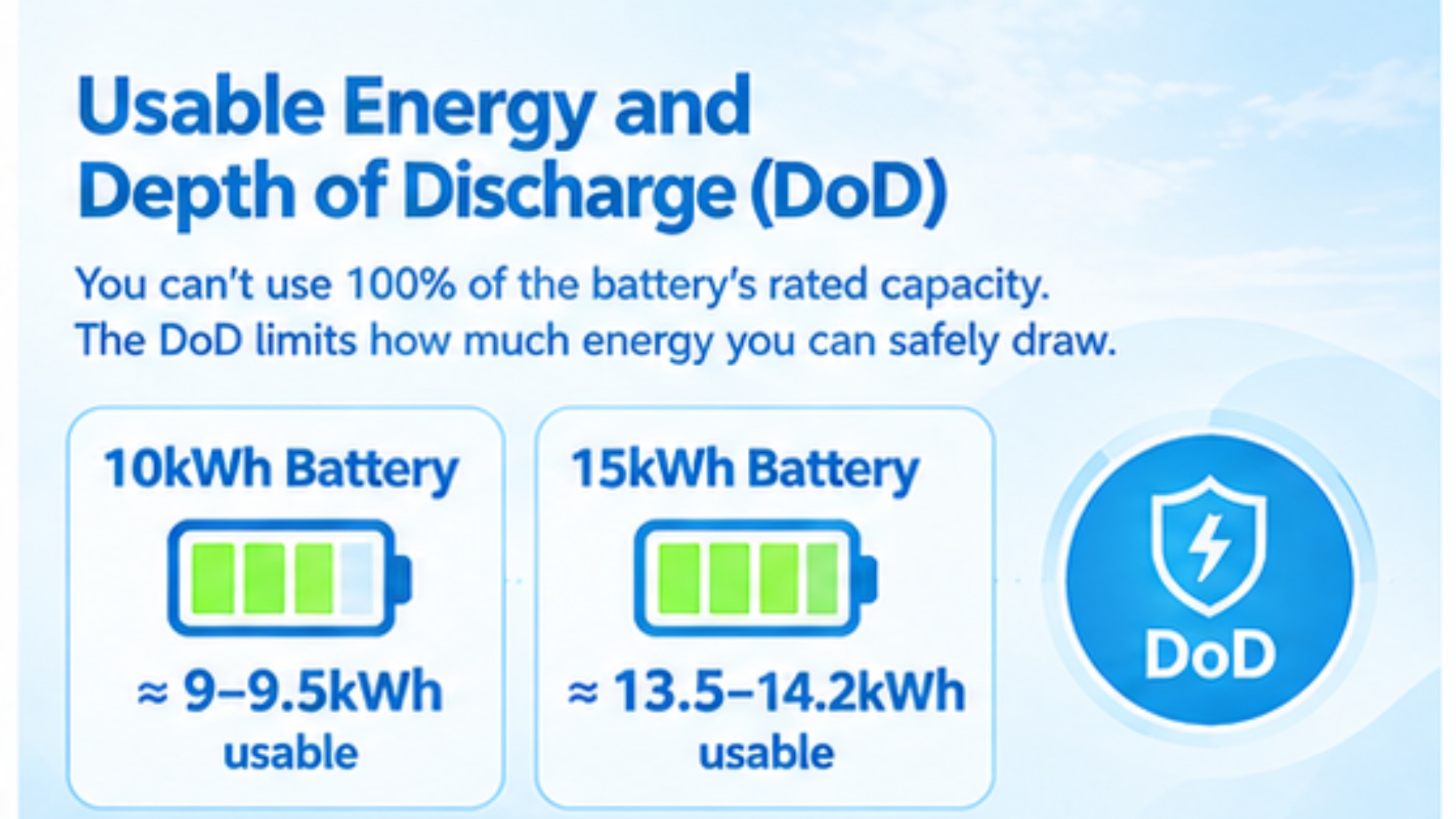
Just looking at the physical battery box won’t tell you how much real power you can draw from it. Most modern home storage units run LiFePO4 cells; these hold up well over years and carry low fire risk. Still, you can never drain these batteries fully. The depth of discharge (DoD) limits how much power you can safely pull without wearing hardware down fast. A 10kWh nominal battery typically gives you 9‑9.5kWh you can actually use, depending on your inverter settings. A 15kWh unit delivers roughly 13.5‑14.2kWh usable power. That gap shapes how often you can cycle the battery each day without shortening its lifespan.
Backup Runtime During Power Outages
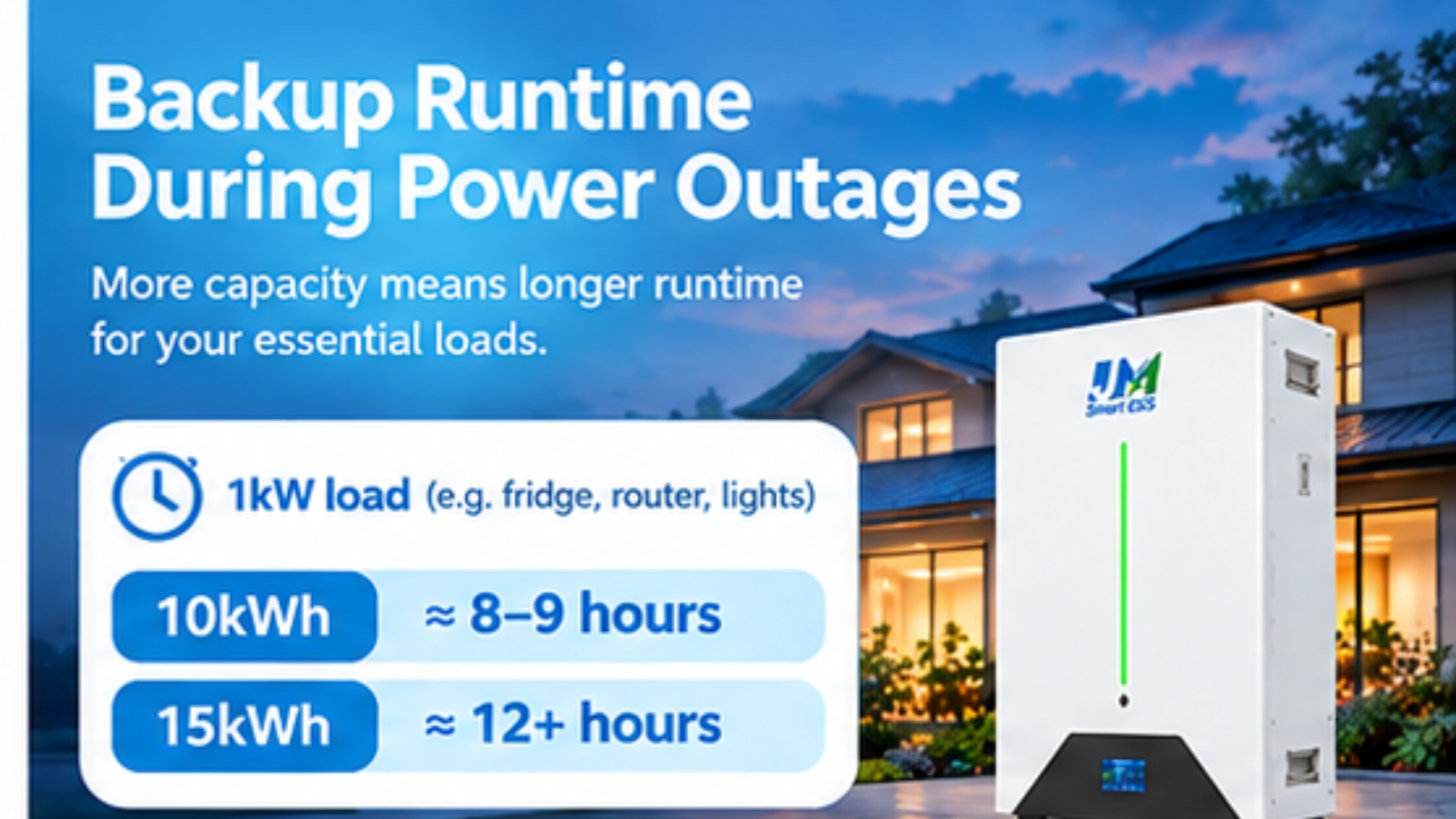
How long your battery runs in an outage comes down to how much power your home pulls. At a steady draw of 1kW, a 10kWh battery easily keeps critical gear — fridge, internet router, indoor lights — running eight to nine hours. Step up to 15kWh, and that same load runs for more than twelve hours. That extra buffer really matters when storms knock out grid power for multiple days in a row.
Which Battery Size Fits Your Household?
Best Scenarios for a 10kWh Battery
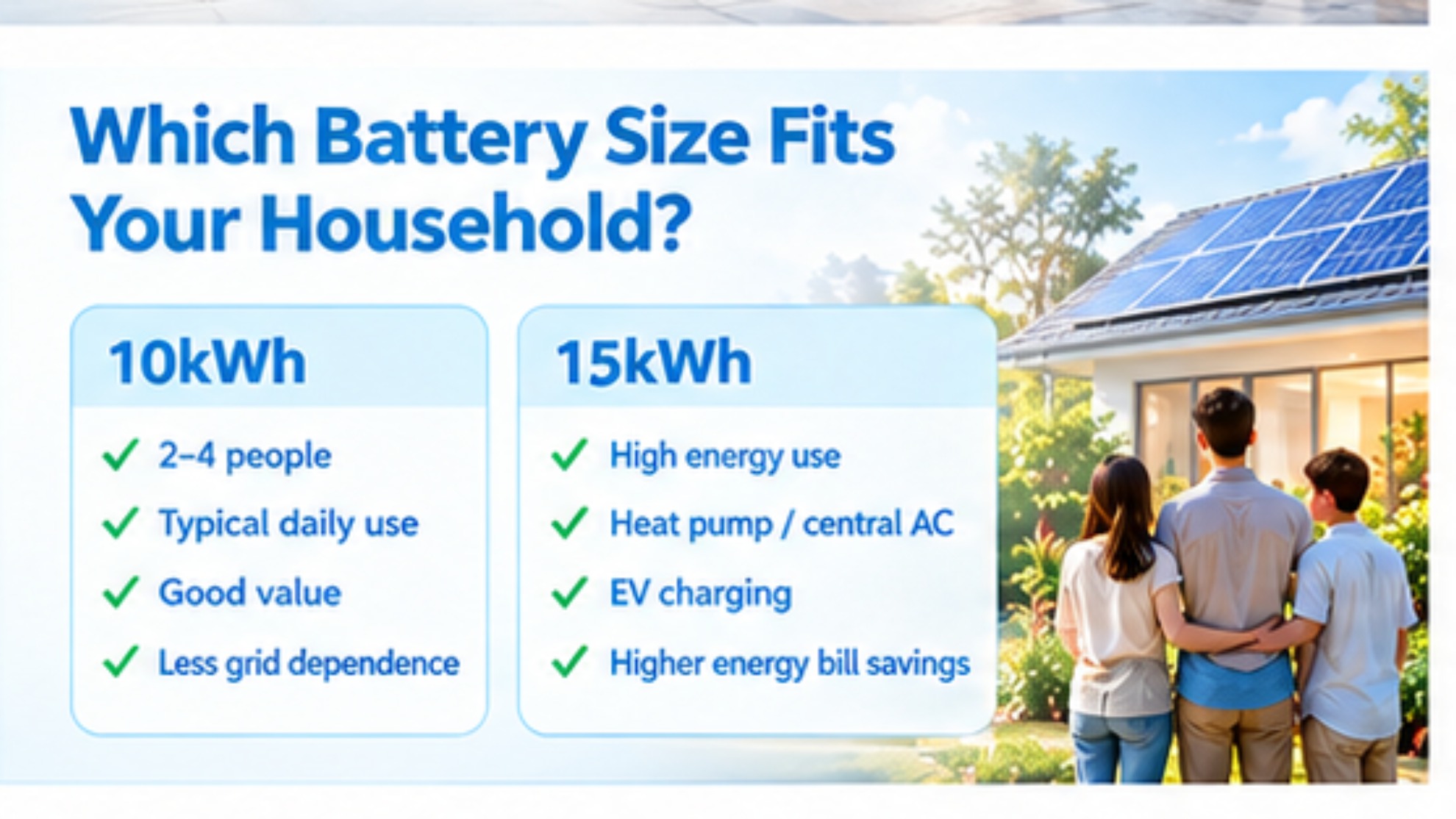
If you have a typical home with two‑four people, 10kWh often hits that sweet spot for value. It lets you make good use of your solar power through the evening, so you buy less expensive grid power once the sun goes down. Since bigger batteries cost more upfront, many average‑use households see better payback with 10kWh. You don’t end up paying for extra storage space you will hardly ever fill.
When a 15kWh Battery Is Worth It
Homes that draw lots of power will quickly max out a smaller battery. Think houses running heat pumps or central AC, homes with EV home chargers, or places where several big appliances run at the same time in the evening. Those loads eat through stored energy fast. A 15kWh battery gives you extra headroom. You become less dependent on utility power, and you’re ready for higher energy bills as electricity rates keep climbing. Be sure to read guidance to how to choose LiFePO4 battery before placing your final order.
Real‑World Household Case Studies
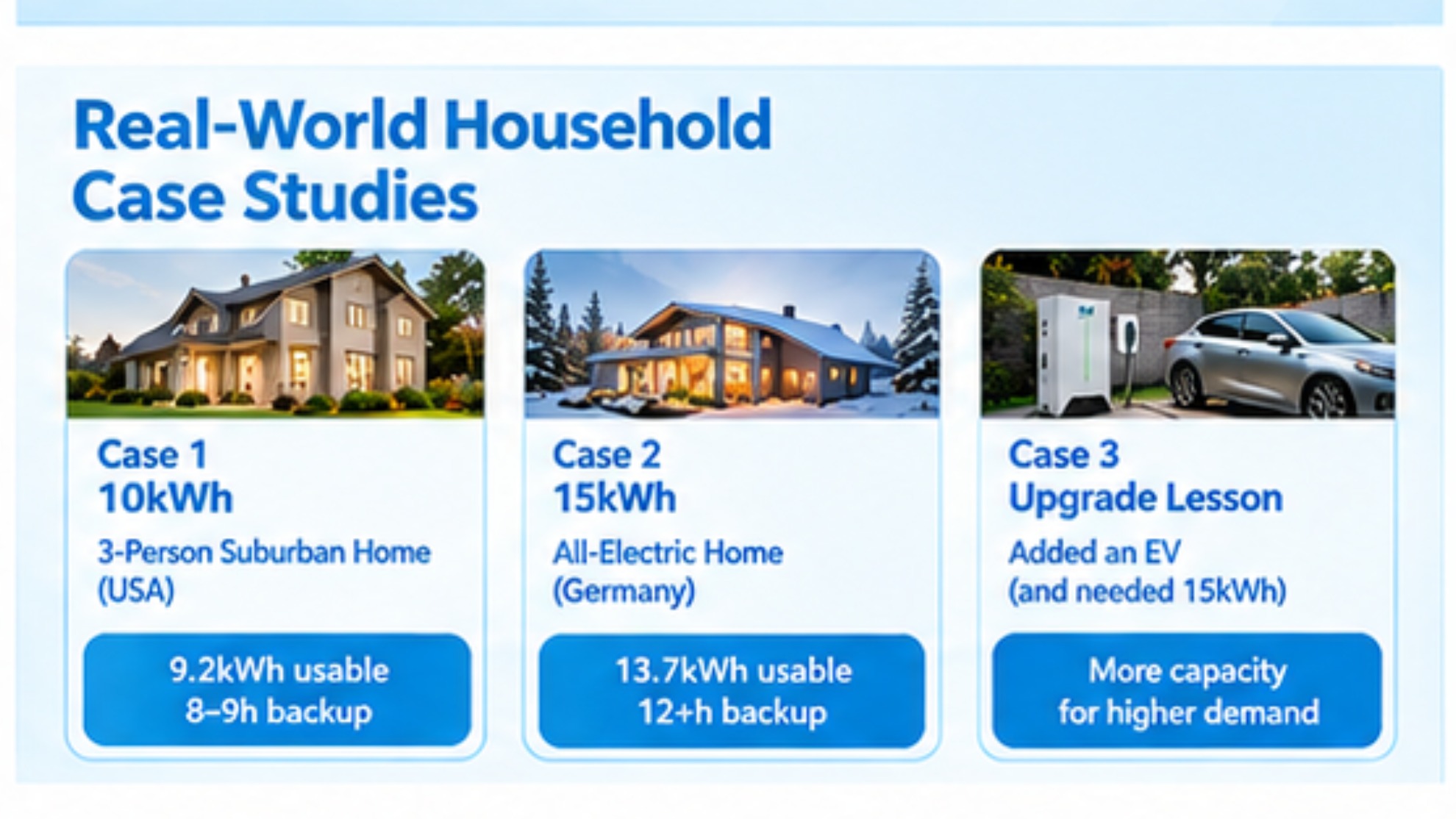
Household profile: 1,200 sq‑ft suburban house with three people living inside. They use around 12 kWh each day and own a 5 kW rooftop solar array. Their main goals were to get more value from their solar panels and keep key devices running through short blackouts: fridge, Wi‑Fi, basic lighting.
Outcome: This 10kWh battery delivered roughly 9.2 kWh usable capacity. Their solar self‑consumption climbed to 78 %, and they bought far less grid power each evening. When local storms caused brief blackouts, critical gear stayed powered for eight to nine hours. The homeowner reported solid returns and said they never wasted unused battery capacity sitting idle.
Household profile: Four‑person fully electric home running a heat pump for heating. Yearly energy use sits near 8,500 kWh, paired with a 14.25 kW solar array. The family wanted evening load support, plus reliable backup for longer grid drops during cold winter weather.
Outcome: With 13.7 kWh usable capacity, the 15kWh battery handled heavy evening draws from their heat pump. It kept essential systems online for more than 12 hours whenever grid power failed. A smaller 10kWh battery would drain too quickly under heat‑pump load, so they avoided power rationing on cold days.
Household profile: Four‑bedroom home that originally installed a 10kWh battery to shift evening energy use. Everything worked fine until they bought an electric car and started charging it at home each night.
Outcome: Their old 10kWh battery could no longer cover regular house loads plus partial EV charging. Stored power was gone well before midnight. They ended up expanding their system to a 15kWh modular battery bank to handle that higher evening demand. This real example shows why you need to think ahead if you plan EVs or other high‑draw home gear down the line.
Cost, Efficiency, and Long‑Term Savings
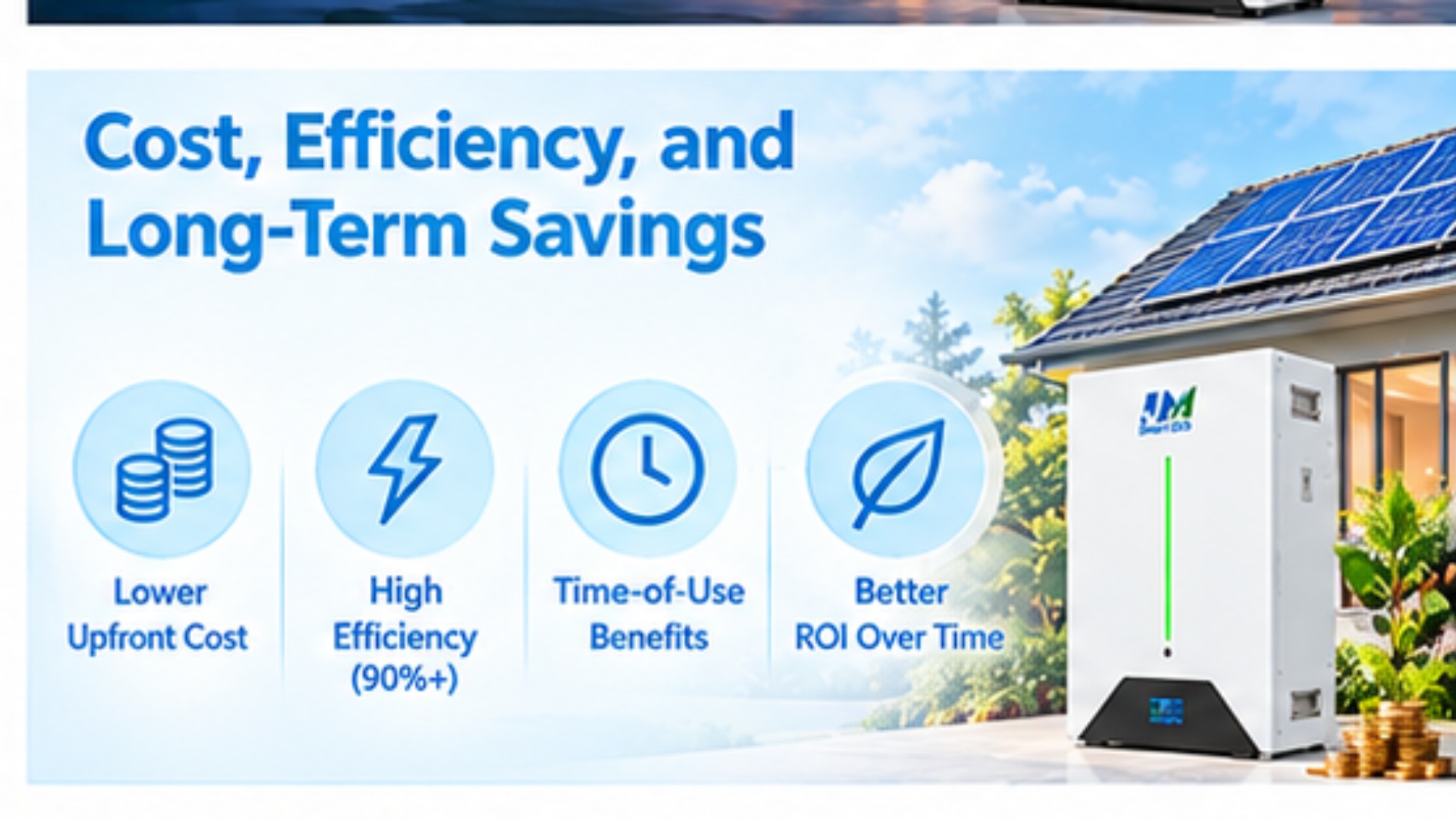
Working out whether battery storage makes financial sense means looking beyond the upfront purchase price. Round‑trip efficiency matters a lot. Good lithium‑based batteries lose very little energy to heat while charging and discharging, so more of your stored power actually goes toward running your home. Many systems also work with time‑of‑rate software. That setup lets you store cheap solar or off‑peak grid power and draw on it when utility rates jump, cutting your monthly power bill.
Final Verdict: Choosing Your Battery Size
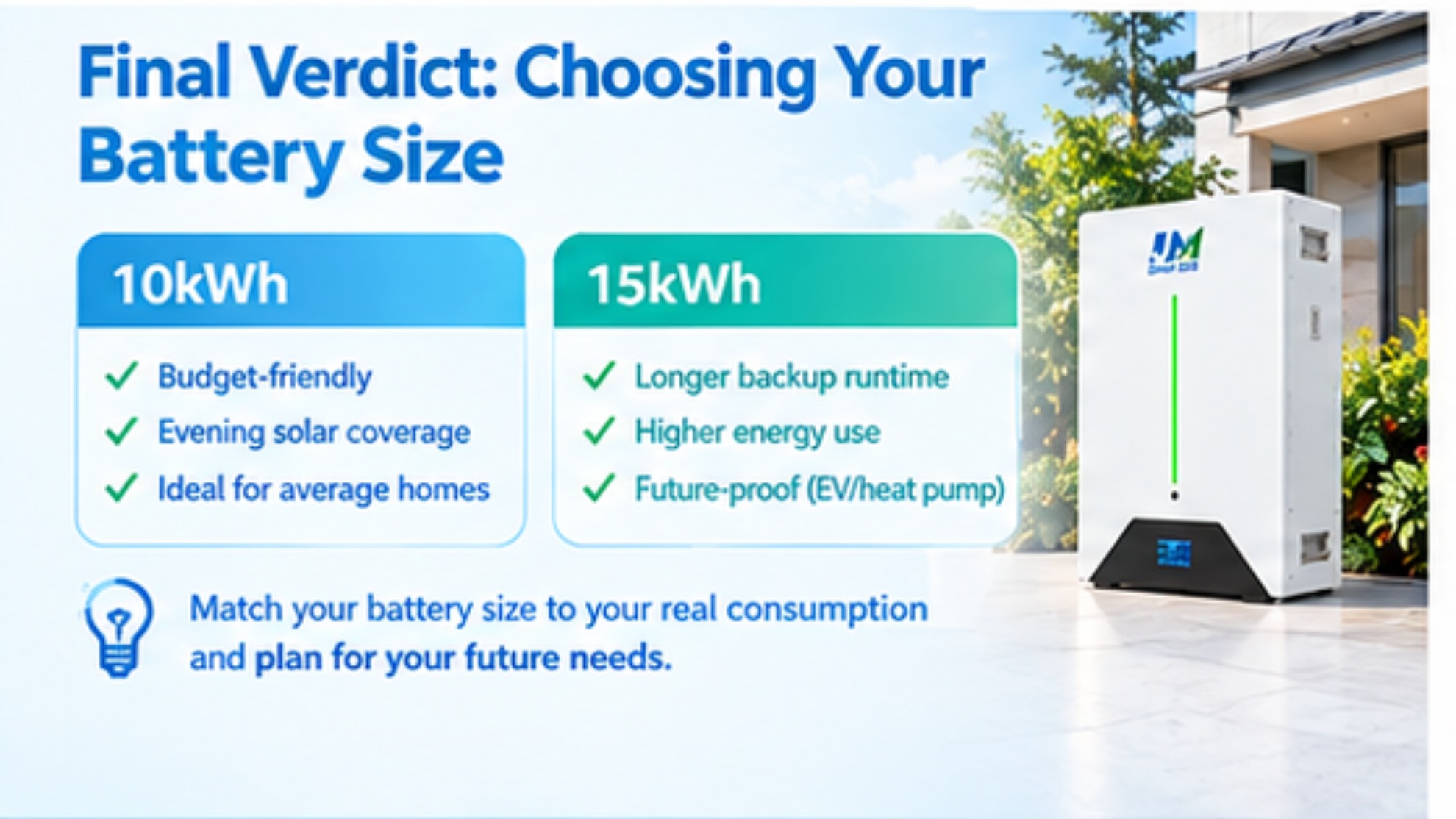
To pick the right battery size, pull up your past utility bills, think about local weather patterns, and consider any big energy changes you expect in coming years. A compact 10kWh battery works great if you mainly want evening solar coverage on a budget. Go with the larger 15kWh unit if you need longer backup runtime or plan for higher home energy use. Match your battery specs to real‑world household consumption for best results. It also pays to talk with qualified local installers to get long‑term reliability from your solar‑battery setup.
Frequently Asked Questions
A: Plenty of modern LiFePO4 home batteries support modular expansion. You can add extra battery modules for more total capacity. Still, your existing inverter has to work with those new modules. Always double‑check expandability before buying your base battery unit.
A: Most residential LiFePO4 batteries offer somewhere between 6000‑10000 charge cycles. For typical daily home‑storage use, that translates to roughly 10‑15 years of usable service life.
A: Not automatically. If you cannot actually use all that extra stored energy, buying a bigger battery won’t lower your bills further. Match battery capacity to your real household consumption for the strongest return on your investment.
A: It all comes down to how much power your AC pulls. Small window‑style air‑conditioners can run multiple hours off a 15kWh battery. Large central HVAC systems draw heavy continuous power and will drain even a 15kWh battery fairly fast.
How to Buy LiFePO4 Batteries in Bulk