


How does home energy storage work
How Does Home Battery Storage Work? A Complete Guide

1. The Core Components of a Home Energy Storage System

A home energy storage system is far more than just a battery. It is an integrated power plant for your home, consisting of four essential building blocks.
The Battery Module
This is where energy is chemically stored. Modern residential systems almost exclusively use Lithium Iron Phosphate (LiFePO4) batteries because they are safer, last longer, and perform better than older lead-acid or traditional lithium-ion alternatives. The battery's capacity is measured in kilowatt-hours (kWh), indicating how much total electricity it can hold.
The Inverter
Solar panels and batteries handle direct current (DC) electricity. Your home and the grid run on alternating current (AC). The inverter is the bridge that converts DC to AC (and often vice versa). In a storage system, a bi-directional inverter is key: it converts DC battery power to AC for your home, and it converts AC power from the grid (or a solar inverter) to DC to charge the battery.
The Battery Management System (BMS)
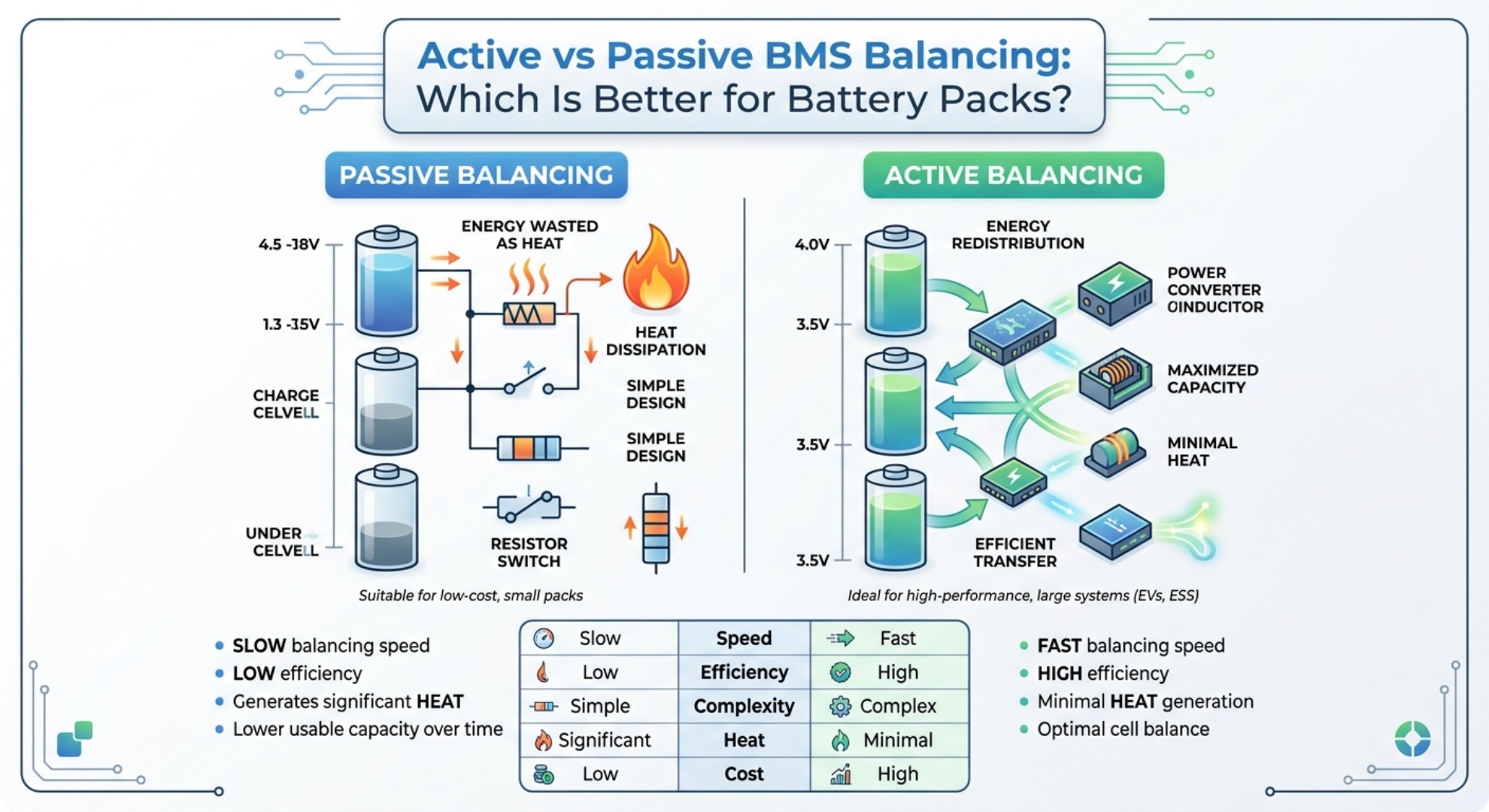
The BMS is the intelligent guardian of the battery. It continuously monitors voltage, current, temperature, and state of charge for every cell. Its critical jobs include:
- Balancing cells to maximize usable capacity and lifespan.
- Protecting against overcharging, deep discharging, and overheating.
- Communicating with the inverter to ensure safe, optimal power flow.
The Energy Management System (EMS)
The EMS is the brain of the entire operation. It decides in real time when to charge, when to discharge, and when to hold power in reserve. A smart EMS learns your solar production patterns, household consumption habits, and electricity tariff structures to make decisions that save you the most money.
2. The Fundamental Principle: Charge, Store, Discharge
At its simplest, the workflow follows a three-step cycle repeated daily:
- Charge: Electricity flows into the battery. This electricity may come from your rooftop solar panels during the day, or from the grid during off-peak hours when rates are low.
- Store: The BMS keeps the energy securely locked inside the LiFePO4 cells with minimal losses until it's needed.
- Discharge: When your home's demand exceeds what your solar panels are producing, or when grid power fails, the EMS commands the inverter to convert stored DC energy back into AC and feed it to your home's main electrical panel.
This seamless transfer happens in milliseconds, so you never notice an interruption.
3. How Solar and Storage Work Together

Most homeowners pair a battery with a photovoltaic (PV) solar array. There are two main configurations for how they connect:
DC-Coupled Systems
Solar panels generate DC electricity, which flows directly into the battery via a charge controller. Only one inverter is needed to convert stored DC to AC for the house. This path is highly efficient because there is a single DC-to-AC conversion step. It is often the preferred architecture for new installations.
AC-Coupled Systems
These are common when adding a battery to an existing solar setup. The existing solar inverter converts DC to AC. The battery system then includes its own dedicated inverter that converts that AC back to DC to charge the battery. While this involves an extra conversion step, AC-coupled systems offer tremendous flexibility for retrofitting and can often keep your solar array running during a grid outage.
4. Grid-Tied, Off-Grid, and Hybrid: What's the Difference?
Understanding how your system interacts with the utility grid is essential.
- Grid-Tied with Battery Backup (Hybrid): The most popular setup. You remain connected to the grid for net metering and supplemental power, but your battery provides backup during outages. The system automatically isolates your home from the grid (a process called anti-islanding) to protect utility workers, creating a temporary microgrid just for your property.
- Off-Grid: Completely disconnected from the utility. This requires a much larger battery bank and often a backup generator for long stretches of cloudy weather. The system must meet 100% of your energy needs year-round.
- Grid-Tied Only (No Backup): The battery stores energy for self-consumption and time-of-use arbitrage but cannot power your home during a blackout. For true resilience, a hybrid system with backup capability is the answer.
5. Smart Energy Management: Saving Money Every Day

A modern storage system does more than sit idle waiting for a blackout. Its EMS actively manages your electricity costs through several strategies:
- Time-of-Use (TOU) Optimization: If your utility charges high rates in the evening, the EMS will automatically discharge stored solar energy during those peak hours, keeping you off the expensive grid.
- Peak Load Shaving: When your household demand spikes (e.g., an electric oven and an EV charger running simultaneously), the battery supplements the grid to keep your demand below a threshold, avoiding demand charges.
- Self-Consumption Maximization: During the day, excess solar charges the battery. After sunset, the battery powers your home, allowing you to use almost 100% of your own clean energy rather than exporting it cheaply.
- Virtual Power Plant (VPP) Participation: In some regions, systems like those offered by JM Energy Tech can aggregate with others to form a VPP, selling stored power back to the grid during high-demand events and earning you credits.
6. The Real-World Benefits of Home Energy Storage

Investing in a home battery system goes far beyond the technology itself.
- Energy Independence: Reduce your reliance on utility companies and volatile fossil fuel prices.
- Uninterrupted Power Supply: Protect medical equipment, home offices, and food storage from grid instability.
- Lower Electricity Bills: Use more of your own solar power and strategically avoid peak rates.
- Carbon Footprint Reduction: Maximize your consumption of renewable energy and support a cleaner, more resilient grid.
- Increased Home Value: A modern energy system with backup capability is an increasingly desirable home feature.
7. Choosing the Right System: Key Factors to Consider
Before you invest, evaluate these specifications carefully with a trusted provider like JM Energy Tech:
- Usable Capacity vs. Total Capacity: Always look at the energy you can actually use (90-100% depth of discharge for LiFePO4).
- Power Output (kW): Determines how many heavy appliances you can run simultaneously on battery power. A battery with high capacity but low power may not start your air conditioner.
- Round-Trip Efficiency: The percentage of energy you get back versus what you put in. Industry-leading systems achieve over 95%.
- Scalability and Modularity: Can you add more battery modules later if your needs grow?
- Warranty and Lifespan: Look for a minimum 10-year warranty, with cycle life guarantees (typically 6,000 to 10,000 cycles for LiFePO4).
- Safety Certifications: Ensure the system meets rigorous international safety standards and is designed with multi-layered protection.
Frequently Asked Questions
How long can a home battery power my house during an outage?
It depends entirely on the battery's stored energy and your consumption. A typical 10 kWh battery can power essential loads (lights, fridge, router, outlets) for 12 to 24 hours. Pairing multiple batteries extends this significantly. Your energy management system can also shed non-critical loads to stretch backup time.
Do I need solar panels to install home energy storage?
No, you can install a battery without solar. It can charge from the grid during off-peak hours and provide backup power. However, the combination of solar and storage unlocks the full financial and environmental benefits.
Is LiFePO4 better than other lithium-ion batteries for my home?
Yes. LiFePO4 chemistry offers superior thermal stability (it does not catch fire easily), a longer cycle life, and does not contain cobalt. It is the gold standard for residential safety and longevity.
What does it feel like to switch from grid to battery during an outage?
With a properly configured hybrid inverter and EMS, the transition is seamless—your lights will not even flicker. The system detects the grid failure and takes over in under 20 milliseconds.
Power Your Future with Confidence
Understanding how home energy storage works reveals it as much more than an appliance—it is an intelligent, adaptable energy ecosystem for your home. From the chemistry inside a LiFePO4 cell to the sophisticated software that shaves cents off every kilowatt-hour, these systems put you in control.
At JM Energy Tech, we specialize in delivering cutting-edge residential storage solutions engineered for safety, performance, and real savings. Our experts design systems tailored to your specific energy goals, whether that's full off-grid independence, seamless backup protection, or maximum return on your solar investment.
Ready to take the next step?
👉 Explore our home energy storage solutions or contact our team for a personalized consultation. Take command of your energy today.
What Damages Batteries Most
What Can a 15kWh Battery Power?