


how to find battery percentage
How to Find Battery Percentage: A Complete Guide for Home Power Storage Battery

Table of Contents
- What Is Battery Percentage for Home Power Storage Battery?
- Why You Must Know How to Find Battery Percentage
- 5 Simple Ways to Find Battery Percentage
- Tips to Keep Battery Percentage Readings Accurate
- Our New 51.2V 400Ah 20kWh Home Power Storage Battery
- Real US Home Cases
- How This Subpage Supports Our Pillar Page
- Conclusion
Blog Excerpt
Wondering how to find battery percentage on your home power storage battery? This complete guide shares 5 simple methods to check your battery’s State of Charge (SOC), tips to keep readings accurate, and real US home cases—plus details on our 51.2V 400Ah 20kWh lithium battery home storage for reliable battery storage for home.
If you own a residential energy storage system, knowing how to find battery percentage is one of the most essential skills to master. Your home power storage battery’s State of Charge (SOC)—the technical term for battery percentage—lets you manage energy use efficiently, avoid unexpected blackouts, cut electricity costs, and extend the lifespan of your lithium battery home storage.
This article serves as a dedicated subpage to our comprehensive pillar page,How to Measure Battery Capacity. While our pillar page dives deep into full battery capacity testing, calibration, and long-term performance evaluation, this subpage focuses specifically on the daily practicality of how to find battery percentage—so you can stay in control of your home’s energy at all times.
We are a professional lithium-ion & sodium-ion battery factory based in Dongguan, China, with 10 years of R&D and manufacturing experience. Our newly developed 51.2V 400Ah 20kWh LiFePO4 home power storage battery is engineered with user-friendly battery percentage monitoring, making it ideal for American households seeking reliable, easy-to-manage battery storage for home.
What Is Battery Percentage for Home Power Storage Battery?
Battery percentage, or State of Charge (SOC), is a simple metric that shows how much energy remains in your lithium battery home storage compared to its full capacity. Understanding this scale is key to smart energy management:
-
100% = Fully charged (optimal for backup readiness)
-
70%–90% = Ideal daily working range (balances performance and battery life)
-
20%–30% = Low battery warning (begin charging to avoid damage)
-
Below 20% = Risk of deep discharge (harmful to battery lifespan and performance)
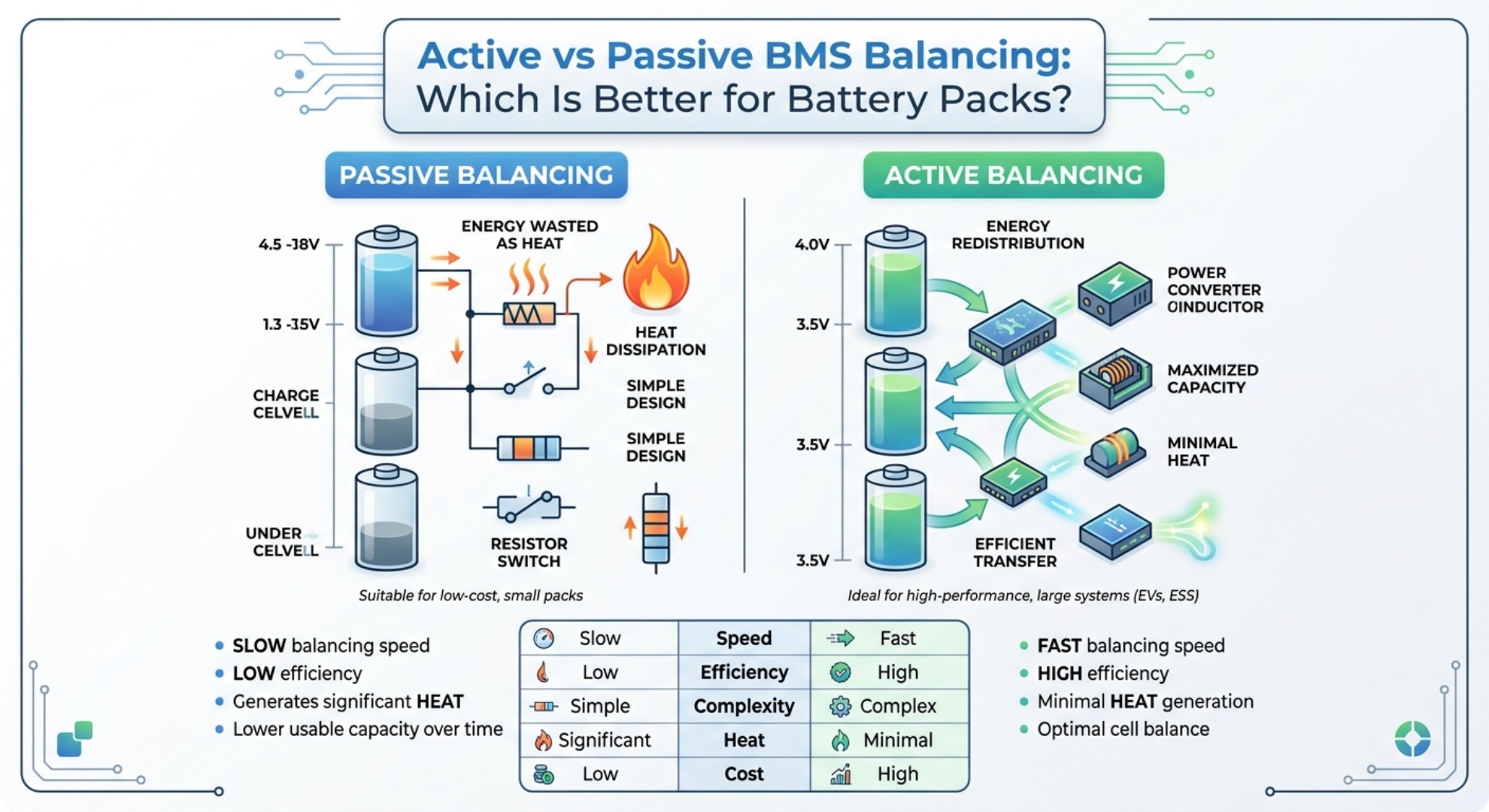
Unlike small consumer electronics, home power storage systems rely on a smart Battery Management System (BMS) to calculate battery percentage accurately. This system uses real-time data on voltage, current, and temperature to ensure your SOC reading is reliable—critical for making informed energy decisions. For a deeper dive into how battery capacity impacts SOC accuracy, visit our pillar page:How to Measure Battery Capacity.
Why You Must Know How to Find Battery Percentage

Knowing how to find battery percentage isn’t just a convenience—it’s a way to maximize the value of your home power storage battery and protect your investment. Here’s why it matters:
-
Plan energy use: Avoid running out of power during peak hours or unexpected outages by checking your battery percentage regularly.
-
Maximize solar savings: Store excess solar energy during the day and use it at night (when grid rates are higher), reducing your reliance on expensive utility power.
-
Protect battery health: Prevent deep discharge, which can shorten the lifespan of your lithium battery home storage by years.
-
Backup readiness: Check battery percentage before storms or power shutoffs to ensure you have enough stored energy for essentials like refrigeration, lighting, and Wi-Fi.
-
Track performance: Monitor how your battery storage for home is being used over time, identifying opportunities to optimize energy efficiency.
5 Simple Ways to Find Battery Percentage on Home Power Storage Battery
Checking your home power storage battery’s percentage is easy—no technical expertise required. Below are the most common, user-friendly methods, designed to work with our 51.2V 400Ah 20kWh home power storage battery and most mainstream systems:
1. Check the Built-in LCD Screen
Most modern home power storage battery units feature a clear LCD display on the front panel. This screen shows real-time battery percentage directly, along with other key data like voltage, current, and system status. It’s the fastest, most straightforward way to check your SOC during daily use—just glance at the panel, and you’ll have the information you need.
2. Use a Mobile App (Remote Monitoring)
Our 20kWh lithium battery home storage comes with a dedicated smartphone app, compatible with both iOS and Android. Connect your phone to the battery via Wi-Fi or Bluetooth to:
-
Check battery percentage anytime, anywhere—even when you’re away from home.
-
View charging and discharging history to track energy use patterns.
-
Receive low-battery alerts, so you never miss a chance to charge.
-
Monitor system safety status, including temperature and fault notifications.
3. LED Indicator Lights
For simpler battery storage for home systems, LED indicator lights provide a quick visual reference for battery percentage. The color-coded system is easy to understand:
-
Green: 70%–100% (battery is fully charged or in the ideal working range)
-
Yellow: 30%–70% (battery has moderate charge, no immediate need to charge)
-
Red: Below 30% (low battery—begin charging to avoid deep discharge)
4. Inverter or Home Energy System Display
If your home power storage battery is connected to a hybrid inverter or a home energy management system (EMS), the inverter’s main screen will display your battery percentage. Many systems also calculate and show estimated backup runtime based on your current home load—helping you plan for outages even more effectively.
5. Professional BMS Monitoring (for Advanced Users)
For installers or homeowners who want more detailed data, our home power storage battery supports RS485/CAN communication. This allows you to access precise BMS data, including exact battery percentage, individual cell voltage, and temperature—perfect for long-term maintenance and performance optimization. For more on how BMS works with battery capacity, refer to our pillar page: How to Measure Battery Capacity.
Tips to Keep Battery Percentage Readings Accurate
To ensure your battery percentage readings are reliable, follow these simple tips—they’ll also help extend the life of your lithium battery home storage:
-
Calibrate your SOC monthly: Fully charge the battery, then discharge it to 20% (no lower), and recharge to 100%. This helps the BMS adjust for accurate readings.
-
Maintain optimal temperature: Keep your home power storage battery in a well-ventilated area between 0°C and 45°C (32°F and 113°F) to avoid temperature-related inaccuracies.
-
Avoid frequent deep discharge: Try to keep your battery above 20% charge regularly—deep discharge can damage the battery and reduce its lifespan.
-
Update firmware: Regularly update your BMS and mobile app firmware to ensure the latest features and accuracy improvements.
-
Follow manufacturer guidelines: Refer to your battery’s user manual for specific recommendations tailored to your home power storage battery model.
Our New 51.2V 400Ah 20kWh Home Power Storage Battery

As a 10-year experienced battery manufacturer in Dongguan, China, we specialize in creating safe, durable, and high-performance lithium battery home storage solutions for American households. Our new 51.2V 400Ah 20kWh LiFePO4 home power storage battery is designed to make energy management simple—including easy battery percentage monitoring. Here’s what sets it apart:
-
Large 20kWh capacity: Powers your entire home during outages or peak hours, supporting essentials like HVAC, refrigeration, and electronics.
-
Stable 51.2V/48V system voltage: Compatible with mainstream inverters and solar systems, making installation seamless.
-
Long cycle life: 6000+ charge-discharge cycles, ensuring reliable performance for years.
-
Smart BMS: Provides accurate battery percentage readings and protects against overcharge, over-discharge, overcurrent, short circuits, and overheating.
-
IP65 protection: Suitable for indoor and sheltered outdoor installation, with resistance to dust and water.
-
Dual charging options: Supports both solar charging and grid charging, giving you flexibility in how you power your battery storage for home.
Real US Home Cases: How Knowing Battery Percentage Makes a Difference
Our home power storage battery is trusted by American families across the country. Below are two real cases that show how learning how to find battery percentage has transformed their energy use and peace of mind:
Case 1: California Family – Solar + Backup Power for PSPS

The Carter family in Los Angeles installed our 20kWh home power storage battery alongside their solar panel system. Like many Californians, they face frequent Public Safety Power Shutoffs (PSPS) during wildfire season—outages that used to ruin food, disrupt work-from-home schedules, and leave them in the dark.
Since installing our battery, the Carters check their battery percentage daily via the mobile app. They store excess solar energy during the day (when the sun is strongest) and use it during peak evening hours, cutting their monthly electricity bills by 35%. During PSPS, the battery automatically switches to backup power in milliseconds, and the app lets them monitor battery percentage to ensure they have enough energy to last until the grid is restored.
“Learning how to find battery percentage was a game-changer,” Mr. Carter said. “This home power storage battery gives us peace of mind during fire season—we never have to worry about unexpected outages ruining our day. It’s easy to check, reliable, and has saved us a lot of money on bills.”
Case 2: Texas Household – Storm Backup for Winter Weather
The Martinez family in Houston learned the hard way about the importance of reliable battery storage for home after winter storms caused multi-day blackouts a few years ago. They needed a system that could power their HVAC, fridge, well pump, and lighting during outages—so they chose our 51.2V 400Ah lithium battery home storage.
Now, before bad weather hits, the Martinezes check their battery percentage on the LCD display to ensure it’s fully charged. The 20kWh capacity keeps their essentials running for 12+ hours during outages, and the battery recharges quickly from solar or the grid once power is restored. The LiFePO4 chemistry performs reliably in Houston’s high humidity, and the family uses the app to monitor battery percentage and avoid unnecessary grid usage during peak rates—cutting their monthly bills by 30%.
“We used to panic before storms, wondering if we’d have enough power,” Mrs. Martinez said. “Now, we just check the battery percentage, and we know we’re covered. This home power storage battery has protected our family when we needed it most, and it’s so easy to use.”
How This Subpage Supports Our Pillar Page
As a subpage to our pillar page, How to Measure Battery Capacity, this article fills a critical gap in our content cluster for home power storage battery topics. While the pillar page covers the “big picture” of battery capacity—including how to test it, calibrate it, and maintain it over time—this subpage focuses on the daily, practical question of how to find battery percentage.
Conclusion
Learning how to find battery percentage is the first step to taking control of your home’s energy. With simple methods like checking the LCD display, using a mobile app, or referencing LED lights, you can easily monitor your home power storage battery’s SOC—and make smarter decisions about energy use, backup readiness, and cost savings.
As a 10-year professional battery factory in Dongguan, China, we’re committed to providing American households with high-quality, easy-to-use lithium battery home storage solutions. Our 51.2V 400Ah 20kWh home power storage battery is built for reliability, safety, and convenience—with clear battery percentage monitoring that puts you in charge.
For more information on battery capacity testing (the foundation of accurate SOC readings), visit our pillar page: How to Measure Battery Capacity. If you’re ready to invest in a reliable battery storage for home that makes monitoring easy, contact us today to learn more about our 20kWh home power storage battery.

How to Calculate Solar Battery Amp Hours
how to measure battery capacity