


Solar Battery Cost : Complete Home Energy Storage Price Guide
Solar Battery Cost 2026: Complete Home Energy Storage Price Guide

Table of Contents
The average installed solar battery system costs between $9,000 and $18,000 for a standard residential capacity of 10 kWh to 13.5 kWh. On a unit-capacity basis, home energy storage averages $800 to $1,200 per usable kilowatt-hour (kWh) prior to tax credits and financial incentives.
Pairing clean power generation with dedicated residential battery storage protects your home during grid disruptions while maximizing utility bill savings. Understanding how hardware quality, labor complexity, and system design shape overall pricing enables you to determine whether adding storage to your solar setup makes financial sense.
1. Residential Solar Battery System Full Cost Breakdown
Total equipment expenses scale directly with storage capacity. Smaller battery units intended for essential circuit protection carry lower price tags, while whole-home battery banks designed for multiday off-grid resilience require higher investments.

| Usable Storage Capacity | Typical Hardware Cost | Average Installed Cost | Estimated Net Cost (30% Federal Credit) |
|---|---|---|---|
| 5 kWh (Essential Circuits) | $4,000 – $6,000 | $6,500 – $9,000 | $4,550 – $6,300 |
| 10 kWh (Partial Home Backup) | $7,500 – $11,000 | $11,000 – $15,000 | $7,700 – $10,500 |
| 13.5 kWh (Whole Home Backup) | $9,500 – $13,500 | $13,500 – $18,000 | $9,450 – $12,600 |
| 20+ kWh (Extended Off-Grid) | $14,000 – $20,000 | $19,000 – $26,000 | $13,300 – $18,200 |
Total outlay depends significantly on regional electrician rates, permit fees, and whether you are adding storage to an existing PV installation or purchasing a combined solar-plus-storage package.
2. Key Factors That Impact Home Solar Storage Prices
Component pricing represents only a portion of your total outlay. Several core technical variables influence final system quotes.
2.1 Battery Chemistry & Thermal Stability Cost Differences
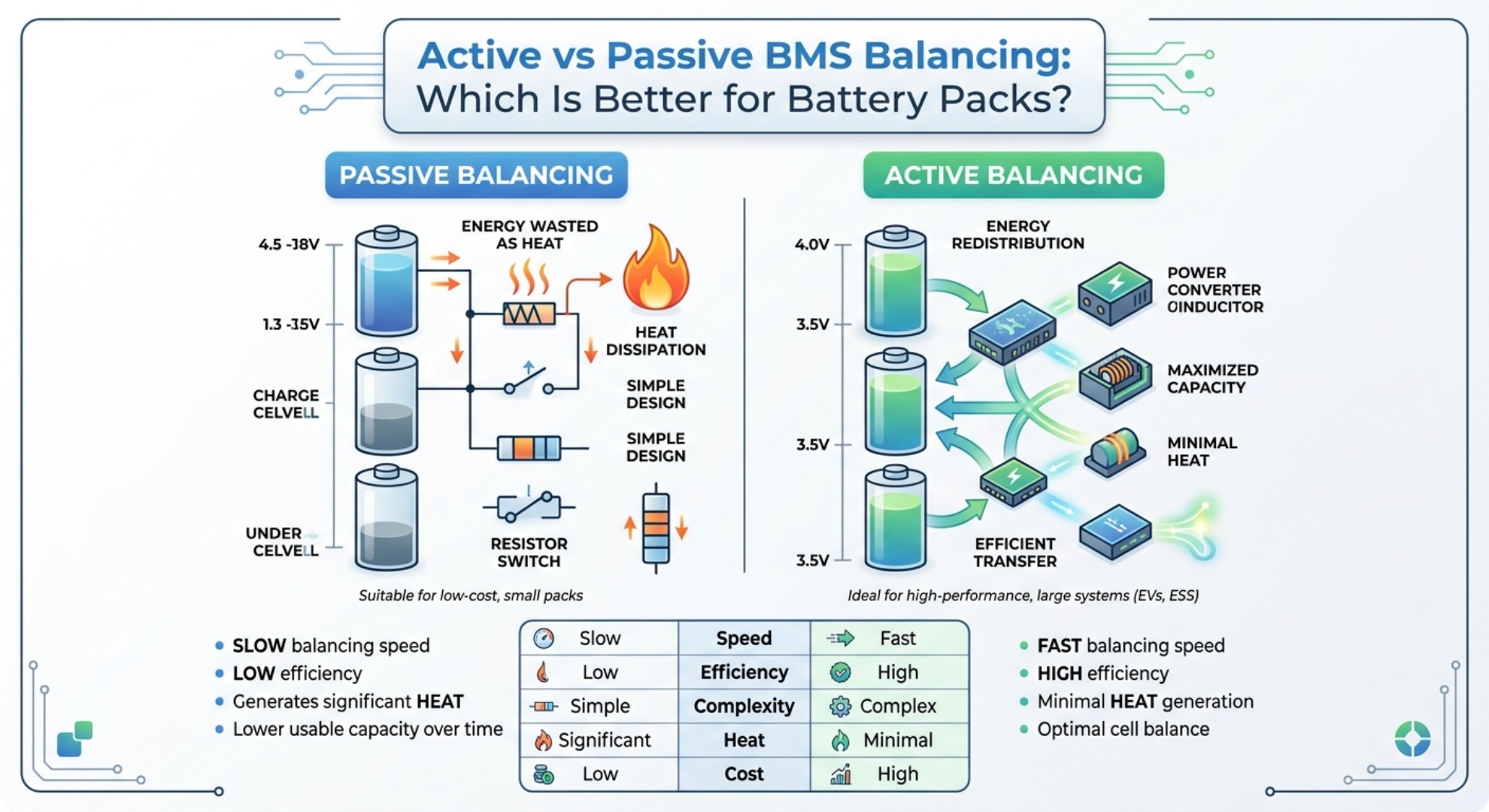
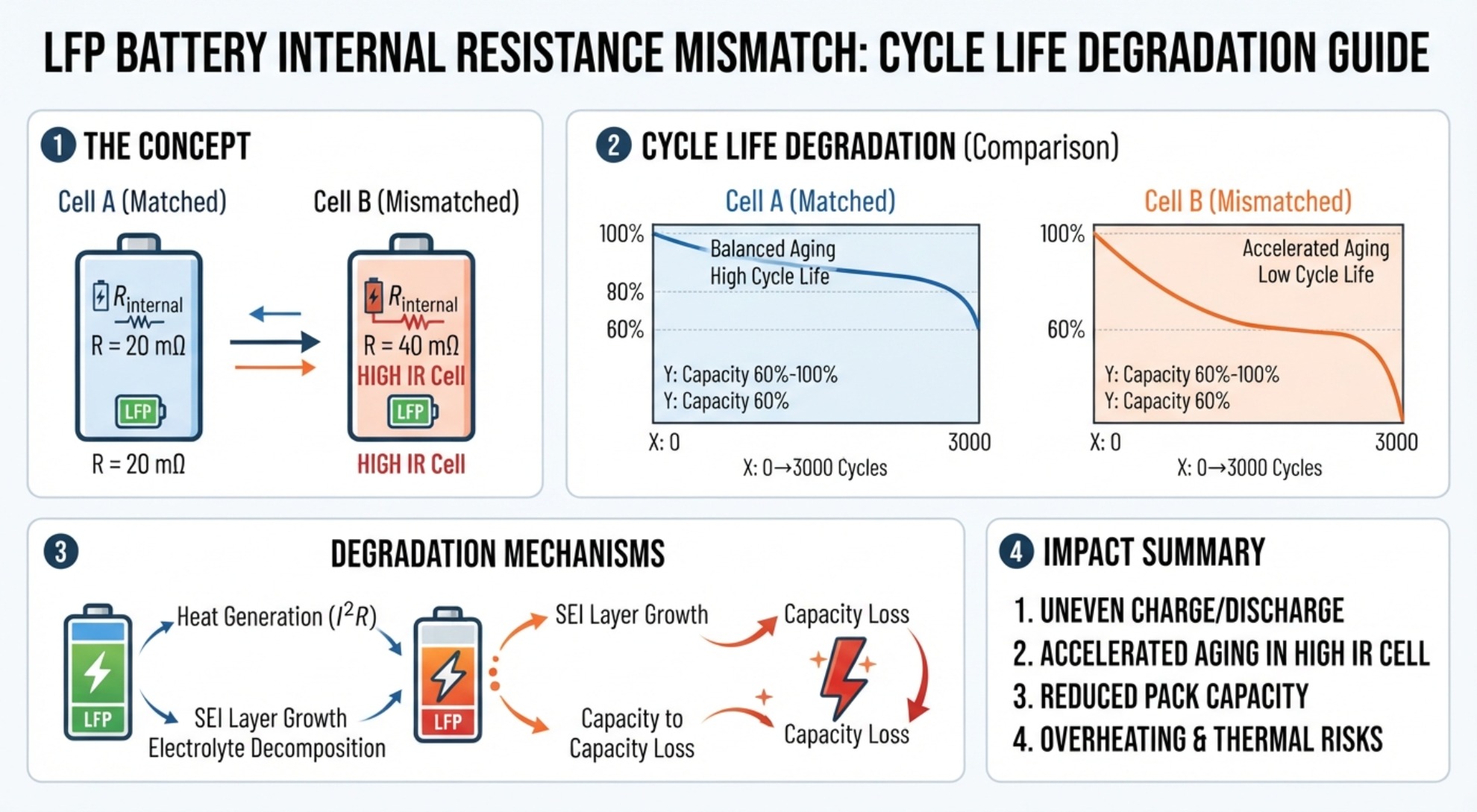
Modern energy storage relies heavily on Lithium Iron Phosphate (LFP) and Nickel Manganese Cobalt (NMC) chemistries. LFP technology has emerged as the residential market standard due to its superior thermal stability, safer operating parameters, and long cycle life (often exceeding 4,000 to 6,000 complete charge cycles). While older lead-acid technology costs less initially, its shorter operating lifespan and shallow discharge limits make it substantially more expensive over long-term use.

2.2 Usable Capacity & Continuous Power Output Pricing
Total battery size is measured in kilowatt-hours, but usable battery capacity dictates the exact volume of electricity your home can draw without harming battery health. Premier storage systems maintain an 80% to 100% Depth of Discharge (DoD), ensuring efficient access to stored power. Homeowners must also evaluate continuous power rating and peak surge capacity, as starting power-heavy appliances like central air conditioning units demands high instantaneous output.
2.3 Installation Complexity: AC-Coupled vs DC-Coupled Systems
Adding a battery to a pre-existing solar panel array typically increases labor charges by 10% to 20% compared to installing panels and batteries concurrently. Your selection between an AC-coupled battery and a DC-coupled solar system also impacts equipment needs:
- DC-coupled systems route energy through a single hybrid inverter, delivering higher round-trip efficiency for brand-new solar systems.
- AC-coupled systems integrate internal micro-inverters or secondary storage inverters, making retrofits simpler and less disruptive.
If your home electrical service panel requires a 200-amp service upgrade to handle the additional load, expect electrician fees and local building permit costs to add $1,500 to $3,500 to total expenditure.
3. Solar Battery Cost vs ROI & Payback Timeline Analysis
Determining long-term financial return depends heavily on local utility rate structures and regional energy policy.
In regions with time-of-use (TOU) electricity pricing, power companies charge premium rates during peak evening hours. Storing excess power generated during off-peak daylight hours and discharging it during peak rate windows reduces utility bills. Additionally, as utilities nationwide move away from traditional 1:1 net energy metering, storing self-generated solar power becomes far more economic than selling electricity back to the grid at reduced wholesale rates.
To review detailed technical data regarding storage system economics and grid integration standards, explore research published by the National Renewable Energy Laboratory (NREL).
4. Federal Tax Credits & Local Energy Storage Incentives

Government policies and utility programs lower the effective net cost of residential energy storage systems.
The federal Investment Tax Credit allows qualifying homeowners to deduct 30% of the total installation cost from their federal tax liability. Stand-alone energy storage units featuring a capacity of 3 kWh or greater qualify for this tax credit, even when installed without accompanying solar panels.
State-level rebates, local utility incentives, and virtual power plant (VPP) performance payments reduce net system expenses even further. Homeowners can verify available local incentives through the Database of State Incentives for Renewables & Efficiency (DSIRE).
Matching your household's daily electricity usage against essential backup needs ensures you select a system sized accurately for your budget. Combining federal tax incentives with peak-shaving energy savings typically allows homeowners to reach full financial payback within 7 to 11 years.
How Lithium Battery Communication Protocols Work
How Long Do Residential Solar Storage Batteries Last