


Why Iron Phosphate Wins in 2026
LFP vs Next-Gen: Why Iron Phosphate Wins the Industrial Gold Standard in 2026

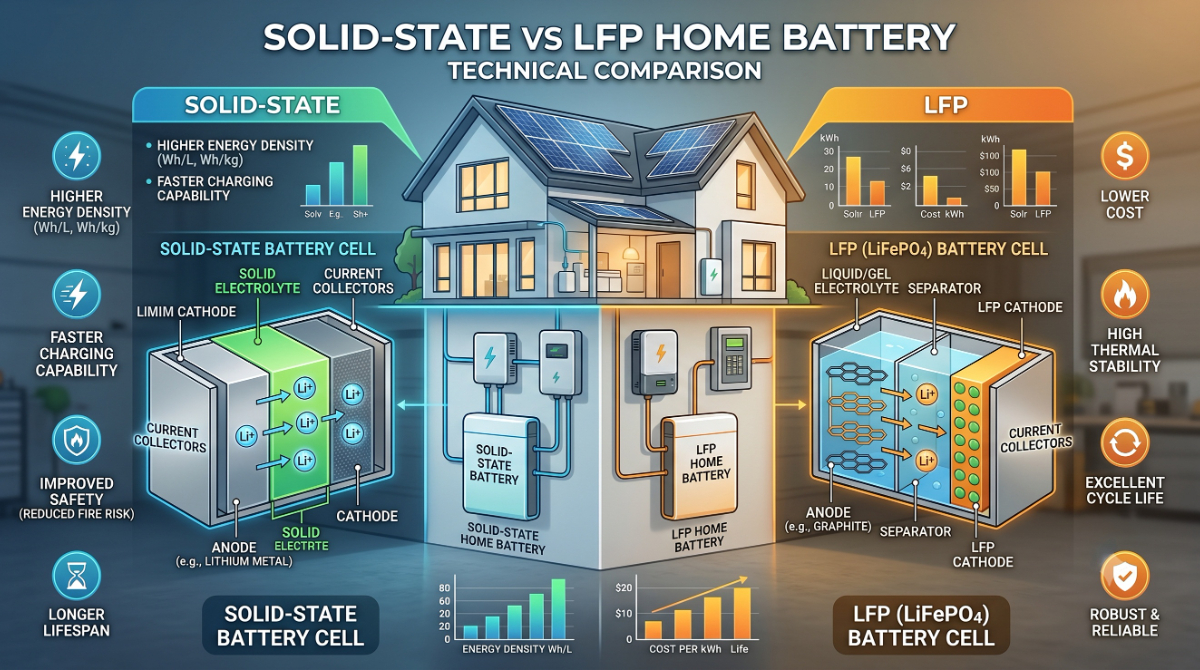
As the global energy storage market shifts from early-stage adoption to mission-critical infrastructure, the "battle of chemistries" has reached a definitive conclusion. While Solid-State and Sodium-Ion batteries dominate scientific journals, Lithium Iron Phosphate (LFP) has emerged as the only chemistry capable of delivering the reliability, safety, and economic performance required for true home energy sovereignty.
1. The Electrification of the Home: A New Capacity Reality
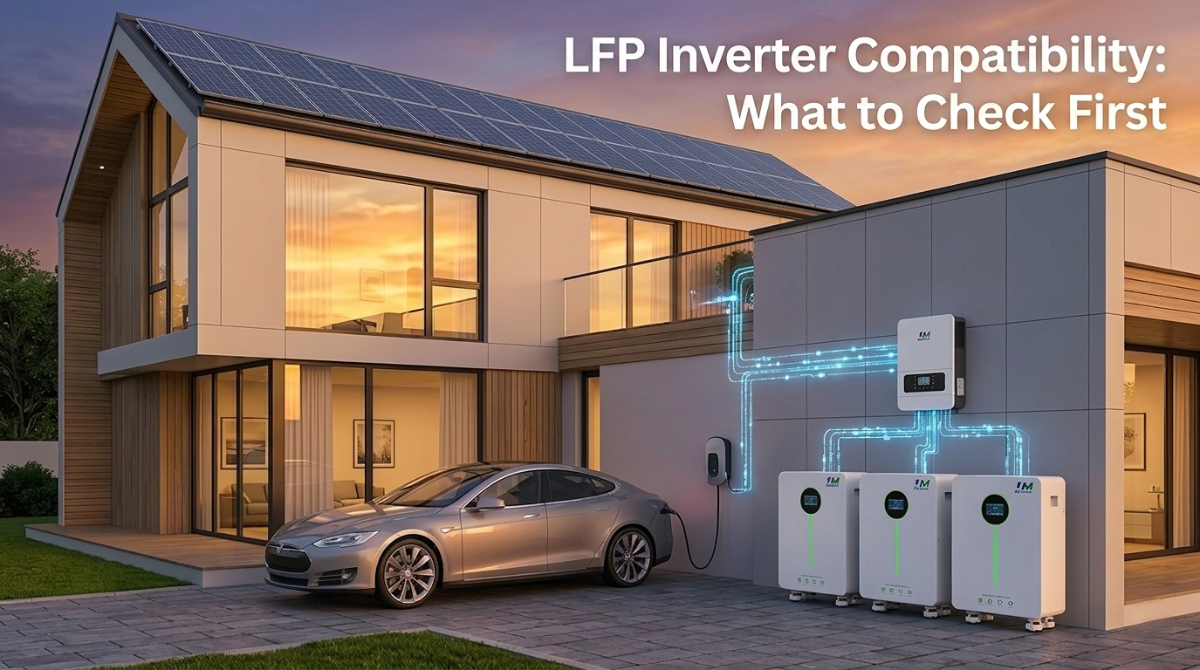
By 2026, the average residential energy profile has fundamentally changed. The integration of Level 2 EV charging, high-efficiency heat pumps (HVAC), and induction-based cooking has increased peak household loads by 150-200%. In this context, a home battery is no longer a "backup toy"; it is a high-performance energy engine.
While next-gen chemistries like Sodium-Ion offer a lower entry price, they often fail in the face of these heavy residential loads. LFP’s inherent power density and C-rate stability make it the only logical choice for the modern, all-electric home infrastructure.

| Metric | LFP (LiFePO4) | Sodium-Ion (Na-Ion) | Solid-State (Gen 1) |
|---|---|---|---|
| Cycle Life (80% DoD) | 8,000+ Cycles | 3,000 – 4,500 | 5,000 – 6,000 |
| Thermal Runaway Temp | >270°C SAFE | ~200°C | >300°C |
| Surge Power (LRA Support) | High / Industrial | Low (Voltage Sag) | Moderate |
| Cost per kWh/Cycle | $0.04 - $0.06 OPTIMIZED | $0.08 - $0.10 | $0.25+ |
| Maturity (2026) | Mass Production | Early Pilot | Luxury/Lab |
2. Deep Dive: The 8,000-Cycle Logic
Longevity in 2026 is measured in decades, not years. Some manufacturers continue to market 10,000+ cycle claims based on 0.1C laboratory conditions. At JM Energy Tech, we advocate for “8,000 cycles at 80% Depth of Discharge” as the "Industrial Gold Standard."
This benchmark ensures a more than 10 years lifespan—perfectly aligning with the ROI cycle of modern solar arrays. Choosing a Sodium-Ion system with only 3,500 cycles effectively means you are purchasing a system that will require a complete (and expensive) overhaul in less than 10 years, destroying the financial gains of your solar investment.
Technical Note: Cell Mismatch Prevention
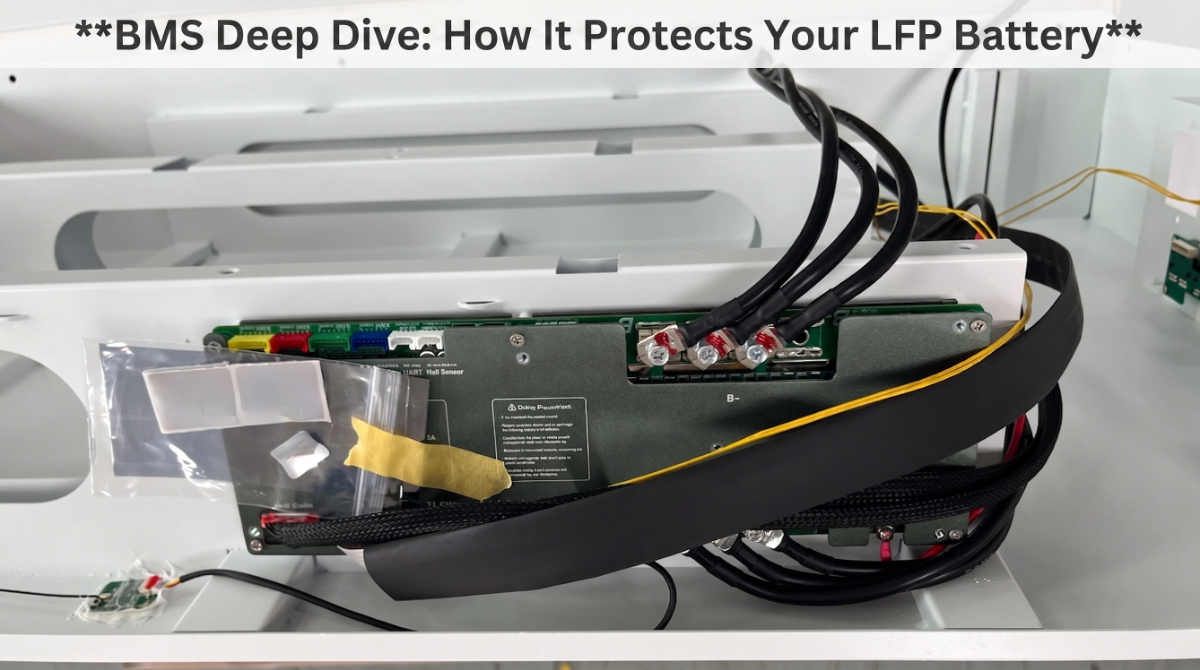
A battery system is only as strong as its weakest cell. In 2026, LFP’s mature manufacturing process allows for Grade A cell consistency (matched voltage and internal resistance). This prevents the "Weak Link Syndrome" found in emerging chemistries like Sodium-Ion, where inconsistent cell aging often leads to premature module failure.
3. Conquering Inrush Current: The LRA Support Trend
The biggest technical challenge of 2026 is starting 5-ton HVAC units during a grid failure. This requires overcoming Locked Rotor Amps (LRA)—an instantaneous surge of current that can be 6x the running load.
LFP’s cathode morphology (Olivine structure) allows for rapid lithium-ion mobility without structural degradation. This translates into superior high-discharge performance. Next-gen chemistries often suffer from severe "Voltage Sag" during these surges, causing sensitive home electronics to reboot or the inverter to trip under safety protocols.
4. The Post-NEM 3.0 Economic Model
The global shift toward "Net Billing" (like California's NEM 3.0) has made utility arbitrage the primary driver of ROI. In 2026, the grid is no longer a financial reservoir; it is a cost to be managed.
5. Environmental Integrity: The Ethical Choice

In 2026, the "Green" label is no longer sufficient. Consumers demand ethical supply chains. Unlike NCM (Nickel Cobalt Manganese) batteries, LFP is free of conflict minerals like Cobalt and expensive heavy metals like Nickel.
The iron and phosphate used in LFP are globally abundant and non-toxic. Furthermore, LFP cells have the highest success rate in "Second Life" applications—meaning after 20 years in your home, they can be repurposed for grid-scale stabilization, making them the most sustainable battery choice on the market.
Ready for Energy Sovereignty?
Don't gamble your energy future on laboratory hype. Invest in the industrial-grade performance and verified safety of JM Energy Tech’s LFP solutions.
Explore Our 20kWh (400Ah) SolutionsLFP Thermal Safety and Home Battery Fire Prevention