


48V 230Ah: Perfect Capacity for Average Home?
48V 230Ah: Perfect Capacity for Average Home?

On this page
- 🔋 What does 48V 230Ah actually mean?
- 🏠 How much electricity does an average home use?
- 🤔 Is 12kWh enough for daily backup or solar self-consumption?
- 📦 Can you add more later? Parallel & stack options
- 💰 ROI: Does 12kWh pay for itself?
- ✅ Who is 48V 230Ah perfect for?
- ⚖️ 12kWh vs 5kWh vs 20kWh – which one fits you?
- 📖 Real homeowner: Sarah's 12kWh experience
- 📌 Bottom line + checklist
You're shopping for a home battery. You see "48V 230Ah" and "12kWh". But does that number actually mean anything for your house? Will it run your fridge overnight? Cover your solar panels' excess? Or will you be staring at a dead battery at 2 AM?
Let's cut through the marketing. I'm going to tell you exactly what a 12kWh LFP battery can and cannot do for a typical home – no BS, just real-world math.
🔋 What does 48V 230Ah actually mean?
Simple electricity math: Volts × Amp-hours = Watt-hours. So 48V × 230Ah = 11,040 Wh, or about 11 kWh usable. In the real world, we call it 12kWh (manufacturers round up a bit).
That's the total energy stored. But because LFP is safe to deep discharge, you can use 90-95% of that without damaging the battery. So usable energy is roughly 10.5–11.4 kWh. Compare that to lead-acid where you only get 50% – huge difference.
In plain English: a 48V 230Ah LFP battery gives you enough juice to run an average American home for about 8–12 hours with normal usage (no AC or electric furnace). Let's get into the details.

🏠 How much electricity does an average home use?
According to 2025 U.S. Energy Information Administration data, the average American home uses about 29–30 kWh per day. But that's an average – some use way more (electric heat, AC, EV charging), some use less (gas appliances, small family).
Here's a more useful breakdown: a typical 3-bedroom house without EV or electric heating uses around 1–1.2 kWh per hour during non-peak times. Fridge: ~0.1 kWh/h. Lights, TV, laptop: 0.2 kWh/h. Microwave, coffee maker: short spikes. So your baseline draw is often 300–500 watts.
That means a 12kWh battery can carry that baseline load for 20–24 hours – way more than the 8–12 I mentioned. But real life includes peaks: when you run the dishwasher, dryer, or AC, you burn through faster.
🤔 Is 12kWh enough for daily backup or solar self-consumption?
The answer depends on what you want:
- Grid-tied solar self-consumption: Yes, 12kWh can cover most of your evening/night usage after the sun goes down, especially if you have 5–8 kW of solar. You'll store excess daytime solar and use it at night.
- Backup for outages: For short outages (under 12 hours), yes. For multi-day outages, you'll need to ration or add more capacity. But paired with solar, you can recharge during the day.
- Off-grid living: 12kWh is on the small side unless you have a very efficient home. Most off-grid homes go with 20–30 kWh.
Backup hours: real numbers
📦 Can you add more later? Parallel & stack options
Yes! That's the beauty of modular LFP batteries. Most 48V 230Ah units (including our JM-W 12kWh) can be paralleled up to 15 or more units. So you can start with 12kWh, and if your needs grow (you buy an EV, add a heat pump), just stack another battery next to it. The BMS handles balancing automatically if they're the same voltage and chemistry.
Just make sure your inverter supports the total parallel capacity. A typical 5kW inverter can easily handle 2–4 batteries (24–48kWh).
💰 ROI: Does 12kWh pay for itself?
Let's talk money. Time-of-use (TOU) electricity rates – you charge the battery at cheap night rates or with solar, and discharge during peak expensive hours. In California, peak rates can hit $0.50–0.60/kWh, off-peak $0.25. You save about $0.25/kWh shifted.
12kWh battery, daily cycle: 10 kWh shifted (some loss). $2.50 saved per day. $912 per year. With a good LFP battery costing around $3,500–4,500, payback is 4–5 years. And LFP lasts 10+ years. After that, pure profit.
If you have solar and net metering isn't great, self-consumption gives similar savings. So yeah, 12kWh is often the "sweet spot" for cost vs benefit.

✅ Who is 48V 230Ah perfect for?
- 🏡 Typical 3-4 bedroom home with gas or efficient electric appliances (no central AC running all day).
- ☀️ Homeowners with 5-8 kW solar who want to store excess and use it at night.
- ⚡ Anyone in a TOU rate area – shift cheap power to expensive hours.
- 🕯️ People who want 12-24 hours of backup for essential loads (fridge, lights, internet).
- 📦 Future expanders – start with 12kWh, add more later.
It's not ideal for: large homes with electric heat/AC running 24/7, off-grid full-timers, or anyone who wants to run a whole-house AC for hours during an outage (you'll need 2-3 batteries).
⚖️ 12kWh vs 5kWh vs 20kWh – which one fits you?
| Capacity | Best for | Backup time (350W load) | Typical cost (USD) |
|---|---|---|---|
| 5 kWh (48V 100Ah) | Small condo, apartment, essential loads only | ~14 hours | $1,800–2,500 |
| 12 kWh (48V 230Ah) | Average home, solar self-consumption, short outages | ~31 hours | $3,500–4,500 |
| 20 kWh (48V 400Ah) | Large home, electric heat/AC, off-grid, long outages | ~52 hours | $6,000–8,000 |
📖 Real homeowner: Sarah's 12kWh experience
Sarah in Texas installed a 12kWh LFP battery with her 7 kW solar. She has a 2,000 sq ft home, gas furnace, but central AC. During summer, she uses about 35 kWh/day. Her battery covers her from 4 PM to 10 PM peak rates, then recharges overnight on cheap grid power. She estimates she saves $1,100/year on her electric bill. When a winter storm knocked out power for 18 hours, the battery ran her fridge, lights, TV, and gas furnace fan – no problem. She recently added a second 12kWh battery to handle longer summer nights. "I should have started with two," she says, "but starting with one was affordable and gave me instant benefits."

📌 Bottom line + checklist
Is 48V 230Ah (12kWh) perfect for the average home? For most 3–4 bedroom houses with reasonable efficiency, yes. It's the goldilocks capacity: not too small to be useless, not too big to break the bank. It handles daily solar self-consumption, short outages, and peak rate shaving. And you can always add another later.
Here's your quick checklist before buying:
- ✅ Calculate your daily usage (check your electric bill). If under 30 kWh/day, 12kWh is a great start.
- ✅ Identify your must-run loads during outage (fridge, internet, lights, maybe a well pump).
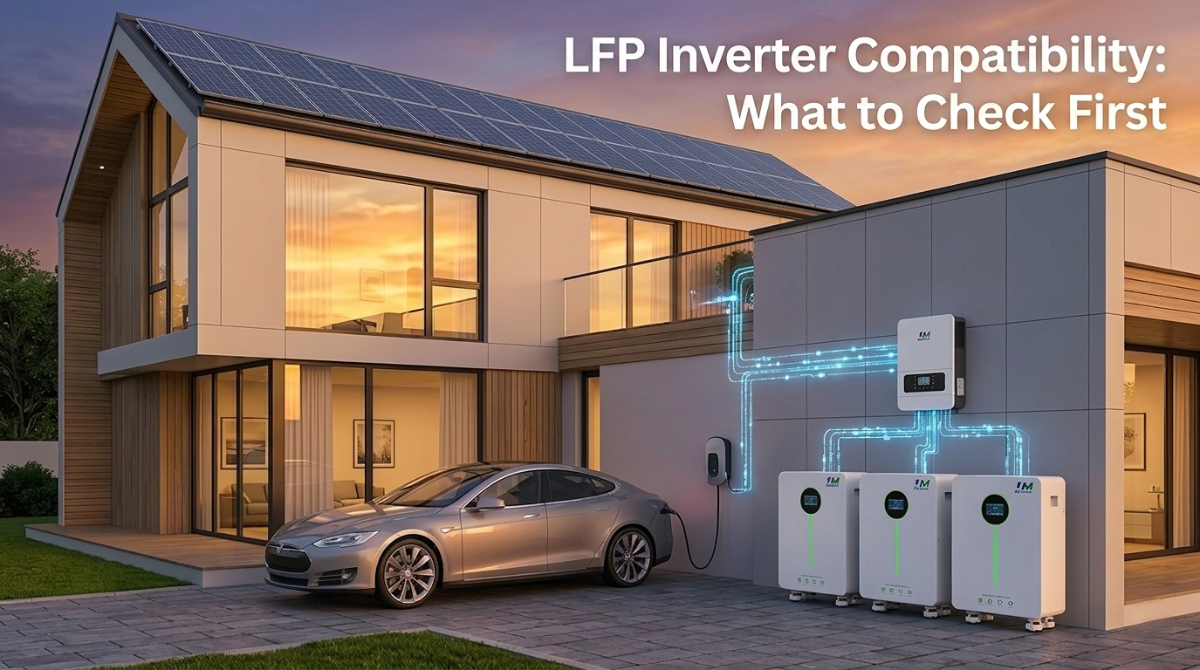
- ✅ Check inverter compatibility – 48V LFP works with most modern hybrid inverters (see our compatibility guide).
- ✅ Think about expandability – choose a battery that can parallel easily.
If you're still unsure, start with a 12kWh system. You'll almost certainly find it's enough – and if you outgrow it, you can stack another. That's the beauty of modular LFP.
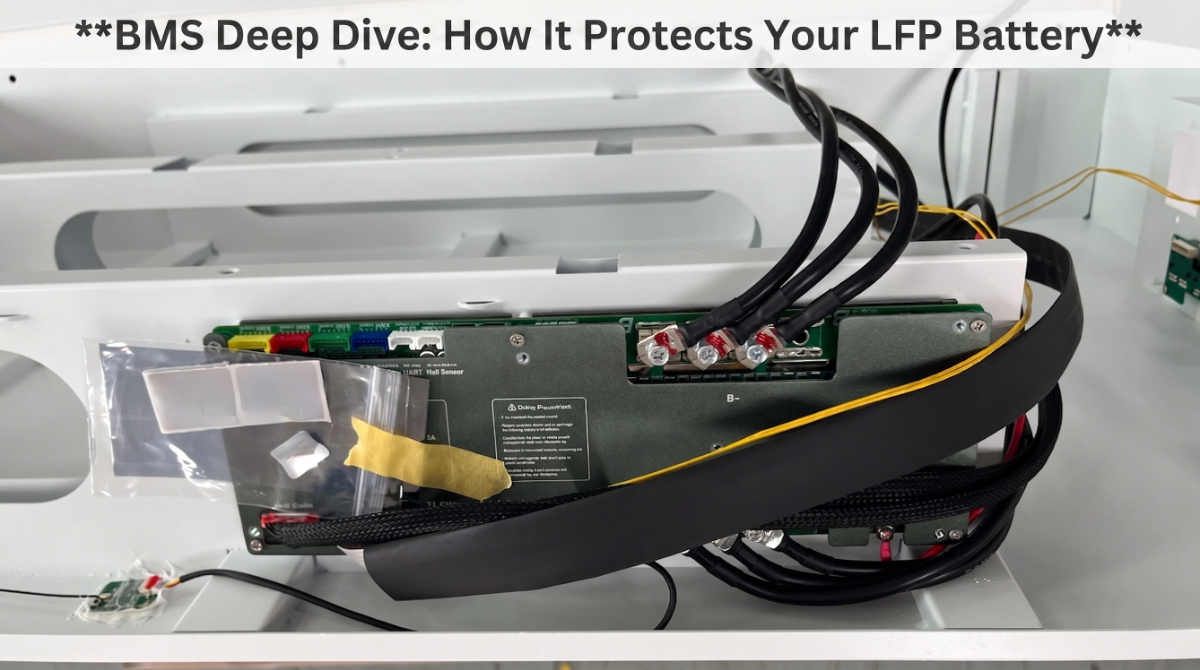
BMS Deep Dive: How It Protects Your LFP Battery
LFP Inverter Compatibility:What to Check First