


LFP Inverter Compatibility:What to Check First
LFP Inverter Compatibility: What to Check First

On this page
- 🤔 Why compatibility is the first thing to check
- ⚡ Voltage: The dealbreaker
- 🔌 BMS communication – the silent killer
- 📊 Charge profile: LFP needs special treatment
- 🏷️ Stick with the same brand? Not always
- ✅ Your pre-purchase compatibility checklist
- 📖 Real homeowner story: What happens when it doesn't match
- 📌 Bottom line + extra tips
You've decided to get an LFP battery for your home. Great choice – safest chemistry, long life, no thermal runaway drama. But here's the thing most battery sellers won't tell you: not every inverter plays nice with LFP. I've seen people drop thousands on a battery only to find out their existing inverter won't even turn it on.
This guide is the checklist I wish I had. No engineer-speak, just the real deal on what to check before you buy.
🤔 Why compatibility is the first thing to check
Inverters are the brains of your home solar+storage system. They take DC power from your battery and turn it into AC for your house. But here's the catch: different battery chemistries have different voltage ranges, charge curves, and communication protocols.
LFP is not lead-acid. It's not NMC. If your inverter was designed for generic lithium or old AGM batteries, it might not have the right settings for LFP. And without the right settings, you'll get:
- ❌ Battery not charging fully
- ❌ BMS shutting down randomly
- ❌ Shorter battery life
- ❌ Inverter error codes every week
So let's fix that before you spend a dime.
⚡ Voltage: The dealbreaker
This is the #1 thing people mess up. LFP batteries come in two main voltage families: low-voltage (12V, 24V, 48V) and high-voltage (100V–500V). Your inverter must support the exact voltage of your battery.
For home storage in 2026, 48V is the most common sweet spot. Most hybrid inverters from brands like Sol-Ark, Growatt, Victron, and Deye have native 48V LFP support. But double-check the voltage range, not just the nominal voltage.
Low-voltage vs high-voltage LFP – which one for you?

Low-voltage (48V): Cheaper, easier to DIY, tons of compatible inverters. Perfect for most homes under 15 kW of battery.
High-voltage (200V+): More efficient for large systems (20+ kWh), but fewer inverters support it. Usually proprietary (Tesla Powerwall, Huawei Luna).
🔌 BMS communication – the silent killer
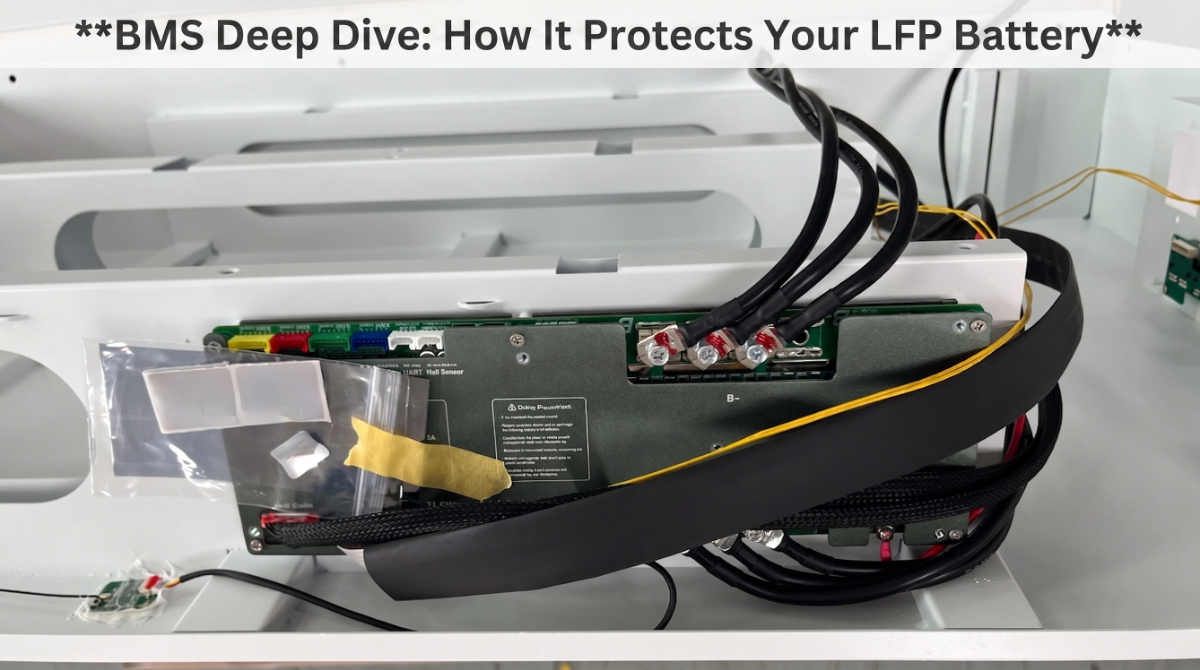
Every LFP battery has a Battery Management System (BMS). It protects the cells from overcharge, over-discharge, and temperature issues. The BMS can talk to the inverter via CAN bus or RS485 – if they speak the same language.
Some inverters only talk to specific battery brands. Others have an "open" protocol like Pylontech CAN. If your inverter and battery BMS can't communicate, the inverter will run in "voltage mode" – guessing when to stop charging. That's risky and will shorten your battery life.
So before you buy, ask the battery seller: "Does this battery support CAN or RS485 communication with [your inverter brand]?" If they say "no" or "maybe", walk away or get a different inverter.
📊 Charge profile: LFP needs special treatment
Lead-acid batteries like a three-stage charge (bulk, absorption, float). LFP doesn't need float – in fact, constant float can degrade it. LFP wants a constant current / constant voltage (CC/CV) profile with a lower absorption voltage (typically 56.8V for a 48V system) and no float, or a very low float.
Many older inverters have fixed profiles for lead-acid or generic lithium. You need an inverter that lets you customize charge voltages and disable float. Check the manual for "battery type: user defined" or "LFP mode".
🏷️ Stick with the same brand? Not always
Big battery brands love to sell you their own inverter or a pre-approved partner. That's the easiest path – guaranteed compatibility. But you can mix and match if you know what you're doing. For example, many Victron inverters work beautifully with generic 48V LFP batteries as long as you set the voltage parameters manually.
If you're not a tinkerer, just buy a pre-tested kit from a reputable seller. It'll save you weeks of forum scrolling.
✅ Your pre-purchase compatibility checklist
- 🔘 Voltage match: Inverter input range covers your LFP battery's full voltage range (e.g., 40V–60V for 48V).
- 🔘 Communication protocol: Both support CAN or RS485 and have matching pinouts / software.
- 🔘 Charge voltage settings: Inverter allows custom absorption voltage (≤56.8V for 48V LFP) and adjustable/disabled float.
- 🔘 Max charge/discharge current: Inverter's current rating should be ≤ battery's recommended C-rate (e.g., 0.5C for longevity).
- 🔘 BMS pre-charge: Some inverters need a pre-charge circuit to avoid spark. Check if your battery has internal pre-charge or you need an external one.
📖 Real homeowner story: What happens when it doesn't match
A buddy of mine bought a 48V 10 kWh LFP battery from an online wholesaler. He had a good brand inverter – but it was an older model with fixed lead-acid profiles. He wired it up, set it to "lithium" mode, and it kinda worked. But the inverter kept stopping at 54V, leaving 20% of his battery unused. He couldn't get BMS comms to work. After two months of frustration, he sold the inverter and bought a new one with LFP presets. Don't be my buddy.

📌 Bottom line + extra tips
LFP is the best home battery chemistry in 2026, but it's not plug-and-play with every inverter. Spend an hour checking these four things: voltage, BMS comms, charge profile, and current limits. If it all matches, you're golden. If not, either change the battery or change the inverter – it's cheaper than replacing a fried BMS.
One last thing: if you're buying a new inverter anyway, just get one with a "LFP" or "LiFePO4" preset. It's a huge time-saver. Brands like Victron, Sol-Ark, EG4, and Growatt have solid LFP support.
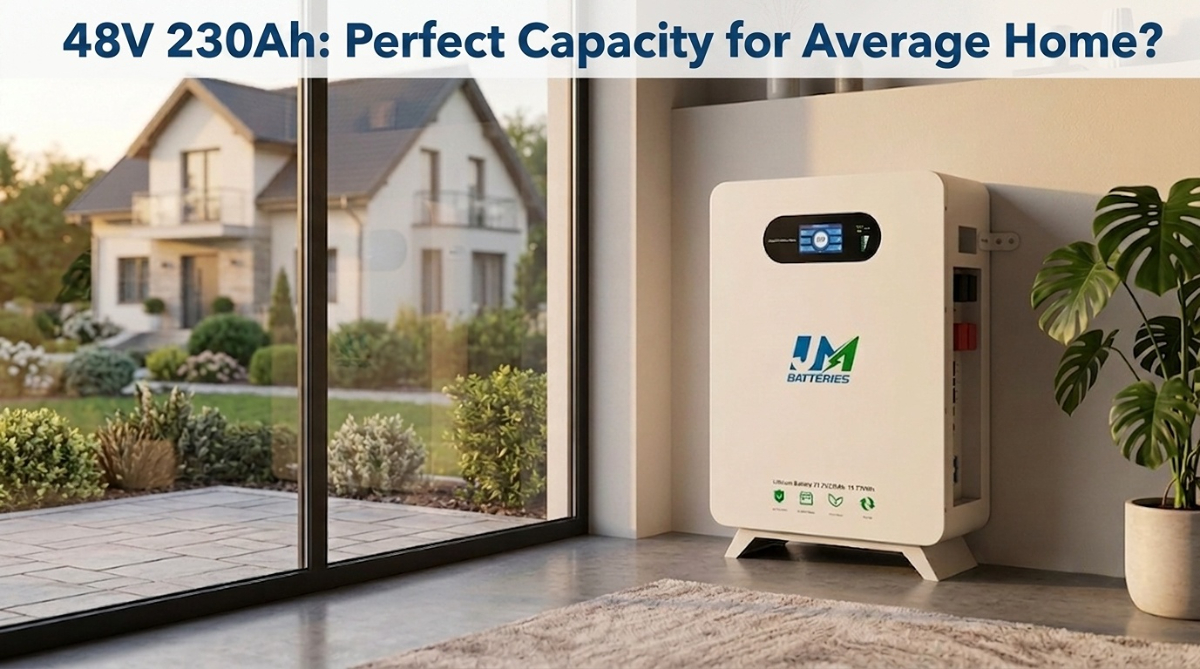
48V 230Ah: Perfect Capacity for Average Home?
How LFP Affects 2026 Home Battery Placement and Fire Codes