


How Long to Charge a LiFePO4 Solar Battery for Lithium Ion Battery
How Long to Charge a LiFePO4 Solar Battery for Lithium Ion Battery

When upgrading to a robust renewable energy system, one of the most critical questions homeowners and solar installers ask is exactly how long to charge a lifepo4 solar battery. Whether you are aiming for complete off-grid independence or just want reliable daily backup power, understanding the charging speed of your lithium ion Battery is essential for managing your household energy consumption efficiently.
Unlike outdated lead-acid technologies that require slow, agonizing trickle charges to prevent overheating and sulfation, modern LiFePO4 (Lithium Iron Phosphate) chemistry is engineered for rapid, high-current charging. This means you can capture more of the midday sun in a much shorter window.
As a premier lithium-ion and sodium-ion battery factory based in Dongguan, China, with over 10 years of intensive R&D and manufacturing experience, JMEnergyTech has mastered this charging science. In this comprehensive guide, we will break down the math behind battery charging times, explore the charging stages, and introduce our newly developed 51.2V 300Ah 15KWH storage Home Energy Battery. We will also share real-world case studies from American households to show you exactly how these batteries perform in the field.
Why LiFePO4 Charges Faster Than Lead-Acid
If you have ever used traditional AGM or Gel lead-acid batteries, you know that charging them from 0% to 100% can easily take 10 to 12 hours. This is because lead-acid batteries have high internal resistance. If you push too much current into them too fast, they overheat and boil off their electrolyte.
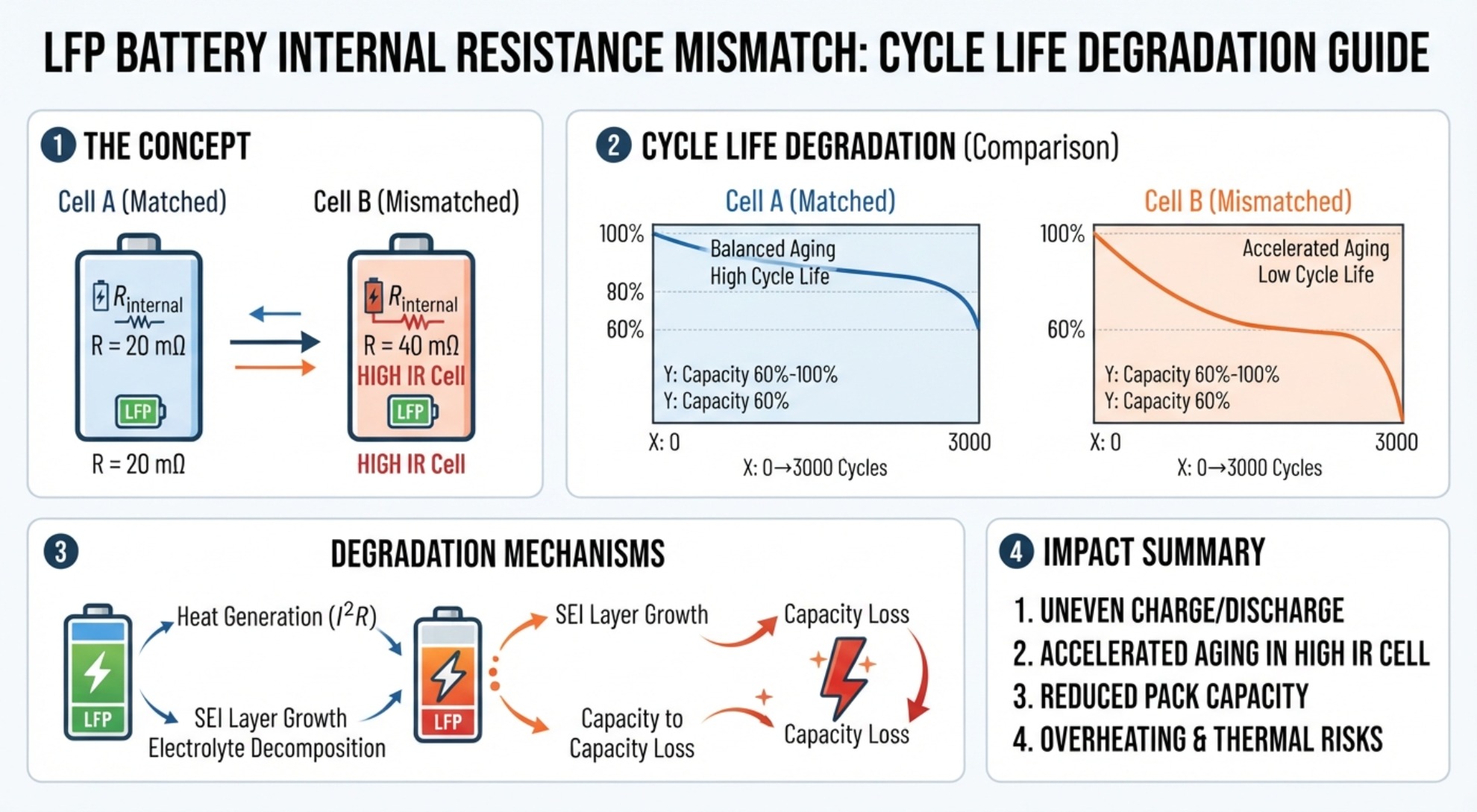
In stark contrast, a premium lithium ion Battery (specifically LiFePO4) has exceptionally low internal resistance. It can accept a massive amount of charge current (often up to 0.5C or 1C, meaning 50% to 100% of its total capacity in amps) right up until it reaches about 95% full. This nearly flat acceptance rate allows a lithium battery to charge 3 to 4 times faster than its lead-acid counterpart.
The Math: Charging Calculation & Time Chart
Calculating how long to charge a lifepo4 solar battery is relatively straightforward if you know two key numbers: the total capacity of your battery (measured in Amp-hours or Ah) and the output current of your charge controller or inverter (measured in Amps or A).
The Basic Charging Formula
Charging Time (Hours) = Battery Capacity (Ah) ÷ Charge Current (A)
Note: Because of minor heat and chemical resistance during energy transfer, we typically add about 10% to 15% to this time to account for efficiency loss.
To make this easier to understand, let's look at the charging times for a massive 300Ah (15kWh) battery pack under different solar charge controller outputs:
| Charge Controller Output | Battery Capacity | Ideal Charging Time | Real-World Time (with 10% loss) |
|---|---|---|---|
| 50 Amps (Small Solar Array) | 300 Ah | 6.0 Hours | ~ 6.6 Hours |
| 100 Amps (Medium Solar Array) | 300 Ah | 3.0 Hours | ~ 3.3 Hours |
| 150 Amps (Large Solar Array) | 300 Ah | 2.0 Hours | ~ 2.2 Hours |
As you can see, with a capable solar array and inverter, you can completely refill a massive 15kWh battery in just over 2 hours of peak sunlight.
Four Factors That Affect Charging Speed
While the mathematical formula gives you a perfect-world scenario, several real-world factors dictate the actual speed at which your storage Home Energy Battery will recharge in the field:

- 1. Solar Array Size: If your solar panels cannot generate 100 Amps of current due to their physical size, your charging time will naturally be longer. A 12kW solar array will push current much faster than a 5kW array.
- 2. Weather and Sunlight: Solar output drops drastically on cloudy days or during winter months. Peak sun hours (the hours of direct, intense sunlight hitting the panels) directly determine how much power actually reaches your lithium ion Battery.
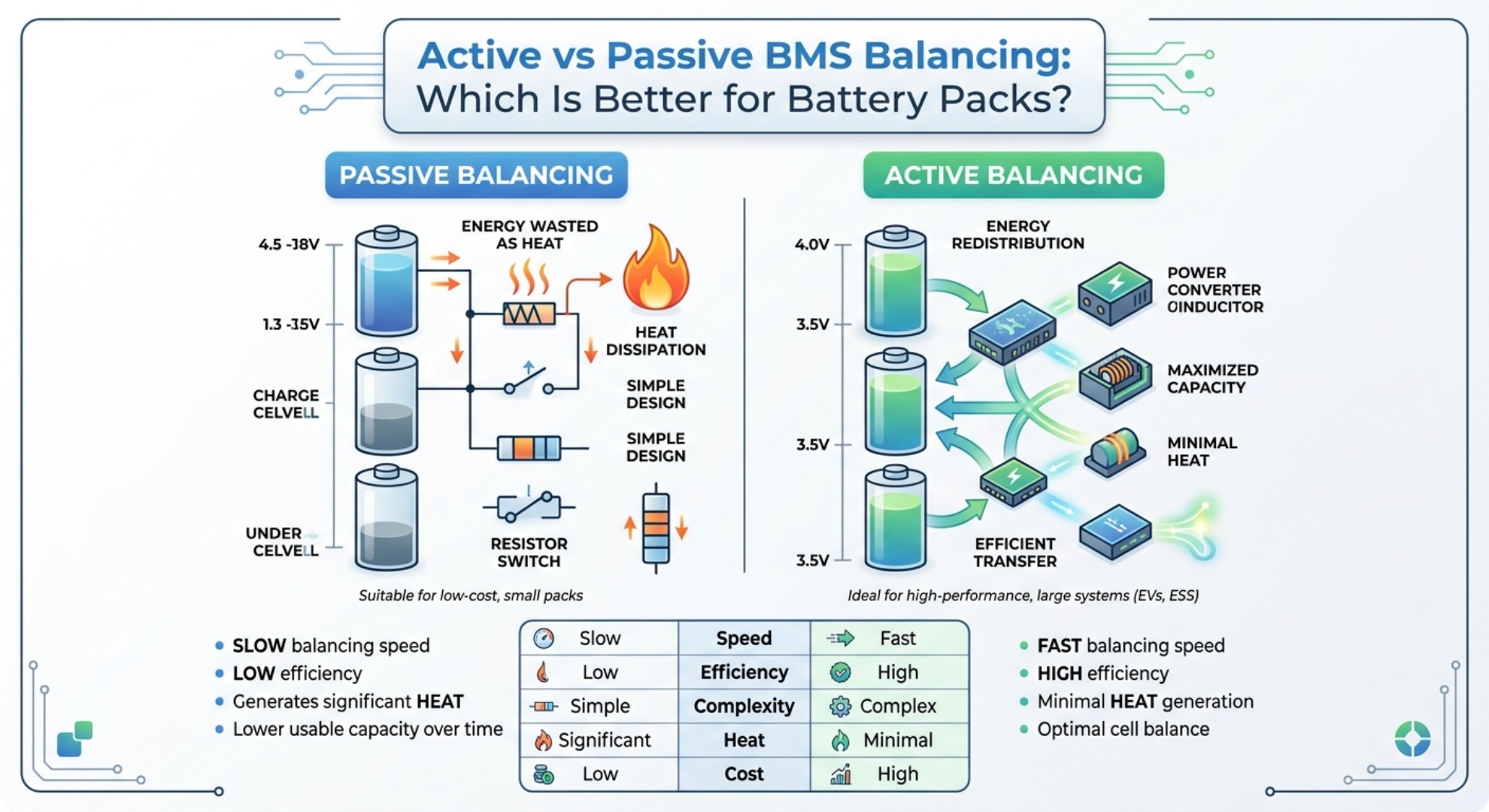
- 3. BMS Current Limits: Every premium battery has a built-in Battery Management System (BMS). The BMS dictates the maximum safe charge current to prevent cell damage. Our 15kWh unit supports high continuous charging currents.
- 4. Ambient Temperature: Extreme cold physically slows down lithium ion absorption and can cause lithium plating. If the battery is below freezing, the BMS will throttle or stop the charge to protect the cells.
The 3 Stages of Charging Explained
To truly understand charging speed, you need to know how the Battery Management System (BMS) handles the incoming solar power. Charging a lithium ion Battery typically happens in two main stages (with a third optional stage):
- Stage 1: Bulk Charge (Constant Current). This is where the magic happens. The solar charge controller dumps maximum safe current into the battery. The voltage steadily rises, and the battery absorbs power rapidly. About 90% to 95% of the charging time occurs in this ultra-fast stage.
- Stage 2: Absorption Charge (Constant Voltage). Once the battery reaches its target voltage (usually around 56V to 58.4V for a 51.2V system), the current begins to taper off. This stage tops off the last 5% to 10% of the battery and allows the BMS to balance the internal cells.
- Stage 3: Float Charge (Not Strictly Needed). Lead-acid batteries need a continuous trickle charge to stay full. LiFePO4 batteries hold their charge incredibly well and do not suffer from self-discharge. Most lithium profiles turn the float charge off entirely or set it very low to avoid over-stressing the cells.
Spotlight: The 15KWH Storage Home Energy Battery

Backed by a decade of manufacturing excellence in Dongguan, China, JMEnergyTech is proud to introduce our flagship product designed for rapid charging: the 51.2V 300Ah 15KWH storage Home Energy Battery.
What makes this unit truly special for homeowners and installers is its innovative split Type Lithium Battery design. Traditional 15kWh units are incredibly heavy, making wall-mounting a dangerous, multi-person job. By utilizing a split-type modular architecture, the heavy battery cells and the control unit are separated. Installers can carry and mount the components much more safely and efficiently.
Furthermore, this pack utilizes top-tier Grade-A LiFePO4 cells and a heavy-duty BMS that easily handles 100A to 150A continuous charging. This ensures that when the midday sun is at its brightest, your system is capturing every single watt without throttling.
Real US Household Charging Case Studies
To provide a definitive answer to how long to charge a lifepo4 solar battery, let us look at how the JMEnergyTech 15kWh system performs for our customers across different climates in the United States.

Case 1: Rapid Summer Charging in Austin, Texas
Setup: 12kW Solar Array + 1 × 15kWh storage Home Energy Battery
The Scenario: This Texas household runs multiple air conditioning units during the summer nights, frequently depleting their battery down to 20%. They need the battery to recharge rapidly the next morning before the afternoon heat peaks.
The Result: Thanks to the massive 12kW array and clear Texas skies, their hybrid inverter pushes a steady 120A to the battery starting at 9:00 AM. Their split Type Lithium Battery goes from 20% back to 100% in exactly 2.2 hours, finishing well before noon and leaving plenty of solar power to run the AC directly for the rest of the day.

Case 2: Winter Hybrid Charging in Portland, Oregon
Setup: 6kW Solar Array + Grid Backup + 1 × 15kWh lithium ion Battery
The Scenario: Oregon winters are notoriously cloudy, meaning very few peak sun hours. The 6kW array alone would take over 6 hours to charge the battery, which is longer than the intense winter daylight lasts.
The Result: The homeowner programmed their smart inverter to supplement the weak solar output with cheap off-peak grid power. By combining 40A from the weak winter sun and 60A from the grid, the battery receives a total 100A charge rate. It achieves a full 100% charge in about 3.3 hours, ensuring the home is always fully protected against winter storm blackouts.
Conclusion & More Resources
Knowing exactly how long to charge a lifepo4 solar battery empowers you to design a smarter, more resilient home energy system. With the right solar array, inverter, and a premium lithium ion Battery, you can capture a full day's worth of household power in just 2 to 4 hours.
If you are looking for a reliable, fast-charging solution, our 10 years of factory expertise culminate in the JMEnergyTech 51.2V 300Ah 15KWH storage Home Energy Battery. Its split Type Lithium Battery architecture ensures easy installation and uncompromising safety. Contact our Dongguan factory today to learn more about wholesale, distribution, and OEM opportunities.
Lifepo4 vs Lead Acid Which is Better for Solar Power
How to Extend Solar Battery Life: 7 Proven Maintenance Tips