


Lifepo4 vs Lead Acid Which is Better for Solar Power
Lifepo4 vs Lead Acid Which is Better for Solar Power

When designing an off-grid cabin or a home solar backup system, the most heavily debated topic is almost always: Lifepo4 vs Lead Acid Which is Better for Solar Power. For decades, bulky and heavy lead-acid batteries (including AGM and Gel) were the only viable options. However, as renewable energy demands have skyrocketed, a massive technological shift has occurred.
Today, almost all premium solar installations are moving toward the modern Lithium Ion Battery (specifically Lithium Iron Phosphate, or LiFePO4). While lead-acid might still seem appealing due to its low upfront sticker price, comparing the two technologies strictly on initial cost is a dangerous trap that will cost you thousands of dollars in the long run.
As a leading battery manufacturer located in Dongguan, China, with over 10 years of R&D and production experience, JMEnergyTech has supplied both technologies globally. In this definitive guide, we will break down the exact performance differences in usable capacity, lifespan, and physical footprint. We will also show you why upgrading to a sleek, Wall-Mounted, High Capacity system is the smartest financial decision for your solar array.
Depth of Discharge (DoD): The Usable Power Myth
The biggest misunderstanding in the solar industry is the concept of "rated capacity." If you buy a 10kWh lead-acid battery and a 10kWh Lithium Ion Battery, you are not getting the same amount of power.
Traditional lead-acid batteries suffer severe chemical damage if discharged below 50%. This means you can only ever use half of what you paid for. If you drain them further, their lifespan plummets drastically.
In contrast, a premium LiFePO4 battery safely utilizes 90% to 100% of its capacity without sustaining internal damage. This massive difference in Depth of Discharge (DoD) means you need twice as many lead-acid batteries to match the usable power of a single lithium unit.
Lifespan and True Cost of Ownership
A battery's lifespan is measured in "cycles" (one complete discharge and recharge). This is where the debate of Lifepo4 vs Lead Acid Which is Better for Solar Power is permanently settled.
- Lead-Acid Lifespan: Even with meticulous maintenance, checking water levels, and avoiding deep discharges, a good lead-acid bank will typically last 500 to 1,000 cycles (roughly 3 to 5 years of daily use).
- LiFePO4 Lifespan: A high-quality High Capacity lithium battery pack, managed by a smart BMS, will easily surpass 6,000 to 8,000 cycles. That equates to 15+ years of reliable, daily solar cycling.
The "Cheap" Battery Trap
While a lead-acid bank might cost 50% less upfront, you will have to replace that entire heavy battery bank 3 or 4 times before a single lithium battery reaches its end of life. When you calculate the "Levelized Cost of Storage" (the cost per kilowatt-hour over the system's lifetime), lithium is undeniably the cheaper technology.
Weight, Space, and Installation (Wall-Mounted Advantage)
Lead-acid batteries are essentially heavy boxes filled with toxic liquid acid and lead plates. A 10kWh usable lead-acid bank can easily weigh over 600 lbs (270 kg) and requires a massive, ventilated floor rack to prevent hazardous off-gassing.
LiFePO4 chemistry is vastly more energy-dense. A 10kWh Lithium Ion Battery weighs less than a third of its lead-acid equivalent and emits zero toxic gases. This incredibly compact footprint allows modern solar setups to transition to elegant, space-saving Wall-Mounted designs. Instead of sacrificing half your garage to a messy battery box, you can hang a sleek, modern energy system directly on your wall.
The JMEnergyTech High Capacity Lithium Ion Solution
After 10 years of manufacturing advanced energy storage in Dongguan, JMEnergyTech has engineered the perfect replacement for outdated lead-acid banks: our Wall-Mounted High Capacity Lithium Ion Battery series.
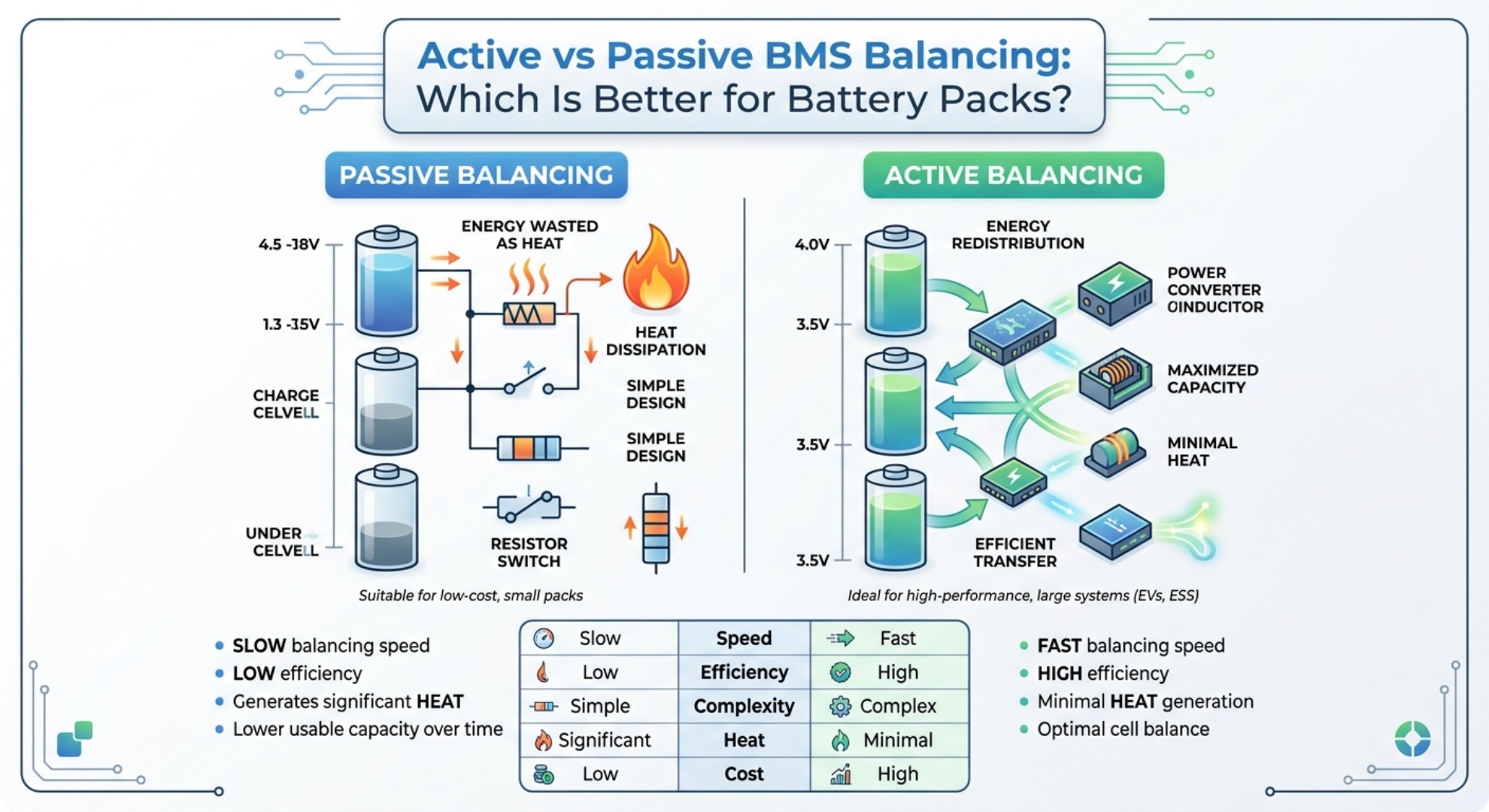
These units eliminate the maintenance headaches of lead-acid. Featuring an integrated intelligent Battery Management System (BMS), our batteries handle fast charging, deep 95% discharges, and thermal balancing completely autonomously. Whether you are running heavy AC units or keeping critical medical devices online during a blackout, this sleek Wall-Mounted unit delivers uncompromising power without taking up precious floor space.
Real US Household Case Studies
To put an end to the debate of Lifepo4 vs Lead Acid Which is Better for Solar Power, let's look at two American households that made the upgrade.

Case 1: The Space-Saving Upgrade in Brooklyn, New York
The Problem: A homeowner in New York had an aging 800Ah AGM lead-acid bank. It took up a massive 4x4 foot footprint in their tiny basement and only provided about 4.8kWh of usable power before the voltage crashed.
The Solution: They replaced the massive, heavy lead boxes with a single JMEnergyTech Wall-Mounted 10kWh Lithium Ion Battery.
The Result: Not only did they instantly double their usable daily energy, but they also reclaimed their entire basement floor. The sleek unit hangs quietly on the wall, requiring absolutely zero water maintenance or ventilation.

Case 2: Beating the Heat and Heavy Loads in Phoenix, Arizona
The Problem: An off-grid cabin in Arizona was destroying its lead-acid batteries every 3 years. The extreme summer heat caused the acid to boil off, and the heavy air conditioning load caused severe voltage drops.
The Solution: The owner upgraded to our High Capacity LiFePO4 system.
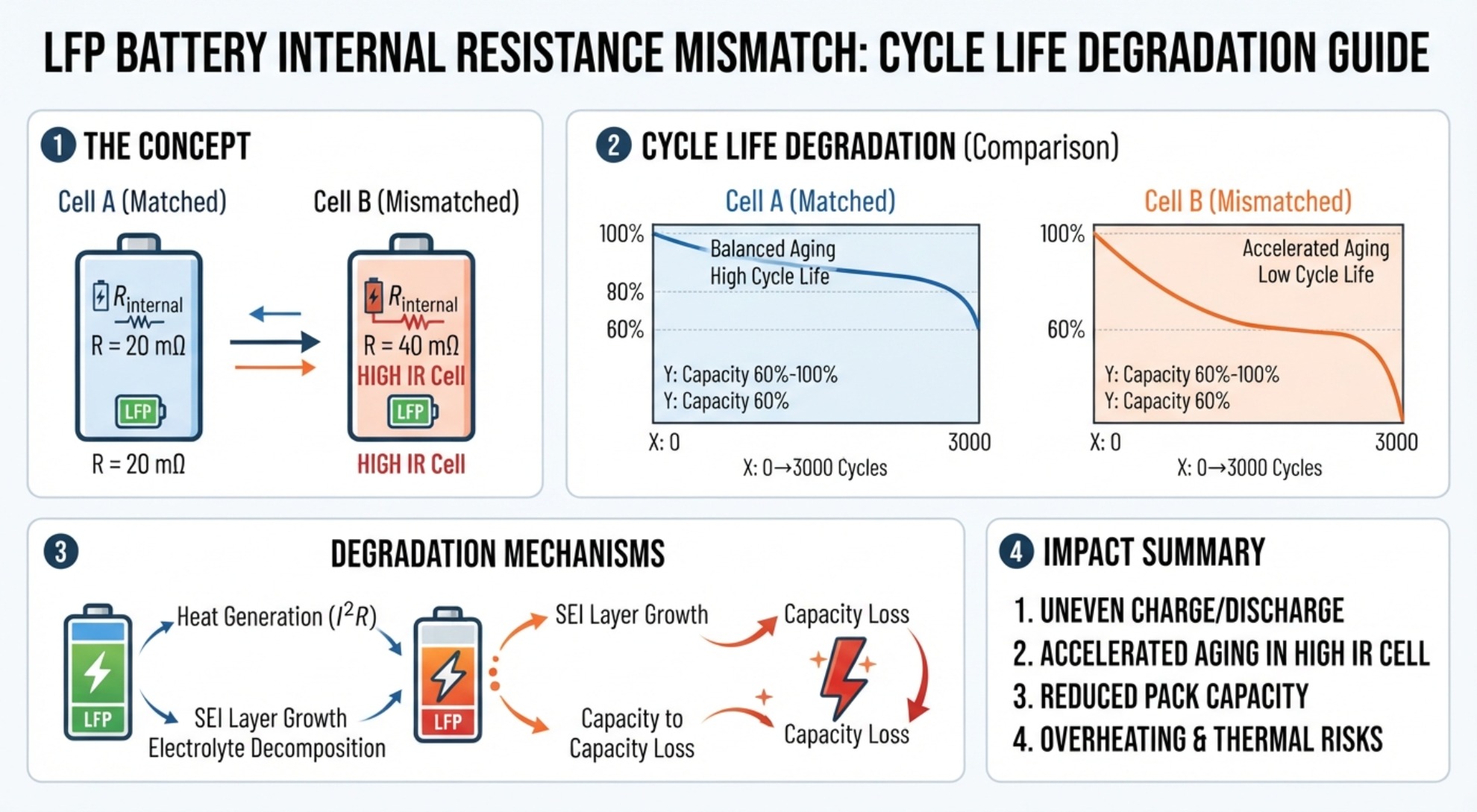
The Result: LiFePO4 chemistry is inherently more stable in higher temperatures. With its incredibly low internal resistance, the new Lithium Ion Battery effortlessly handles the massive surge currents from the AC compressors without suffering the severe voltage sag that plagued their old lead-acid setup.
Conclusion & More Resources
The verdict is clear: when asking Lifepo4 vs Lead Acid Which is Better for Solar Power, lithium is the absolute winner across every metric that matters. While lead-acid might seem cheaper initially, the true cost of replacing them every 3-5 years, combined with their terrible 50% usable capacity limit and massive physical weight, makes them an obsolete choice for modern solar arrays.
By upgrading to a premium Lithium Ion Battery, you gain 15+ years of zero-maintenance reliability, 95% usable power, and a sleek, space-saving Wall-Mounted installation. Backed by 10 years of manufacturing excellence in our Dongguan factory, the JMEnergyTech High Capacity storage line is ready to power your home into the future. Contact us today for a quote!
Explore Our Complete Battery Knowledge Series:
How to Size Your Solar Rechargeable Batteries Pack
How Long to Charge a LiFePO4 Solar Battery for Lithium Ion Battery