


Smart BESS Monitoring: Unlocking Hidden Value in Battery Data
Smart BESS Monitoring: Unlocking Hidden Value in Battery Data

Why BESS Monitoring Software Drives Energy Storage ROI

As the global battery energy storage system market expands rapidly to support renewable integration, project developers and asset owners face growing operational complexities. Deploying utility‑scale or commercial storage assets requires continuous insight into internal electrochemical behavior. High‑performance BESS monitoring software translates complex electrical telemetry into actionable financial metrics, transforming raw operational logs into key drivers for project bankability and long‑term return on investment (ROI).
Large‑scale battery storage sites represent substantial capital outlay. Many storage projects run multi‑decade operational lifespans, where small, unaddressed operational deviations compound over years and erode overall project profitability. Without automated data collection, utility operators risk undetected cell imbalances, accelerated thermal stress, and premature capacity degradation. Even minor cell drift can cascade across racks, reducing usable system capacity long before physical failure occurs. Root‑cause issues can stem from inconsistent cell quality; learn more about differentiating cell tiers in Grade A vs Grade B LFP Cells: How to Spot Quality Differences.
Leveraging automated data processing allows system managers to optimize charge‑discharge schedules while keeping operating parameters strictly within manufacturer warranty conditions. Many battery warranties include strict limits around charging rates, operating temperature windows and depth‑of‑discharge thresholds. Deviating from these boundaries voids coverage and leaves asset owners responsible for costly module replacement. Seamless integration between local hardware and cloud intelligence underpins modern renewable energy integration, protecting multi‑million dollar capital investments from unnecessary risk.
For investors and lending institutions, consistent monitoring data also improves project due‑diligence outcomes. Verified operational records provide tangible proof of asset condition during refinancing, resale or portfolio valuation cycles.
Real‑Time Battery Analytics & State of Health (SoH) Tracking

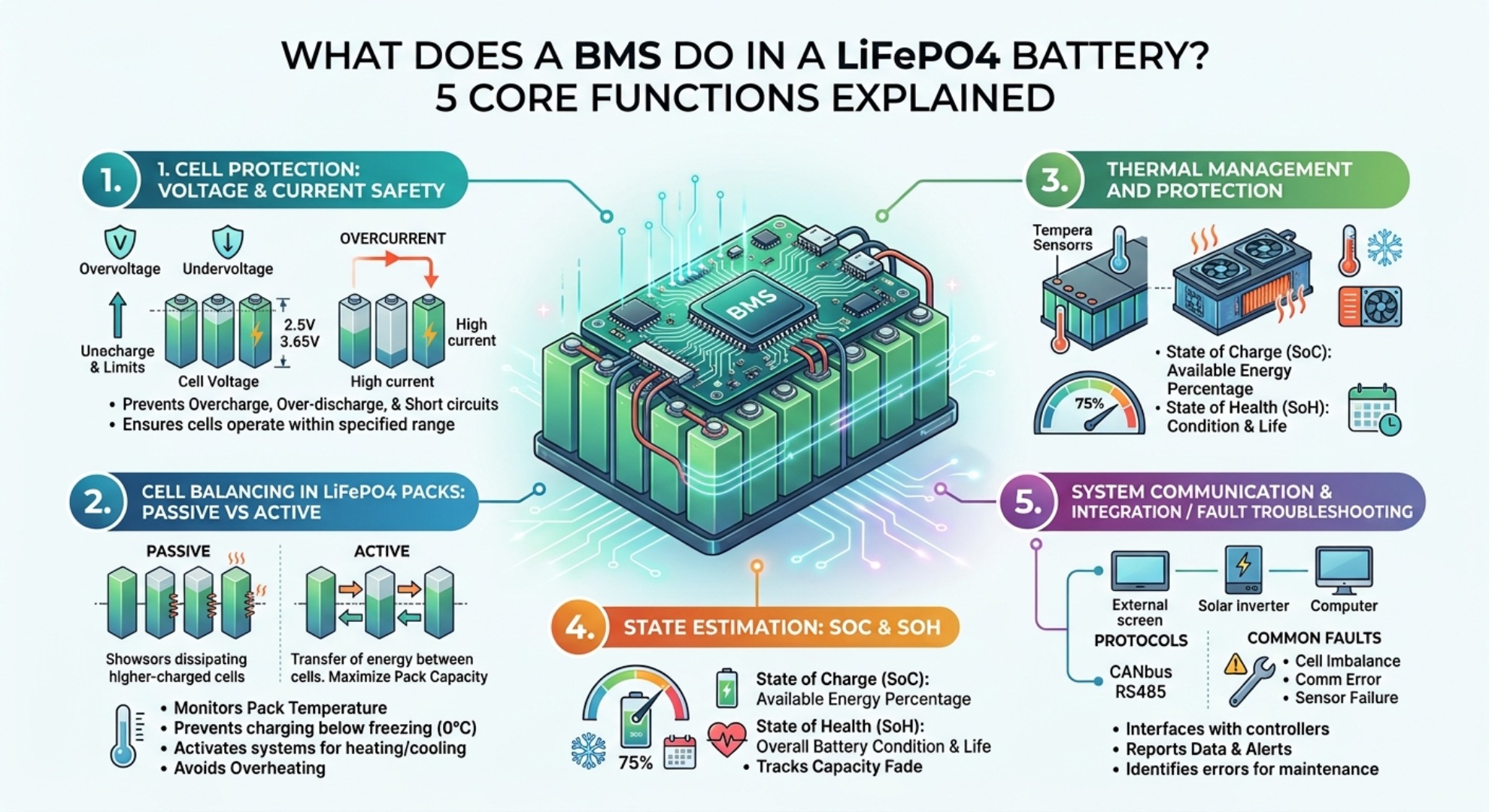
Granular tracking of individual cell modules is vital for maintaining system safety and operational availability. Advanced state of health monitoring continuously analyzes parameters such as state of charge (SoC), internal resistance, depth of discharge (DoD), and temperature variance across all battery racks. By tracking these variables in real time, asset managers can identify struggling strings before micro‑faults escalate into catastrophic system trips or expensive forced outages. Understanding how BMS computes these core metrics is critical for correct interpretation of field readings, covered in BMS SOC Algorithm & SOH Calculation: ESS Battery Health Guide.
System‑level aggregated readings often mask early‑stage degradation. Relying only on pack‑level metrics hides weak cells that slowly drag down the performance of an entire parallel string. Understanding lithium‑ion battery performance under dynamic grid loading requires high‑frequency sampling. Field research published by the Sandia National Laboratories highlights that continuous cell‑level voltage telemetry provides the early warning signals needed to detect lithium plating and dendrite growth. These dangerous internal conditions rarely trigger standard protection alarms until damage is already substantial.
This granular visibility allows operations and maintenance (O&M) teams to rebalance module loads proactively, ensuring uniform aging across the entire storage bank. Balancing operations can be scheduled during low‑value off‑peak periods to avoid sacrificing revenue‑generating dispatch windows.
Modern battery management system analytics also serve as an essential safety layer. By evaluating historical thermal trends against environmental conditions, automated control systems can adjust auxiliary cooling systems, execute automated derating, or enforce thermal runaway prevention protocols before hazardous conditions occur. Outdoor storage installations face seasonal temperature swings, direct solar heating and uneven airflow across rack rows, creating hot‑spots that demand ongoing observation. This proactive approach significantly boosts overall energy storage reliability and lowers insurance premiums for project operators, as underwriters increasingly require continuous condition monitoring for large battery assets.
Battery Predictive Maintenance: From Reactive to Proactive

Traditional scheduled maintenance models often miss early signs of hardware degradation or result in unnecessary downtime. Fixed‑interval service visits generate high travel and labour expense, and technicians frequently perform routine checks on perfectly healthy equipment, while subtle degradation events slip between inspection cycles. Implementing battery predictive maintenance uses machine learning algorithms trained on historical telemetry to forecast component failures weeks before they occur. This shift from reactive firefighting to condition‑based servicing dramatically reduces labor costs and optimizes spare parts inventory management.
On‑site service for remote utility‑scale storage sites carries particularly high logistical overhead. Waiting for total system failure forces emergency call‑outs, premium shipping for replacement hardware and extended revenue loss while assets sit offline. Combining physical electrochemical degradation models with real‑time data allows O&M teams to conduct accurate operational degradation modeling. Studies from the National Renewable Energy Laboratory demonstrate that algorithmic BESS downtime reduction strategies preserve asset lifetime while maximizing availability during high‑demand arbitrage windows. Preventing unplanned outages ensures storage assets remain online when spot energy prices peak.
Furthermore, integrating machine learning in energy storage platforms streamlines complex capacity fade analysis. Operators can pinpoint whether performance losses stem from ambient temperature exposure, aggressive C‑rate cycles, or auxiliary system losses. Parasitic loads from cooling units, monitoring hardware and site auxiliary power can slowly eat into net usable output if left unmonitored. These diagnostic insights form the foundation of modern battery asset management, transforming complex field telemetry into clear economic value. Asset teams can then adjust operational strategies accordingly rather than accepting steady, unexplained performance decline.
AI‑Driven Battery Fleet Optimization for Maximum Revenue

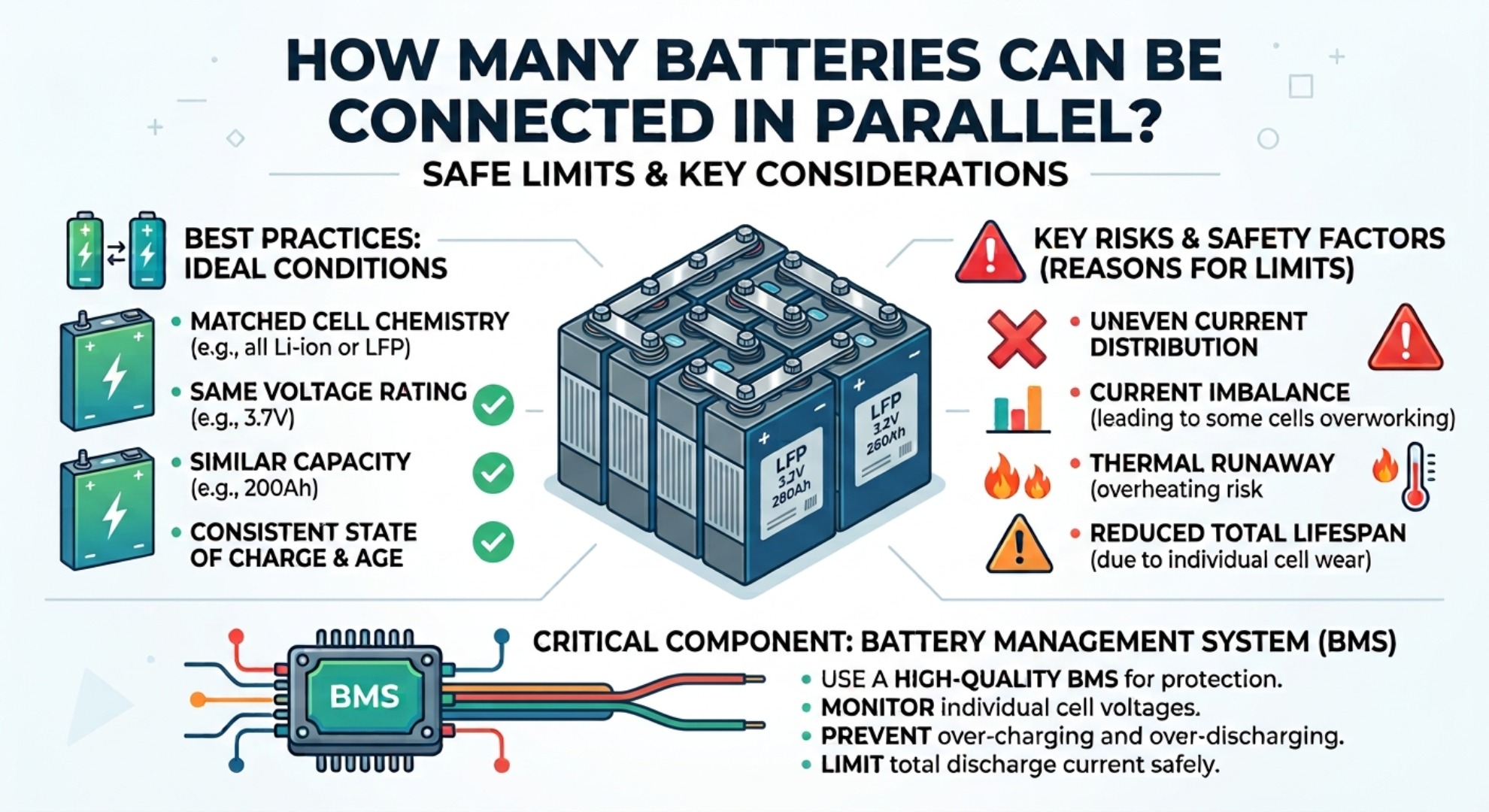
Data insights empower operators to participate confidently in lucrative dynamic grid markets. Storage assets deliver value through multiple revenue streams: energy arbitrage, capacity markets, demand response, frequency support and other grid ancillary services. Each market carries distinct operational constraints and risk profiles for battery hardware. Sophisticated platforms drive energy storage revenue optimization by analyzing real‑time electricity prices, grid frequency trends, and degradation costs to calculate the exact marginal cost of every kilowatt‑hour dispatched. This level of control ensures maximum revenue generation across power trading, demand response, and ancillary services. Special caution must be exercised when expanding existing battery fleets by paralleling old and new modules; the voltage‑gap risks are detailed in LFP Expansion Risks: The Voltage Gap Problem.
Providing rapid response for grid frequency regulation requires sub‑second data streaming and automated system dispatch. Grid codes impose strict latency and accuracy requirements for participating storage resources; slow or delayed monitoring data disqualifies assets from high‑value service markets. Adhering to standards outlined by the International Electrotechnical Commission ensures that cloud platforms maintain seamless communication with grid operators while monitoring battery warranty compliance constraints. Tracking throughput limits alongside ambient operational boundaries ensures revenue optimization never compromises manufacturer guarantee terms. Many operators learn the hard way that aggressive trading schedules can shorten battery life so severely that extra market income is erased by accelerated replacement costs.
Fleet‑wide monitoring also supports portfolio‑level decision‑making for operators running multiple geographically‑dispersed BESS sites. Comparative performance benchmarks highlight under‑performing installations and reveal lessons that can be applied across the whole asset base.
Ultimately, smart telemetry transforms energy storage from a passive hardware installation into an intelligent energy asset. Advanced smart grid energy management minimizes the Levelized Cost of Storage (LCOS) over a multi‑decade project lifecycle. Comprehensive BESS life cycle management unlocks the true hidden value of battery data—ensuring safety, prolonging operational lifespan, and maximizing investment yields across every discharge cycle.
LiFePO4 vs Sodium-Ion Battery: Which Is Better for Energy Storage?
BMS SOC Algorithm & SOH Calculation: ESS Battery Health Guide